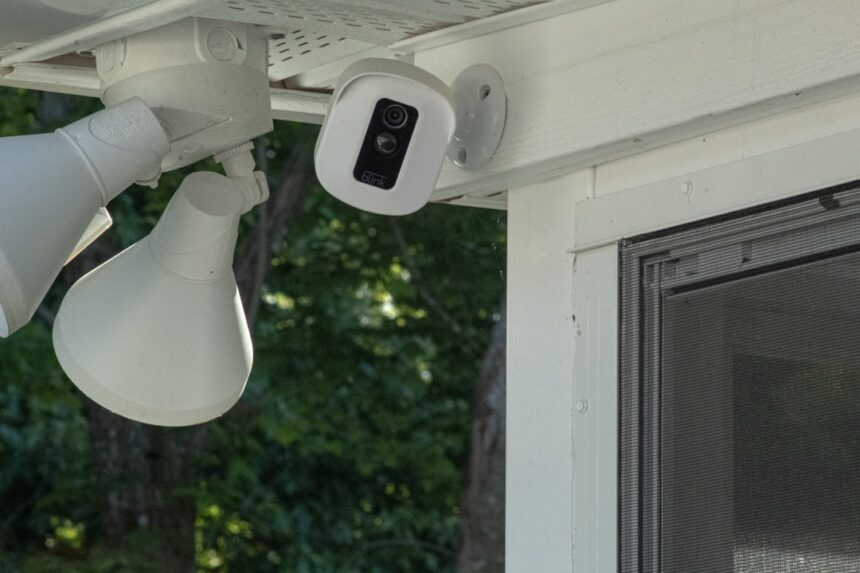
In recent years, I have witnessed a remarkable transformation in the way we approach home security. The rise of smart home security systems has revolutionized the industry, making it more accessible and user-friendly than ever before. Gone are the days when I had to rely solely on traditional locks and alarm systems.
Now, I can monitor my home from anywhere in the world using my smartphone, thanks to the integration of advanced technology. This shift has not only enhanced my sense of safety but has also provided me with a level of convenience that I never thought possible. As I delve deeper into this trend, I realize that the appeal of smart home security systems lies in their ability to offer real-time monitoring and control.
With features like motion detection, video surveillance, and remote access, I can keep an eye on my property even when I’m miles away. The convenience of receiving instant alerts on my phone whenever there is unusual activity is a game-changer. Moreover, the integration of artificial intelligence has made these systems smarter, allowing them to learn my habits and preferences over time.
This evolution in home security is not just about protecting my belongings; it’s about creating a safer living environment tailored to my lifestyle.
Key Takeaways
- Smart home security systems offer advanced protection but raise significant privacy concerns.
- These systems can inadvertently record private conversations, leading to unexpected privacy breaches.
- Recording conversations without consent poses ethical dilemmas and potential legal issues.
- Users should take proactive steps to safeguard their privacy when using smart security devices.
- Balancing security benefits with privacy rights is crucial for the future development of smart home technologies.
How Smart Home Security Systems Work
Understanding how smart home security systems work has been an eye-opening experience for me. At their core, these systems rely on a network of interconnected devices that communicate with each other and with me through a central hub or app. This interconnectedness allows me to control various aspects of my home security from a single interface.
For instance, I can lock my doors, adjust my cameras, and even control my lights—all from my smartphone. The convenience of having everything at my fingertips is something I truly appreciate. The technology behind these systems is fascinating as well.
Most smart home security devices utilize Wi-Fi or Bluetooth to connect to the internet, enabling real-time data transmission. When a motion sensor detects movement, it sends an alert to my phone, allowing me to view live footage from my security cameras. Some systems even incorporate facial recognition technology, which can distinguish between familiar faces and strangers.
This level of sophistication not only enhances security but also provides me with peace of mind knowing that I am always in control.
The Potential for Privacy Breaches
While the benefits of smart home security systems are undeniable, I cannot ignore the potential for privacy breaches that come with them. As I embrace this technology, I find myself grappling with the reality that these devices can also be vulnerable to hacking and unauthorized access. The very features that make these systems so appealing—remote access and real-time monitoring—can also be exploited by malicious actors.
This duality raises important questions about how much privacy I am willing to sacrifice for the sake of security. Moreover, I have come to realize that many users may not fully understand the implications of having devices that are always listening or recording. The convenience of voice-activated assistants and cameras can lead to unintentional privacy violations.
As I navigate this landscape, I am increasingly aware that while I seek to protect my home, I must also be vigilant about safeguarding my personal information and conversations from potential breaches.
Unexpected Conversations Recorded by Smart Home Security Systems
One of the most unsettling aspects of smart home security systems is the possibility of unexpected conversations being recorded. As I reflect on my own experiences, I realize that these devices are often designed to listen for specific commands or alerts. However, this constant state of readiness can lead to unintended recordings of private conversations.
The thought of my personal discussions being captured without my knowledge is disconcerting and raises significant concerns about consent and privacy. I have heard stories from others who have experienced similar situations, where their smart devices inadvertently recorded intimate moments or sensitive discussions. These incidents serve as a stark reminder that while technology can enhance our lives, it can also intrude upon our privacy in ways we may not anticipate.
As I consider the implications of these recordings, I find myself questioning how much control I truly have over the information captured by these devices.
Examples of Unexpected Conversations Recorded
| Metric | Value | Description |
|---|---|---|
| Number of Unexpected Conversations Detected | 27 | Total instances where smart home security devices recorded conversations not initiated by users |
| False Positive Rate | 12% | Percentage of detected conversations that were mistakenly flagged as unexpected |
| Average Duration of Recorded Conversations | 45 seconds | Mean length of unexpected conversations captured by the system |
| Privacy Complaints Filed | 5 | Number of user complaints regarding privacy concerns due to unexpected recordings |
| Response Time to Alerts | 2 minutes | Average time taken for users to respond to unexpected conversation alerts |
| Percentage of Conversations Shared with Authorities | 8% | Proportion of unexpected conversations forwarded to law enforcement or security agencies |
The stories surrounding unexpected recordings by smart home security systems are both alarming and thought-provoking. For instance, I came across a case where a couple discovered that their smart speaker had recorded an entire conversation about their wedding plans without their knowledge. The device had mistakenly interpreted their discussion as a command, leading to an unintended recording that was later shared with a third party.
This incident highlighted the potential for embarrassment and violation of trust that can arise from such technology. Another example involved a family who found out that their security camera had inadvertently captured private moments during a family gathering. The footage was meant for security purposes but ended up revealing personal interactions that were never intended for public viewing.
These examples resonate with me because they underscore the fine line between security and privacy—a line that can easily be blurred in our increasingly connected world.
The Ethical Implications of Recording Conversations
As I ponder the ethical implications of recording conversations through smart home security systems, I find myself grappling with complex questions about consent and autonomy. It seems clear to me that individuals should have the right to control what is recorded in their own homes. However, the reality is that many users may not fully understand how these devices operate or the extent to which they are always listening.
This lack of awareness raises ethical concerns about whether companies are doing enough to inform consumers about potential privacy risks. Furthermore, I believe it is essential to consider the impact of these recordings on interpersonal relationships. The knowledge that conversations may be recorded—even unintentionally—can create an atmosphere of distrust among family members or roommates.
As someone who values open communication, I find it troubling that technology could undermine the very foundation of trust within a household. It is crucial for us to engage in discussions about the ethical responsibilities of manufacturers and users alike when it comes to privacy in our homes.
Legal Ramifications of Recording Conversations without Consent
The legal ramifications surrounding the recording of conversations without consent are another area that warrants careful consideration. In many jurisdictions, laws exist to protect individuals from being recorded without their knowledge or permission. However, as I explore this topic further, I realize that these laws can vary significantly from one place to another.
In some regions, it may be legal to record conversations if one party consents, while in others, all parties must agree to the recording. This patchwork of regulations complicates matters for users like me who may inadvertently find themselves in situations where recordings occur without explicit consent.
As I navigate this landscape, I recognize the importance of being informed about local laws and understanding my rights when it comes to privacy in relation to smart home security systems.
Steps to Protect Your Privacy with Smart Home Security Systems
Taking proactive steps to protect my privacy while using smart home security systems has become a priority for me.
Many manufacturers provide options to limit data collection or disable certain features that may compromise my privacy.
By taking advantage of these settings, I can regain some control over what information is shared and recorded. Additionally, I have learned the importance of being selective about which devices I choose to integrate into my home security system. Researching products and reading reviews has become part of my decision-making process.
I look for devices that prioritize user privacy and offer transparent data practices. Furthermore, ensuring that my Wi-Fi network is secure with strong passwords and encryption has become a non-negotiable step in safeguarding my personal information from potential breaches.
Alternative Security Measures to Consider
While smart home security systems offer numerous advantages, I have also explored alternative security measures that align more closely with my privacy concerns. Traditional security systems still hold value for those who prefer a more straightforward approach without the complexities of smart technology. For instance, investing in high-quality deadbolts and window locks can provide a solid layer of protection without the risk of digital intrusion.
Additionally, I have considered community-based security initiatives such as neighborhood watch programs or local surveillance networks. These grassroots efforts foster a sense of community while enhancing safety without relying on technology that may compromise privacy. By engaging with neighbors and building relationships within my community, I feel empowered to take an active role in ensuring our collective safety while maintaining our individual privacy.
The Future of Smart Home Security and Privacy
As I look toward the future of smart home security and privacy, I am filled with both excitement and apprehension. The rapid pace of technological advancement suggests that we will continue to see innovations aimed at enhancing security while addressing privacy concerns. Companies are increasingly recognizing the importance of user trust and are likely to invest in developing more transparent practices regarding data collection and usage.
However, I also believe that as consumers, we must remain vigilant and advocate for our rights when it comes to privacy in our homes. Engaging in conversations about ethical practices and supporting companies that prioritize user privacy will be crucial as we navigate this evolving landscape together. Ultimately, finding a balance between embracing technological advancements and safeguarding our personal information will define the future of smart home security.
Balancing Security and Privacy in the Smart Home
In conclusion, my journey through the world of smart home security systems has illuminated both the benefits and challenges associated with this technology. While these systems offer unparalleled convenience and peace of mind, they also raise significant concerns about privacy breaches and ethical implications surrounding recorded conversations. As I strive to protect my home and loved ones, I recognize the importance of being informed and proactive in safeguarding my privacy.
Moving forward, it is essential for all users like me to engage in discussions about the balance between security and privacy in our increasingly connected lives. By taking steps to protect our personal information while embracing technological advancements, we can create safer living environments without compromising our fundamental right to privacy. As we navigate this complex landscape together, we must remain vigilant advocates for our rights in an ever-evolving digital world.
In the realm of smart home security, unexpected conversations can arise from the integration of advanced technology into our daily lives. A related article that delves into this topic is available at this link, where the implications of smart devices on privacy and security are explored in depth. The article highlights how these devices can inadvertently capture conversations, raising important questions about user awareness and data protection.
WATCH THIS! 📱 She Didn’t Know Our Smart Speaker Was Recording Everything
FAQs
What is smart home security?
Smart home security refers to a system of interconnected devices and technologies designed to protect a home from intrusions, theft, and other security threats. These systems often include cameras, motion sensors, smart locks, alarms, and monitoring services that can be controlled remotely via smartphones or other internet-connected devices.
How can smart home security systems capture unexpected conversations?
Many smart home security devices, such as smart speakers and security cameras with audio capabilities, continuously listen for voice commands or record audio as part of their functionality. Sometimes, these devices may inadvertently capture private or unexpected conversations if they are triggered accidentally or if their microphones remain active.
Are there privacy concerns with smart home security devices?
Yes, privacy concerns exist because smart home security devices often collect audio and video data that could be accessed by unauthorized parties or used in ways not intended by the user. Users should review privacy policies, adjust device settings, and use secure networks to minimize risks.
Can smart home security devices be hacked?
While manufacturers implement security measures, smart home devices can be vulnerable to hacking if not properly secured. Weak passwords, outdated firmware, and unsecured Wi-Fi networks can increase the risk of unauthorized access to smart home security systems.
How can I prevent my smart home security system from recording unintended conversations?
To reduce the chance of unintended recordings, users can mute microphones when not in use, adjust sensitivity settings, disable audio recording features if not needed, and regularly review device permissions and settings.
What should I do if my smart home security system records a private conversation?
If a private conversation is recorded unintentionally, users should check the device’s storage and cloud settings to manage or delete recordings. It is also advisable to review and update privacy settings and consult the device manufacturer’s support resources for guidance.
Are there legal implications of smart home devices recording conversations?
Legal implications vary by jurisdiction. In many places, recording conversations without consent may violate privacy laws. Users should familiarize themselves with local regulations regarding audio and video recording in private spaces.
Can smart home security systems be integrated with other smart devices?
Yes, many smart home security systems can be integrated with other smart devices such as lighting, thermostats, and voice assistants to create a comprehensive and automated home environment.
What are the benefits of using smart home security systems?
Benefits include real-time monitoring, remote access and control, automated alerts, enhanced safety, and the ability to deter or respond quickly to security threats.
How do I choose the right smart home security system?
Consider factors such as the types of devices included, ease of installation and use, compatibility with existing smart home products, privacy and security features, customer support, and cost. Reading reviews and consulting with security professionals can also help in making an informed decision.