In recent years, smart technology has revolutionized health monitoring, with smart scales becoming significant tools in this transformation. These devices measure not only weight but also provide comprehensive data on body fat percentage, muscle mass, and hydration levels. Smart scale data offers valuable insights into health trends when analyzed systematically.
The ability to track weight and body composition longitudinally enables evidence-based health and fitness decisions for individuals. The significance of smart scale data extends beyond personal use into public health research. This information can illuminate regional health disparities and inform targeted public health initiatives.
When researchers aggregate anonymized data from diverse users, they can identify weight trends across different demographics and geographical locations that might remain undetected through conventional research methods. The integration of smart scale data into health research creates opportunities for more sophisticated analysis of how weight correlates with geographic, cultural, and lifestyle factors. This data-driven methodology contributes to a more comprehensive understanding of public health challenges related to weight management and body composition across populations.
Key Takeaways
- Smart scale data reveals how geographic location influences weight trends and health.
- Regional weight differences are shaped by cultural, lifestyle, and environmental factors.
- Location impacts physical activity levels and eating habits, affecting weight management.
- Public health initiatives can leverage smart scale data to target weight disparities effectively.
- Tailored strategies are essential to promote healthier lifestyles in high-risk areas.
The Influence of Location on Weight
Location plays a pivotal role in shaping our health outcomes, particularly when it comes to weight management. As I reflect on my own experiences, I recognize that the environment in which I live can significantly impact my access to healthy food options and opportunities for physical activity. Urban areas often provide a plethora of fitness facilities and fresh produce markets, while rural regions may lack such resources.
This disparity can lead to significant differences in weight trends among populations residing in different locations. Moreover, the built environment—such as the availability of parks, sidewalks, and recreational spaces—can influence my level of physical activity. In neighborhoods where walking or biking is encouraged, I find it easier to incorporate exercise into my daily routine.
Conversely, in areas where transportation is car-dependent and safe outdoor spaces are limited, maintaining a healthy weight can become a daunting challenge. Understanding these geographical influences is crucial for addressing weight-related issues on a larger scale.
Comparing Weight Trends in Different Regions

As I examine weight trends across various regions, it becomes evident that there are stark differences in average body weights and obesity rates.
This observation prompts me to consider the underlying factors that contribute to these disparities.
In my own life, I have noticed that living in a metropolitan area has afforded me greater access to fitness classes and health-conscious communities, which has positively influenced my weight management efforts. Additionally, regional dietary habits play a significant role in shaping weight trends. In some areas, traditional diets rich in whole foods may promote healthier body weights, while in others, the prevalence of fast food and processed snacks can lead to higher obesity rates.
By comparing these trends, I gain a deeper appreciation for the complex interplay between location and weight. It becomes clear that addressing these disparities requires a multifaceted approach that considers both individual behaviors and broader societal influences.
Factors Contributing to Regional Weight Differences
Several factors contribute to the regional differences in weight that I observe. Socioeconomic status is one of the most significant determinants; individuals in lower-income areas may face barriers to accessing healthy foods and healthcare services. As I think about my own financial situation, I realize how fortunate I am to have the means to prioritize my health through nutritious food choices and regular exercise.
In contrast, those living in food deserts may struggle to find affordable fresh produce, leading to reliance on cheaper, calorie-dense options. Another critical factor is education. Awareness of nutrition and healthy lifestyle choices can vary widely between regions.
In communities where health education is prioritized, individuals are more likely to make informed decisions about their diets and physical activity levels. Reflecting on my own experiences with health education programs, I recognize how valuable they can be in empowering individuals to take charge of their well-being. Bridging the gap in education across regions is essential for fostering healthier communities.
The Role of Culture and Lifestyle in Weight Management
| Metric | Description | Example Data | Source |
|---|---|---|---|
| Device ID | Unique identifier for each smart scale | SS-123456789 | Smart Scale Manufacturer |
| Timestamp | Date and time of the measurement | 2024-06-15 08:30:00 | Smart Scale Data Logs |
| Location Coordinates | Latitude and longitude where the scale was used | 37.7749° N, 122.4194° W | GPS Module in Smart Scale |
| Weight Measurement | Body weight recorded by the smart scale | 72.5 kg | Smart Scale Sensor |
| Body Fat Percentage | Estimated body fat percentage from scale | 18.3% | Smart Scale Sensor |
| User ID | Identifier for the user associated with the data | User_98765 | Mobile App Account |
| Data Transmission Method | How data is sent from scale to server | Wi-Fi | Device Specifications |
| Data Accuracy | Estimated accuracy of location data | ±5 meters | GPS Module Specs |
Culture significantly influences our attitudes toward food and body image, which in turn affects weight management practices. As I navigate my own cultural background, I see how traditional foods and family meals shape my relationship with eating. In some cultures, communal dining and home-cooked meals are celebrated, promoting healthier eating habits.
However, in others, fast food consumption may be more prevalent due to convenience or social norms. Lifestyle choices also play a crucial role in weight management. For instance, individuals who prioritize physical activity as part of their daily routine are more likely to maintain a healthy weight.
As I reflect on my own lifestyle choices, I recognize that incorporating exercise into my day—whether through walking or participating in group fitness classes—has been instrumental in managing my weight. Understanding how cultural values and lifestyle habits intersect can provide valuable insights into effective weight management strategies tailored to specific communities.
Impact of Environment on Physical Activity and Eating Habits
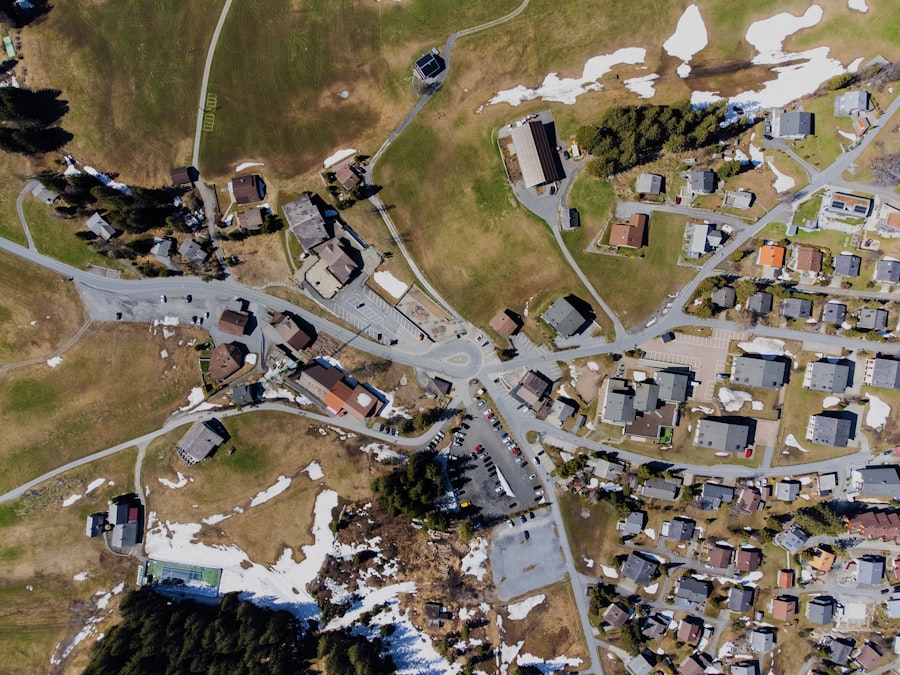
The environment in which I live has a profound impact on my physical activity levels and eating habits. Access to parks, gyms, and recreational facilities encourages me to engage in regular exercise. Conversely, if I lived in an area with limited access to such amenities, it would be much more challenging for me to stay active.
Additionally, the presence of grocery stores that offer fresh produce versus convenience stores filled with processed foods can significantly influence my dietary choices. Environmental factors also extend beyond physical infrastructure; they encompass social norms and community support systems as well. In neighborhoods where active lifestyles are celebrated and supported by local initiatives—such as community fitness events or farmers’ markets—I feel more motivated to prioritize my health.
On the other hand, environments that lack such support can create barriers that hinder healthy behaviors. Recognizing these environmental influences is essential for developing effective interventions aimed at promoting healthier lifestyles.
Understanding the Relationship Between Location and Weight
As I delve deeper into the relationship between location and weight, it becomes clear that this connection is multifaceted and complex. Geographic disparities in weight are not merely a reflection of individual choices; they are shaped by systemic factors such as access to resources, cultural attitudes toward health, and socioeconomic conditions. By examining these elements together, I gain a more comprehensive understanding of why certain populations struggle with weight management while others thrive.
Moreover, this relationship is dynamic; it evolves over time as communities change and adapt to new challenges. For instance, urbanization may lead to increased access to fitness facilities but also contribute to sedentary lifestyles due to longer work hours and commutes. As I consider these shifts within my own community, I realize that addressing weight disparities requires ongoing research and adaptation of strategies that respond to the unique needs of each location.
Utilizing Smart Scale Data for Public Health Initiatives
The potential for smart scale data to inform public health initiatives is immense. By aggregating data from diverse populations, public health officials can identify trends and target interventions more effectively. For example, if data reveals that a particular region has a rising obesity rate among its residents, targeted campaigns promoting healthy eating and physical activity can be developed specifically for that area.
As someone who values data-driven decision-making, I appreciate how smart scale technology can enhance our understanding of public health challenges. Furthermore, smart scale data can facilitate personalized health interventions by allowing individuals to track their progress over time. This capability empowers me to set realistic goals based on my unique circumstances while also contributing to broader public health efforts.
By sharing anonymized data with researchers and policymakers, I can play a role in shaping initiatives that promote healthier lifestyles within my community.
Strategies for Addressing Weight Disparities Across Locations
Addressing weight disparities across different locations requires a multifaceted approach that considers the unique challenges faced by each community. One effective strategy is the implementation of community-based programs that promote access to healthy foods and physical activity opportunities. For instance, establishing community gardens or farmers’ markets can improve access to fresh produce in underserved areas while fostering social connections among residents.
Additionally, educational initiatives aimed at increasing awareness of nutrition and healthy lifestyle choices are crucial for empowering individuals to take charge of their health. As I reflect on my own experiences with health education programs, I recognize their potential for creating lasting change within communities. By equipping individuals with knowledge about healthy eating habits and physical activity guidelines, we can foster a culture of wellness that transcends geographic boundaries.
Promoting Healthier Lifestyles in High-Risk Areas
In high-risk areas where obesity rates are disproportionately high, targeted interventions are essential for promoting healthier lifestyles. Collaborating with local organizations and stakeholders can help create tailored programs that address specific needs within these communities. For example, offering free or low-cost fitness classes can encourage residents to engage in regular physical activity while building a sense of community support.
Moreover, leveraging technology—such as mobile apps or online platforms—can enhance outreach efforts by providing residents with easy access to resources related to nutrition and exercise. As someone who appreciates the convenience of technology in managing my own health journey, I see great potential for these tools to empower individuals in high-risk areas to make positive changes.
Using Smart Scale Data to Improve Health Outcomes
In conclusion, smart scale data offers valuable insights into the complex relationship between location and weight management. By understanding how geographic factors influence our health outcomes, we can develop targeted interventions that address disparities across communities. As I reflect on my own experiences with smart scales and the broader implications of this technology, I am optimistic about its potential to improve public health outcomes.
By harnessing the power of smart scale data alongside community engagement and education initiatives, we can work towards creating healthier environments for all individuals—regardless of their location. Ultimately, it is through collaboration and innovation that we can pave the way for a healthier future where everyone has the opportunity to thrive.
A related article that delves into these issues can be found at