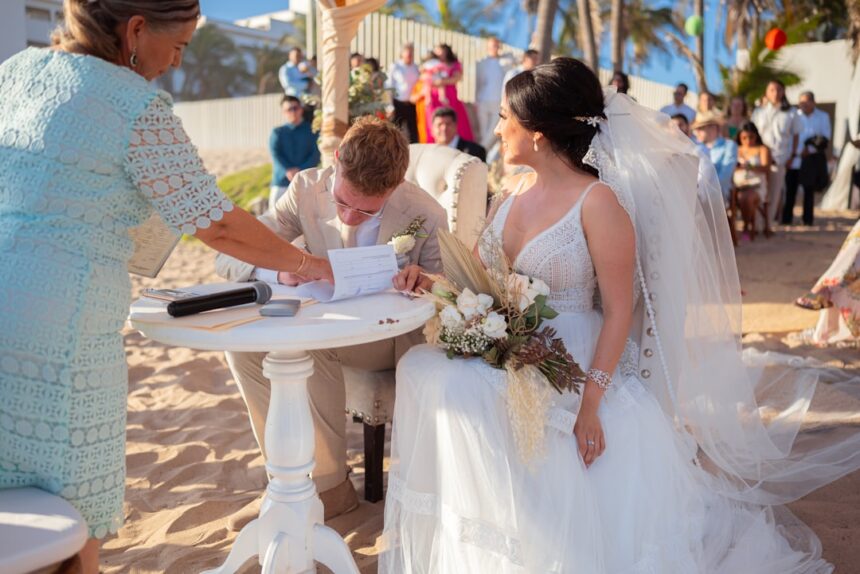
I’ve always approached life with a degree of pragmatism, and when it came to planning my wedding, that approach definitely extended to the contracts. The idea of “smart wedding contracts” might sound a little sterile to some, conjuring images of legal jargon and stressed-out couples poring over dense documents. But for me, it was about clarity, protection, and ultimately, a smoother path to “I do.” I wasn’t looking for a fairy tale devoid of practicalities; I was looking for a well-managed event where the only surprises were pleasant ones.
The notion of signing a contract for something as emotionally charged as a wedding can feel… counterintuitive. We’re often swept up in the romance, the envisioning of the perfect day, and the idea of discussing payments and cancellation clauses seems to inject a dose of capitalist reality into a fundamentally personal undertaking. However, to dismiss contracts is to invite a significant amount of risk, both financial and emotional.
The Financial Stakes Involved
Let’s be honest, weddings are expensive. Even for those aiming for a more modest celebration, the costs can quickly escalate. Photography, venue rental, catering, attire, entertainment – each element represents a substantial investment. Without a clear agreement in place, a handshake deal or a verbal understanding becomes incredibly fragile when unforeseen circumstances arise. I’ve heard horror stories, and I’m sure you have too, of vendors suddenly increasing prices mid-planning, delivering services far below expectations, or even disappearing entirely, leaving couples out of pocket and with a wedding itinerary in tatters. A well-drafted contract acts as a financial blueprint, clearly outlining what is being paid for, when, and what the deliverables are. It protects my investment and provides a framework for accountability.
Setting Expectations Early
Beyond the financial aspect, contracts are crucial for setting expectations. A wedding involves multiple parties: the couple, the venue, photographers, caterers, florists, musicians, and so on. Each has their own understanding of what constitutes a successful service. Without a documented agreement, these understandings can diverge significantly. I wanted to ensure that what was promised was clearly defined, leaving little room for misinterpretation. This includes details like the number of hours a photographer will be present, the specific menu items for catering, the duration of a band’s performance, or the precise style of floral arrangements. Clarity here prevents disappointment and ensures that both parties are working towards the same vision.
The Legal Protection It Provides
While I was confident in the vendors I chose, I wasn’t naive enough to believe that disputes couldn’t arise. Life is unpredictable. Contracts provide a layer of legal recourse should something go wrong. It’s not about expecting the worst, but about being prepared. This is particularly important in high-stakes transactions like wedding services. Whether it’s a deposit that wasn’t refundable under specific conditions or a service that was unsatisfactory, the contract is the document that legal professionals will refer to. It provides a clear, written record of the agreement, which is far more reliable than hearsay or memory.
In the realm of wedding planning, understanding the intricacies of contracts is essential for a smooth celebration. A related article that delves into the importance of clear agreements is available at this link. It offers valuable insights into how couples can navigate the complexities of wedding contracts, ensuring that their special day goes off without a hitch. By familiarizing themselves with these guidelines, couples can avoid potential pitfalls and focus on what truly matters: celebrating their love.
Navigating Vendor Agreements: The Core of Smart Contracts
When I started looking at specific vendors, it became clear that each would have their own contract. This is where the real work of “smart” decision-making began. It wasn’t just about signing the first document presented; it was about understanding the nuances within each agreement and ensuring they aligned with my overall wedding vision and budget.
Decoding the Deposit and Payment Schedule
The deposit is often the first financial commitment, and it’s usually non-refundable. This is standard practice, as vendors use it to secure your date and cover initial expenses. However, I made sure to understand precisely what percentage the deposit was and what it covered. More importantly, I scrutinized the payment schedule for the remaining balance. Were there staggered payments leading up to the wedding? Was the final payment due a week before, or on the day itself? This information is vital for budgeting and cash flow management. I also looked for clauses regarding late payments and any associated fees. While I intended to pay on time, knowing the consequences of a delay is part of responsible financial planning.
Understanding Deliverables: What Am I Actually Paying For?
This is where I became particularly meticulous. I wanted to know exactly what each vendor was providing. For a photographer, this meant clarifying the number of hours of coverage, the number of edited images I would receive, whether there was a second shooter, and the format of delivery (digital, prints, album). For a caterer, it was the exact menu, the guest count they were catering for, service style (buffet, plated), and whether gratuity was included. For the venue, it was about what was included in the rental fee – tables, chairs, linens, sound system, setup and cleanup crew. I didn’t want any surprises on the day, such as discovering that special linens I’d pictured weren’t included, or that the DJ’s contract only covered a set number of playlists.
The Cancellation Clause: My “Get Out” Card (or Lack Thereof)
The cancellation clause is often the most critical, and sometimes the most contentious, part of any contract. It outlines what happens if I, or the vendor, needs to cancel the agreement. I looked for clauses detailing the refund policy based on how far in advance the cancellation occurred. Some vendors offer partial refunds if cancellation happens more than a certain number of months out, while others are completely non-refundable beyond a very short grace period. I also paid attention to what constituted a “force majeure” event – essentially, unforeseeable circumstances beyond anyone’s control, like natural disasters. Would those circumstances allow for a refund or rescheduling? Understanding this provided peace of mind, even if I never had to invoke it.
Liability and Insurance: Protecting Against the Unexpected
While it might seem like overkill for a wedding, understanding liability and insurance is a smart move. I looked for clauses stating the vendor’s liability in case of damage to property or injury to guests, and whether they carried their own insurance. This is especially relevant for venues and caterers who have a significant presence and responsibility on the day. It’s about ensuring that if something unforeseen happens through no fault of my own, there’s a clear process for addressing it and that I’m not solely responsible for any damages.
Beyond the Basic: Essential Clauses to Scrutinize
Once I had a grasp of the standard rental and service agreements, I started to delve into the more specific clauses that could significantly impact my wedding day. These were the details that, if overlooked, could lead to significant headaches.
The Force Majeure Clause: What Happens When Life Throws a Curveball?
As I mentioned, the force majeure clause is paramount. It typically covers events like extreme weather, acts of God, or unforeseen government actions that make it impossible or unsafe to hold the event. I wanted to understand what was explicitly listed as a force majeure event and what the agreed-upon remedies were. This could be a full refund, the ability to reschedule without penalty, or a pro-rated refund based on services already rendered. It’s about acknowledging that life doesn’t always go according to plan and having a framework for how to deal with extreme disruptions is responsible.
The “No Substitute” Clause: Ensuring Quality and Consistency
For key vendors, like photographers or bands, I looked for clauses that guaranteed the specific individuals I booked would be the ones performing the services. If a photographer had a secondary artist they typically used, I wanted to know if that substitute was of equal caliber and experience. For a band, I wanted assurance that the members I saw during the audition would be the ones playing at my reception. This clause helps prevent situations where a high-profile vendor sends a less experienced associate on the day of the wedding, something that could detract from the overall experience.
The “Rights to Use and Publicity” Clause: Protecting My Images
When it comes to photography and videography, understanding how my images and footage will be used is important. I didn’t want my wedding photos appearing on every wedding blog and vendor website without my explicit consent. I looked for clauses that clearly defined the vendor’s rights to use my images for their portfolio, marketing, or social media. Ideally, I wanted to retain control over this, or at least have the right to review and approve any usage. This is a personal decision, but for me, it was about controlling the narrative of my day.
The Hours of Service and Overtime: Avoiding Hidden Costs
This is a crucial clause for any vendor providing services over a set period, like a photographer, DJ, or even venue staff. I meticulously reviewed the contracted hours of service and the associated costs for overtime. Were there clear boundaries for when overtime fees would kick in? Was the hourly rate for overtime clearly stated? I’ve heard about photographers who have stayed an extra 30 minutes and charged an exorbitant rate because it technically went beyond their contracted hours. Being clear on this upfront prevents unexpected financial burdens and ensures that I’m not nickel-and-dimed for a few extra moments of desired coverage.
The Venue Agreement: A Contract of Epic Proportions

The venue contract is often the most comprehensive and impactful, setting the stage for the entire wedding day. It’s a significant financial commitment, and the details within can profoundly shape the guest experience.
Guest Count Guarantees: The Delicate Balance
Most venues require a “guaranteed” guest count, usually a week or two before the wedding. This is the number that the caterer and venue will prepare for, and often, you’ll be billed for this number, even if fewer guests attend. I looked for flexibility in this clause. Was there a reasonable window for adjusting the count? What was the percentage difference allowed? Some venues are very rigid, while others offer a small grace period for minor adjustments. It’s a delicate balance between providing an accurate count for planning and avoiding paying for guests who ultimately don’t show up.
Inclusions and Exclusions: What’s Truly Included?
Beyond the rental fee, I painstakingly reviewed what the venue contract explicitly included. Were tables, chairs, and linens part of the package? Were there specific types or colors available, or were these considered upgrades? What about setup and teardown services? Was there a designated venue coordinator, and what were their responsibilities? Were there any restrictions on external vendors, such as requiring the use of their in-house caterer or bar service, or charging a corkage fee for bringing in my own alcohol? Clarity here prevents the perception of hidden costs or the need to scramble for additional services.
Permitted Decorations and Restrictions: Personalizing the Space
Every venue has rules regarding decorations, and these need to be clearly understood. Are candles allowed? Are there restrictions on hanging things from the ceiling or walls? Can I bring in my own furniture or larger decor pieces? Some venues have strict rules to protect their property, while others are more flexible. I wanted to understand what was permissible so I could plan my décor accordingly and avoid any last-minute disappointments or being forced to remove items on the day.
Vendor Access and Setup Times: The Logistics of the Day
Understanding when vendors can access the venue for setup is crucial for a smooth wedding day. Are they allowed in the morning? Do they have a specific window? What about breakdown after the event? This impacts the timeline for the entire day. For example, a photographer needs sufficient time to set up equipment and capture getting-ready moments. A band needs time for sound checks. Knowing these access times in advance allows me to communicate these to my vendors and create a realistic schedule.
When planning a wedding, it’s essential to consider all aspects of the event, including the legal agreements that can help protect both parties. A related article that delves into the importance of wedding contracts can be found at this link, which discusses how these agreements can prevent misunderstandings and ensure that both partners are on the same page. By understanding the nuances of wedding contracts, couples can focus more on celebrating their love rather than worrying about potential disputes.
The Importance of Review and Negotiation: Don’t Be Afraid to Ask
| Contract Terms | Details |
|---|---|
| Service Description | Clear and detailed description of services provided |
| Payment Schedule | Breakdown of payment schedule and due dates |
| Cancellation Policy | Terms and conditions for cancelling the contract |
| Liability Clause | Statement of liability for any damages or issues |
| Force Majeure | Clause addressing unforeseeable circumstances |
Signing a contract doesn’t mean blindly accepting every clause. I learned that being proactive and asking questions can lead to a more favorable agreement.
Seeking Legal Counsel: When in Doubt, Consult a Professional
For significant contracts, especially venue agreements or those with high financial stakes, I considered consulting a lawyer specializing in contract law or event planning. While it might seem like an added expense, a lawyer can identify potential pitfalls and ensure the contract is fair and protective. They can also help with negotiating terms or drafting revisions. My primary goal was to understand the legalese and ensure I wasn’t agreeing to anything that could put me at a disadvantage.
Negotiating Terms: It’s Not Always Set in Stone
Many of the clauses in vendor contracts are negotiable, especially for smaller vendors or during off-peak seasons. I approached negotiations with a professional and respectful demeanor. If a clause was particularly restrictive or seemed unreasonable, I would politely explain my concerns and suggest an alternative. For instance, if a cancellation policy felt too harsh, I might propose a slightly different refund structure based on the circumstances. Similarly, if there were services I didn’t need, I’d inquire if removing them would reduce the overall cost.
The Power of a Written Addendum: Formalizing Changes
If any terms were verbally agreed upon or if I requested modifications, I always insisted on having these changes reflected in a written addendum to the original contract. Verbal agreements are difficult to prove. A signed addendum ensures that the agreed-upon changes are legally binding and part of the official agreement. This prevents misunderstandings and ensures both parties are on the same page regarding the revised terms.
The Smart Contract: A Tool for Peace of Mind
Ultimately, my approach to wedding contracts was about being informed and prepared. It wasn’t about being cynical or expecting the worst; it was about being proactive and responsible. By understanding the terms, asking questions, and ensuring clarity in every agreement, I was able to approach my wedding planning with a sense of confidence. The “smart wedding contract” is not about removing the romance; it’s about building a solid foundation for a beautiful celebration, ensuring that the focus remains on the joy of the occasion, not on the potential for unforeseen complications. It’s about making knot-dumb choices and ensuring that “happily ever after” starts with a clear and well-defined beginning.
FAQs
What are wedding contracts?
Wedding contracts are legal agreements between couples and vendors that outline the terms and conditions of the services to be provided for the wedding. These contracts typically include details such as the date, time, location, and cost of the services, as well as cancellation policies and other important terms.
Why are wedding contracts important?
Wedding contracts are important because they help to protect both the couple and the vendors involved in the wedding. By clearly outlining the expectations and responsibilities of each party, wedding contracts can help to prevent misunderstandings and disputes that may arise during the planning and execution of the wedding.
What should be included in a wedding contract?
A wedding contract should include details such as the names and contact information of the couple and the vendor, the date, time, and location of the wedding, a detailed description of the services to be provided, the cost of the services, payment terms, cancellation policies, and any other important terms and conditions.
How can couples ensure they are not signing a “dumb” wedding contract?
Couples can ensure they are not signing a “dumb” wedding contract by carefully reviewing the contract before signing, seeking legal advice if necessary, and asking questions about any terms or conditions that are unclear or concerning. It’s important for couples to fully understand the terms of the contract and to make sure that it accurately reflects the agreements made with the vendor.
What should couples do if they encounter issues with a wedding contract?
If couples encounter issues with a wedding contract, they should first try to resolve the issue directly with the vendor. If the issue cannot be resolved, couples may need to seek legal advice or mediation to help resolve the dispute. It’s important for couples to keep thorough records of all communications and documentation related to the contract in case a dispute arises.