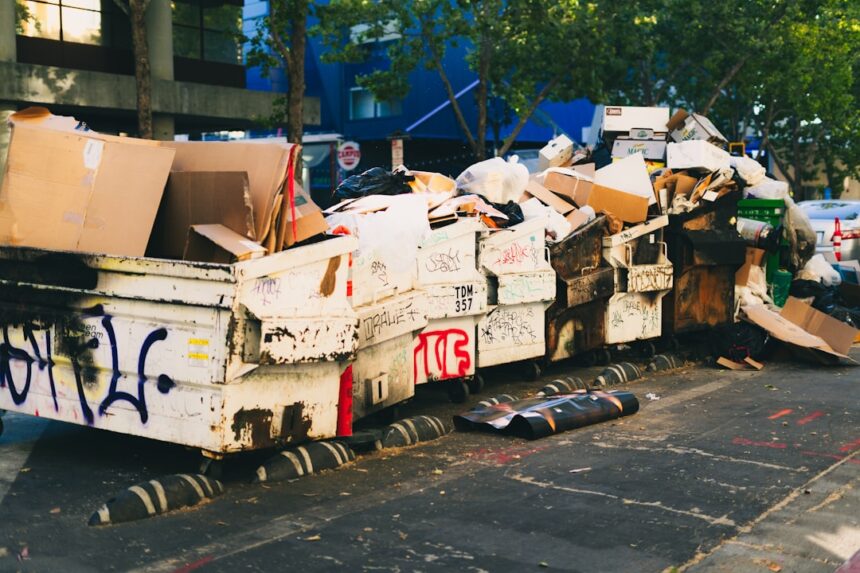
As a diligent observer within the corporate ecosystem, I have had the unique privilege – or perhaps, the unfortunate front-row seat – to what I now term “The Dumpster Meltdown.” This event, far from a singular incident, was a protracted affair, a slow-motion car crash of office politics, human error, and unchecked egos that, in hindsight, serves as a poignant case study for anyone navigating the treacherous waters of professional life. I invite you, the reader, to join me on this analytical journey, to dissect the genesis, development, and eventual fallout of a period that left an indelible mark on our department.
Every catastrophe has its precursor, its subtle tremors before the earthquake. In this case, the initial rumblings were almost imperceptible, a faint discord in the previously harmonious symphony of our workplace. I observed these early signs with a detached curiosity, unaware of the storm they portended.
The New Management Paradigm
Our company, a mid-sized firm specializing in digital marketing solutions, had recently undergone a significant restructuring. This wasn’t a hostile takeover or a merger; rather, it was an internal reshuffling, ostensibly aimed at optimizing efficiency and fostering innovation. The most prominent change was the arrival of Ms. Eleanor Vance as the new Head of Department. Her background was impressive, her resume a testament to a career built on strategic initiatives and measurable results.
- A Shift in Culture: Prior to Ms. Vance’s arrival, our department operated on a largely informal basis, emphasizing collaboration and individual autonomy. Decisions were often made through consensus, and the hierarchy, while present, was fluid. Ms. Vance, however, brought with her a more structured, top-down approach. She was a firm believer in KPIs (Key Performance Indicators) and rigid protocols. I noted early on that this change, while perhaps logically sound on paper, was a stark contrast to the established rhythm of our unit.
- The Unspoken Resentment: Many long-standing employees, accustomed to a certain degree of freedom, began to exhibit signs of quiet dissatisfaction. It wasn’t overt rebellion, but a subtle undercurrent of unease. Conversations in the breakroom grew more guarded, and the usual banter slowly faded, replaced by whispers and speculative glances. I sensed this growing chasm, a fracture line forming between the old guard and the new regime.
The Project “Phoenix” Initiative
Concurrent with Ms. Vance’s arrival was the launch of “Project Phoenix,” a company-wide initiative designed to overhaul our legacy client management system. This was a critical endeavor, promising increased efficiency and a significant competitive advantage. However, the scope was ambitious, and the timelines aggressive.
- Resource Allocation Discrepancies: I observed early on that the resources allocated to Project Phoenix, both human and technological, were stretched thin. Ms. Vance, perhaps eager to make an immediate impact, pushed for an accelerated rollout. This, in my estimation, was a critical misstep. It was like trying to construct a skyscraper with a limited number of cranes and an understaffed construction crew.
- Lack of Stakeholder Buy-in: The project, despite its strategic importance, seemed to lack genuine buy-in from the ground-level employees who would be directly implementing it. This was not due to a lack of willingness, but rather a lack of clarity and, frankly, a feeling of being railroaded. Ms. Vance’s communication style, while direct, often came across as dictatorial, leaving little room for open dialogue or constructive criticism. I noted a recurring theme: employees feeling unheard and undervalued.
In a recent article discussing the chaotic events surrounding her dumpster meltdown in the office, the implications of workplace stress and its effects on employee morale were thoroughly examined. The piece highlights how such dramatic incidents can serve as a wake-up call for organizations to reassess their work culture and support systems. For more insights on this topic, you can read the full article here: Workplace Meltdowns: A Call for Change.
The Erosion of Trust: Cracks in the Foundation
As the initial enthusiasm for Project Phoenix waned and Ms. Vance’s management style became more ingrained, I witnessed a palpable erosion of trust within the department. Trust, like a delicate crystal, once shattered, is incredibly difficult to reassemble.
The Micromanagement Syndrome
Ms. Vance’s commitment to detail, while admirable in certain contexts, veered into what I could only describe as micromanagement. Every task, no matter how minor, was subjected to intense scrutiny.
- Stifled Autonomy: I observed a noticeable decline in employee initiative. When every decision, every email, every report required Ms. Vance’s personal stamp of approval, it created a bottleneck. Employees became hesitant to act independently, fearing reprimand for deviations from prescribed methods. Innovation, once a hallmark of our department, withered under this constant supervision. It was as if a gardener, in an attempt to ensure perfect growth, constantly pulled at the nascent sprouts, effectively preventing them from taking root.
- Increased Stress and Anxiety: The constant pressure and the fear of making a mistake led to a significant increase in stress levels. I saw colleagues, usually composed and confident, showing signs of palpable anxiety. The office atmosphere, once vibrant and collaborative, grew tense and quiet. Lunch breaks became solitary affairs, and after-work gatherings, once frequent, ceased almost entirely.
The “Blame Game” Mentality
When Project Phoenix inevitably encountered hurdles – which it did, numerous and significant – Ms. Vance’s immediate response was to seek fault rather than solutions. I found this particularly concerning, as it fostered a culture of fear and self-preservation.
- Scapegoating and Public Reprimands: I witnessed several instances where individual employees were publicly singled out for project delays or errors, often without a comprehensive understanding of the underlying causes. These incidents, far from motivating improvement, instilled a deeper sense of insecurity and resentment. It was like a captain blaming his crew for a stormy sea, rather than acknowledging the inherent challenges of the voyage.
- Lack of Accountability at the Top: Interestingly, I never observed Ms. Vance taking personal responsibility for any of the project’s setbacks. The narrative always shifted to “team performance issues” or “insufficient effort” on the part of her subordinates. This perceived lack of self-awareness and accountability further alienated her from the team, deepening the existing divisions.
The Inevitable Collision: Catalysts of Chaos

The simmering tensions eventually reached a boiling point. The confluence of several key events, each a spark in a tinderbox, ignited what I have termed “The Dumpster Meltdown.”
The Missed Deadline and Client Relations
Project Phoenix, despite Ms. Vance’s relentless pushing, failed to meet its initial launch deadline. This was not a minor delay; it caused significant repercussions for a major client, placing a crucial partnership at risk.
- Public Scrutiny: The missed deadline brought immediate and intense scrutiny from upper management. Our department, usually a beacon of efficiency, was suddenly under a microscope. I observed Ms. Vance struggling to deflect criticism, her usual assertiveness replaced by a defensive posture.
- The Client Backlash: The client, understandably frustrated, escalated their concerns directly to our CEO. This was a critical turning point, as it moved the internal drama into the realm of external ramifications, highlighting the real-world impact of the department’s dysfunction. I saw the company’s reputation, painstakingly built over years, begin to fray at the edges.
The Resignation Cascade
In the immediate aftermath of the missed deadline and the subsequent internal upheaval, a series of key employees, disillusioned and exhausted, began to resign.
- Loss of Institutional Knowledge: These were not merely warm bodies; they were individuals with significant institutional knowledge, expertise, and long-standing client relationships. Their departure created massive operational gaps that were difficult, if not impossible, to fill quickly. It was like removing the keystone from an arch – the entire structure began to buckle.
- Declining Morale and “Quiet Quitting”: The resignations further decimated department morale. Those who remained often engaged in a phenomenon I observed as “quiet quitting,” where employees, while physically present, disengaged emotionally and intellectually from their work. Their productivity plummeted, and their enthusiasm evaporated. I noticed a distinct shift from proactive engagement to reactive compliance.
The Dumpster Fire: A Metaphor Made Manifest
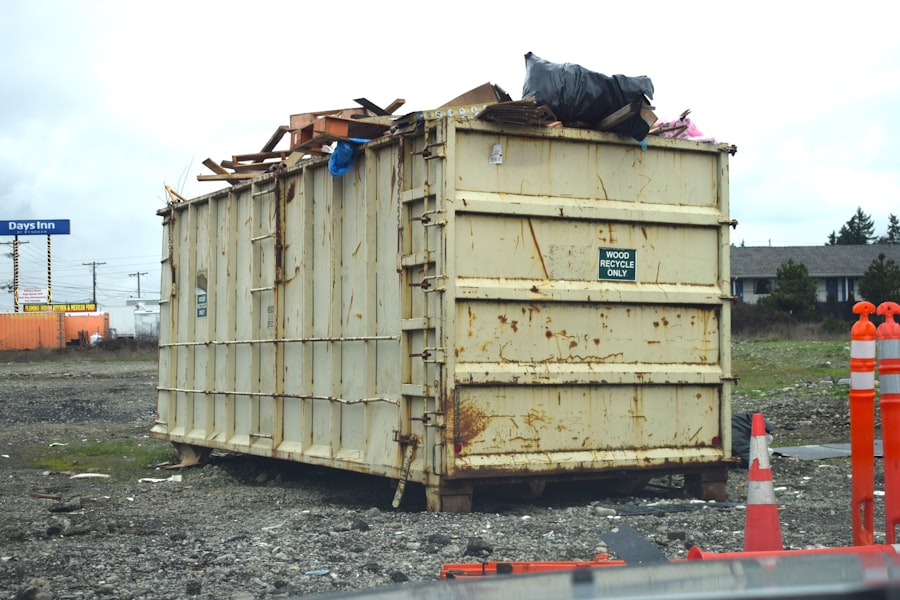
The nadir of the “Dumpster Meltdown” was a period of intense disarray and dysfunction, where the department resembled a smoldering refuse pile, emitting noxious fumes of discord and despair.
System Failures and Data Losses
The hastily implemented components of Project Phoenix, coupled with the loss of key personnel, led to a series of critical system failures and, in some instances, irretrievable data losses.
- Operational Paralysis: Our ability to serve clients effectively was severely hampered. Simple tasks became monumental challenges, and the backlog of work grew exponentially. It was as if the engine of our department, once a well-oiled machine, had seized up completely.
- Reputational Damage: The system failures and data breaches were not easily hidden. News traveled quickly, both internally and, alarmingly, to our client base. The company’s reputation for reliability and efficiency took a severe hit, a wound that would require extensive time and effort to heal. I saw the perception of our company, once robust, become tarnished, like a once-shiny medal corroded by neglect.
Public Confrontations and Internal Strife
The stress and pressure finally bubbled over into increasingly public and acrimonious confrontations within the office. The tightly wound façade of professionalism completely unraveled.
- Verbal Altercations: I witnessed several heated arguments between employees and Ms. Vance, often spilling into common areas. These exchanges, previously unheard of in our polite office environment, were deeply uncomfortable and further highlighted the breakdown of respect and civility.
- Email Controversies: The digital realm also became a battleground, with terse and often inflammatory emails circulating between employees and management. These exchanges, easily forwarded and weaponized, served only to escalate the conflict and solidify the divisions. I observed a disturbing trend where internal communication became a means of warfare rather than collaboration.
In the midst of her dumpster meltdown office drama, many have drawn parallels to the recent article discussing workplace stress and its impact on employee morale. This insightful piece highlights how similar situations can escalate if not addressed promptly, showcasing the importance of effective communication and support in the workplace. For more on this topic, you can read the full article here.
The Aftermath and Lessons Learned: Clearing the Rubble
| Metric | Value | Notes |
|---|---|---|
| Number of Participants | 5 | Employees involved in the dumpster meltdown incident |
| Duration of Incident | 15 minutes | Time from start to resolution of the meltdown |
| Number of Complaints Filed | 3 | Formal complaints submitted to HR post-incident |
| Impact on Office Productivity | 20% decrease | Estimated drop in productivity during the day of the incident |
| Follow-up Meetings Held | 2 | Meetings conducted to address the drama and prevent recurrence |
| Resolution Status | Ongoing | HR is still mediating the situation |
The “Dumpster Meltdown” eventually ran its course. The consequences were severe, but the lessons learned, I believe, are invaluable for any professional navigating the complexities of organizational dynamics.
Management Intervention and Recovery Efforts
Eventually, upper management, unable to ignore the mounting evidence of dysfunction, intervened directly. This marked the beginning of a long and arduous recovery process.
- Leadership Change: Ms. Vance was, perhaps inevitably, reassigned to a different role, away from direct departmental leadership. Her departure, while perhaps a relief to many, also left a vacuum that needed to be carefully filled.
- Rebuilding Trust and Morale: The new leadership, with a more empathetic and collaborative approach, embarked on a deliberate campaign to rebuild trust and morale. This involved open forums, individual consultations, and a renewed emphasis on psychological safety. It was a painstaking process, like restoring a dilapidated building brick by brick, but a necessary one. I observed a cautious resurgence of optimism, a flicker of light in the dimness.
The Enduring Legacy of the Meltdown
While our department eventually stabilized and began the slow climb back to its former effectiveness, the “Dumpster Meltdown” left an enduring legacy.
- Enhanced Resilience (and Cynicism): Those who weathered the storm emerged with a newfound resilience, capable of handling significant pressure. However, I also detected a subtle undercurrent of cynicism, a healthy skepticism towards grand pronouncements and promises. It was as if they had been burned once, and would always keep a wary eye on the horizon for the next potential fire.
- Valuing Soft Skills and Empathy: The experience profoundly underscored the critical importance of “soft skills” – communication, empathy, emotional intelligence – in leadership. Technical prowess, while essential, is insufficient without the ability to connect with, motivate, and genuinely care for one’s team. I came to understand that a cold, hard focus on metrics without a warm, human touch can lead to organizational frostbite. The “Dumpster Meltdown” serves as a perpetual reminder that even the most well-intentioned changes, if implemented without consideration for the human element, can quickly devolve into chaos and destruction. As an observer, I carry these lessons with me, a diligent chronicler of the delicate balance between ambition and humanity in the corporate jungle.
FAQs
What is the main theme of “Her Dumpster Meltdown Office Drama”?
The main theme revolves around a dramatic incident involving a woman experiencing a meltdown near a dumpster, which leads to significant office drama and interpersonal conflicts.
Where does the dumpster meltdown take place?
The meltdown occurs near a dumpster located close to an office building, serving as the central setting for the unfolding drama.
Who are the key individuals involved in the office drama?
The key individuals include the woman having the meltdown, her coworkers, and possibly office management or security personnel who respond to the situation.
What are the consequences of the dumpster meltdown on the office environment?
The incident typically results in heightened tensions among staff, disruptions to the workday, and may lead to discussions about workplace behavior and support systems.
How can offices prevent similar dumpster meltdown incidents?
Prevention strategies include promoting mental health awareness, providing employee support resources, encouraging open communication, and addressing workplace stressors proactively.