The Hidden Secret of My Hairbrush
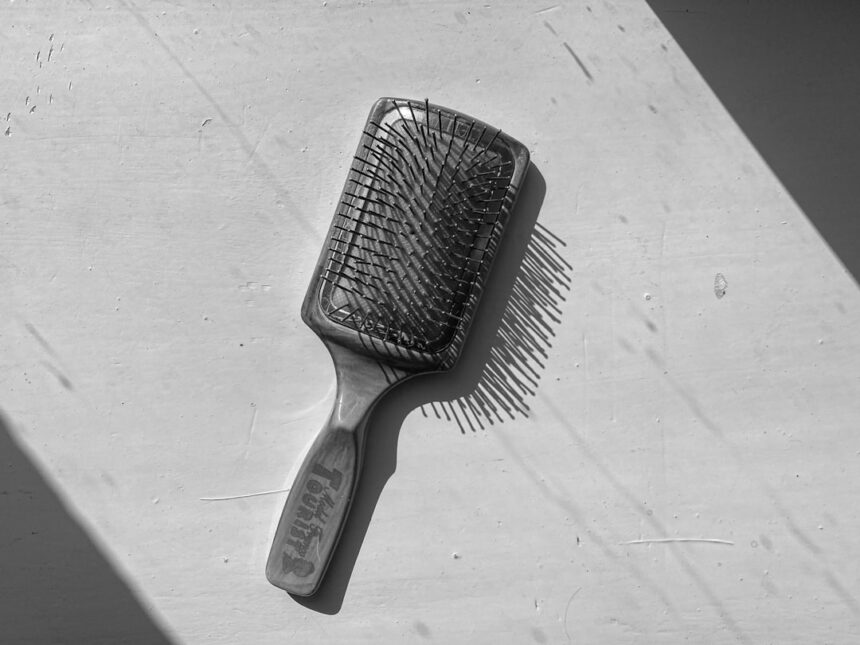
I never truly considered my hairbrush. It was a utilitarian object, a familiar presence in my daily routine, as unremarkable as the toothbrush beside my sink. Yet, like a silent confidante, it held a secret, a repository of information about my hair that I had overlooked for years. Today, I invite you to join me as I delve into the often-unseen world of our hairbrushes, to uncover the tangible narratives they weave and the subtle ways they can influence the health and appearance of our crowning glory.
My initial investigation into my hairbrush was prompted by a nagging intuition. I’d noticed my hair felt… different. Lacking its usual bounce, a tad duller, and I was shedding more than I thought was normal. The brush, sitting innocuously on my dresser, seemed like the obvious culprit, or at least, a witness to the transgression.
The Surface Deception: What We See vs. What Is There
When I first looked at my hairbrush closely, I saw what I always saw: a collection of shed hairs, some tangled, some neatly aligned with the bristles. This is the visible layer, the most obvious evidence of its work. We mentally process this shedding as normal, a natural consequence of hair growth and renewal.
The Cycle of Shedding: A Biological Necessity
Hair does not stay with us forever. Each strand has a lifespan, and with millions of follicles on the scalp, a daily shedding of 50 to 100 hairs is perfectly standard. My hairbrush becomes the catcher’s mitt for this natural process, collecting these discarded strands before they can become a nuisance elsewhere.
The Static Cling: Entrapment of the Miniscule
Beyond the visible hairs, however, lies a more insidious accumulation. Static electricity, that invisible force, plays a significant role in trapping smaller particles. Think of it as an unseen magnet, drawing in the finest dust motes, microscopic fragments of pollution, and even the lingering remnants of styling products. These particles, though invisible to the naked eye, contribute to a subtle but pervasive grubbiness on the brush.
Beyond Dust: The Residue of Daily Life
My hairbrush is not just a passive collector; it is an active participant in the daily application and removal of substances that can leave their mark. From the serums and sprays to the conditioning treatments and mousses, these products are designed to interact with my hair, and in doing so, they inevitably interact with my brush.
The Product Buildup: A Sticky Situation
Over time, the waxes, silicones, and polymers present in many hair products can leave a waxy or sticky residue on the bristles. This buildup is not a character flaw of the brush, but rather a testament to its diligent work. However, this sticky film can begin to coat new hairs as they are brushed, hindering their natural movement and shine, making them appear dull and heavy.
The Grease Trap: Natural Oils and Their Influence
My scalp, a vibrant ecosystem, produces sebum, or natural oil. This oil is essential for moisturizing my scalp and hair, giving it a healthy sheen. However, as I brush, this sebum is transferred to the bristles. While a small amount can be beneficial for distributing oils, excessive buildup can make my hair appear greasy, even after washing.
In a fascinating exploration of everyday objects, a recent article titled “The Hidden Secrets of Common Household Items” delves into the surprising history and functionality of items we often take for granted, including hairbrushes. This piece uncovers how hairbrushes have evolved over the centuries and the unique materials used in their construction, revealing secrets that many users may not be aware of. To read more about this intriguing topic, visit the article at The Hidden Secrets of Common Household Items.
The Microscopic Metropolis: A Breeding Ground for Unwanted Guests
This is where the truth, unvarnished and perhaps a little unsettling, begins to emerge. My hairbrush, when left uncleaned, transforms from a simple tool into a miniature ecosystem, teeming with life that I would prefer to keep at arm’s length.
The Uninvited Tenants: Bacteria and Fungi
This is perhaps the most critical “hidden secret” of your hairbrush. The combination of shed skin cells, residual oil, and trapped moisture creates an ideal environment for microorganisms. These microscopic entities, including bacteria and fungi, can flourish in the warm, moist environment within the bristles.
The Skin Cell Buffet: Nourishment for the Microbes
Our skin is constantly shedding its outermost layer. These dead skin cells, along with any residual oils, provide a nutrient-rich buffet for bacteria and fungi. Every time I run my brush through my hair, I am essentially transferring these microscopic leftovers, making my brush a veritable smorgasbord for these unseen organisms.
The Fungal Frontier: A Threat to Scalp Health
Certain types of fungi, naturally present on the skin, can proliferate unchecked on a dirty hairbrush. Over time, this can lead to an imbalance on my scalp, potentially contributing to issues like dandruff, itching, or even more serious infections if left unaddressed.
Bacterial Bounty: From Harmless to Potentially Problematic
While many bacteria are harmless, others can cause infections. If I have any small cuts or abrasions on my scalp, these bacteria have an open door to enter, leading to inflammation or infection. This is particularly concerning if I share my hairbrush, as I could be transferring these bacteria to others and vice versa.
The Lingering Larvae: A Less Common, But Possible Scenario
While less common in well-maintained environments, and certainly not something to panic about, it’s worth acknowledging that in certain conditions, even insects could find a temporary home. This is less about the brush itself and more about the environment it’s kept in, but it serves as a stark reminder of the biological activity that can occur.
The Impact of Neglect: A Chain Reaction on Hair and Scalp Health
The cumulative effect of these unseen accumulations is not merely cosmetic; it can have a tangible impact on the health of my hair and scalp. The neglected hairbrush becomes a silent saboteur, working against my efforts to maintain healthy, lustrous locks.
The Dullness Dilemma: Obscuring Natural Shine
A brush clogged with product residue and oils acts like a veil, obscuring the natural shine of my hair. When I brush with a dirty implement, I’m not just distributing oils; I’m distributing old, dried, and oxidized oils, along with product buildup. This creates a dull finish, making my hair appear lifeless and tired.
The Coating Effect: Preventing Natural Luster
The waxy buildup on the bristles can coat each strand of hair, preventing light from reflecting off its surface. Shine is essentially reflected light. When this surface is uneven and coated with an old film, the light refracts in a chaotic manner, resulting in a dulled appearance.
The Greasy Illusion: False Signs of Uncleanliness
As mentioned, the transfer of accumulated sebum can make my hair look greasy, even shortly after washing. This creates a vicious cycle, where I might feel the need to wash my hair more frequently, which can, in turn, strip my scalp of its natural oils and lead to further greasiness. This is the illusion of uncleanliness created by the very tool meant to groom.
The Scalp Scare: Fueling Irritation and Breakouts
The presence of bacteria and fungi on an uncleaned brush can directly affect my scalp. This can manifest as itchiness, redness, and even breakouts. My scalp, when irritated, can become dry and flaky, or prone to inflammation.
The Itch Factor: A Frustrating Consequence
The microscopic organisms thriving on the bristles can irritate the sensitive skin of my scalp, leading to an persistent and annoying itch. This is not just a minor inconvenience; it can be a daily torment, impacting my comfort and concentration.
The Breakout Blame: Pores Under Siege
When bacteria are repeatedly transferred to my scalp, especially if my pores are already susceptible, they can contribute to the formation of pimples or pustules on the scalp. These are essentially mini-infections, and a dirty brush can be a significant contributing factor.
The Hair Breakage Battle: Compromising Strand Integrity
When my hairbrush is filled with tangles and hardened product residue, it can exert undue stress on my hair strands during brushing. This increased friction and snagging can lead to breakage.
The Tangle Trap: Resistance and Ruin
A heavily soiled brush, with its bristles matted and clogged, offers more resistance when I pull it through my hair. This resistance can cause individual hairs to snag and snap, leading to split ends and noticeable breakage.
The Bristle Burn: Microscopic Damage
The hardened residue on the bristles can also act like tiny abrasions, creating microscopic damage to the cuticle of my hair. The cuticle is the outer protective layer of each hair strand. When this layer is compromised, the hair becomes weaker, more porous, and prone to further damage.
The Simple Solution: A Ritual of Restoration
The good news is that the solution to this hidden secret is remarkably simple, requiring only a small investment of time and a few basic household items. Restoring my hairbrush is not a chore; it’s an act of self-care, a small ritual that pays dividends in the health and appearance of my hair.
The Bi-Weekly Bath: A Deep Cleanse for the Bristles
I’ve found that a bi-weekly deep clean is sufficient to keep my hairbrush in optimal condition. This involves a thorough washing and sanitization process that removes all the accumulated grime and microorganisms.
The Warm Water Wash: Gentle Dissolution
The first step is a warm water wash to loosen any surface debris. I usually use a gentle dish soap or a shampoo specifically designed to remove product buildup. I work the soap through the bristles, ensuring it reaches the base of each one.
The Bristle Brush Brigade: Agitation is Key
I then use an old, soft toothbrush or a specialized brush cleaning tool to agitate the bristles. This helps to dislodge any stubborn product residue or trapped hairs. I’m quite thorough here, ensuring I get between all the bristles.
The Rinse and Repeat: Purity as the Goal
After a good scrub, I rinse the brush thoroughly under running water until all traces of soap are gone. I often repeat this process to ensure complete cleansing.
The Soaking Soak: The Power of Vinegar or Baking Soda
For a more intensive clean, especially if I notice significant buildup, I sometimes soak my brush in a solution of warm water mixed with a tablespoon of white vinegar or a teaspoon of baking soda. These natural ingredients have mild antibacterial and de-greasing properties. I let it soak for about 15-30 minutes before rinsing.
The Air Dry Advantage: Preventing Moisture Buildup
After washing, it’s crucial to allow the hairbrush to dry completely before storing it. This prevents moisture from being trapped, which can encourage the growth of bacteria and fungi.
Upside Down and Open: Facilitating Evaporation
I prefer to let my brushes air dry upside down, with the bristles facing downwards. This allows any remaining water to drip away. I also ensure the area where it’s drying has good air circulation. Avoid placing it in a closed cabinet while still damp.
The Towel Pat: A Quick Start to Dryness
A gentle pat with a clean towel can help to absorb excess water and speed up the drying process, but I still make sure to follow up with complete air drying.
In exploring the fascinating world of beauty tools, one might stumble upon a captivating article that uncovers the hidden secrets of hairbrushes. This intriguing read reveals how the design and materials of hairbrushes can significantly impact hair health and styling efficiency. If you’re curious to learn more about these essential tools and their often-overlooked features, you can check out the article here: hidden secrets of hairbrushes.
The Unveiling of Radiance: The Rewards of a Clean Brush
| Aspect | Detail |
|---|---|
| Origin | The hairbrush was originally invented in the 19th century as a tool for grooming and scalp stimulation. |
| Hidden Secret | Some vintage hairbrushes contained compartments for storing small personal items or secret messages. |
| Material | Early hairbrushes were made from natural materials like boar bristles and wood, believed to improve hair health. |
| Symbolism | In some cultures, hairbrushes symbolized beauty and femininity, often passed down as heirlooms. |
| Modern Use | Today, hairbrushes incorporate technology such as ionic bristles to reduce static and improve hair shine. |
| Interesting Fact | Some hairbrushes were designed with hidden mirrors or secret compartments for privacy and convenience. |
The transformation that occurs in my hair and on my scalp after consistently cleaning my hairbrush is, to say the least, noticeable. The hidden secret, once revealed and rectified, leads to a cascade of positive changes.
The Shine Reclamation: Reflecting Natural Brilliance
With a clean brush, the natural oils are distributed evenly and effectively, and the surface of my hair is free from obstructive coatings. This allows light to reflect properly, resulting in a significant increase in shine and vibrancy. My hair no longer looks dull; it subtly gleams with health.
The Smooth Sailing: Effortless Glide
The absence of product buildup and debris means the bristles glide through my hair with ease. This reduces snagging and pulling, making the brushing process more enjoyable and less damaging.
The Luster Lift: A Healthy Halo
The improved distribution of natural oils and the removal of dulling residues contribute to a more even and lustrous appearance across my entire head of hair. It’s like removing a filter and allowing my hair’s true radiance to shine through.
The Scalp Serenity: A Soothed and Healthy Foundation
A clean brush means a clean transfer of potential irritants. My scalp feels calmer, less itchy, and less prone to breakouts. It’s the foundation upon which healthy hair grows, and a clean brush helps maintain that healthy foundation.
The Itch Annihilator: Comfort Restored
The absence of transferred bacteria and fungi means the irritation on my scalp subsides. The incessant itching is replaced by a feeling of comfort and coolness.
The Breakout Buster: Clear Territory
With regular cleaning, my scalp is no longer a breeding ground for problematic microbes, reducing the likelihood of developing unwelcome breakouts.
The Strength Solution: Building Resilient Strands
By reducing the friction and stress caused by a dirty brush, I am actively contributing to stronger, healthier hair strands that are less prone to breakage and split ends.
The Split-End Slingshot: Less Resistance, More Resilience
When the brush glides smoothly, it minimizes the trauma to each hair strand. This allows the hair cuticle to remain intact, making the hair more resistant to mechanical damage.
The Cuticle Care: Guarding the Outer Layer
A clean brush ensures that the cuticle of my hair is treated with respect. When the cuticle is smooth and intact, my hair feels softer, looks shinier, and is better protected from environmental damage.
In conclusion, the humble hairbrush, often relegated to the background of our grooming routines, holds a powerful, hidden secret. It is a silent storyteller, a collector of the day’s triumphs and tribulations, and, if neglected, a potential saboteur of hair and scalp health. By understanding the unseen accumulations and the impact of their presence, I have learned to view my hairbrush not just as a tool, but as a vital partner in the quest for healthy, radiant hair. A regular, simple cleaning ritual unlocks this secret, revealing the natural brilliance of my hair and the serene health of my scalp. It’s a small investment of time for a significant return – a testament to the power of attending to the often-overlooked details.
FAQs
What is the hidden secret story behind the hairbrush?
The hidden secret story of the hairbrush often refers to its unexpected origins and evolution. Hairbrushes have been used for centuries, with early versions made from natural materials like wood, bone, and animal hair. The modern hairbrush design was developed in the 19th century, improving hair care and grooming practices.
Who invented the modern hairbrush?
The modern hairbrush was invented by Lyda Newman, an African American inventor, in 1898. She patented a design that featured a more durable and hygienic brush with synthetic bristles, which was a significant improvement over previous models.
How has the hairbrush evolved over time?
Hairbrushes have evolved from simple wooden combs and natural bristle brushes to a wide variety of specialized tools. Innovations include synthetic bristles, ergonomic handles, and brushes designed for different hair types and styling needs, such as detangling, smoothing, and volumizing.
Why is the hairbrush considered an important grooming tool?
The hairbrush is essential for maintaining hair health by distributing natural oils from the scalp, detangling hair, and stimulating blood circulation. It also helps in styling and keeping hair clean and manageable, making it a fundamental tool in daily personal care.
Are there any cultural or historical significances associated with hairbrushes?
Yes, hairbrushes have cultural and historical significance in many societies. In some cultures, hairbrushes and combs were symbols of status and beauty. They have also been used in rituals and as heirlooms passed down through generations, reflecting their importance beyond mere grooming tools.