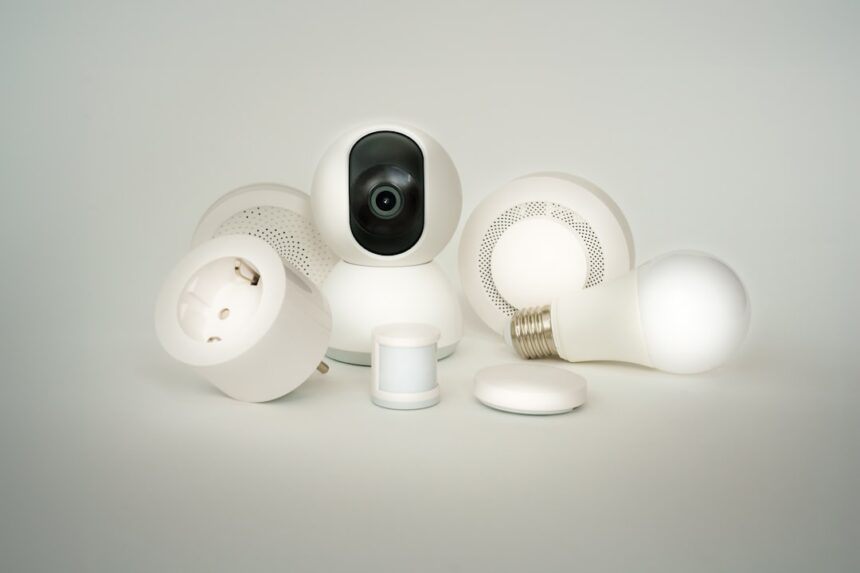
My journey through the evolving landscape of family law has brought me face-to-face with a phenomenon that, while not entirely new, is rapidly intensifying in its complexity and impact: the role of smart home technology in divorce court. As a legal professional, I’ve witnessed firsthand how these ubiquitous devices, once considered mere conveniences, have transformed into potent evidentiary tools, silent witnesses, and sometimes, unwitting accomplices in the delicate dance of marital dissolution. This isn’t a future scenario; it’s a present reality, and understanding its nuances is paramount for anyone navigating, or advising on, the tumultuous waters of divorce.
The very essence of smart home technology lies in its ability to collect data. From the moment I installed my first smart speaker, I was invited into a world of automated ease, but also into a world where my daily routines, conversations, and environmental preferences were being meticulously logged. In the context of divorce, this digital footprint becomes a virtual blueprint of marital life, offering an unprecedented level of granular detail that can profoundly influence proceedings.
Voice Assistants: Echoes in the Courtroom
Voice assistants like Amazon Alexa, Google Assistant, and Apple’s Siri are perhaps the most compelling examples of this data collection. I’ve seen instances where recordings, albeit often inadvertently made, have been submitted as evidence. These recordings, like whispered secrets finally brought to light, can range from mundane grocery lists to heated arguments.
- Evidentiary Weight: The admissibility of these recordings hinges on several factors, including state-specific wiretapping laws and the expectation of privacy. I often find myself poring over statutes to determine if one-party consent was sufficient or if a reasonable expectation of privacy was violated.
- Intent vs. Outcome: A casual question to my smart speaker about the weather might be innocuous, but a command recorded during a domestic dispute takes on an entirely different character. The intent behind the recording is rarely malicious from the device’s perspective, but its implications in court can be profound.
Smart Cameras and Doorbells: Unblinking Witnesses
My smart doorbell, designed to enhance my home security, also serves as an unblinking witness to every entry and exit. Similarly, interior smart cameras, initially installed for peace of mind, can capture a chilling narrative when a marriage unravels.
- Custody Battles: In child custody cases, footage from these devices can offer irrefutable evidence of parental behavior, sometimes contradicting verbal testimonies. I’ve seen clips demonstrating neglect or, conversely, exceptional care, shifting the scales of justice.
- Proof of Residency: For alimony or property division disputes, smart camera data can confirm or refute claims of residency, demonstrating who was present in the marital home and when. This becomes critical in establishing patterns of behavior or determining the actual “breakdown” date of the marriage.
In recent discussions surrounding smart home technology, an intriguing article highlights its implications in divorce court proceedings. The piece explores how devices like smart speakers and security cameras can serve as evidence in custody disputes and asset division. For a deeper understanding of this intersection between technology and family law, you can read the full article here: Smart Home Technology in Divorce Court.
Data Mining for Litigation: A New Frontier
The sheer volume of data generated by smart homes presents both an opportunity and a challenge. For attorneys like myself, it’s a new frontier in discovery, requiring specialized knowledge and often, forensic expertise. I find myself collaborating more frequently with tech experts who can extract, analyze, and present this data in a legally sound manner.
Geolocation and Activity Logs: Tracing Movements
Many smart home devices, particularly those integrated with personal smartphones or smart vehicles, generate detailed geolocation data. I’ve encountered cases where this information has been pivotal.
- Infidelity Claims: While not exclusively tied to smart home tech, the integration of smart devices with personal gadgets means that a digital trail can confirm or deny accusations of infidelity, painting a vivid picture of someone’s whereabouts.
- Compliance with Court Orders: Post-separation, if a court order dictates specific living arrangements or restrictions, geolocation data from shared devices can demonstrate compliance or, more often, a breach.
Thermostats and Appliance Usage: Unveiling Habits
Even seemingly innocuous data, such as thermostat settings or smart appliance usage logs, can indirectly reveal patterns of behavior.
- Financial Discrepancies: A sudden surge in energy consumption unexplained by external factors might indicate a new occupant, or a change in habits that has financial implications for shared expenses.
- Proof of Abandonment: If one spouse claims abandonment, and the smart home data shows a dramatic reduction in their presence or interaction with the home’s systems, it can corroborate such assertions.
Privacy Concerns and Ethical Quandaries: The Double-Edged Sword
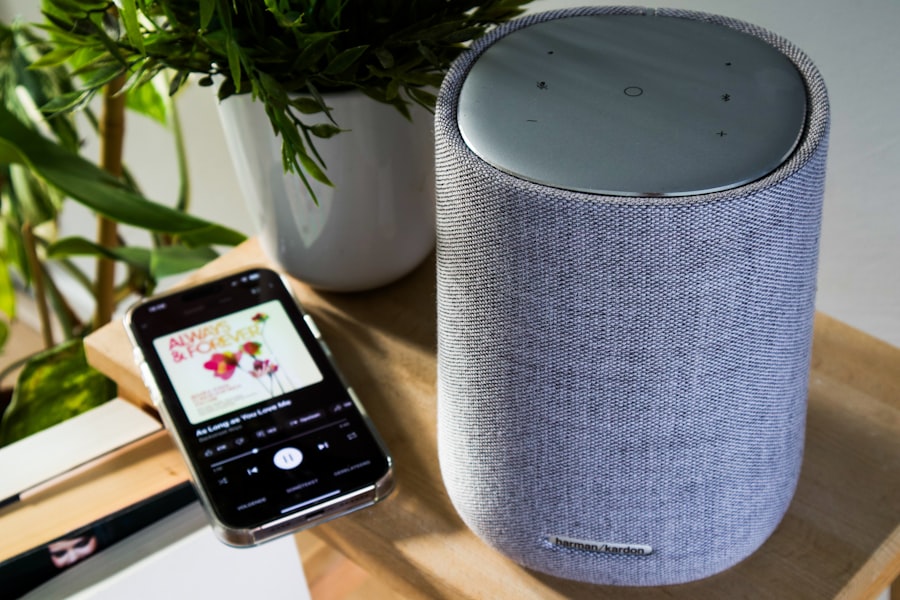
As I delve deeper into cases involving smart home tech, I am constantly confronted with the profound ethical and legal dilemmas surrounding privacy. The convenience offered by these devices comes at a cost, often an unarticulated agreement to surrender a degree of personal privacy.
Expectation of Privacy: A Shifting Legal Landscape
The foundational legal concept of ‘reasonable expectation of privacy’ is being continually re-evaluated in the age of smart homes. What I once considered private within the confines of my own home is now potentially recorded and accessible.
- Marital Privilege: The attorney-client privilege is sacrosanct, but what about marital conversations recorded without consent? I grapple with the fine line between legally permissible evidence and an egregious invasion of privacy within a marital context.
- Third-Party Access: Can a spouse claim ownership of data generated by a device owned or controlled by the other spouse? This is a legal gray area that frequently sparks intense contention in court.
Data Security and Tampering: The Integrity of Evidence
The integrity of smart home data is paramount. I’ve encountered situations where accusations of data tampering or unauthorized access have complicated proceedings.
- Chain of Custody: Establishing a clear chain of custody for digital evidence is just as crucial, if not more so, than for physical evidence. Any break in this chain can undermine the data’s credibility.
- Expert Authentication: Often, I must rely on digital forensics experts to authenticate the data, ensuring it hasn’t been altered or fabricated, a process that adds significant cost and complexity to litigation.
The Future of Smart Home Tech in Divorce: A Crystal Ball

Looking ahead, I see the role of smart home technology in divorce only expanding. As these devices become more sophisticated and integrated into every facet of our lives, so too will their potential impact on legal proceedings.
Predictive Analytics and Behavioral Patterns: Anticipating Conflict
I envision a future where advanced algorithms, analyzing smart home data, might even predict patterns of conflict or identify behaviors that could lead to marital breakdown. This isn’t about intervening, but about understanding the digital precursors to divorce.
- Early Intervention: While fraught with ethical questions, the idea of leveraging data to identify early warning signs could, hypothetically, allow for preventative measures or counseling before issues escalate to legal action.
- Personalized Legal Strategies: For attorneys, this could mean more personalized and data-driven legal strategies, tailored to the specific behavioral patterns revealed by smart home systems.
Regulatory Frameworks and Legislative Action: Adapting to Change
The current legal framework struggles to keep pace with technological advancements. I anticipate a growing need for specific legislation addressing data ownership, privacy, and admissibility of smart home data in divorce cases.
- Standardization of Discovery: There needs to be a more standardized approach to the discovery of smart home data, streamlining a process that is currently often ad hoc and contentious.
- Judicial Training: Judges and legal professionals will require ongoing training to understand the technical intricacies and legal implications of smart home technology, ensuring informed decisions.
My experience tells me that smart home technology, much like the internet before it, is not merely a tool but a foundational shift in how we live and interact. In the divorce courtroom, it serves as a powerful, albeit often silent, witness. For those navigating the complexities of marital dissolution, understanding this digital landscape is no longer optional; it is an absolute necessity. The digital footprints we leave in our homes are becoming increasingly indelible, and in the harsh light of a divorce proceeding, they can illuminate narratives that no human witness could ever fully recount.
FAQs
What types of smart home technology are commonly used as evidence in divorce court?
Smart home devices such as security cameras, smart speakers, thermostats, and lighting systems can be used to provide evidence. These devices often record audio, video, or activity logs that may be relevant in divorce proceedings.
How can data from smart home devices impact divorce cases?
Data from smart home devices can reveal information about a spouse’s whereabouts, behavior, or interactions within the home. This information can be used to support claims related to infidelity, abuse, or neglect.
Is it legal to use smart home technology data in divorce court?
The legality depends on jurisdiction and how the data was obtained. Generally, if the data is collected from devices owned jointly or with consent, it may be admissible. However, unauthorized access or privacy violations can lead to evidence being excluded.
Can smart home technology be used to monitor children during a divorce?
Yes, some parents use smart home devices to monitor their children’s safety and well-being. In custody disputes, data from these devices might be presented to demonstrate caregiving or living conditions.
What precautions should individuals take regarding smart home technology during a divorce?
Individuals should be aware of privacy settings, who has access to device data, and the potential for data to be used in legal proceedings. Consulting with a legal professional about managing smart home technology during a divorce is advisable.