I’ve had cause to delve into the intricacies of cell tower identification more times than I care to admit. It’s not a glamorous part of the job, no dramatic shootouts or daring interrogations, but rather a painstaking process of piecing together digital breadcrumbs. This ability to track cell tower IDs, to understand where a phone connected and when, has become an indispensable tool in my investigative arsenal. It’s less about a singular eureka moment and more about building a solid foundation of evidence that, when combined with other discoveries, can lead to the truth.
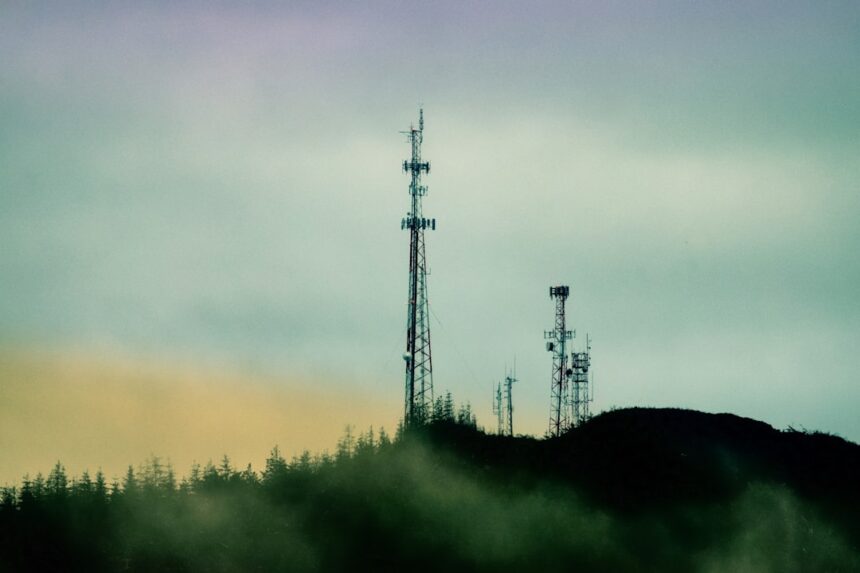
When I first started learning about this technology, the terminology felt a bit overwhelming. But at its core, it’s quite straightforward. A cell tower, also known as a base transceiver station (BTS) or cell site, is the physical infrastructure that allows mobile devices to connect to a cellular network. Every one of these towers is assigned a unique identifier.
The Nature of Cell Tower IDs
These IDs are not arbitrary; they have a structure. They often comprise a Mobile Network Code (MNC) and a Location Area Code (LAC) or Tracking Area Code (TAC), alongside a Cell ID (CID). The MNC identifies the mobile network operator – AT&T, Verizon, T-Mobile, and so on. The LAC/TAC divides a geographical area into smaller regions, helping the network manage calls and data efficiently. The CID is the most specific identifier, pinpointing a particular sector or antenna on a given tower within that region.
Network Architecture and Connectivity
The way a mobile device connects to the network is key to understanding how cell tower IDs work. When a phone is powered on and has a signal, it’s constantly communicating with the nearest cell tower. This communication isn’t just during active calls or data usage; even when idle, the device “pings” the network periodically to maintain its connection and to allow the network to locate it for incoming calls or messages. Each of these pings, or more importantly, each handover between towers as a device moves, generates data that includes the active cell tower’s ID.
The Role of the Mobile Network Operator (MNO)
The Mobile Network Operator is the gatekeeper of this information. They own and operate the cell towers and the underlying infrastructure. Consequently, they possess the records of which cell tower IDs were associated with which devices at specific times. Accessing this data, as I’ve learned, is not a matter of simply asking; it involves strict legal procedures and often involves challenging bureaucratic processes.
In recent discussions about the use of technology in legal cases, tracking cell tower IDs has emerged as a crucial method for gathering location evidence. An insightful article on this topic can be found at this link, which explores how law enforcement agencies utilize cell tower data to establish the whereabouts of individuals during criminal investigations. This method not only aids in solving cases but also raises important questions about privacy and the ethical implications of surveillance.
The Process of Obtaining Cell Tower Data
Acquiring cell tower data for investigative purposes is far from an ad-hoc operation. It’s a highly regulated and procedural undertaking, designed to balance our need for information with the privacy of individuals. I’ve spent countless hours navigating these procedures, understanding that a misstep can render vital evidence inadmissible.
Legal Frameworks and Requirements
The primary mechanism for obtaining cell tower data is through legal requests. This invariably means obtaining a subpoena, a court order, or in more serious cases, a warrant. The specific legal instrument depends on the nature of the investigation and the jurisdiction. For instance, a subpoena might be sufficient for initial inquiries, while a warrant is typically required when law enforcement is seeking information related to probable cause of a crime.
Subpoenas and their Limitations
A subpoena is a formal written order issued by a court or government agency commanding a person or entity to appear, testify, or produce documents. In the context of cell tower data, a subpoena compels the MNO to provide records of cell site connections. However, subpoenas generally require a lower standard of proof than warrants. They are often used to confirm presence or absence in an area, or to establish a timeline.
Court Orders and Warrants: A Higher Bar
A court order or a warrant requires a higher burden of proof, typically demonstrating probable cause that a crime has been committed and that the requested information will yield evidence of that crime. This higher standard reflects the more intrusive nature of the search. Obtaining a warrant involves presenting a sworn affidavit to a judge, detailing the grounds for the investigation and the necessity of the specific data sought.
Working with Mobile Network Operators
Once the legal authorization is in hand, the process shifts to interacting with the MNO. This is where patience and precision are paramount. MNOs have dedicated departments for handling such requests, and their internal processes can be complex.
The Data Request Itself
The request needs to be meticulously drafted. It must clearly specify the period of time, the geographic area of interest (if applicable, though usually it’s tied to specific devices), and importantly, the unique identifiers of the devices (like their International Mobile Equipment Identity, or IMEI, or the phone number itself). An improperly worded request can lead to delays or outright rejection.
Data Retention Policies and Accessibility
A critical factor I always consider is the data retention policies of the MNOs. They don’t store this information indefinitely. The duration varies depending on the type of data and the jurisdiction, but it’s usually in the range of months to a few years. This underscores the urgency of initiating the request as soon as possible in an investigation. Furthermore, the format in which the data is provided can vary, requiring me and my colleagues to have the technical expertise to interpret it.
The Investigative Applications of Cell Tower Data

The value of cell tower data lies not in isolation but in its ability to corroborate other evidence, establish timelines, and place individuals at specific locations. It’s a piece of the puzzle that, when fitted correctly, can paint a clearer picture of events.
Alibi Verification and Contradiction
One of the most common uses is to verify or, more often, contradict an individual’s alibi. If a suspect claims they were miles away at the time of a crime, but cell tower data shows their device connecting to towers in the vicinity of the crime scene, it directly challenges their statement.
Building a Timeline of Presence
By analyzing the sequence of cell tower IDs a device connects to, I can reconstruct a detailed timeline of a person’s movements over a given period. This allows me to see where they were, when they were there, and the routes they might have taken.
Corroborating Witness Statements
Cell tower data can also be used to corroborate or refute the statements of witnesses. If a witness claims to have seen a suspect at a particular location, the cell tower data for the suspect’s phone can either support that claim or cast doubt upon it.
Identifying Persons of Interest and Associates
This form of data can be instrumental in identifying potential suspects or witnesses who might not have been initially on our radar.
Linking Devices to Individuals
Through legal means, we can often link a specific phone number or IMEI to an individual. This allows us to then use the cell tower data associated with that device to understand their movements.
Tracking Networks and Connections
By analyzing the cell tower data of multiple devices, especially when they are in proximity to each other or connected to the same towers at crucial times, I can begin to understand potential associations and networks between individuals. This is particularly useful in organized crime investigations.
Establishing Geographic Patterns and Hotspots
Beyond individual movements, cell tower data can reveal broader patterns.
Identifying Crime Scene Proximity
If a series of crimes are occurring in a specific area, analyzing cell tower data of devices present in that area during those times can help identify common denominators or potential suspects who frequent these “hotspots.”
Understanding Movement Trends
For longer-term investigations, analyzing movement patterns can reveal trends, such as typical commuting routes, areas of frequent visitation, or even reveal unusual deviations from those patterns that might be indicative of involvement in criminal activity.
Limitations and Challenges in Utilizing Cell Tower Data

Despite its power, cell tower data is not a silver bullet. There are inherent limitations and challenges that I must always account for. Over-reliance on a single piece of evidence, especially one with potential ambiguities, can be a critical error.
Accuracy and Granularity of Location
Cell tower data, by its nature, provides a degree of geographical approximation, not precise pinpointing.
The “Circle of Uncertainty”
When a phone connects to a cell tower, it doesn’t mean the device is at the tower. It means it’s within the coverage area of that tower’s sector. This coverage area can be quite large, especially in rural settings, creating a “circle of uncertainty.” In densely populated urban environments, multiple towers might be very close, offering more precise triangulation, but it’s still not GPS-level accuracy.
Sectorization and Antenna Direction
Cell towers often have multiple antennas, each covering a specific sector. Understanding which sector a device connected to provides more granularity than just the tower ID, but it still doesn’t negate the coverage area issue.
Data Interpretation and Expert Analysis
The raw data provided by MNOs requires careful interpretation. It’s not always plug-and-play.
Deciphering the Data Formats
Each MNO might provide data in slightly different formats, requiring specialized software or expertise to process and analyze. My team and I have invested in training and tools to handle this.
Identifying Anomalies and False Positives
It’s crucial to be aware of potential anomalies. For example, a device might appear in an area due to a dropped call, a background data sync, or even a false registration with a tower. Distinguishing these from genuine presence requires careful contextualization.
Legal and Ethical Considerations
Beyond the procedural aspects of obtaining the data, there are significant legal and ethical considerations.
Privacy Rights and Surveillance
The right to privacy is a fundamental concern. The use of cell tower data must always be balanced against an individual’s right to privacy, and only used when legally justified and necessary for an investigation. Overreaching can create significant legal and public relations problems.
The “Third-Party Doctrine” and Evolving Case Law
Historically, the “third-party doctrine” suggested that individuals had no expectation of privacy in information voluntarily shared with third parties, like phone companies. However, evolving case law, particularly in the United States, is challenging this doctrine, and courts are increasingly scrutinizing government access to such data. This means staying abreast of the latest legal rulings is essential.
In recent discussions about the use of technology in legal cases, the importance of tracking cell tower IDs for location evidence has gained significant attention. This method can provide crucial data that helps establish a person’s whereabouts during a specific time frame. For a deeper understanding of how this technology is applied in real-world scenarios, you can explore a related article that delves into the implications and methodologies of using cell tower data for legal purposes. To read more about this fascinating topic, visit this article.
Advanced Techniques and Future Directions
| Date | Time | Cell Tower ID | Latitude | Longitude |
|---|---|---|---|---|
| 2022-01-01 | 08:00:00 | 12345 | 40.7128 | -74.0060 |
| 2022-01-01 | 08:15:00 | 54321 | 34.0522 | -118.2437 |
| 2022-01-01 | 08:30:00 | 67890 | 41.8781 | -87.6298 |
The field of digital forensics, including cell tower data analysis, is constantly evolving. New technologies and methods are emerging that enhance our capabilities and present new challenges.
Introduction of 5G and its Implications
The advent of 5G technology brings faster speeds and greater connectivity, but it also changes the landscape of cell tower infrastructure.
Denser Networks and Smaller Cells
5G often utilizes a much denser network of smaller cells, sometimes referred to as microcells or picocells. This means more points of connection and potentially more granular location data. However, it also means managing and analyzing a significantly larger volume of data.
New Data Points and Protocols
5G networks may generate new types of data points or utilize different protocols for device communication, requiring investigators to adapt and learn new analytical techniques.
Integration with Other Digital Forensics Disciplines
Cell tower data is most powerful when integrated with other forms of digital evidence.
Device Forensics Integration
Combining cell tower location data with data extracted directly from a suspect’s device (e.g., GPS logs, Wi-Fi connection history, app usage) provides a much more robust picture. If a device’s GPS data shows it was at a crime scene, and the cell tower data confirms its presence in that area at the same time, it’s powerful corroboration.
Social Media and Online Activity Correlation
Correlating cell tower location data with a suspect’s social media posts or online activity can provide invaluable context. For example, if someone posts a photo from a specific location at a certain time, and their cell tower data confirms their presence there, it strengthens the connection.
The Role of Artificial Intelligence and Machine Learning
AI and ML are starting to play a significant role in managing and analyzing the ever-increasing volumes of digital data.
Pattern Recognition and Anomaly Detection
AI algorithms can be trained to identify patterns in cell tower data that human analysts might miss, such as unusual travel movements or frequent connections to towers in specific areas associated with criminal activity. They can also aid in detecting anomalies that might warrant further investigation.
Predictive Analysis (with caveats)
In the future, AI might even be used for predictive analysis, suggesting potential areas of criminal activity based on movement patterns of known offenders or typical patterns observed in high-crime areas. However, this area is fraught with ethical considerations and requires extreme caution to avoid bias and profiling.
Conclusion: A Vital Tool in a Digital Age
My experience has consistently reinforced the fact that cell tower identification is not a standalone solution, but a critical component of modern investigative work. It’s a data-driven approach that requires technical understanding, legal diligence, and a keen analytical mind.
The Indispensable Nature of Location Evidence
In and of itself, cell tower data can be circumstantial. But when combined with witness testimony, physical evidence, or direct digital forensics from a device, it moves from being circumstantial to being powerfully corroborative. It provides context, substantiates timelines, and can place individuals at the heart of an investigation with a level of certainty that was unimaginable a generation ago.
The Ongoing Need for Training and Adaptation
The digital landscape is in perpetual motion. As new technologies emerge and societal norms around privacy continue to evolve, investigators must remain committed to continuous learning and adaptation. Understanding the capabilities and limitations of tools like cell tower tracking is not a static skill; it’s a dynamic necessity. It demands that we stay informed about legal precedents, technological advancements, and the ethical implications of the data we gather. It’s a responsibility I take seriously, as the insights gleaned from these digital breadcrumbs can be the difference between an unsolved case and justice.
FAQs
What is cell tower ID tracking?
Cell tower ID tracking is the process of using the unique identifiers of cell towers to determine the location of a mobile device. Each cell tower has a unique ID, and by tracking the IDs of the towers that a device connects to, its location can be determined.
How is cell tower ID tracking used for location evidence?
Cell tower ID tracking can be used as location evidence in legal cases, investigations, and law enforcement activities. By analyzing the cell tower IDs that a device connects to at specific times, authorities can determine the approximate location of the device and its user.
Is cell tower ID tracking accurate for determining location?
Cell tower ID tracking can provide a general idea of a device’s location, but it is not as accurate as GPS or other location tracking methods. The accuracy of cell tower ID tracking can vary depending on factors such as the density of cell towers in an area and the type of terrain.
What are the privacy concerns associated with cell tower ID tracking?
Cell tower ID tracking raises privacy concerns as it can potentially be used to track the movements and activities of individuals without their consent. There are also concerns about the potential for misuse of this tracking data by unauthorized parties.
Are there any legal regulations regarding cell tower ID tracking?
In some jurisdictions, there are legal regulations regarding the use of cell tower ID tracking for location evidence. These regulations may address issues such as the requirements for obtaining a warrant to use this tracking method and the limitations on its use in certain circumstances.