
As I reflect on my family gatherings, I realize that the dynamics at play are as intricate as a well-woven tapestry. Each thread represents a unique personality, a distinct set of beliefs, and a lifetime of experiences that shape how we interact with one another. Growing up, I was acutely aware of the different roles each family member played.
My grandmother, the matriarch, held the family together with her unwavering love and traditional values. My parents, while supportive, often found themselves caught in the crossfire of differing opinions and expectations. I learned early on that family gatherings were not just about food and festivities; they were a complex dance of emotions, histories, and sometimes, unresolved conflicts.
Understanding these dynamics has been crucial for me as I navigate the often turbulent waters of family interactions. Each holiday season brings with it a mix of excitement and anxiety, as I brace myself for the inevitable clashes that arise from our diverse backgrounds and beliefs. The challenge lies in recognizing that while we may share blood, our perspectives can be worlds apart.
This realization has prompted me to approach family gatherings with a sense of empathy and patience, striving to understand where each person is coming from rather than simply reacting to their words or actions.
Key Takeaways
- Understanding family dynamics is crucial for navigating holiday challenges effectively.
- Compromise and setting clear boundaries help manage conflicting dietary needs and difficult relatives.
- Open, healthy communication reduces tension and fosters a peaceful atmosphere.
- Honoring traditions while focusing on positive togetherness enhances the Thanksgiving experience.
- Employing conflict resolution strategies strengthens family relationships moving forward.
Turkey Troubles: Navigating Conflicting Dietary Restrictions
As Thanksgiving approaches, the excitement of the holiday is often overshadowed by the complexities of dietary restrictions within my family.
I find myself poring over recipes, trying to create a feast that accommodates everyone’s needs without sacrificing flavor or tradition.
The challenge is not just about food; it’s about ensuring that everyone feels included and valued at the table. I remember one particular Thanksgiving when my cousin announced she had gone vegan just weeks before the holiday. Panic set in as I scrambled to adjust our menu.
I wanted to honor her choice while still providing the classic dishes that my family had come to expect. It was a delicate balancing act, but it taught me the importance of flexibility and creativity in the kitchen. By collaborating with my family members and seeking their input, we were able to craft a menu that celebrated our diverse dietary needs while still feeling like a traditional Thanksgiving feast.
Tears and Tension: Managing Emotional Reactions
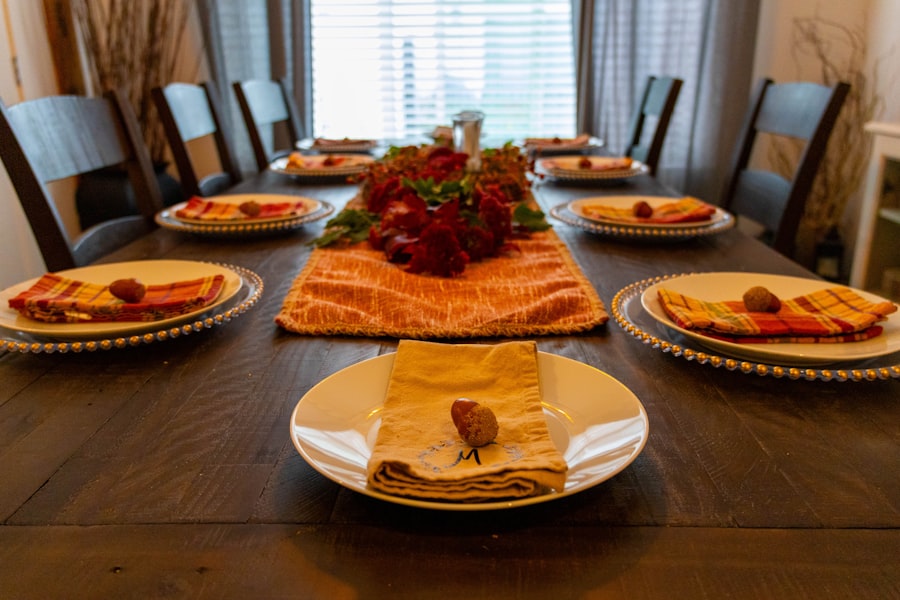
The emotional landscape of family gatherings can be tumultuous, especially during holidays like Thanksgiving. I’ve witnessed tears shed over old grievances and tensions flare over seemingly trivial matters. It’s as if the weight of unspoken issues comes to the surface during these gatherings, making it difficult to maintain a sense of harmony.
I’ve learned that managing these emotional reactions requires a delicate touch and an understanding of each person’s triggers. In one memorable instance, a simple comment about my career choice led to an unexpected outburst from my uncle. The room fell silent as he expressed his disappointment in front of everyone.
I felt my heart race as I struggled to maintain my composure. In that moment, I realized that it wasn’t just about me; it was about his own insecurities and expectations.
This experience reinforced my belief that empathy and active listening are essential tools for navigating emotional reactions during family gatherings.
The Art of Compromise: Finding Common Ground
| Aspect | Description | Key Metric | Example |
|---|---|---|---|
| Communication | Open and honest dialogue to understand all perspectives | Percentage of parties actively listening (%) | 85% of participants reported feeling heard |
| Flexibility | Willingness to adjust positions and consider alternatives | Number of alternative solutions proposed | 3 alternatives per negotiation session |
| Mutual Benefit | Outcomes that satisfy the core interests of all parties | Rate of agreements meeting all parties’ needs (%) | 75% of compromises met key interests |
| Trust Building | Establishing confidence to foster cooperation | Trust score on a scale of 1-10 | Average trust score increased from 5 to 8 |
| Conflict Resolution Time | Duration taken to reach a compromise | Average time in hours | 4 hours per negotiation session |
Compromise is an art form that I’ve come to appreciate in my family interactions. With so many differing opinions and preferences, finding common ground can feel like an uphill battle. However, I’ve learned that approaching discussions with an open mind can lead to unexpected solutions.
For instance, when planning our Thanksgiving menu, I often suggest a potluck-style meal where each family member contributes a dish. This not only alleviates some of the pressure on me but also allows everyone to bring something they love to share. One year, after much deliberation, we decided to incorporate a “family favorite” dish from each member into our Thanksgiving spread.
This compromise not only honored our individual tastes but also created a sense of unity as we celebrated our diverse culinary backgrounds. By focusing on what we could agree upon rather than what divided us, we transformed our gathering into a celebration of our unique identities while still honoring our shared traditions.
Setting Boundaries: Dealing with Difficult Relatives
Navigating family dynamics often means setting boundaries with difficult relatives. I’ve learned that it’s essential to protect my emotional well-being while still maintaining relationships with those who may not always see eye to eye with me. Establishing boundaries can be challenging, especially when it comes to sensitive topics like politics or personal choices.
However, I’ve found that being clear about my limits can help prevent unnecessary conflict. During one particularly heated Thanksgiving dinner, my aunt began discussing her controversial views on social issues. As tensions rose around the table, I realized it was time to intervene.
With a calm demeanor, I gently redirected the conversation toward lighter topics, emphasizing our shared love for family traditions instead. This experience taught me that setting boundaries doesn’t have to be confrontational; it can be done with grace and respect for everyone involved.
Communication is Key: Tips for Healthy Dialogue

Effective communication is vital for fostering healthy relationships within my family. Over the years, I’ve discovered several strategies that help facilitate open dialogue during gatherings. One approach is to practice active listening—truly hearing what others are saying without immediately formulating my response.
This not only shows respect for their opinions but also encourages them to reciprocate when it’s my turn to speak. Another technique I’ve found helpful is using “I” statements instead of “you” statements when discussing sensitive topics. For example, instead of saying “You always interrupt me,” I might say, “I feel overlooked when I’m interrupted.” This subtle shift in language can diffuse defensiveness and promote understanding among family members.
By prioritizing clear communication and mutual respect, I’ve been able to foster healthier conversations during our gatherings.
Creating a Peaceful Atmosphere: Managing Stress and Anxiety
The hustle and bustle leading up to Thanksgiving can be overwhelming, often resulting in heightened stress and anxiety for everyone involved. To create a peaceful atmosphere during our gatherings, I’ve learned the importance of self-care and mindfulness practices leading up to the event. Taking time for myself—whether through meditation, exercise, or simply enjoying quiet moments—helps me approach family interactions with a calm mindset.
On the day of Thanksgiving itself, I make it a point to set the tone early by playing soft music in the background and lighting candles around the dining area. These small touches create a warm ambiance that encourages relaxation and connection among family members. Additionally, I encourage everyone to take breaks if needed—stepping outside for fresh air or engaging in lighthearted games can help alleviate tension and foster a more enjoyable atmosphere.
Thanksgiving Traditions: Honoring Family Customs
Thanksgiving traditions hold a special place in my heart, serving as reminders of our shared history and values as a family. Each year, we gather around the table to share stories from past holidays—reminiscing about the laughter and love that have defined our celebrations over the years. These traditions not only strengthen our bonds but also provide a sense of continuity amidst life’s changes.
One cherished tradition is our annual gratitude circle, where each person takes turns expressing what they are thankful for before we dig into the feast. This simple act fosters appreciation and reflection among us all, reminding us of the blessings we share despite any differences we may have. By honoring these customs, I feel a deeper connection to my family’s legacy while also creating new memories for future generations.
Finding Joy in Togetherness: Focusing on the Positive
Amidst the chaos of family gatherings, it’s essential for me to focus on the joy of togetherness rather than getting bogged down by conflicts or disagreements. I’ve learned that shifting my perspective can make all the difference in how I experience these moments with my loved ones. Instead of fixating on what might go wrong or who might clash with whom, I actively seek out opportunities for laughter and connection.
During one particularly challenging Thanksgiving filled with disagreements over politics and personal choices, I decided to initiate a fun trivia game about our family history after dinner. The laughter that ensued reminded us all of our shared experiences and brought us closer together despite our differences. By prioritizing joy and connection over conflict, I’ve found that family gatherings can become cherished memories rather than sources of stress.
Resolving Conflict: Strategies for Conflict Resolution
Conflict is an inevitable part of any family gathering, but how we choose to address it can significantly impact our relationships moving forward. Over time, I’ve developed several strategies for resolving conflicts in a constructive manner. One approach is to address issues privately rather than airing grievances in front of everyone else at the table—this helps prevent escalation while allowing for honest dialogue.
When conflicts arise during gatherings, I strive to remain calm and composed rather than reacting impulsively out of frustration or hurt feelings. Taking deep breaths and allowing myself time to process before responding has proven invaluable in diffusing tense situations. Additionally, seeking common ground or compromise can help bridge divides between differing opinions—reminding us all that we’re ultimately on the same team: family.
Moving Forward: Building Stronger Family Relationships
As I reflect on my experiences navigating family dynamics during Thanksgiving gatherings, I recognize that each challenge has contributed to building stronger relationships within my family unit. By embracing empathy, open communication, and compromise, I’ve fostered an environment where love prevails over conflict—even amidst differing opinions or dietary restrictions. Moving forward, I remain committed to nurturing these relationships by prioritizing connection over discord during future gatherings.
Each holiday serves as an opportunity for growth—both individually and collectively—as we learn from one another’s perspectives while celebrating our shared history together. Ultimately, it’s this commitment to understanding and compassion that will continue strengthening our familial bonds for years to come.
In the spirit of family gatherings and the complexities that often arise during Thanksgiving, you might find the article on family dynamics particularly insightful. It delves into the nuances of familial relationships and how they can be both a source of joy and tension during the holiday season. For more on this topic, check out the article here.
WATCH THIS! The Thanksgiving Dinner Guest Who Brought DNA Evidence
FAQs
What is a family drama Thanksgiving special?
A family drama Thanksgiving special is a television episode or film centered around family dynamics and emotional storylines that take place during the Thanksgiving holiday. These specials often explore themes of togetherness, conflict, reconciliation, and gratitude.
When do family drama Thanksgiving specials typically air?
Family drama Thanksgiving specials usually air in the weeks leading up to or on Thanksgiving Day itself. Networks and streaming platforms often schedule these episodes to coincide with the holiday season to attract viewers looking for seasonal content.
What are common themes in family drama Thanksgiving specials?
Common themes include family conflicts, generational differences, forgiveness, the importance of family bonds, overcoming misunderstandings, and celebrating gratitude despite challenges.
Are family drama Thanksgiving specials suitable for all ages?
Most family drama Thanksgiving specials are designed to be family-friendly, but the content can vary. Some may include mature themes or emotional scenes, so it’s advisable to check the rating or description before viewing with younger children.
Can family drama Thanksgiving specials be found on streaming platforms?
Yes, many family drama Thanksgiving specials are available on popular streaming services such as Netflix, Hulu, Amazon Prime Video, and network-specific platforms. They can often be found by searching for holiday or Thanksgiving-themed content.
Do family drama Thanksgiving specials feature recurring characters or standalone stories?
Both formats exist. Some specials are part of ongoing TV series featuring recurring characters, while others are standalone films or one-time episodes created specifically for the holiday.
Why are family drama Thanksgiving specials popular?
They resonate with audiences because they reflect real-life family experiences during the holidays, combining emotional storytelling with themes of love, conflict, and reconciliation that many viewers find relatable and comforting.