
The sterile white of the laboratory felt alien, a stark contrast to the comfortable normalcy I’d always known. Beside me, my twin, Sarah, mirrored my anxious fidgeting. We’d grown up as an inseparable unit, two halves of a whole, our reflections in the mirror perpetually reinforcing that unspoken certainty. Identical twins, everyone had always said. The very definition of that phrase seemed etched into the fabric of our existence. But there was a nagging whisper, a faint dissonant chord in the symphony of our shared identity that had recently grown louder.
For years, the notion of us being identical twins was simply a given, an unquestioned axiom of our lives. We shared the same birthdate, the same parents, and, from what we could see, strikingly similar features. Yet, as we navigated the complexities of adulthood, subtle deviations began to surface, less like cracks in a solid foundation and more like hairline fractures, barely perceptible but present nonetheless. It started with small things, observations that, in retrospect, were the first tremors of a seismic shift in our understanding of ourselves.
Childhood Memories: A Palette of Similarities
Growing up, our likeness was a constant source of amusement for our family. Grandparents would mistake us, friends would puzzle over who was who, and even our parents occasionally had to do a double-take. Our childhood photo albums are a testament to this perceived uniformity. There we are, two miniature versions of the same person, adorned in matching outfits, our smiles perfectly synchronized. The narratives woven around our twinship were always about our uncanny resemblance, solidifying the belief that we were biological carbon copies. This ingrained perception created a powerful subconscious blueprint for our identities.
The Emergence of Divergence: Whispers in the Mirror
As we matured, the mirror began to reflect not just our shared features but also subtle divergences. My hair, for instance, had always been a shade darker, my complexion a touch warmer than Sarah’s. While these were minor variations, they were persistent. Sarah developed a distinct mole on her left cheek, a mark I never possessed. My eyes, while the same hazel hue, seemed to possess a slightly different glint, a subtle shift in the light that seemed to set them apart. These were not dramatic differences, but rather the slow, steady erosion of a perfect match, like grains of sand shifting on a beach.
External Perceptions: The Mirror Held by Others
The world around us also played a role in shaping our understanding. Teachers, nurses, even strangers would comment on our identical nature. “Oh, you’re the twins!” was a common refrain, often accompanied by a pleased smile. This constant reinforcement, this external validation of our identical status, created a feedback loop that solidified the belief within ourselves. It was as if the world was holding up a polished mirror, showing us only what it expected to see, and we, in turn, learned to see ourselves through that lens.
In exploring the fascinating world of twins and their genetic differences, an intriguing article titled “Understanding Why Twins Can Look Different” delves into the complexities of DNA and environmental factors that contribute to their unique appearances. This piece provides valuable insights into how even identical twins can exhibit variations in traits due to epigenetics and other influences. For more information, you can read the article here: Understanding Why Twins Can Look Different.
The Unsettling Discrepancies: Beyond Mere Physical Traits
The physical differences, while noticeable, were not the primary instigators of our deeper unease. It was the accumulation of these subtle physical deviations, coupled with an increasing awareness of distinct personality traits and even certain health predispositions, that began to plant the seeds of genuine doubt. These weren’t just aesthetic preferences; they felt like fundamental differences chipping away at the edifice of our identical twinship.
Eye Color Nuances: A Deeper Shade of Difference
While we both had hazel eyes, a closer examination revealed a subtle disparity. My irises seemed to have a richer, deeper brown undertone, with flecks of golden amber that were more pronounced. Sarah’s hazel eyes, while beautiful, leaned more towards a lighter, greener hue, with fewer prominent amber flecks. This might seem like a superficial observation, but when you’ve been told your entire life that you are identical, even the slightest deviation in something as fundamental as eye color can feel like a significant anomaly. It was like finding a discordant note in a beautifully harmonized melody.
Hair Texture and Growth Patterns: A Tangible Disparity
Our hair, too, presented its own set of peculiarities. While both of us had wavy hair, mine tended to be coarser and more prone to frizz, requiring a more diligent moisturizing routine. Sarah’s hair, conversely, was silkier and fell in more defined waves, needing less product to achieve a polished look. Furthermore, the way our hair grew differed. My hairline was slightly higher on my forehead, creating a different facial frame than Sarah’s. These were not just cosmetic concerns; they were tangible, observable differences that spoke to underlying biological variations.
Dental Records: Unforeseen Contrasts
When a routine dental check-up involved a comparison of our X-rays, a surprising observation emerged. The alignment of our molars, while generally similar, exhibited a subtle but discernible difference in their root structure. This was a discovery that truly began to shake the foundations of our belief. Dental records are often used in identification processes for precisely this reason – they are highly unique. This finding, while seemingly minor in the grand scheme, felt like a definitive crack in the facade of our identical twinship.
The Decision to Test: Seeking Definitive Answers

The growing list of discrepancies, the quiet whispers of doubt that had become a persistent murmur, eventually led to a pivotal decision. The ambiguity was no longer sustainable. We needed concrete answers, a definitive resolution to the question that had begun to consume our thoughts. The idea of a DNA test, once unthinkable, now seemed like the only logical path forward, a scientific compass to navigate the uncharted territory of our origins.
Confronting the Unthinkable: The Emotional Weight
The very act of considering a DNA test was a weighty one. It meant confronting the possibility, however remote, that the narrative we had lived for so long might be incomplete or even inaccurate. There was a profound emotional investment in the idea of being identical twins, a sense of shared destiny that was deeply comforting. To question that was to question a fundamental aspect of ourselves and our relationship. It felt akin to standing at the edge of a familiar shore, contemplating a leap into an unknown ocean.
The Search for a Reputable Laboratory: A Scientific Quest
Once the decision was made, our focus shifted to finding a reliable and reputable DNA testing facility. This wasn’t a casual undertaking; it was a scientific quest for truth. We researched different companies, scrutinizing their methodologies, their privacy policies, and the clarity of their reporting. The stakes were high, and we wanted to ensure that the results we received were as accurate and trustworthy as possible. We were looking for a beacon of scientific integrity in a sea of information.
The Swab and the Wait: Anticipation and Anxiety
The actual process of collecting samples was straightforward – simple cheek swabs. Yet, the period of waiting for the results was agonizing. Each day stretched into an eternity, filled with a mixture of eager anticipation and a gnawing anxiety. We tried to distract ourselves, to go about our normal lives, but the underlying question lingered, an ever-present companion. The laboratory, a silent arbiter of our genetic truth, held our future in its hands.
The Astonishing Revelation: A Genetic Landscape Unveiled
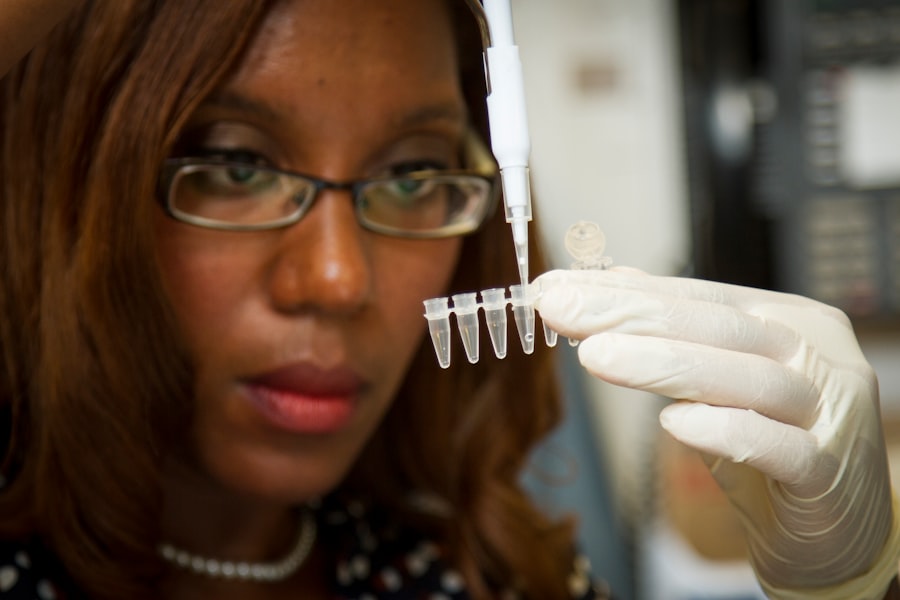
The day the results arrived, the air in our shared apartment felt thick with anticipation. We sat together, our hands clasped, as we opened the sealed envelope containing the report. The document was filled with scientific jargon, but the summary section was stark and unambiguous. The revelation was not what we, or anyone else, had ever expected. It was a narrative of genetic divergence, a story written in the language of nucleotides that contradicted years of our lived experience.
Monochorionic Diamniotic Twins: A New Terminology
The report clarified that we were, in fact, monochorionic diamniotic twins. This classification, while seemingly technical, held the key to our unique situation. Monochorionic twins share a single placenta, which often leads to a higher degree of physical similarity. Diamniotic means we each had our own amniotic sac. This explanation, while scientifically sound, didn’t immediately erase the feeling of surprise. It was like learning that a well-worn map, though accurate in its broad strokes, had a secret, uncharted territory.
The Role of Genetic Mutations: The Tiny Architects of Difference
The report detailed that despite sharing the vast majority of our DNA, there were minor differences, attributed to somatic mutations. These are changes that occur in DNA after conception, during cell division. While most somatic mutations are harmless and go unnoticed, they can accumulate over time and lead to subtle – or occasionally significant – variations between identical twins. It was a humbling reminder that even in the most intimate of biological bonds, there is room for individuality to blossom. These mutations acted as tiny, unseen architects, sculpting our unique identities.
The Implications for Our Identity: A Redefined Bond
The implications of these findings were profound. While we were biologically still identical twins, the revelation introduced a layer of complexity to our understanding of identity. It wasn’t a diminishment of our twinship, but rather an enrichment, a deeper appreciation for the intricate dance of shared genes and individual development. The bond we shared was not solely defined by our genetic sameness, but by a richer tapestry of shared history, parallel experiences, and a love that transcended mere biological blueprint.
Twins can often appear quite different from one another, leading to intriguing questions about their genetic makeup. A fascinating article explores this phenomenon and discusses how even identical twins can have variations in their DNA that contribute to their distinct appearances. If you’re curious to learn more about the science behind this, you can read the full article here. Understanding these differences can shed light on the complexities of genetics and the factors that influence our physical traits.
Navigating the New Reality: Embracing a Unique Twinship
| Metric | Explanation | Typical Values/Notes |
|---|---|---|
| Type of Twins | Classification based on zygosity | Monozygotic (identical), Dizygotic (fraternal) |
| DNA Similarity Percentage | Genetic similarity between twins | Monozygotic: ~99.9%, Dizygotic: ~50% |
| Phenotypic Differences | Observable physical differences despite genetic similarity | Can vary due to epigenetics, environment, mutations |
| Epigenetic Variation | Differences in gene expression regulation | Increases with age, can cause physical differences |
| Mutation Rate | New genetic mutations occurring post-zygotically | Low but can contribute to differences |
| Environmental Influence | Non-genetic factors affecting appearance | Nutrition, lifestyle, exposure to elements |
| DNA Test Accuracy | Reliability of tests distinguishing twin zygosity | Over 99.9% accurate for standard tests |
| Common DNA Tests Used | Types of tests to determine twin zygosity | STR analysis, SNP genotyping, Whole genome sequencing |
The initial shock eventually subsided, replaced by a profound sense of wonder and acceptance. The DNA test had not diminished our connection; it had, in many ways, deepened it. It forced us to look at each other with new eyes, to appreciate the subtle nuances that made us distinct individuals, even within the framework of a shared origin. Our twinship, once perceived as a perfect echo, was now understood as a beautiful, complex harmony.
A Celebration of Individuality within Sameness
Instead of seeing the differences as a betrayal of our identical twin status, we began to see them as a testament to the power of individuality. It was a reminder that even within the most genetically similar beings, the unique journey of life, the environment, and the countless small events that shape us all contribute to forging distinct personalities and physical expressions. We were like two identical seeds, planted in the same soil, but growing into trees that, while sharing a common root system, would unfurl their branches in their own unique ways.
Reinforcing Our Shared History and Unique Journeys
The DNA results did not erase our shared childhood, our intertwined adolescence, or the countless memories we had forged together. Instead, it provided a new lens through which to view our history. We could now see how these subtle genetic variations might have subtly influenced our individual experiences and preferences, even as we navigated life side-by-side. Our shared experiences became not just a product of our sameness, but a powerful force that bound us together, regardless of the minute genetic differences.
A Deeper Understanding of Nature vs. Nurture
This experience offered a personal, real-world illustration of the intricate interplay between nature and nurture. While our “nature” was remarkably similar, our “nurture” – the accumulation of our individual experiences and environmental influences – had undeniably shaped us into the distinct individuals we are today. The DNA test served as a powerful reminder that genetics is but one piece of the complex puzzle of human identity, and that nurture plays an equally, if not more, significant role in shaping who we become.
The Enduring Strength of Our Bond
Ultimately, the discovery that we were not “identical” in the strictest biological sense of the term did not diminish the profound, unbreakable bond between us. If anything, it solidified it. Our twinship is built on a foundation far sturdier than a perfect genetic match. It is woven from shared laughter, mutual support, a deep understanding that transcends words, and a love that has been nurtured and tested over a lifetime. The DNA test was a scientific exploration, but the true essence of our twinship remains an emotional and spiritual connection, a testament to a bond that is as resilient as it is unique. We are Sarah and [Your Name], two individuals, two sisters, and irrevocably, two extraordinary twins, whose story is far more fascinating for its beautiful, unexpected complexities.

WATCH NOW ▶️ My Twins Proved My Family Stole $2,000,000
FAQs
Why do some twins look different even if they share the same DNA?
Identical twins share nearly identical DNA, but environmental factors, gene expression, and epigenetic changes can cause differences in appearance. These factors influence how genes are turned on or off, leading to variations in traits such as hair color, skin tone, and facial features.
Can a DNA test distinguish between identical and fraternal twins?
Yes, a DNA test can differentiate between identical and fraternal twins. Identical twins have nearly identical DNA profiles, while fraternal twins have different genetic makeups, similar to regular siblings.
Is it possible for identical twins to have different DNA?
While identical twins originate from the same fertilized egg and generally have the same DNA, minor mutations can occur after the split, leading to slight genetic differences. However, these differences are usually very small and do not significantly affect their overall genetic similarity.
What types of DNA tests are used to analyze twins?
Common DNA tests for twins include STR (Short Tandem Repeat) analysis and SNP (Single Nucleotide Polymorphism) genotyping. These tests examine specific genetic markers to determine whether twins are identical or fraternal.
Can environmental factors influence the physical differences seen in identical twins?
Yes, environmental factors such as nutrition, exposure to sunlight, lifestyle, and health conditions can influence physical differences between identical twins. These factors can affect gene expression and contribute to variations in appearance and health.