I’ve always considered myself a meticulous person, someone who values accuracy and truth. So, when I delved into the increasingly complex world of dog DNA testing, particularly concerning paternity, I was unprepared for the Pandora’s Box I would eventually unearth: the unsettling reality of dog DNA test paternity fraud. It’s not a common dinner table conversation, but as a pet owner and enthusiast, I feel it’s my duty to shed light on this murky corner of the canine world.
The burgeoning popularity of dog DNA tests has been a fascinating phenomenon to witness. What began as a niche offering has exploded into a mainstream service, with companies vying for market share. I remember the early days when these tests were primarily for breed identification, a fun novelty for mixed-breed owners curious about their furry friend’s genetic heritage.
Initial Motivations for Testing
My own initial foray into dog DNA testing was driven by curiosity. I had adopted a rescue, and like many, I wanted to understand his background. Was he a blend of several common breeds, or did he possess a rarer lineage? This simple desire for knowledge is, I believe, the bedrock of the entire industry.
- Breed Identification: This remains the most popular reason, helping owners understand potential health predispositions and temperament traits.
- Genetic Health Screening: As the technology advanced, so did the scope of tests. Identifying carriers for genetic diseases became a crucial aspect, allowing responsible breeders to make informed breeding decisions.
- Trait Analysis: Predicting coat type, adult size, and other physical characteristics added another layer of appeal for many.
The Leap to Paternity Testing
It was a logical progression, once the foundational technology for individual identification was established, to apply it to kinship. If we could identify a dog, why not their parents? Paternity testing for dogs emerged as a sophisticated tool, initially embraced by ethical breeders keen on maintaining accurate pedigree records and ensuring genetic diversity.
- Verifying Pedigree: For registered purebreds, precise lineage is paramount. Paternity tests offer an irrefutable verification, a genetic timestamp, if you will.
- Resolving Breeding Disputes: When multiple sires are involved, or questions arise about a breeding, DNA paternity testing becomes the ultimate arbiter, cutting through speculation like a sharp scalpel.
- Preventing Inbreeding: Understanding genetic relationships is vital for preventing unhealthy inbreeding, safeguarding the long-term health of a breed line.
Dog DNA testing has gained popularity not only for health insights but also for addressing paternity fraud in breeding practices. A related article discusses the implications of these tests in ensuring ethical breeding and maintaining breed standards. For more information on this topic, you can read the article here: Dog DNA Test and Paternity Fraud.
The Shadowy Underbelly: Defining Paternity Fraud
As with any system built on trust and information, there’s always the potential for manipulation. Dog DNA test paternity fraud is the deliberate misrepresentation of a dog’s parentage, often with financial or reputational gain as the primary motivator. It’s a distortion of the genetic truth, a stain on the integrity of breeding practices.
Understanding the Mechanics of Deception
One might wonder how such an act is even possible. Isn’t DNA irrefutable? While DNA itself doesn’t lie, the information presented alongside it can be cunningly altered. The deception typically occurs not at the genetic analysis level, but in the sample collection and submission process.
- Sample Swapping: This is perhaps the most straightforward and brazen method. A breeder might collect a sample from one stud dog but submit it under the name of a different, more desirable, sire. It’s like a shell game, but instead of shells, we have DNA swabs.
- Mislabeling Samples: A slight variation where the correct sample is taken, but deliberately mislabeled before submission to the testing laboratory. This can be more difficult to detect without strict chain-of-custody protocols.
- Falsifying Documentation: Even with accurate DNA results, accompanying paperwork such as litter registrations or breeding records can be fabricated or altered to align with a fraudulent claim. The DNA might tell one story, but the paper tells another.
- Using a “Ghost” Stud: In some elaborate schemes, a breeder might claim a puppy is sired by a particular stud that isn’t even alive or accessible, effectively creating a fictional lineage.
Motivations Behind Paternity Fraud
Why would someone engage in such deceit? The answer, as is often the case, boils down to a blend of financial incentives and strategic maneuvering. It’s a calculated risk, driven by the perceived rewards.
- Increased Stud Fees: A prized stud dog, particularly one with impressive show records or desirable genetics, commands higher stud fees. Claiming puppies are from such a sire, even if they aren’t, allows a dishonest breeder to charge more for their offspring.
- Enhanced Puppy Value: Puppies from a lineage with champions or sought-after traits fetch premium prices. Fraudulently assigning a prestigious father can significantly inflate a puppy’s market value, much like a brand name on a product.
- Maintaining a Reputation: A breeder might have a less-than-stellar stud or an accidental breeding they wish to conceal. Falsifying paternity allows them to maintain a facade of responsible breeding and preserve their reputation.
- Circumventing Breeding Restrictions: Some breeding contracts or kennel club rules might place restrictions on who can breed with whom. Fraud can be a way to sidestep these regulations.
- Concealing Inbreeding: As I mentioned earlier, avoiding inbreeding is crucial. If an accidental inbreeding occurs, a dishonest breeder might falsify paternity to hide this fact from buyers and kennel clubs.
Identifying the Red Flags: My Experience as a Discerning Buyer
As someone who values ethical breeding, I’ve become increasingly vigilant. I’ve learned to look beyond the surface, to scrutinize claims, and to recognize the subtle cues that might indicate something is amiss. It’s a bit like being a detective, piecing together clues.
Unusual Pedigree Claims and Inconsistencies
One of the first alarm bells to ring for me is when pedigree claims seem too good to be true, or when inconsistencies pop up in discussions. When a breeder presents a pedigree adorned with numerous champions, yet struggles to provide verifiable details or consistent stories, my radar goes up.
- Lack of Verifiable Information: If a breeder is hesitant or unable to provide registration numbers, show records, or contact information for the supposed sire’s owner, it’s a significant red flag. Trustworthy breeders are transparent.
- Discrepancies in Appearance: While not definitive, if puppies from a supposed sire possess physical traits strikingly different from what would be expected, it warrants further investigation. Genetics aren’t always perfectly predictable, but significant deviations are noteworthy.
- Sudden Changes in Breeding Plans: A breeder abruptly changing their claimed sire for a litter shortly before puppies are advertised could be a suspicious sign, especially if the new sire is significantly more prominent.
The Importance of Independent Verification
I’ve come to believe that one should never simply take a breeder’s word at face value, no matter how charming or reputable they appear. The onus is on the buyer to exercise due diligence. This is where independent verification becomes your shield.
- Direct Contact with Stud Owners: For me, a crucial step is contacting the owner of the claimed stud dog directly. I ask them to confirm mating dates, litter details, and to verify the breeder’s claims. An ethical stud owner will be happy to assist.
- Utilizing Kennel Club Databases: Official kennel club registries are invaluable resources. I cross-reference claimed pedigrees with these databases to ensure consistency and validity. Discrepancies here can be a strong indicator of fraud.
- Insisting on Third-Party DNA Testing: This is the ultimate safeguard. As a buyer, I now insist on conducting my own paternity test on the puppy, with the samples collected by an independent veterinarian and sent to a reputable laboratory. This removes any opportunity for sample manipulation by the breeder. I consider this a non-negotiable step in my purchasing process.
The Mechanics of a Dog DNA Paternity Test: A Closer Look
Understanding the science behind these tests can empower you as a buyer. It demystifies the process and allows you to better appreciate its accuracy and pinpoint where fraud can occur.
The Science Behind Canine Paternity
At its core, dog DNA paternity testing relies on comparing specific genetic markers between the alleged sire, the dam, and the offspring. Think of these markers as unique genetic fingerprints.
- STR Markers: Short Tandem Repeats (STRs) are specific regions of DNA that vary in length between individuals. These variable regions are highly polymorphic, meaning they exhibit a lot of diversity, making them excellent for individual identification and kinship analysis.
- Inheritance Patterns: Pups inherit one copy of each STR marker from their mother and one from their father. By comparing the puppies’ STR profiles with those of the suspected parents, a match can be either confirmed or ruled out with very high certainty. It’s like finding puzzle pieces that perfectly fit together.
- Statistical Probability: The results are generally presented with a statistical probability of paternity. A high probability (e.g., >99.9%) indicates a strong likelihood of the tested male being the sire, while an exclusion means he is definitively not.
The Procedure: A Walkthrough of Legitimate Testing
A legitimate paternity test follows a standardized protocol designed to minimize errors and prevent tampering. I’ve personally guided veterinarians through this process.
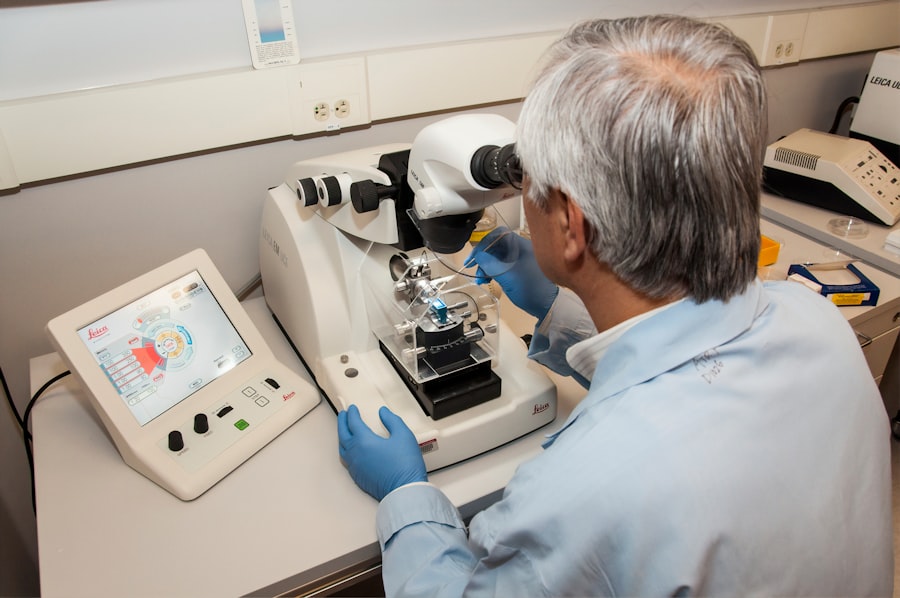
- Sample Collection: Typically, samples are collected via buccal (cheek) swabs. The animal’s mouth is swabbed vigorously to collect epithelial cells. This is a painless and non-invasive procedure.
- Chain of Custody: This is the critical fraud prevention step. The sample should be collected by a neutral third party (e.g., a veterinarian) who can verify the identity of the animal being swabbed. The samples are then sealed in tamper-evident packaging and shipped directly to the lab.
- Laboratory Analysis: At the lab, DNA is extracted from the cells, and the STR markers are amplified and analyzed. The genetic profiles of the alleged parents and offspring are then compared.
- Reporting Results: The lab issues a report detailing the genetic profiles and the statistical probability of paternity.
Where the system breaks down is often at the very first step, the sample collection, when not overseen by an objective observer. This is the Achilles’ heel for many forms of genetic fraud.
Dog DNA testing has become increasingly popular not only for health assessments but also for addressing issues like paternity fraud among breeders. A recent article explores the implications of using DNA tests to verify lineage and ensure ethical breeding practices. For those interested in learning more about this topic, you can read the full article here. This resource provides valuable insights into how DNA testing can help maintain the integrity of dog breeding and protect both breeders and buyers from potential deception.
The Broader Implications and My Call to Action
| Metric | Value | Notes |
|---|---|---|
| Accuracy of Dog DNA Paternity Tests | 98-99% | Depends on the number of genetic markers tested |
| Average Number of Markers Used | 20-30 | Higher marker count increases test reliability |
| Incidence of Paternity Fraud Cases Detected | Approximately 5-10% | Varies by breeder and region |
| Time to Receive Results | 7-14 days | From sample submission to report delivery |
| Sample Type Required | Cheek swab or blood sample | Non-invasive collection methods preferred |
| Cost Range of Dog DNA Paternity Test | 50-150 | Varies by provider and test complexity |
| Legal Acceptance of Test Results | Varies | Depends on jurisdiction and test provider certification |
The implications of dog DNA test paternity fraud extend far beyond individual transactions. It erodes trust, undermines ethical breeding, and ultimately harms the dogs themselves.
Impact on the Canine Community
When fraud becomes prevalent, it casts a long shadow over the entire canine world. It’s not just a breach of contract; it’s a betrayal of the breed and the community.
- Erosion of Trust: Buyers become wary, and the reputation of responsible breeders suffers alongside the unethical ones. It creates a climate of suspicion, a fog that makes it harder to discern truth from deception.
- Compromised Breed Integrity: Falsified pedigrees can introduce untested genetics into a breed line, potentially spreading genetic diseases or undesirable traits, weakening the genetic foundation of the breed.
- Financial Loss: Buyers pay premium prices for puppies based on fraudulent claims, essentially purchasing a misrepresented product. For ethical breeders, it can lead to unfair competition.
- Impact on Dog Welfare: In some cases, poor breeding choices masked by fraud can lead to puppies with significant health problems or temperament issues, ultimately impacting their quality of life.
Advocating for Greater Accountability
I genuinely believe that transparency and accountability are the strongest antidotes to fraud. My hope is that by raising awareness, we can collectively push for higher standards.
- Standardized Independent Sample Collection: I advocate for mandatory independent sample collection for all registered litters, or at least for paternity verification where claims are made based on specific sires. This simple step would close the primary loophole for fraud.
- Stronger Enforcement by Kennel Clubs: Kennel clubs have a crucial role to play. They should implement stricter verification processes for paternity claims and impose severe penalties for proven fraud. Their databases are the bedrock of pedigrees, and they must be fiercely protected.
- Consumer Education: Empowering buyers with knowledge is paramount. Understanding the testing process, recognizing red flags, and knowing how to conduct independent verification are vital tools in their arsenal. Buyers are not just consumers; they are guardians of breed integrity.
- Ethical Breeder Self-Regulation: Responsible breeders should also take a stand. They are the true custodians of their breeds, and their collective voice against fraud can be a powerful force for change. They should demand transparency from fellow breeders and report suspicious activities.
I remain optimistic that the vast majority of breeders are ethical and genuinely care about their dogs. However, just as a single drop of ink can stain a glass of water, a few fraudulent actors can tarnish an entire industry. It’s up to all of us – breeders, buyers, kennel clubs, and testing laboratories – to work together to ensure the integrity of dog DNA paternity testing and to protect the genetic health and welfare of our canine companions. I believe we owe it to them, and to the future generations of dogs, to uphold the truth.
FAQs
What is a dog DNA test used for in cases of paternity fraud?
A dog DNA test is used to determine the biological parentage of a dog, helping to verify or disprove claims about a dog’s lineage or parentage. In cases of paternity fraud, it can confirm whether a specific dog is the true sire or dam of a litter.
How accurate are dog DNA tests for determining parentage?
Dog DNA tests for parentage are highly accurate, often exceeding 99% accuracy when conducted by reputable laboratories. They analyze specific genetic markers to establish biological relationships between dogs.
Can dog DNA tests detect intentional paternity fraud?
Yes, dog DNA tests can reveal intentional paternity fraud by comparing the DNA profiles of the alleged parents and the puppies. If the genetic markers do not match as expected, it indicates that the claimed parent is not biologically related.
What samples are required for a dog DNA paternity test?
Typically, a dog DNA paternity test requires a cheek swab or blood sample from the alleged parent dogs and the puppies. These samples provide the genetic material needed for analysis.
Are dog DNA paternity tests legally admissible in disputes?
Dog DNA paternity tests can be used as evidence in legal disputes related to breeding contracts or ownership claims, but their admissibility depends on the jurisdiction and whether the testing was conducted following proper protocols. It is advisable to consult legal counsel for specific cases.