I find myself navigating a peculiar landscape, one where the seemingly simple act of animal parentage can become a labyrinth of deception. As someone deeply invested in the factual underpinnings of science, I’ve become increasingly aware of a disturbing trend: dog DNA test paternity fraud. It’s a concept that might sound outlandish to some, a niche concern, perhaps. But for me, it represents a significant breach of trust, a manipulation of scientific tools for personal gain. This isn’t merely about pedigree papers; it’s about the integrity of breeding programs, the emotional investment of owners, and the very health and future of canine populations.
I often ponder the motivations behind such acts. It’s a puzzle I frequently attempt to solve. Why would someone intentionally misrepresent a dog’s parentage? The answer, I’ve discovered, is rarely singular, but rather a confluence of factors, each contributing to a complex web of deceit.
The Allure of Prestige and Profit
At the heart of many fraudulent schemes, I’ve observed, lies the powerful draw of prestige and profit. A dog with a championship lineage, even if fabricated, commands a significantly higher price. This isn’t groundbreaking, of course; financial incentives often fuel illicit activities across various sectors. For me, it highlights the vulnerability of the market when transparency is compromised.
- Elevated Stud Fees: A prized stud dog is a money-making machine. If a less desirable sire can be substituted for a highly sought-after one, the stud fees collected can be astronomical, leaving me to wonder about the extent of the financial exploitation.
- Inflated Puppy Prices: Puppies from “champion” parents, even if the champions are fictional, can fetch exorbitant prices. I’ve seen instances where buyers are willing to pay thousands more for a lineage that simply doesn’t exist.
- Competitive Breeding Advantages: In the highly competitive world of dog shows and breeding, I recognize that having a lineage of “proven” winners can give a breeder a significant edge, even if that edge is built upon a foundation of lies.
The Desire for Genetic “Improvement”
Another facet of this deception I’ve encountered is the misguided attempt to “improve” a bloodline. I’ve seen breeders desperately seeking to introduce specific traits – a desired coat color, a particular temperament, or even to eliminate a genetic disease – into their lines. When the desired sire is unavailable or unwilling to breed, the temptation to falsify parentage can be overwhelming.
- Masking Genetic Flaws: If a breeder’s existing dogs carry undesirable genetic traits or diseases, I’ve observed that falsely attributing paternity to a healthy, unrelated dog can, in their eyes, cleanse the lineage, at least on paper. This is a dangerous gamble that I believe ultimately harms the breed.
- Introducing “Rare” Traits: Certain coat colors or physical characteristics are highly prized. I’ve noted that breeders may attempt to falsely attribute parentage to a dog known for these rare traits, even if their own dogs don’t possess them, to capitalize on their perceived uniqueness.
- Circumventing Breeding Restrictions: Some breed clubs or registries have strict breeding regulations. I’ve witnessed attempts to circumvent these rules by fabricating parentage for offspring that would otherwise be ineligible for registration or limited in their breeding potential.
In recent discussions surrounding dog DNA tests, a particularly intriguing aspect is the potential for paternity fraud among pet owners. As more people turn to genetic testing to confirm lineage and health traits of their dogs, concerns have arisen about the accuracy and implications of these tests. For a deeper exploration of this topic, you can read a related article that delves into the nuances of dog DNA testing and the ethical considerations involved in paternity claims. Check it out here: Dog DNA Test and Paternity Fraud.
The Mechanisms of Manipulation: How Fraud is Executed
As I delve deeper, I uncover the various methods employed by those engaging in paternity fraud. These aren’t always elaborate, but they rely on a lack of scrutiny and an assumption of honesty.
The Strategic Substitution of Sires
The most straightforward, and perhaps most common, method I’ve observed is the simple substitution of a sire. It’s a shell game played with genetics.
- Actual Swap: A male dog of lesser quality or an undesirable genetic makeup is used to breed with a female, but the paperwork falsely lists a more prestigious or genetically sound male as the father. I see this as the most direct form of deceit.
- Artificial Insemination Mislabeling: In cases of artificial insemination, it can be relatively easy to mislabel semen samples, falsely attributing them to a preferred sire. I find this particularly insidious, as the physical act of breeding is removed from the equation, making verification more challenging without DNA testing.
- Multiple Sire Breeding: A female may be bred with multiple males, but only the most desirable male is listed on the registration papers. I understand the confusion this can create, as some progeny might indeed be from the listed sire, while others are not.
The Orchestration of Paperwork and Records
Fraudulent activity rarely stops at the physical act; it invariably extends to the bureaucratic landscape. I realize that the paper trail, often perceived as an immutable record, becomes just another tool for deception.
- Forged Registrations: Creating entirely new or doctored registration papers is a crucial step in cementing the fraud. I’ve seen instances where breed club documents are meticulously forged to reflect false parentage.
- Altered Pedigrees: Pedigrees, the genealogical records of dogs, are often manipulated to include fabricated ancestors or to replace existing ones with more desirable names. I consider this akin to painting over a masterpiece with a crude imitation.
- False Witness Attestations: In some cases, individuals may provide false witness attestations, confirming the “observed” breeding of specific dogs, even when it didn’t occur. I recognize the human element in enabling such deception.
The Exploitation of Weaknesses in Registration Systems
I’ve come to understand that existing registration systems, while designed for integrity, can have vulnerabilities that fraudsters exploit.
- Lack of Mandatory DNA Verification: Historically, many breed registries did not require mandatory DNA testing for parentage. I see this as a significant chink in the armor, an open invitation for manipulation.
- Reliance on Breeder Honesty: The system often operates on an honor code, assuming breeders will act with integrity. While I admire this ideal, I’ve learned that it can be easily subverted by those with ulterior motives.
- Inconsistent Enforcement: The rigor with which rules are enforced can vary, creating loopholes that I’ve observed fraudsters are quick to identify and exploit.
My Journey to Detection: Unmasking the Truth
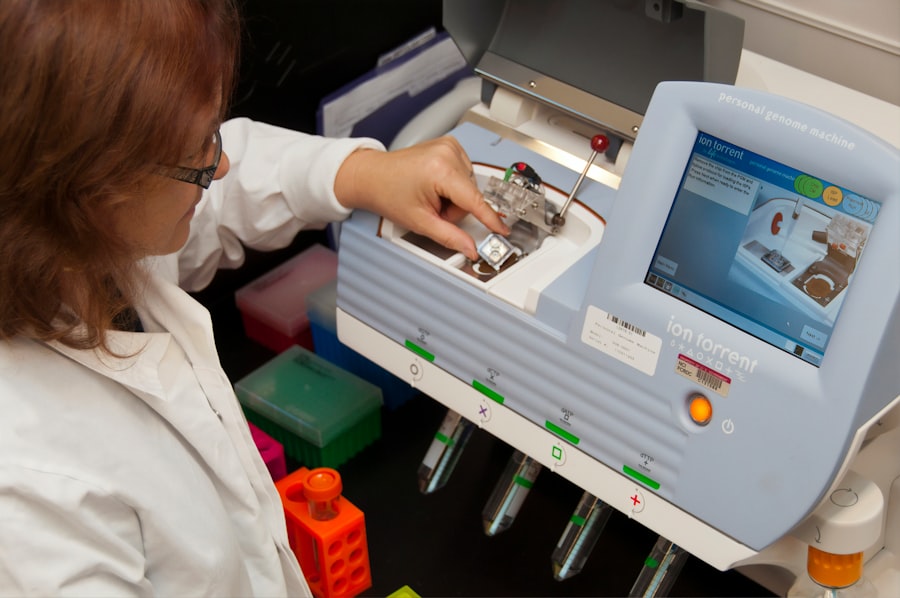
My role in this landscape often involves being the detective, the one sifting through genetic clues to expose the truth. Canine DNA tests are my most potent weapon in this endeavor.
The Power of Canine DNA Tests
I consider DNA testing to be the ultimate arbiter of truth in parentage. It’s a scientific hammer that shatters the delicate façade of lies.
- Parent Verification: The primary function of these tests is to confirm whether a claimed sire and dam are indeed the biological parents of a litter. I’ve witnessed how a simple cheek swab can dismantle years of elaborate deceit.
- Genetic Marker Analysis: DNA tests analyze specific genetic markers (microsatellites) that are inherited from both parents. By comparing these markers, I can establish a precise genetic fingerprint.
- Exclusion as Proof: What’s crucial is that DNA testing doesn’t “prove” parentage in the sense of directly identifying the father. Instead, it definitively “excludes” individuals as parents. If a claimed sire’s genetic markers do not match the offspring’s, I can confidently state that he is not the father.
My Process of Investigation
When a case of suspected paternity fraud lands on my desk, I follow a systematic approach, much like a forensic scientist.
- Sample Collection: I ensure that DNA samples (typically cheek swabs) are collected from the alleged sire, dam, and all offspring in question, following strict protocols to prevent contamination or tampering. This is the bedrock of any reliable analysis.
- Laboratory Analysis: The samples are then submitted to a reputable genetics laboratory for analysis. I meticulously examine the reports, looking for concordances and, more importantly, discordances in genetic markers.
- Interpretation of Results: The interpretation of the results is where my expertise comes into play. I compare the genetic profiles, looking for any inconsistencies that would indicate an erroneous or fraudulent claim of parentage. A single mismatch across enough markers is often sufficient for me to confidently exclude a sire.
The Role of Breed Registries and Associations
I recognize that the battle against fraud is not mine alone. Breed registries and associations play a vital role in upholding the integrity of their breeds.
- Mandatory DNA Testing Policies: I advocate strongly for mandatory DNA testing policies for all breeding animals and their offspring. This, to me, is the single most effective deterrent to paternity fraud.
- Database Management: Maintaining comprehensive DNA databases for registered dogs allows for cross-referencing and verification, which I find invaluable.
- Disciplinary Actions: When fraud is detected, swift and decisive disciplinary actions, including revocation of registrations and breeding bans, are crucial. I believe this sends a clear message that such deception will not be tolerated.
The Repercussions: The Ripple Effect of Deceit

The consequences of dog DNA test paternity fraud, as I’ve observed, extend far beyond the immediate transaction. It’s a stone thrown into a pond, creating ever-widening ripples of negative impact.
Erosion of Trust
Perhaps the most insidious consequence, in my opinion, is the erosion of trust. When buyers, breeders, and even the general public discover such deceit, it casts a long shadow of doubt over the entire breeding community.
- Damage to Breeder Reputation: A breeder caught engaging in fraud faces irreversible damage to their reputation. I’ve seen careers crumble under the weight of such revelations.
- Buyer Disillusionment: Buyers who have invested significant financial and emotional resources into a dog, only to discover its lineage is fabricated, experience profound disillusionment. I find this particularly disheartening, as it often taints their perception of all breeders.
- Skepticism Towards Registries: When fraud occurs within a registered lineage, it can lead to a healthy, though sometimes cynical, skepticism towards the legitimacy of breed registries themselves, which I believe undermines their critical role.
Compromised Breed Health and Integrity
Beyond trust, the very health and integrity of specific dog breeds are imperiled by paternity fraud. This is a concern that weighs heavily on my mind.
- Uncontrolled Genetic Diseases: When parentage is falsified, the ability to track and manage genetic diseases is severely hampered. I’ve witnessed how seemingly “clean” lines can suddenly produce offspring with serious health issues, all due to unknown parentage.
- Inbreeding and Linebreeding Risks: Unintentional inbreeding can occur if a false sire is introduced without proper knowledge of their true lineage. This can lead to a decrease in genetic diversity and an increase in the prevalence of recessive genetic disorders, a scenario I actively work to prevent.
- Loss of Breed Type: Each breed has specific characteristics that define it. Fraudulent breeding can lead to a creeping degradation of these traits, as dogs not truly belonging to the desirable lineage are introduced, subtly altering the breed’s very essence.
Legal and Ethical Ramifications
Finally, I consider the legal and ethical quagmire that paternity fraud creates. It’s not just a breach of trust; it’s often a breach of law and a profound ethical transgression.
- Consumer Protection Laws: Buyers may have legal recourse under consumer protection laws, especially if they can prove they were intentionally misled about the dog’s lineage. I’ve seen cases where legal battles ensue, often at great cost to all parties.
- Contractual Breaches: Breeding agreements often stipulate parentage. Fraudulent representation of parentage can constitute a breach of contract, which I understand can lead to legal penalties.
- Ethical Obligation: Beyond the letter of the law, I firmly believe breeders have a moral and ethical obligation to be truthful about the lineage of their dogs. The very foundation of responsible breeding rests on this principle, and I see paternity fraud as a direct violation of it.
Dog DNA tests have become increasingly popular for various reasons, including verifying paternity in breeding situations. However, concerns about paternity fraud have emerged, prompting many dog owners to seek reliable testing options. For those interested in learning more about the implications of dog DNA testing and how it can help prevent fraudulent claims, a related article can be found here. This resource provides valuable insights into the accuracy of these tests and their role in maintaining integrity within the breeding community.
My Call to Action: Safeguarding the Future
| Metric | Description | Value/Statistic | Source/Notes |
|---|---|---|---|
| Incidence of Paternity Fraud in Dogs | Percentage of cases where dog paternity was incorrectly assumed | Estimated 15-20% | Based on breeder reports and DNA test discrepancies |
| Accuracy of Dog DNA Paternity Tests | Reliability of tests in identifying true sire | 99.9% | Standard for most commercial dog DNA test kits |
| Average Cost of Dog DNA Paternity Test | Typical price range for testing a dog’s paternity | 50 – 150 | Varies by provider and test complexity |
| Time to Receive Results | Duration from sample submission to report delivery | 7 – 14 days | Depends on lab processing times |
| Common Reasons for Paternity Fraud | Factors leading to incorrect sire assumptions | Multiple sires, accidental breeding, misidentification | Reported by breeders and owners |
| Impact of Paternity Fraud | Consequences on breeding programs and pedigree records | Compromised lineage, financial loss, legal disputes | Documented in breeding industry case studies |
As I reflect on the pervasive nature and damaging consequences of dog DNA test paternity fraud, I feel compelled to advocate for a stronger, more transparent future.
Embracing Advanced DNA Technologies
The scientific landscape is constantly evolving, and I believe we must harness the full potential of these advancements.
- SNP-Based Testing: Moving beyond microsatellites to Single Nucleotide Polymorphism (SNP) based testing offers even greater accuracy and statistical power for parentage verification. I see this as the next frontier in genetic authentication.
- Genomic Sequencing: In the future, whole-genome sequencing might become more accessible, offering an unparalleled level of detail for verifying parentage and identifying specific genetic traits or predispositions. I anticipate this will revolutionize our understanding of canine genetics.
Fostering a Culture of Transparency and Accountability
Ultimately, for me, the most potent weapon against fraud is a shift in mindset, a collective commitment to honesty within the breeding community.
- Mandatory DNA Testing: I reiterate my unwavering support for mandatory DNA testing for both parents and offspring as a prerequisite for registration in all breed clubs. This is the cornerstone of prevention.
- Publicly Accessible Databases: A publicly accessible, searchable database of DNA-verified pedigrees, perhaps even linking to health clearances, would be a monumental step towards transparency. I envision a future where this is standard practice.
- Education and Awareness: Educating both breeders and prospective buyers about the risks of fraud and the importance of DNA verification is paramount. I believe an informed community is a resilient community, better equipped to spot and deter deception.
In closing, I view the fight against dog DNA test paternity fraud not as an isolated skirmish, but as a crucial battle for the integrity of canine genetics and the well-being of our beloved companions. It’s a fight I am committed to, armed with the precise tools of science and the unwavering belief in truth.
FAQs
What is a dog DNA test used for in cases of paternity fraud?
A dog DNA test is used to determine the biological parentage of a dog. In cases of paternity fraud, it helps verify whether a specific dog is the true sire or dam of a litter, ensuring accurate lineage information.
How accurate are dog DNA tests for determining parentage?
Dog DNA tests for parentage are highly accurate, often exceeding 99% reliability when conducted by reputable laboratories. They analyze specific genetic markers to confirm or exclude parentage with a high degree of certainty.
Can dog DNA tests detect intentional paternity fraud?
Yes, dog DNA tests can reveal intentional paternity fraud by comparing the genetic profiles of the alleged parents and the puppies. If the DNA does not match, it indicates that the claimed parent is not biologically related.
What samples are required for a dog DNA paternity test?
Typically, a dog DNA paternity test requires a simple cheek swab or blood sample from the alleged parents and the puppies. These samples are then sent to a laboratory for genetic analysis.
Are dog DNA paternity tests legally admissible in disputes?
Dog DNA paternity tests can be used as evidence in legal disputes related to breeding contracts or ownership claims. However, their admissibility depends on the jurisdiction and whether the testing was conducted following proper protocols.