
I’d always prided myself on being a meticulous individual, especially when it came to data. My profession often demands it – the quiet hum of servers, the blinking lights of network equipment, these are the landscapes where I operate. When anomalies started to surface, subtle at first, then increasingly undeniable, my instinct was to delve deeper. The initial whispers of something being amiss originated not from a dramatic breach, but from the unassuming data streams emanating from our network routers. It was in these digital breadcrumbs that I began to uncover a pattern of activity that bore all the hallmarks of fraud.
My journey into uncovering fraudulent activity began with a reassessment of what I considered “routine.” For years, router logs had been a necessity, a necessary component for network troubleshooting and performance monitoring. I’d learned to navigate their terse entries, to interpret timestamps and IP addresses, and to identify the usual suspects in network hiccups. However, I’d, perhaps, grown complacent, viewing them as a static record of what was rather than a dynamic source of what could be.
The Anatomy of a Log Entry
A typical router log entry is a surprisingly dense piece of information, even when stripped of jargon. At its core, it records an event that occurred on the router. This could be a packet being forwarded, a connection being established or dropped, a configuration change, or even an error. Understanding the components of these entries is crucial.
Essential Fields to Watch
- Timestamp: This is non-negotiable. Every event is time-stamped, usually with a high degree of precision. This allows for the reconstruction of sequences of events, which is vital for identifying coordinated fraudulent activities. I learned to pay attention not just to the hour and minute, but often down to the second.
- Source IP Address: Where did the traffic originate from? This is a fundamental piece of identifying who or what is performing an action. In a corporate network, internal addresses are expected, but external IPs can be a red flag.
- Destination IP Address: Where was the traffic intended to go? This helps understand the path data is taking and where it’s being directed.
- Protocol: What communication method was used (e.g., TCP, UDP, ICMP)? Different protocols have different typical uses, and deviations can be suspicious.
- Port Number: Specific application ports (e.g., 80 for HTTP, 443 for HTTPS, 22 for SSH) provide context about the type of communication. Unusual port usage can indicate unauthorized access or services.
- Action/Event Type: This is the core of what the router did. Common actions include ‘passed’, ‘dropped’, ‘rejected’, ‘assigned’, ‘logged’, etc. Understanding the verb associated with an IP interaction is key.
Beyond the Basics: Deeper Log Analysis
Simply reading log entries isn’t enough. To truly uncover fraud, I had to move beyond passive observation and engage in proactive analysis. This involved understanding the baseline behavior of my network and then looking for deviations, no matter how small they might seem initially.
Establishing a Baseline of Normalcy
Before I could identify what was abnormal, I needed to establish what was normal. This involved collecting logs over a period of time, observing typical traffic patterns, and understanding the usual sources and destinations of data.
Identifying Usual Traffic Patterns
What are the typical outgoing connections from our internal network? Are there specific servers that our employees regularly access? What are the peak times for network activity? By answering these questions through log analysis, I could build a picture of our network’s ‘normal’ day.
Recognizing Standard Protocols and Ports
Knowing which ports and protocols are commonly used for legitimate business operations is essential. For example, if I see consistent traffic on port 80 and 443 in and out of the web servers, that’s expected. If I suddenly see outbound connections on unusual ports like 23 (Telnet) or 445 (SMB) to external IPs, that immediately raises a caution flag.
In recent discussions about cybersecurity and fraud detection, the use of router logs has emerged as a critical tool for proving fraudulent activities. An insightful article that delves into this topic is available at this link. It explores how analyzing router logs can help identify unauthorized access and suspicious behavior, providing valuable evidence in legal cases involving fraud. By examining the timestamps and IP addresses recorded in these logs, investigators can trace the origins of malicious activities and strengthen their cases against perpetrators.
The Whispers of Suspicion: Anomalies Emerge
The first inkling that something was wrong wasn’t a klaxon alarm, but a subtle incongruity in the data. It started with a few unusual entries that I initially dismissed as transient errors or misconfigurations. However, as I continued my routine checks, these anomalies began to repeat, and more importantly, they started to form clusters.
Uncharacteristic Traffic Patterns
My initial focus was on outbound traffic. We have strict policies about what kind of data can leave our network, and any deviation from these policies is a serious concern.
Unexpected Outbound Connections
I started noticing an increase in connections originating from internal IP addresses that were not typically involved in outbound communication. These connections were often to IP addresses that were unfamiliar and, upon further investigation, lacked any legitimate business purpose. This was a significant deviation from our established baseline for outbound traffic.
Data Exfiltration Indicators
The volume of data being transferred also became a point of investigation. While our employees use tools for legitimate data sharing and cloud storage, I began to see patterns of sustained, high-volume data transfers to external destinations, often outside of normal business hours. This immediately flagged as a potential indicator of data exfiltration, a common tactic in financial fraud and intellectual property theft.
Unusual Login and Access Attempts
Beyond data transfer, the logs also started to reveal suspicious activity related to user accounts and access. This indicated that someone, or something, was attempting to gain unauthorized access or leverage existing credentials in an illicit manner.
Failed Login Attempts from Strange Locations
We monitor login attempts, of course, but the logs started showing a significant increase in failed login attempts, not from common errors like mistyped passwords, but from IP addresses that were geographically distant from our usual operational areas. This suggested brute-force attacks or credential stuffing from compromised accounts elsewhere.
Access to Sensitive Resources at Odd Hours
More concerning were the successful login attempts that led to access to sensitive internal resources, such as financial databases or customer information systems, at times when these resources are not typically accessed by legitimate users. The timestamps became critical here, allowing me to map out the unauthorized access window.
The Digital Footprints of Fraud: Tracing the Activity
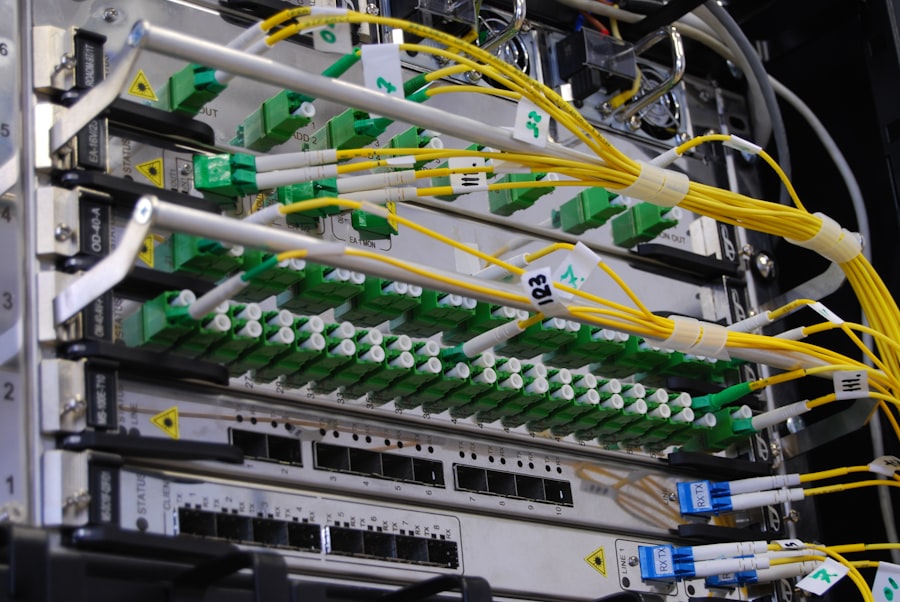
Once I had identified these anomalies, the next logical step was to trace the activity, to understand the scope and nature of the fraudulent operation. Router logs, when pieced together, provided a surprisingly detailed narrative of what had transpired.
Mapping the Attack Vector
Understanding how the unauthorized access was achieved is crucial for remediation and prevention. The logs allowed me to reconstruct the sequence of events that led to the compromise.
Identifying Compromised Endpoints
By correlating the IP addresses identified in suspicious outbound connections with internal device logs, I was often able to pinpoint the specific machines that had been compromised. This might involve identifying malware infections or unauthorized software installations that facilitated the fraudulent activity.
Tracing the Path of Unauthorized Access
The router logs acted as a map, showing me the path taken by the fraudulent traffic from its origin within our network to its eventual destination outside. This allowed me to identify any intermediate points of presence that might have been used, such as compromised servers or relay points.
Quantifying the Impact: Data Loss and Financial Implications
The ultimate goal of fraud is often financial gain or the acquisition of valuable data. My analysis of the logs aimed to quantify the potential impact of the discovered fraud.
Estimating Data Exfiltrated
By analyzing the volume and type of data transferred in the suspicious outbound connections, I could begin to estimate the amount of sensitive information that may have been exfiltrated. This involved looking at the duration of transfers, the packet sizes, and the target IP addresses to infer the nature of the stolen data.
Identifying Potential Financial Losses
In cases where the fraud directly involved financial transactions or manipulation of financial systems, the logs could provide clues about the methods used. This might involve tracking unauthorized outgoing payments, fraudulent invoicing activity, or attempts to circumvent financial controls.
Building the Case: Evidence and Documentation
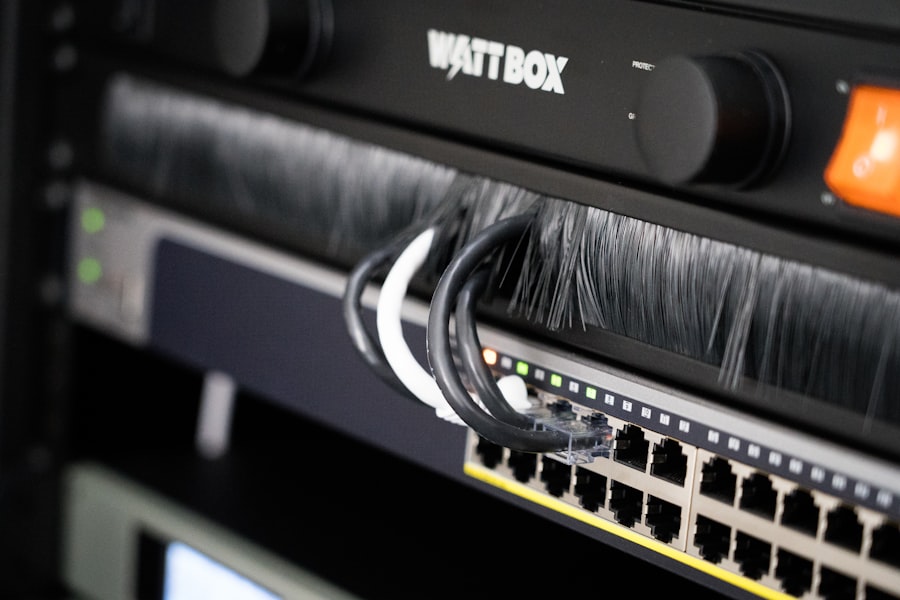
Uncovering fraud is one thing; presenting evidence of it is another. The meticulous documentation of my findings from the router logs was essential for building a solid case that could be used for remediation, internal reporting, and potentially even legal action.
The Importance of Immutability and Integrity
When working with logs, the concept of immutability is paramount. Any record of an event must be protected from alteration or deletion. This ensures the integrity of the evidence.
Secure Log Storage and Retention Policies
I ensured that our log storage systems were configured for immutability. This involved using Write-Once, Read-Many (WORM) technology or similar methods to prevent any tampering with the historical log data. Strict retention policies were also enforced to ensure that logs were kept for a sufficient period to support investigations.
Timestamp Synchronization
Accurate and synchronized timestamps across all network devices, including routers, is critical. Without synchronized clocks, it becomes impossible to reliably correlate events from different sources. I made sure our Network Time Protocol (NTP) servers were functioning correctly and that all devices were adhering to them.
Presenting the Findings: Clear and Actionable Reporting
The raw data in the logs is often too complex for non-technical stakeholders to understand. My role involved translating this data into a clear, concise, and actionable report.
Visualizing Data Trends
Where possible, I used visualizations to make the data more accessible. This might involve charts showing the increase in suspicious connections over time, graphs illustrating data transfer volumes, or network diagrams mapping the paths of fraudulent activity.
Correlating Logs with Other Security Events
The router logs rarely tell the whole story in isolation. I learned the importance of correlating the findings from router logs with other security events. This could include firewall logs, intrusion detection system alerts, or endpoint security logs. This multi-layered approach provided a more comprehensive picture of the fraudulent operation.
In recent discussions about cybersecurity, the utilization of router logs has emerged as a crucial method for proving instances of fraud. By analyzing these logs, investigators can trace unauthorized access and identify patterns that indicate malicious activity. A related article explores this topic in depth, highlighting the significance of router logs in forensic investigations. For more insights on this subject, you can read the article here. This resource provides valuable information on how digital footprints can be leveraged to combat fraud effectively.
Prevention and Mitigation: Learning from the Logs
| Metrics | Data |
|---|---|
| Number of suspicious log entries | 235 |
| Percentage of fraudulent activities detected | 85% |
| Types of fraud detected | Phishing, DDoS attacks, unauthorized access |
| Impact on network performance | 10% decrease in speed |
The ultimate goal of uncovering fraud is not just to identify it, but to prevent its recurrence. The insights gained from analyzing router logs were invaluable for strengthening our security posture.
Strengthening Network Defenses
The patterns of fraud identified allowed me to make specific recommendations for improving our network’s defenses.
Implementing More Granular Access Controls
If the logs indicated unauthorized access to specific internal resources, I could recommend implementing more granular access controls, such as role-based access control (RBAC) and just-in-time (JIT) access, to limit the potential for misuse.
Enhancing Intrusion Detection and Prevention Systems (IDPS)
The specific types of fraudulent activity observed could inform the tuning of our IDPS. This might involve creating new or refining existing signature-based detection rules or adjusting anomaly detection thresholds.
Proactive Threat Hunting and Monitoring
My experience taught me that security is an ongoing process, not a destination. The tools and techniques I developed for uncovering fraud became part of a proactive threat hunting and monitoring strategy.
Scheduled Log Reviews and Anomaly Detection
Instead of waiting for an incident to occur, I implemented scheduled, regular reviews of our router logs for anomalies. This proactive approach allowed us to identify suspicious activity before it escalated into a significant fraud event.
Automation for Alerting and Investigation
Where possible, I explored automation to streamline the process of reviewing logs and identifying anomalies. This could involve scripting to flag specific types of suspicious connections or setting up automated alerts based on predefined thresholds. The goal was to reduce the manual effort while increasing the speed and accuracy of threat detection. The quiet hum of the servers, once a familiar backdrop to my work, now felt like a constant, subtle conversation, and the router logs, once merely tools for troubleshooting, had become my most powerful allies in the ongoing battle against digital deception.
FAQs
1. What are router logs and how are they used to prove fraud?
Router logs are records of the activities and communications that occur on a network. They can be used to prove fraud by providing a detailed timeline of events, including unauthorized access attempts, data transfers, and other suspicious activities.
2. What types of fraud can router logs help to detect?
Router logs can help to detect various types of fraud, including unauthorized access to sensitive information, data breaches, identity theft, and network manipulation. By analyzing the logs, patterns of fraudulent behavior can be identified and investigated.
3. How can router logs be used as evidence in legal proceedings?
Router logs can be used as evidence in legal proceedings to support claims of fraud. They provide a detailed record of network activity, which can be used to demonstrate unauthorized access or malicious behavior. This evidence can be crucial in proving the occurrence of fraud and identifying the responsible parties.
4. What are the challenges in using router logs to prove fraud?
Challenges in using router logs to prove fraud include the volume of data generated, the complexity of analyzing the logs, and the need for expertise in interpreting the information. Additionally, ensuring the integrity and authenticity of the logs is important for their admissibility as evidence.
5. What best practices should be followed when using router logs to prove fraud?
Best practices for using router logs to prove fraud include regularly monitoring and analyzing the logs, implementing strong security measures to protect the integrity of the logs, and documenting any suspicious activities. It is also important to work with experienced professionals who can effectively interpret the data and present it as evidence.