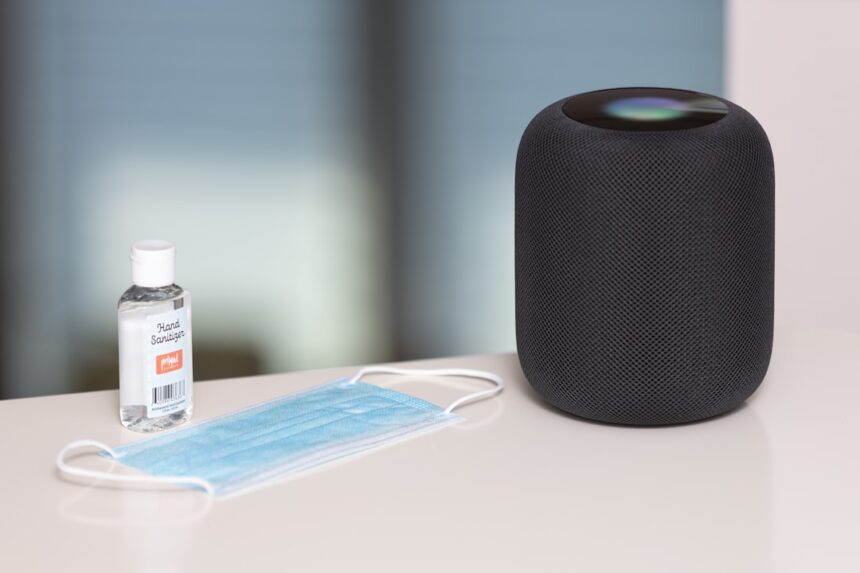
In recent years, I have witnessed an extraordinary transformation in the way we interact with technology, particularly through the rise of smart speakers. These devices, which include popular models like Amazon Echo, Google Nest, and Apple HomePod, have become ubiquitous in homes around the world. Their ability to respond to voice commands and perform a myriad of tasks has made them an integral part of daily life for many.
I remember the first time I asked my smart speaker to play my favorite song; it felt like a scene straight out of a science fiction movie. The convenience and ease of use have propelled these devices into the mainstream, making them a staple in modern households. The appeal of smart speakers lies not only in their functionality but also in their ability to create a seamless user experience.
I find it fascinating how these devices can control smart home systems, provide weather updates, and even answer trivia questions—all with just a simple voice command. As I observe their growing popularity, I realize that smart speakers are not just gadgets; they represent a shift in how we communicate with technology. This evolution has sparked a new era of innovation, where voice recognition and artificial intelligence converge to create devices that are increasingly intuitive and responsive to our needs.
Key Takeaways
- Smart speakers have become widely popular, integrating AI to assist users in daily tasks.
- These devices continuously listen for wake words, raising concerns about hidden or unintended recordings.
- Privacy issues stem from potential unauthorized access and data misuse of recorded conversations.
- Legal and ethical challenges arise regarding consent, surveillance, and data protection.
- Consumer education and advanced privacy measures are crucial for safeguarding user information as technology evolves.
How Smart Speakers Work
Understanding how smart speakers work is essential to appreciating their capabilities. At their core, these devices rely on advanced voice recognition technology and artificial intelligence algorithms. When I speak to my smart speaker, it captures my voice through built-in microphones and converts my speech into digital data.
This process involves several steps, including sound wave analysis and natural language processing, which allows the device to interpret my commands accurately. The speed and efficiency with which these devices operate are truly remarkable, as they can respond to my requests almost instantaneously. Once my voice command is processed, the smart speaker connects to the internet to retrieve the necessary information or execute the desired action.
For instance, if I ask for the weather forecast, the device accesses online databases to provide me with real-time updates. This connectivity is what makes smart speakers so powerful; they are not just standalone devices but rather gateways to a vast array of information and services. As I delve deeper into their functionality, I am continually amazed by how these devices learn from my interactions, becoming more personalized over time.
Understanding Hidden Conversations
As I explore the world of smart speakers, I cannot help but ponder the concept of hidden conversations. These devices are designed to listen for wake words—phrases like “Hey Siri” or “Okay Google”—but they are also constantly listening in the background. This raises intriguing questions about what happens to the audio data captured during these moments of silence.
While I may think that my conversations are private when I’m not actively engaging with the device, there is a possibility that snippets of audio are being recorded and stored. The idea of hidden conversations is unsettling for many users, including myself. It makes me wonder about the extent to which these devices are always “on.” I have read reports suggesting that manufacturers may use this data to improve their services or even for targeted advertising.
The thought that my casual discussions could be analyzed or used without my explicit consent is disconcerting. As I navigate this landscape, I find myself questioning how much privacy I am willing to sacrifice for convenience.
Privacy Concerns with Smart Speakers
The privacy concerns surrounding smart speakers are significant and multifaceted. As I reflect on my own experiences, I realize that while these devices offer unparalleled convenience, they also come with inherent risks. One of the primary issues is the potential for unauthorized access to personal data.
If a hacker gains control of my smart speaker, they could potentially listen in on my conversations or access sensitive information stored within the device. This vulnerability is something that weighs heavily on my mind as I consider integrating more smart technology into my home. Moreover, there is the issue of data collection and usage policies.
Many companies that manufacture smart speakers collect vast amounts of data from users to enhance their products and services. While I appreciate the improvements that come from this data-driven approach, I am also wary of how my information is being used. Are my conversations being sold to third parties?
Am I being targeted with ads based on what I say in my home? These questions linger as I navigate the balance between enjoying the benefits of smart speakers and protecting my privacy.
Methods for Uncovering Hidden Conversations
| Metric | Description | Example Data | Implication |
|---|---|---|---|
| Activation Rate | Frequency at which smart speakers mistakenly activate and start recording | 0.2% of total interactions | Unintended recordings can capture private conversations |
| Data Retention Period | Duration recordings are stored on cloud servers | 30 days (typical) | Longer retention increases risk of sensitive data exposure |
| Number of Recorded Conversations | Average number of conversations recorded per device monthly | 150 recordings/month | High volume increases chances of capturing private talks |
| False Trigger Rate | Percentage of recordings started without user intent | 1 in 500 activations | Leads to unintended data capture and privacy concerns |
| Data Access Requests | Number of times law enforcement requests access to recordings | Thousands annually (varies by region) | Smart speaker data can be used in investigations revealing private conversations |
| User Awareness Level | Percentage of users aware that smart speakers can record unintended conversations | 45% | Low awareness may lead to unintentional privacy breaches |
To address the concerns surrounding hidden conversations, it is essential to explore methods for uncovering what happens behind the scenes with smart speakers. One approach involves reviewing privacy settings and permissions associated with these devices. As I familiarize myself with the settings on my smart speaker, I discover options that allow me to manage data collection and storage preferences.
By adjusting these settings, I can take control over what information is shared and retained. Another method involves utilizing third-party applications designed to monitor audio recordings made by smart speakers. These tools can provide insights into what data is being captured and how it is being used.
As I navigate this landscape, I am reminded of the importance of staying informed about technological advancements and their implications for privacy.
Legal and Ethical Implications
The legal and ethical implications surrounding smart speakers are complex and evolving. As I consider the potential for hidden conversations and data collection, I realize that existing laws may not adequately address these issues. In many jurisdictions, privacy laws are still catching up with technological advancements, leaving consumers like myself vulnerable to potential abuses.
The question of consent becomes particularly relevant; do users truly understand what they are agreeing to when they accept terms and conditions? Ethically speaking, companies that manufacture smart speakers have a responsibility to prioritize user privacy and transparency. As a consumer, I expect clear communication about how my data is being used and what measures are in place to protect it.
The lack of clarity in many privacy policies can lead to mistrust among users, which ultimately affects brand loyalty and consumer confidence. As I reflect on these issues, I recognize that fostering a culture of ethical responsibility within the tech industry is crucial for building trust between consumers and manufacturers.
Protecting Your Privacy
Protecting my privacy while using smart speakers requires proactive measures and awareness of best practices. One of the first steps I take is to familiarize myself with the privacy settings available on my device. By disabling features such as voice recording or limiting data sharing options, I can significantly reduce the amount of information collected by the manufacturer.
Additionally, regularly reviewing and deleting stored voice recordings can help ensure that my conversations remain private. I also consider physical measures to enhance my privacy. For instance, using a mute button when I’m not actively engaging with my smart speaker can prevent unintended recordings.
Some users even opt for physical covers or shields designed to block microphones when not in use. While these measures may seem extreme to some, they provide me with peace of mind knowing that I am taking steps to safeguard my personal information.
The Role of Artificial Intelligence
Artificial intelligence plays a pivotal role in the functionality of smart speakers, shaping their ability to understand and respond to user commands effectively. As I delve deeper into this technology, I am fascinated by how AI algorithms analyze vast amounts of data to improve voice recognition accuracy over time. The more I interact with my smart speaker, the better it becomes at understanding my preferences and nuances in speech patterns.
However, this reliance on AI also raises questions about bias and fairness in technology. As an informed consumer, I recognize that AI systems can inadvertently perpetuate existing biases present in training data. This realization prompts me to consider how diverse perspectives are represented in the development of AI algorithms used in smart speakers.
Ensuring that these technologies are inclusive and equitable is essential for creating a user experience that resonates with everyone.
Implications for Law Enforcement
The implications of smart speakers for law enforcement are both intriguing and concerning. As I reflect on this aspect, I recognize that these devices could potentially serve as valuable tools in criminal investigations. The audio recordings captured by smart speakers may contain crucial evidence related to ongoing cases or incidents occurring within a household.
However, this raises significant ethical questions regarding privacy rights and consent. The prospect of law enforcement accessing data from smart speakers without user consent poses a dilemma for many individuals like myself who value their privacy. It becomes essential to establish clear legal frameworks governing how law enforcement can utilize data from these devices while respecting citizens’ rights.
Striking a balance between public safety and individual privacy is a challenge that society must address as technology continues to evolve.
Consumer Awareness and Education
As a consumer navigating the world of smart speakers, I believe that awareness and education are paramount in making informed decisions about technology use. Many individuals may not fully understand the implications of using these devices or the extent of data collection involved. By promoting consumer education initiatives focused on privacy rights and best practices for using smart speakers, we can empower users to take control over their personal information.
I often find myself sharing insights with friends and family about how they can protect their privacy while enjoying the benefits of smart technology. Encouraging open discussions about privacy concerns fosters a culture of awareness that can lead to more responsible usage patterns among consumers. Ultimately, informed users are better equipped to advocate for their rights and demand transparency from manufacturers.
The Future of Smart Speaker Technology
Looking ahead, I am excited about the future of smart speaker technology and its potential impact on our lives. As advancements in artificial intelligence continue to unfold, I anticipate even more sophisticated interactions between users and their devices. The integration of machine learning algorithms may enable smart speakers to anticipate our needs proactively rather than merely responding reactively.
However, as we embrace these innovations, it is crucial to remain vigilant about privacy concerns and ethical considerations surrounding data usage. The future landscape will require ongoing dialogue between consumers, manufacturers, and policymakers to ensure that technological advancements align with societal values regarding privacy and security. In conclusion, while smart speakers have undoubtedly revolutionized our interaction with technology, they also present challenges that require careful consideration.
By understanding how these devices work, recognizing hidden conversations, addressing privacy concerns, and advocating for consumer education, we can navigate this evolving landscape responsibly while enjoying the benefits that smart technology has to offer.
Smart speakers have become an integral part of many households, but their ability to listen and record conversations has raised significant privacy concerns. A related article that delves deeper into this issue is available at this link, where the implications of smart technology on personal privacy are explored in detail. The article discusses how these devices can inadvertently capture and reveal hidden conversations, prompting a broader discussion about the balance between convenience and privacy in our increasingly connected lives.
WATCH THIS! 📱 She Didn’t Know Our Smart Speaker Was Recording Everything
FAQs
What are smart speakers?
Smart speakers are voice-activated devices equipped with virtual assistants that can perform tasks, answer questions, and control smart home devices through voice commands.
How can smart speakers reveal hidden conversations?
Smart speakers continuously listen for wake words and may inadvertently record and store private conversations if they misinterpret sounds as commands or due to software glitches.
Do smart speakers record conversations all the time?
No, smart speakers are designed to listen passively and only start recording after detecting a specific wake word or command. However, accidental activations can lead to unintended recordings.
Where are the recordings from smart speakers stored?
Recordings are typically stored on the cloud servers of the device manufacturer, where they are used to improve voice recognition and services.
Can third parties access conversations recorded by smart speakers?
In some cases, authorized personnel or contractors may review recordings to improve services, but unauthorized access is a security risk and subject to privacy laws.
How can users protect their privacy when using smart speakers?
Users can review and delete voice recordings, mute the microphone when not in use, adjust privacy settings, and stay informed about the device’s data policies.
Are there legal concerns related to smart speakers recording conversations?
Yes, laws regarding consent and recording vary by jurisdiction, and unauthorized recording of private conversations may violate privacy laws.
Can smart speakers be hacked to spy on users?
While rare, smart speakers can be vulnerable to hacking or malware, potentially allowing attackers to access audio data or control the device.
What should I do if I suspect my smart speaker is recording without consent?
Check the device’s activity logs, update its firmware, change privacy settings, mute the microphone, and contact the manufacturer for support.
Do all smart speakers have the same privacy risks?
Privacy risks vary depending on the device’s manufacturer, software, and security measures, so it is important to research and choose devices with strong privacy protections.