Infidelity represents a significant breach of trust within romantic relationships that affects millions of couples worldwide. Research defines infidelity as engaging in romantic or sexual activities outside of a committed relationship without the partner’s knowledge or consent. This behavior can take multiple forms, including emotional affairs involving deep personal connections with someone outside the relationship, physical encounters ranging from kissing to sexual intercourse, and digital infidelity through online interactions or sexting.
Studies indicate that infidelity occurs in approximately 20-25% of marriages, with rates varying based on demographic factors and how infidelity is defined. The psychological impact on betrayed partners often includes symptoms similar to post-traumatic stress disorder, including intrusive thoughts, emotional numbness, and hypervigilance. Children and extended family members may also experience secondary trauma when infidelity leads to family disruption.
Research has identified several contributing factors to infidelity beyond individual moral failings. Communication deficits between partners, unaddressed relationship dissatisfaction, emotional neglect, sexual incompatibility, and major life stressors can increase vulnerability to extramarital involvement. Individual factors such as attachment styles, personality traits like narcissism or sensation-seeking, and personal history of trauma or previous infidelity also play significant roles.
Addressing these underlying relationship dynamics and individual vulnerabilities is essential for both prevention and recovery following infidelity incidents.
Key Takeaways
- Infidelity can be identified through behavioral signs and confirmed with DNA testing.
- DNA testing provides concrete evidence in infidelity cases, influencing legal outcomes.
- Discovering infidelity via DNA tests has significant emotional and psychological effects.
- Professional support is crucial for coping, seeking closure, and rebuilding trust post-infidelity.
- Moving forward involves addressing emotional wounds and making informed decisions about relationships.
Signs of Cheating
Recognizing the signs of cheating can be a daunting task, especially when emotions cloud judgment. In my experience, some common indicators may include changes in behavior, such as increased secrecy or sudden shifts in routine. For instance, I might notice a partner becoming more protective of their phone or spending more time away from home without clear explanations.
These subtle changes can create an atmosphere of suspicion and anxiety, leading me to question the integrity of the relationship. Another sign that I have observed is a decline in intimacy or affection. When a partner begins to withdraw emotionally or physically, it can signal that something is amiss.
I have learned that communication is key during these times; however, it can be challenging to approach the subject without appearing accusatory. The fear of confronting the possibility of infidelity often leads to internal conflict, leaving me feeling trapped between doubt and the desire for clarity.
The Role of DNA Testing in Infidelity Cases
In recent years, DNA testing has emerged as a powerful tool in uncovering infidelity. As I consider its role in these situations, I recognize that it offers a level of certainty that can be both comforting and unsettling. DNA tests can provide definitive answers regarding paternity or potential infidelity, allowing individuals to confront the truth head-on.
This scientific approach can cut through the emotional turmoil and provide clarity when suspicions run high. I have come to appreciate how DNA testing can serve as a double-edged sword. While it can confirm suspicions and provide closure, it can also lead to devastating revelations.
The knowledge that a partner has been unfaithful can shatter trust and alter the course of a relationship forever.
How DNA Testing Works
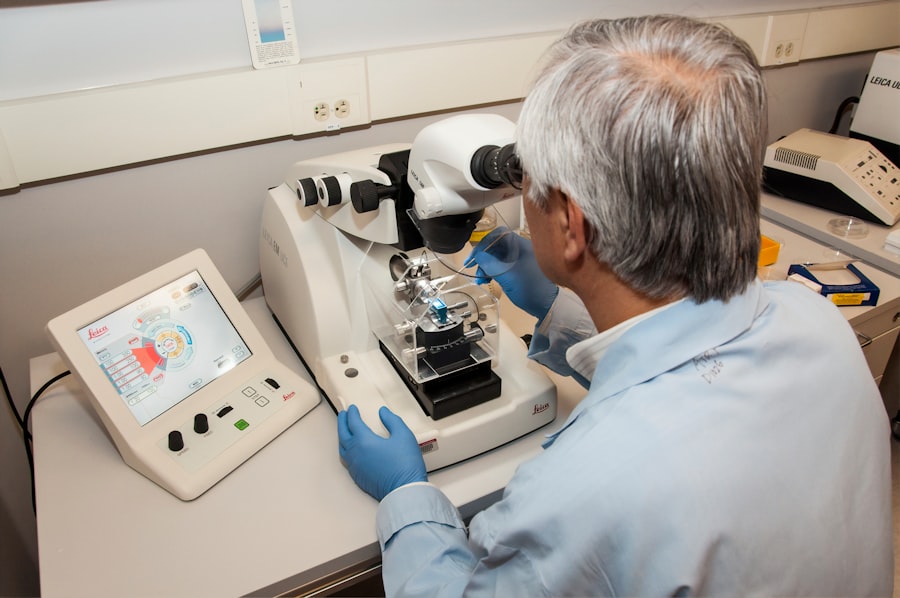
Understanding how DNA testing works is essential for anyone considering this option in the context of infidelity. The process typically involves collecting a sample—often saliva or blood—from the individuals involved. In my experience, these samples are then analyzed in a laboratory to compare genetic markers.
The results can reveal whether there is a biological relationship between individuals, such as confirming or denying paternity. The science behind DNA testing is fascinating yet complex. Each person’s DNA contains unique sequences that can be matched against others to establish familial connections.
As I delve deeper into this subject, I find myself intrigued by the advancements in technology that have made DNA testing more accessible and reliable than ever before. However, I also recognize that while the science is sound, the emotional ramifications of the results can be profound and far-reaching.
Case Studies of DNA Test Exposing Cheating
| Metric | Value | Description |
|---|---|---|
| Accuracy Rate | 99.9% | Probability that the DNA test correctly identifies biological relationships |
| Test Turnaround Time | 3-5 days | Average time to receive DNA test results |
| Percentage of Infidelity Cases Detected | 15-20% | Proportion of DNA tests revealing non-paternity or infidelity in tested cases |
| Sample Types | Buccal swab, blood, hair follicle | Common biological samples used for DNA testing |
| Cost Range | 100 – 300 | Typical cost range for a standard DNA paternity test |
| Legal Admissibility | Yes | Whether the DNA test results can be used in court proceedings |
Examining real-life case studies where DNA tests have exposed infidelity provides valuable insights into the emotional landscape surrounding these situations. One case that stands out to me involved a woman who suspected her partner was unfaithful after noticing changes in his behavior. After much deliberation, she decided to undergo DNA testing for their child, suspecting he might not be the biological father.
The results confirmed her worst fears—her partner had been unfaithful, leading to a cascade of emotions ranging from anger to heartbreak. Another compelling case involved a man who had long suspected his wife was cheating after she became increasingly distant. He opted for a DNA test on their child, driven by a need for certainty.
When the results revealed that he was not the biological father, it not only confirmed his suspicions but also forced him to confront the reality of his marriage. These case studies illustrate how DNA testing can serve as both a revelation and a catalyst for change, prompting individuals to reevaluate their relationships and priorities.
Legal Implications of DNA Test Results in Infidelity Cases
The legal implications of DNA test results in infidelity cases are significant and multifaceted. In my exploration of this topic, I have learned that such results can impact custody arrangements, child support obligations, and even divorce settlements. For instance, if a DNA test reveals that a partner is not the biological parent of a child, it may alter their legal responsibilities and rights regarding custody and support.
Additionally, I have come to understand that DNA test results can also play a role in divorce proceedings. In cases where infidelity is confirmed through testing, it may influence how assets are divided or how alimony is determined. The emotional fallout from these revelations often extends into legal battles, making it essential for individuals to seek legal counsel when navigating these complex situations.
Emotional Impact of Uncovering Infidelity Through DNA Testing
The emotional impact of uncovering infidelity through DNA testing cannot be overstated. In my reflections on this subject, I recognize that individuals may experience a whirlwind of emotions ranging from shock and betrayal to relief and empowerment. The confirmation of infidelity can shatter trust and lead to feelings of inadequacy or self-doubt.
It forces individuals to confront painful truths about their relationships and themselves. Moreover, I have observed that the aftermath of such revelations often involves a grieving process akin to mourning a loss. The dreams and expectations one had for the relationship may need to be reevaluated or abandoned altogether.
As I consider these emotional ramifications, I realize that seeking support from friends, family, or professionals can be crucial in navigating this tumultuous period.
Seeking Closure After DNA Test Results
Finding closure after receiving DNA test results related to infidelity is an essential step in the healing process. In my experience, closure does not necessarily mean forgiveness or reconciliation; rather, it involves coming to terms with the truth and allowing oneself to move forward. This journey may require introspection and self-reflection as I grapple with feelings of betrayal and loss.
I have learned that closure often involves open communication with one’s partner—if both parties are willing to engage in honest dialogue about what transpired. This conversation can be painful but necessary for understanding motivations and emotions surrounding the infidelity. Ultimately, seeking closure is about reclaiming one’s narrative and taking steps toward healing and personal growth.
Rebuilding Trust After Infidelity
Rebuilding trust after infidelity is an arduous journey that requires commitment from both partners. As I reflect on this process, I recognize that it involves more than just apologies; it necessitates consistent actions that demonstrate accountability and transparency. Trust cannot be rebuilt overnight; rather, it takes time and effort to mend the fractures caused by betrayal.
In my observations, establishing new boundaries and open lines of communication is vital for rebuilding trust. Both partners must be willing to engage in difficult conversations about their feelings and needs moving forward. This process may involve setting clear expectations and being patient with one another as they navigate their emotions together.
The Importance of Seeking Professional Help
Seeking professional help during this tumultuous time can be invaluable for individuals grappling with infidelity’s aftermath. In my experience, therapists or counselors can provide guidance and support as one navigates complex emotions and decisions. They offer a safe space for individuals to express their feelings without judgment while helping them develop coping strategies.
Moreover, professional help can facilitate constructive communication between partners who wish to rebuild their relationship after infidelity. Couples therapy can provide tools for addressing underlying issues and fostering understanding between partners. As I reflect on this aspect, I recognize that seeking help is not a sign of weakness but rather an essential step toward healing and growth.
Moving Forward After Infidelity
Moving forward after infidelity is undoubtedly challenging but also presents an opportunity for growth and transformation. As I contemplate this journey, I realize that it requires resilience and self-compassion as individuals navigate their emotions and decisions. Whether one chooses to rebuild their relationship or part ways, embracing the lessons learned from this experience can lead to personal development.
Ultimately, moving forward involves acknowledging the pain while also recognizing the potential for new beginnings. It is about reclaiming one’s narrative and making choices aligned with personal values and aspirations. As I reflect on this journey through infidelity, I am reminded that healing takes time but is possible with patience, support, and self-love.
For more insights on this topic, you can read the full article [here](https://www.amiwronghere.com/sample-page/). This discussion highlights the emotional and social ramifications that can arise when DNA tests uncover hidden secrets within families.
FAQs
What is a DNA test?
A DNA test is a scientific method used to analyze an individual’s genetic material to determine biological relationships, such as parentage or ancestry.
How can a DNA test reveal infidelity?
A DNA test can reveal infidelity by identifying whether a child’s biological father matches the presumed father. If the DNA does not match, it indicates that the child was conceived with someone other than the presumed partner.
What types of DNA tests are commonly used to detect infidelity?
Paternity tests are the most common type used to detect infidelity. These tests compare the child’s DNA with the alleged father’s DNA to confirm or exclude biological parentage.
Is a DNA test for infidelity legally admissible?
DNA test results can be legally admissible if conducted by accredited laboratories following proper chain-of-custody procedures. However, laws vary by jurisdiction, so it is important to consult legal advice for specific cases.
Can a DNA test be done without the other person’s consent?
In many cases, DNA testing requires consent from the individuals involved, especially adults. However, in some situations, such as testing a child, consent requirements may differ depending on local laws.
How accurate are DNA tests in revealing infidelity?
DNA tests are highly accurate, often exceeding 99.9% certainty in determining biological relationships, making them reliable tools for revealing infidelity.
What are the emotional implications of discovering infidelity through a DNA test?
Discovering infidelity through a DNA test can lead to emotional distress, including feelings of betrayal, anger, and confusion. It is often recommended to seek counseling or support during such times.
Can DNA testing be used to resolve custody disputes related to infidelity?
Yes, DNA testing can be used in custody disputes to establish biological parentage, which may influence custody decisions in family court.
How long does it take to get results from a DNA test?
Standard DNA test results typically take between a few days to two weeks, depending on the laboratory and type of test conducted.
Are there privacy concerns with DNA testing related to infidelity?
Yes, privacy is a significant concern. DNA samples and results contain sensitive personal information, so it is important to use reputable labs that ensure confidentiality and secure handling of data.