
Paternity testing has emerged as a crucial scientific method in contemporary society, offering definitive answers regarding biological parentage. Advancements in genetic technology have revolutionized our understanding of familial connections. These tests analyze DNA samples from the child and potential father to determine biological relationships with high accuracy.
The applications of paternity testing extend far beyond establishing biological relationships. They serve critical functions in legal proceedings, including determining child support obligations, resolving custody disputes, and establishing inheritance rights. Additionally, paternity confirmation can have significant psychological implications, potentially affecting an individual’s sense of identity and family dynamics.
Key Takeaways
- Paternity test reports include numerical values that indicate the probability of paternity and help determine inclusion or exclusion.
- The Combined Paternity Index (CPI) is crucial for assessing the strength of the genetic evidence supporting paternity.
- The likelihood ratio compares the probability of the child’s genetic markers matching the alleged father versus a random man.
- Various factors, such as mutations or sample quality, can affect the accuracy and interpretation of paternity test results.
- Understanding genetic markers and the alleged father’s DNA profile is essential for accurate and conclusive paternity testing.
What are the Numbers on a Paternity Test Report?
When I first encountered a paternity test report, I was struck by the array of numbers and percentages presented. These figures are not just arbitrary; they represent the statistical analysis of genetic markers that help determine the likelihood of paternity. Typically, a report will include a series of alleles—variations of genes—that are compared between the child and the alleged father.
Each marker provides insight into whether there is a biological connection. The numbers on a paternity test report can be overwhelming at first glance. However, they serve a crucial purpose in conveying the strength of the evidence.
For instance, a probability of paternity expressed as a percentage indicates how likely it is that the alleged father is indeed the biological parent. A figure above 99% is generally considered conclusive evidence of paternity, while lower percentages may suggest uncertainty or exclusion. Understanding these numbers is vital for anyone seeking clarity about their familial ties.
Understanding the Probability of Paternity
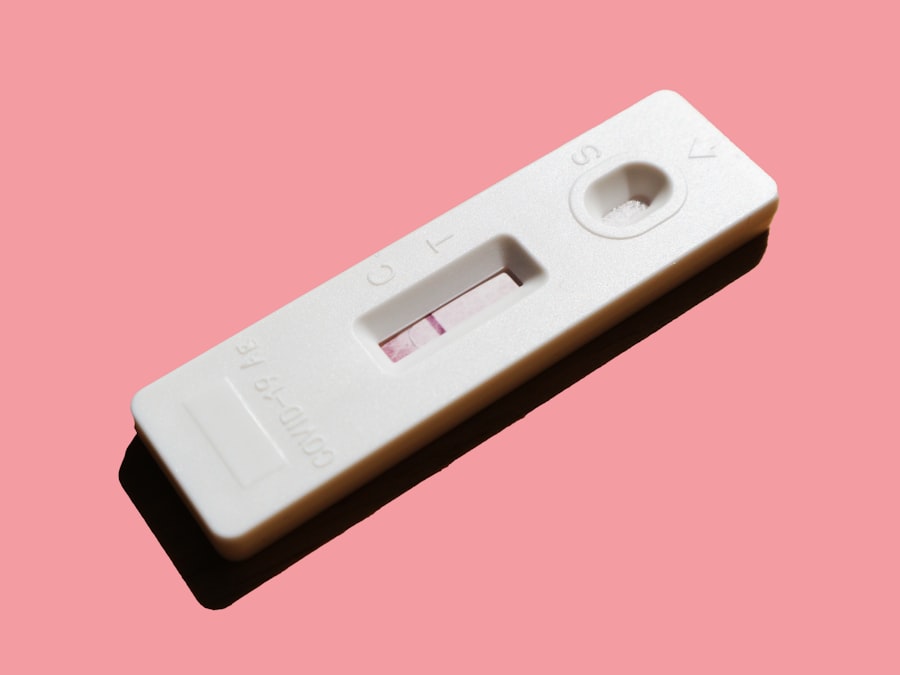
As I delve deeper into the concept of probability in paternity testing, I realize that it is rooted in statistical analysis and genetic inheritance patterns. The probability of paternity is calculated based on the presence or absence of specific genetic markers shared between the child and the alleged father. Each marker contributes to an overall probability score, which reflects how likely it is that the tested individual is the biological parent.
In my exploration of this topic, I have come to appreciate that a high probability does not merely indicate a biological connection; it also provides peace of mind for those involved. For many individuals, knowing that there is a 99.9% chance of paternity can alleviate doubts and foster stronger family bonds. Conversely, a lower probability can lead to difficult conversations and emotional turmoil, highlighting the importance of understanding these probabilities in context.
Interpreting paternity test results can be a complex process, especially when considering the concepts of inclusion and exclusion. When I think about inclusion, I envision a scenario where the alleged father shares enough genetic markers with the child to be considered a likely parent. This outcome can bring relief and joy to families seeking confirmation of their relationships.
On the other hand, exclusion occurs when the genetic markers do not align sufficiently to support a claim of paternity. This result can be disheartening and may lead to further questions about family dynamics and personal identity. As I reflect on these outcomes, I recognize that both inclusion and exclusion carry significant emotional weight for those involved.
Understanding how to interpret these results is crucial for navigating the complexities of familial relationships.
The Importance of the Combined Paternity Index (CPI)
One of the key components in understanding paternity test results is the Combined Paternity Index (CPI). This index serves as a numerical representation of how much more likely it is that the alleged father is the biological parent compared to an unrelated man from the same population. As I explore this concept further, I realize that the CPI provides a more nuanced understanding of paternity than simple percentages alone.
The CPI is calculated by multiplying the individual probabilities associated with each genetic marker tested. A higher CPI indicates stronger evidence supporting paternity, while a lower CPI suggests weaker evidence. For instance, a CPI of 1000 means that it is 1000 times more likely that the alleged father is the biological parent than an unrelated man.
This statistical framework allows for a clearer interpretation of results and helps individuals make informed decisions based on their unique circumstances.
Understanding the Likelihood Ratio
| Metric | Description | Typical Range/Value | Interpretation |
|---|---|---|---|
| Combined Paternity Index (CPI) | Likelihood ratio comparing probability that tested man is biological father vs unrelated man | >100 (strong evidence) | High CPI indicates strong support for paternity |
| Probability of Paternity (POP) | Statistical probability that tested man is biological father, derived from CPI | >99.9% | POP above 99.9% confirms paternity |
| Number of Tested Loci | Number of genetic markers analyzed in the test | 15-20 loci | More loci increase test accuracy and reliability |
| Exclusion | Presence of genetic markers that do not match between child and alleged father | 1 or more exclusions | Exclusion at one or more loci typically excludes paternity |
| Mutation Rate | Frequency of genetic mutations that may affect marker matching | Approximately 0.1% per locus | Mutations can explain rare mismatches without excluding paternity |
As I continue my journey into paternity testing, I encounter another critical concept: the likelihood ratio (LR). The LR compares two competing hypotheses: one where the alleged father is indeed the biological parent and another where he is not. This ratio provides valuable insight into how strongly the evidence supports one hypothesis over the other.
In practical terms, a likelihood ratio greater than 1 indicates that the evidence favors inclusion, while a ratio less than 1 suggests exclusion. For example, an LR of 10 means that the evidence is ten times more likely to support paternity than non-paternity. This statistical tool adds depth to our understanding of paternity test results and allows individuals to grasp the strength of evidence in their specific cases.
Factors that Affect Paternity Test Results

As I delve deeper into paternity testing, I become increasingly aware of various factors that can influence test results. One significant factor is the quality and type of DNA sample collected. Whether it’s from blood, saliva, or cheek swabs, each sample type can yield different levels of accuracy depending on how it is handled and processed.
Another factor to consider is genetic diversity within populations. Certain genetic markers may be more prevalent in specific ethnic groups, which can affect interpretation. Additionally, laboratory errors or contamination during sample collection can lead to inaccurate results.
As I reflect on these factors, I recognize that understanding them is essential for interpreting paternity test outcomes accurately and responsibly.
How to Interpret Indeterminate Results
Indeterminate results can be particularly challenging for individuals seeking clarity about their familial relationships. When faced with such results, I find it crucial to approach them with an open mind and an understanding of what they mean. Indeterminate results typically occur when there is insufficient evidence to confirm or exclude paternity definitively.
In these cases, further testing may be necessary to obtain clearer answers. This could involve retesting with additional genetic markers or even including other family members in the testing process to provide more context. As I consider these possibilities, I realize that indeterminate results do not signify failure; rather, they highlight the complexity of genetics and familial connections.
The Role of Genetic Markers in Paternity Testing
Genetic markers play a pivotal role in paternity testing by providing measurable traits that can be compared between individuals. These markers are specific sequences in DNA that vary among individuals and can be inherited from parents to children. As I explore this aspect further, I appreciate how these markers serve as fingerprints for familial relationships.
In practice, laboratories analyze multiple genetic markers to create a comprehensive profile for both the child and the alleged father.
This thorough approach allows for a robust comparison that can yield definitive conclusions about paternity.
Understanding the role of genetic markers helps me appreciate the scientific rigor behind paternity testing and its ability to provide clarity in complex situations.
Explaining the Importance of the Alleged Father’s DNA Profile
The DNA profile of the alleged father is central to any paternity test. Without this profile, it would be impossible to establish a biological connection between him and the child in question. As I reflect on this importance, I recognize that obtaining an accurate DNA sample from the alleged father is crucial for reliable results.
The DNA profile serves as a baseline against which the child’s genetic markers are compared. It contains information about inherited traits that can either confirm or exclude paternity based on shared alleles. In many cases, individuals may hesitate to participate in testing due to fear or uncertainty about what the results may reveal.
However, understanding that this process is designed to provide clarity can encourage more people to engage with it openly.
Making Sense of Paternity Test Results
As I conclude my exploration of paternity testing, I am struck by its profound implications for individuals and families alike. The journey through understanding probabilities, interpreting results, and recognizing factors influencing outcomes has illuminated how complex yet essential this process can be. Paternity tests offer not only scientific insights but also emotional resolutions for those seeking answers about their familial connections.
Ultimately, making sense of paternity test results requires careful consideration and an understanding of both statistical analysis and human emotions involved in these situations. Whether one receives confirmation or exclusion regarding biological ties, it is essential to approach these outcomes with empathy and openness. In navigating this intricate landscape, we can foster stronger relationships and promote understanding within families as we seek to uncover our true identities.
When interpreting paternity test results, it’s essential to understand the implications and the science behind the testing process. For a deeper insight into this topic, you can refer to the article available at this link, which provides valuable information on how to accurately interpret the results and what they mean for all parties involved.
FAQs
What is a paternity test?
A paternity test is a scientific method used to determine whether a man is the biological father of a child. It typically involves comparing DNA samples from the child, the mother, and the alleged father.
How are paternity test results presented?
Paternity test results are usually presented as a probability of paternity, expressed as a percentage, along with a DNA index number (DPI). A probability of 99.9% or higher generally indicates that the tested man is the biological father.
What does a 0% probability mean in paternity testing?
A 0% probability means that the tested man is excluded as the biological father of the child based on the DNA evidence.
Can paternity test results be 100% certain?
While no test can guarantee 100% certainty, paternity tests with a probability of 99.9% or higher are considered conclusive and reliable in legal and medical contexts.
What factors can affect the accuracy of paternity test results?
Factors that can affect accuracy include sample contamination, laboratory errors, mutations in DNA markers, and improper sample collection. Using accredited laboratories minimizes these risks.
Is the mother’s DNA always required for a paternity test?
The mother’s DNA is not always required but including it can increase the accuracy and clarity of the test results by helping to identify which DNA markers come from the mother and which come from the father.
How long does it take to get paternity test results?
Results typically take between 2 to 5 business days after the laboratory receives the samples, though expedited services may be available.
Are paternity test results legally binding?
Paternity test results can be legally binding if the test is conducted by an accredited laboratory following chain-of-custody procedures. Informal tests may not be accepted in court.
Can paternity test results be challenged?
Yes, paternity test results can be challenged if there is evidence of errors, fraud, or if a different testing method is requested. Courts may order additional testing if necessary.
What should I do if the paternity test results are inconclusive?
If results are inconclusive, additional testing with more DNA markers or retesting may be recommended to obtain a definitive answer. Consulting with a genetic counselor or legal expert can also be helpful.