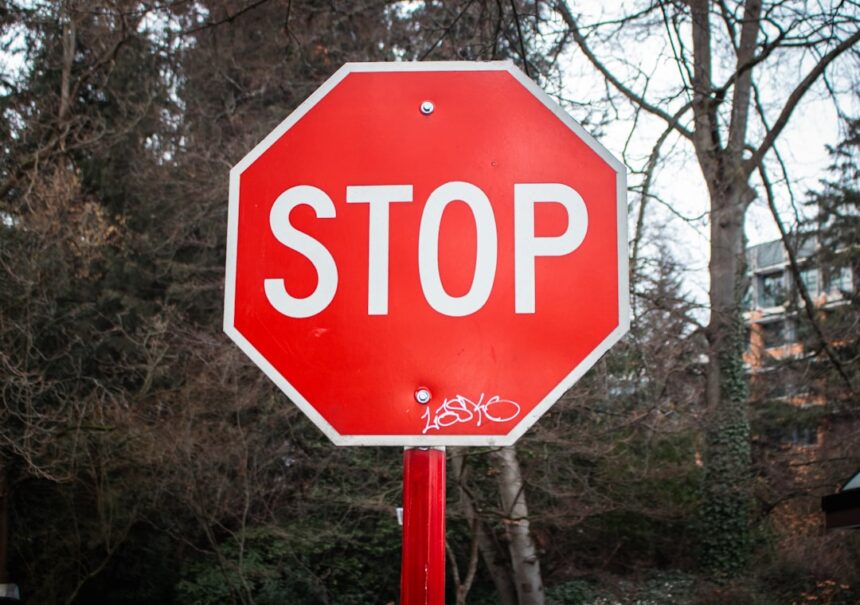
A Stop Work Notice is a formal directive used in construction and various industries to immediately halt operations. This legal document is typically issued by government agencies, regulatory bodies, or project owners to suspend work activities temporarily. Stop Work Notices carry significant consequences for project timelines, budgets, and overall completion schedules.
Stop Work Notices are issued under specific circumstances that require immediate cessation of activities. Common triggers include safety violations, regulatory non-compliance, permit issues, environmental concerns, or contractual disputes. The notice serves multiple purposes: protecting worker safety, ensuring regulatory compliance, preventing further violations, and providing time to resolve underlying issues.
The legal implications of receiving a Stop Work Notice are substantial. Failure to comply with such directives can result in fines, legal action, project delays, and potential criminal liability in severe cases. The notice creates binding obligations for all parties involved in the project, including contractors, subcontractors, and workers.
Understanding the proper response procedures and legal requirements associated with Stop Work Notices is essential for project managers, contractors, and construction professionals to minimize disruptions and ensure compliance with applicable regulations.
Key Takeaways
- A Stop Work Notice is issued to halt work due to safety, legal, or regulatory concerns.
- It is triggered by violations such as unsafe conditions or non-compliance with laws.
- Ignoring a Stop Work Notice can lead to legal penalties and project delays.
- Government agencies play a key role in issuing and enforcing these notices.
- Proper response and preventive measures are essential to avoid work stoppages.
What Triggers a Stop Work Notice
As I reflect on the factors that can lead to the issuance of a Stop Work Notice, I recognize that they often stem from serious concerns regarding safety or compliance. For instance, if I were managing a construction site and an inspector identified hazardous conditions that could endanger workers or the public, a Stop Work Notice would likely be issued to prevent any potential accidents. This immediate halt allows for the necessary evaluations and corrections to be made before work can safely resume.
Additionally, I have learned that contractual disputes can also trigger a Stop Work Notice. If there are disagreements between parties regarding the terms of a contract or if one party fails to meet their obligations, the other party may choose to issue a Stop Work Notice as a means of protecting their interests. This action serves as a formal warning that work must cease until the issues are resolved, highlighting the importance of clear communication and adherence to contractual agreements.
The Purpose of a Stop Work Notice

The primary purpose of a Stop Work Notice is to ensure safety and compliance within a project. When I consider the potential risks associated with construction and other industries, it becomes clear that halting work can prevent accidents and protect workers’ lives. By issuing this notice, authorities can take the necessary time to assess the situation, investigate any violations, and implement corrective measures before allowing work to continue.
Moreover, I have come to appreciate that a Stop Work Notice serves as a protective measure for all parties involved in a project. It provides an opportunity for stakeholders to address any concerns or disputes without further complicating matters through continued work. This pause can facilitate discussions and negotiations that may lead to resolutions beneficial for everyone involved.
Ultimately, the purpose of a Stop Work Notice extends beyond merely stopping work; it aims to foster an environment of safety and compliance.
Legal Implications of a Stop Work Notice
The legal implications surrounding a Stop Work Notice are significant and multifaceted. When I consider the potential consequences of ignoring such a notice, I realize that it can lead to legal action against the responsible parties. In many jurisdictions, failing to comply with a Stop Work Notice can result in fines, penalties, or even criminal charges in severe cases.
This reality underscores the importance of understanding the legal framework surrounding these notices. Furthermore, I have learned that a Stop Work Notice can also impact contractual relationships.
The legal ramifications can extend beyond immediate penalties; they may also affect future business opportunities and reputations within the industry. Therefore, it is essential for me to approach any Stop Work Notice with seriousness and an understanding of its potential legal consequences.
How to Respond to a Stop Work Notice
| Aspect | Description | Purpose | Common Issuers | Typical Duration |
|---|---|---|---|---|
| Definition | A formal order to halt work on a construction or project site. | To ensure safety, compliance, or address violations before work continues. | Government agencies, safety inspectors, project managers. | Varies; from hours to weeks depending on issue resolution. |
| Reasons for Issuance | Safety hazards, regulatory non-compliance, permit issues, environmental concerns. | Prevent accidents, legal violations, or environmental damage. | Occupational safety authorities, building inspectors. | Until corrective actions are completed and approved. |
| Legal Implications | Work cannot legally proceed until notice is lifted. | Enforce compliance and protect workers/public. | Courts or regulatory bodies may be involved if ignored. | Duration depends on legal or regulatory process. |
| Effect on Project | Delays, increased costs, potential contractual penalties. | Encourages prompt resolution of issues. | Project owners, contractors, subcontractors. | Varies based on issue complexity and response time. |
When faced with a Stop Work Notice, my first instinct would be to carefully review the document and understand its contents fully. It is crucial for me to identify the specific reasons for the notice and any required actions outlined within it. This initial assessment will guide my response and help me determine the best course of action moving forward.
Next, I would prioritize communication with relevant stakeholders. Engaging in discussions with project owners, contractors, or regulatory agencies can provide clarity on the issues at hand and facilitate resolution. Depending on the circumstances, I may need to develop a plan to address the concerns raised in the notice.
This could involve implementing safety measures, rectifying compliance issues, or negotiating terms with other parties involved in the project. By taking proactive steps in response to a Stop Work Notice, I can work towards resolving the situation efficiently and minimizing disruptions.
Consequences of Ignoring a Stop Work Notice

Ignoring a Stop Work Notice is not an option I would consider lightly, as the consequences can be dire. One of the most immediate repercussions is the potential for legal action against me or my organization. Regulatory agencies take these notices seriously, and failure to comply can result in hefty fines or even criminal charges in extreme cases.
Additionally, I recognize that ignoring a Stop Work Notice can damage professional relationships and reputations within the industry. If I were to disregard such an order, it could lead to distrust among stakeholders and create barriers for future collaborations.
The long-term effects on my career or business could be detrimental, making it imperative for me to approach any Stop Work Notice with respect and urgency.
The Role of Government Agencies in Issuing Stop Work Notices
Government agencies play a pivotal role in issuing Stop Work Notices, acting as regulators tasked with ensuring safety and compliance within various industries. When I think about their responsibilities, it becomes clear that these agencies are often on the front lines of monitoring projects for adherence to laws and regulations. Their authority allows them to intervene when they identify potential hazards or violations that could jeopardize public safety.
Moreover, I have learned that government agencies often provide guidance and resources to help organizations understand compliance requirements. By issuing Stop Work Notices when necessary, they not only protect workers but also uphold industry standards that benefit society as a whole. Their involvement underscores the importance of regulatory oversight in maintaining safe working environments and ensuring that projects adhere to established guidelines.
How to Prevent a Stop Work Notice
Preventing a Stop Work Notice requires proactive measures and diligent oversight throughout the course of any project. One key strategy I have identified is maintaining open lines of communication among all stakeholders involved. By fostering an environment where concerns can be raised and addressed promptly, I can mitigate potential issues before they escalate into situations warranting a Stop Work Notice.
Additionally, regular inspections and audits are essential in ensuring compliance with safety regulations and contractual obligations. By conducting thorough assessments of work sites and practices, I can identify areas for improvement and implement necessary changes proactively. Investing in training programs for workers on safety protocols and compliance requirements further enhances my ability to prevent incidents that could lead to a Stop Work Notice.
Examples of Situations Where a Stop Work Notice Might Be Issued
There are numerous scenarios where a Stop Work Notice might be issued, each highlighting different aspects of safety and compliance concerns. For instance, if I were overseeing a construction project and discovered that workers were not using proper safety equipment while operating heavy machinery, this would likely trigger an immediate Stop Work Notice until safety protocols were reinforced. Another example could involve environmental violations during construction activities.
If my project were found to be impacting local wildlife habitats or water quality due to improper waste disposal practices, regulatory agencies might issue a Stop Work Notice to halt operations until corrective measures were implemented. These examples illustrate how diverse triggers for Stop Work Notices can be while emphasizing their role in promoting safety and environmental stewardship.
The Difference Between a Stop Work Notice and a Cease and Desist Order
While both Stop Work Notices and Cease and Desist Orders serve as formal directives to halt certain activities, they differ significantly in their scope and application. A Stop Work Notice typically pertains specifically to construction projects or work-related activities where safety or compliance issues arise. In contrast, a Cease and Desist Order is broader in nature and may apply to various legal matters beyond construction.
When I consider these distinctions, it becomes clear that understanding the context in which each order is issued is crucial for effective compliance. A Cease and Desist Order may address issues such as intellectual property infringement or unlawful business practices, while a Stop Work Notice focuses primarily on halting work due to safety or regulatory concerns within specific projects.
Understanding the Importance of Compliance with Stop Work Notices
In conclusion, my exploration of Stop Work Notices has illuminated their critical role in ensuring safety and compliance across various industries. From understanding what triggers these notices to recognizing their legal implications and consequences of ignoring them, I have gained valuable insights into their significance in project management. As I reflect on this knowledge, it becomes evident that compliance with Stop Work Notices is not merely about adhering to regulations; it is about fostering an environment where safety is prioritized, disputes are resolved amicably, and projects can proceed without unnecessary delays or risks.
By embracing proactive measures and maintaining open communication among stakeholders, I can contribute positively to my industry while safeguarding both workers’ well-being and project integrity.
A stop work notice is a formal communication issued to halt ongoing work on a project, often due to safety concerns, contractual disputes, or regulatory issues. Understanding the implications and procedures surrounding such notices is crucial for both contractors and clients. For a more in-depth exploration of this topic, you can refer to the related article on this subject at this link.
📌WATCH THIS! They Tried to Steal My House, So I Made the City Tear It Down
FAQs
What is a stop work notice?
A stop work notice is an official order issued by a regulatory authority or project manager that requires all or part of a construction or work site to cease operations immediately. It is typically issued due to safety violations, legal non-compliance, or other significant concerns.
Who can issue a stop work notice?
Stop work notices can be issued by government inspectors, safety officers, building authorities, or project managers who have the legal authority to halt work on a site to address violations or hazards.
Why is a stop work notice issued?
A stop work notice is issued to prevent unsafe working conditions, ensure compliance with laws and regulations, address environmental concerns, or halt work due to permit or licensing issues.
What happens after a stop work notice is issued?
After a stop work notice is issued, all work must cease immediately. The responsible party must address the issues cited in the notice, such as correcting safety hazards or obtaining necessary permits, before work can resume.
Is a stop work notice legally binding?
Yes, a stop work notice is legally binding. Ignoring or violating the notice can result in fines, legal penalties, or further enforcement actions.
How long does a stop work notice last?
The duration of a stop work notice depends on the nature of the violation and how quickly the issues are resolved. Work can only resume once the issuing authority confirms that all concerns have been adequately addressed.
Can a stop work notice be appealed?
In many jurisdictions, the recipient of a stop work notice has the right to appeal or request a hearing to contest the notice. The specific process and timeframe for appeals vary by location and governing body.
What is the difference between a stop work notice and a stop work order?
While the terms are often used interchangeably, a stop work order is typically a formal directive issued by a government agency, whereas a stop work notice may be an internal communication within a company. Both require work to cease until issues are resolved.
Does a stop work notice affect project timelines?
Yes, a stop work notice can delay project timelines as work must halt until compliance is achieved. This can impact budgets, schedules, and overall project completion.
How can contractors prevent receiving a stop work notice?
Contractors can prevent stop work notices by adhering to safety regulations, obtaining all necessary permits, maintaining proper documentation, conducting regular inspections, and promptly addressing any identified issues.