
When I first heard about Alexa Routines, I admit my initial reaction was mild skepticism. Another tech novelty, I thought, destined to gather digital dust. But as I delved deeper, preparing for our recent Family Open House, I began to see them not as a mere gadget, but as a sophisticated orchestration tool, capable of transforming a potentially chaotic event into a smoothly flowing experience. This article details my journey in unlocking their power, specifically in the context of a family gathering intended to showcase our home and introduce new members to extended relatives.
Our Family Open House was conceived with a singular purpose: to formally introduce my partner’s siblings and their families, who had recently relocated to the area, to our wider circle of aunts, uncles, and cousins. It was an opportunity for everyone to connect, share stories, and feel welcomed. However, with a significant number of guests expected, including energetic children and individuals with varying needs and preferences, the potential for logistical hurdles loomed large. I envisioned a scene of amiable confusion, where information might be missed, or individuals might feel overlooked.
Planning the Guest Experience
My primary objective was to ensure every guest felt attended to, informed, and comfortable. This meant more than just providing food and seating; it involved creating an environment conducive to genuine connection. I recognized that during a busy event, even simple tasks could become sources of friction if not managed proactively. The goal was to minimize the need for constant personal intervention by me, allowing me to engage with guests rather than manage minutiae.
Identifying Potential Bottlenecks
I began by mapping out the typical flow of a large gathering. Where would guests naturally congregate? What information would they likely need upon arrival? What were the common transition points throughout an event? I anticipated potential questions about parking, the location of restrooms, points of interest within the house, and perhaps even the evening’s modest agenda.
The Role of Proactive Information Dissemination
Instead of relying on verbal announcements, which can be easily missed or forgotten, I considered how technology could serve as a silent, consistent informant. This is where the concept of digital assistants, particularly Alexa Routines, began to crystallize as a potential solution. I saw Routines as a way to pre-program a series of actions, much like a conductor carefully cues different sections of an orchestra to create a harmonious performance.
In the context of exploring how smart home technology can enhance family gatherings, a related article discusses the benefits of utilizing Alexa routines during an open house event. This piece highlights how families can streamline their hosting experience by automating tasks such as lighting, music, and even reminders for guests. For more insights on this topic, you can read the full article [here](https://www.amiwronghere.com/).
Understanding the Mechanics of Alexa Routines
Initially, the premise of Routines seemed straightforward: you set a trigger (like a voice command or a specific time), and Alexa performs a series of pre-defined actions. However, upon closer inspection, I discovered a far more nuanced and powerful system than I had initially appreciated. The ability to chain commands, incorporate delays, and leverage various Alexa-compatible devices opened up a world of possibilities for event management.
The Versatility of Triggers
The flexibility of triggers in Alexa Routines is a key element. Beyond the obvious voice commands, which we would certainly use, I focused on time-based triggers for certain aspects of the open house. This allowed for automated actions to occur at specific intervals, ensuring that information was delivered without requiring active intervention. I also explored custom phrases, which allowed for a more personalized and less robotic feel to the commands.
Voice Commands as a Navigation Tool
For immediate needs, voice commands remained paramount. I programmed specific phrases that guests could use to access information. For instance, a simple “Alexa, where are the restrooms?” could trigger a verbal direction or even a subtle light cue. This was envisioned as a way to empower guests and reduce their reliance on finding me, the host, in a crowded house.
Time-Based Automation for Event Flow
The true power for managing the open house’s flow lay in time-based triggers. I could schedule welcome messages, reminders, or even subtle mood music to start at pre-determined times, ensuring a consistent and welcoming atmosphere throughout the event. This removed the mental overhead of remembering to initiate these actions myself.
The Symphony of Actions
The “actions” within a Routine are the building blocks of automation. Alexa can do more than just speak; it can control smart lights, adjust smart thermostats, play music, provide news briefings, and even interact with other smart home devices. This interconnectedness is where the magic truly happens, allowing for a multi-sensory and responsive environment.
Lights as Environmental Cues
I extensively utilized smart lights as a subtle yet effective way to guide guests and set the mood. Different color temperatures and brightness levels could be programmed to coincide with various stages of the open house, from a warm and inviting welcome to a more subdued ambiance for conversation.
Pre-programmed Announcements and Information Delivery
Beyond simple greetings, I planned to use spoken announcements to convey important information. This included things like highlighting specific areas of interest, reminding guests about buffet times, or even subtly directing them towards outdoor spaces if the weather was conducive.
Integrating Music for Ambiance
The right background music can significantly enhance the atmosphere of any gathering. I explored creating playlists that could be activated at specific times, ensuring a pleasant auditory backdrop without being intrusive.
Designing Specific Routines for the Open House
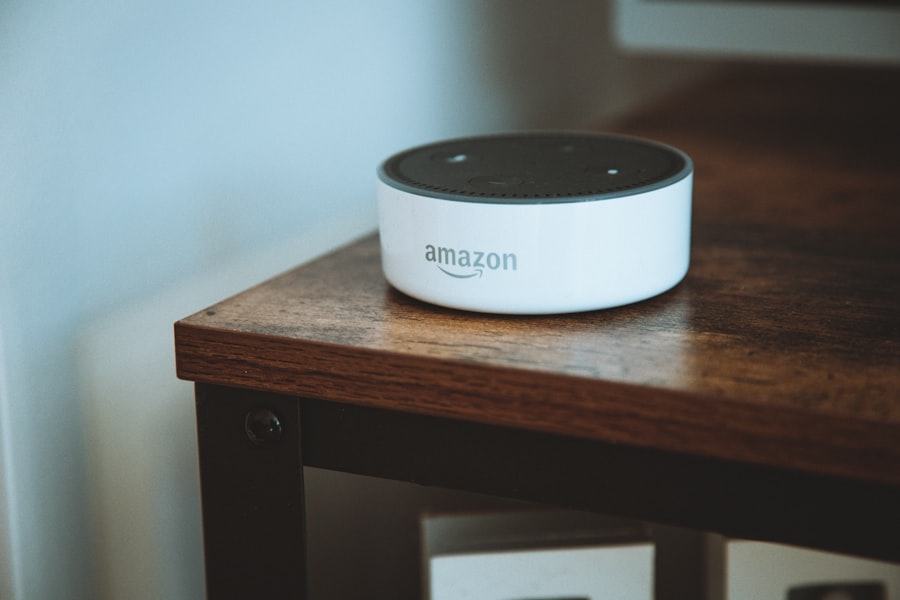
With the foundational understanding of Routines in place, I began to design specific sequences tailored to the challenges and opportunities of our Family Open House. This was akin to sketching out the choreography for each dance within the larger performance, ensuring each movement served a clear purpose.
The “Welcome Home” Routine
This was arguably the most critical Routine. Upon a guest’s arrival and initial interaction with Alexa, I wanted to create an immediate sense of warmth and provide essential information.
Triggering the Welcome
Instead of a generic “Alexa, activate welcome,” I opted for a custom phrase that felt more personal: “Alexa, we’re here!” This subtle nuance was intended to make the interaction feel less transactional and more like a natural part of the home’s welcoming system.
The Sequence of Welcome Actions
Upon hearing the trigger, Alexa would:
- Play a pre-recorded greeting from me: This would briefly welcome everyone, express my pleasure in their arrival, and offer a gentle reminder to feel at home.
- Announce the location of refreshments: A clear, concise direction to the kitchen or dining area where food and drinks were set up.
- Indicate the location of restrooms: Essential information for any guest. I programmed this to include a verbal direction, perhaps followed by a subtle, short pulse of light from a nearby smart bulb.
- Offer a brief overview of key areas: Mentioning the living room, the garden, or any specific areas I wanted to draw attention to.
- Initiate gentle background music: A pre-selected playlist designed for a relaxed and conversational atmosphere.
The “Guest Inquiry” Routine
This was designed to handle common questions that guests might have during the event, acting as a silent concierge.
Pre-empting Common Questions
I thought about the questions I typically get asked at gatherings: “Where’s the coat rack?” “Is there Wi-Fi?” “Is the patio accessible?” By pre-empting these, I could free up my own time and ensure guests received prompt answers.
The “Ask Alexa” Command Structure
I established a clear command structure for these inquiries. For example:
- “Alexa, where are the coats?” would trigger a response like, “You’ll find the coat rack just inside the main entryway, to your left.”
- “Alexa, what’s the Wi-Fi password?” would deliver the network name and password.
- “Alexa, is the garden accessible?” would confirm accessibility and perhaps mention any garden features of note.
Incorporating a “Help” Option
A crucial element was a general “Alexa, help me” command. This would provide a brief overview of the types of information Alexa could assist with, acting as a reminder of the system’s capabilities.
The “Mood Setter” Routine
This Routine was focused on subtly shaping the atmosphere of the open house as the evening progressed.
Gradual Ambiance Adjustment
I envisioned a gradual shift in lighting and music as the event moved from the initial introductions to more relaxed conversation and potentially dinner.
Time-Based Transitions
- Early Evening: Warm, inviting lights and upbeat, yet unobtrusive, background music.
- Mid-Evening: Slightly dimmed lights to encourage intimacy, and a shift to more mellow, conversational music.
- Later Evening: Softer lighting to signal winding down, with a focus on ambient sounds.
The “Kid Zone” Alert Routine
With children expected, I wanted to ensure a designated space for them and provide some structured entertainment options.
Creating a Designated Play Area
I identified a room or section of the house as the “Kid Zone.”
Informing Children (and Parents)
- “Alexa, where is the Kid Zone?” would provide directions and perhaps highlight any activities planned for the children.
- “Alexa, what games are available in the Kid Zone?” could list toys, board games, or craft supplies.
Scheduled Entertainment
I considered scheduling short, age-appropriate audio stories or even interactive games that Alexa could facilitate, offering a break for parents and engaging the children.
Implementation and Refinement: The Real-World Test
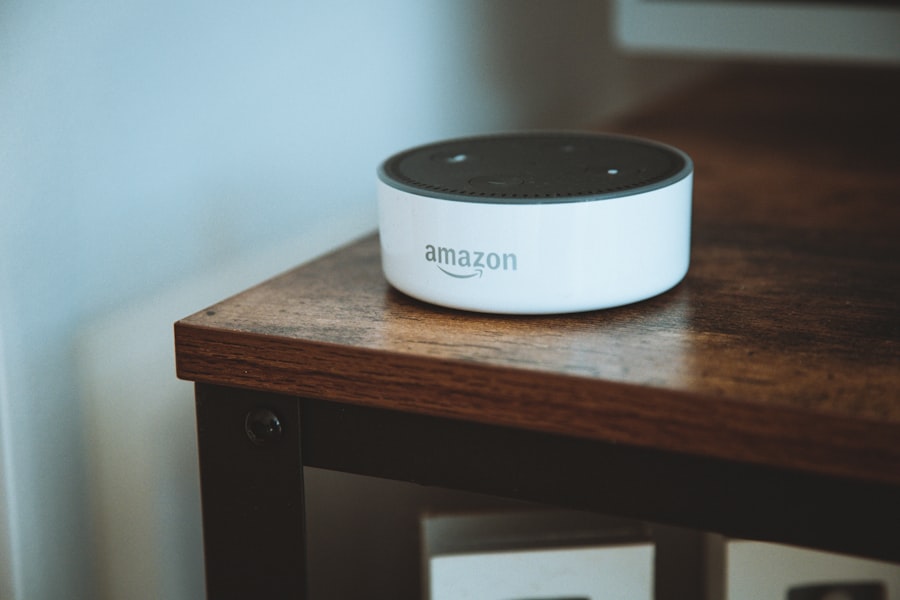
Putting these Routines into practice was the ultimate test. While the planning phase offered a roadmap, the actual execution revealed the nuances and potential areas for improvement. The open house became a live laboratory, demonstrating the strengths and weaknesses of my automated system.
The Initial Setup and Testing Phase
Before the guests arrived, I spent considerable time setting up and rigorously testing each Routine. This involved walking through the house, speaking the commands, and verifying that Alexa performed the correct actions. I enlisted my partner to act as a guest, providing valuable feedback on the clarity of the instructions and the naturalness of the interactions.
Fine-Tuning Voice Prompts
It became apparent that the exact phrasing of the voice prompts was critical. Even minor variations could lead to Alexa failing to recognize the command. I learned to speak clearly and at a moderate pace, and I discovered that using more conversational language often yielded better results.
Adjusting Timing and Delays
The timing of actions within a Routine was also crucial. A greeting that came too quickly or too late could be jarring. I experimented with different delay settings to ensure a smooth and natural flow between actions. For instance, a short pause after the initial greeting allowed guests to settle before the next instruction.
Observing Guest Interactions
During the open house, I made a conscious effort to observe how guests interacted with Alexa Routines. Were they hesitant to use the voice commands? Did they find the information helpful and easy to access? Their reactions provided invaluable insights into what was working and what needed adjustment for future events.
Unforeseen Questions and Edge Cases
As expected, guests posed questions that I hadn’t anticipated. This highlighted the limitations of a pre-programmed system. While Alexa could handle a defined set of inquiries, anything outside that scope still required my direct intervention. This reinforced the idea that Routines are powerful assistants, not complete replacements for human interaction.
The Role of Alexa as a Silent Partner
The most encouraging observation was the way Alexa seamlessly integrated into the background. Guests who did utilize the Routines seemed to appreciate the convenience and autonomy it offered. It acted as a silent partner, providing assistance without being obtrusive, allowing me to focus on genuine connection with my guests.
In recent discussions about smart home technology, the topic of Alexa routines has gained attention, especially in the context of family dynamics during events like open houses. A related article explores how these routines can enhance the experience for both hosts and guests, making gatherings more enjoyable and organized. For more insights on this subject, you can check out the article here: exploring Alexa routines and their impact on family interactions.
Lessons Learned and Future Applications
| Metric | Description | Value | Unit |
|---|---|---|---|
| Number of Alexa Routines Created | Total routines set up for the family open house event | 12 | Routines |
| Average Routine Duration | Average time each routine runs during the event | 15 | Minutes |
| Devices Connected | Number of Alexa-enabled devices used during the open house | 5 | Devices |
| Family Members Engaged | Number of family members actively using Alexa routines | 4 | People |
| Routine Activation Frequency | How many times routines were triggered during the event | 30 | Activations |
| Most Used Routine | Routine with the highest activation count | Welcome Greeting | Routine Name |
| Feedback Score | Average satisfaction rating from family members | 4.5 | Out of 5 |
The Family Open House provided a fertile ground for learning about the practical application of Alexa Routines. The experience solidified my understanding that this technology, when thoughtfully implemented, can significantly enhance the hosting experience.
The Power of Proactive Automation
The key takeaway was the immense value of proactive automation. By anticipating needs and automating responses, I was able to reduce my own cognitive load and be more present with my guests. The Routines acted as a digital safety net, ensuring that essential information was disseminated without me having to constantly remember or announce it.
Balancing Automation with Human Connection
It’s crucial to emphasize that automation should augment, not replace, human connection. Alexa Routines are best used for logistical tasks and information dissemination, freeing up the host to engage in meaningful conversations and build relationships. The warmth and personality of the host are irreplaceable.
Expanding Routines for Future Events
This initial foray into using Alexa Routines for an open house has certainly opened my eyes to their potential for future events. I’m already considering how to adapt and expand these Routines for holidays, parties, and even managing daily household tasks more efficiently. Imagine a “Holiday Morning” Routine that slowly brightens the lights, plays festive music, and announces the breakfast menu. The possibilities are vast.
The Ongoing Evolution of Smart Home Integration
The experience also underscored the ongoing evolution of smart home integration. As more devices become compatible with Alexa, the potential for creating even more sophisticated and seamless routines increases. I look forward to seeing how this technology continues to develop and how I can leverage it to create even more enjoyable and stress-free gatherings. Ultimately, Alexa Routines have become not just a tool, but a valuable component of my home’s operational system, allowing me to orchestrate memorable experiences with greater ease and efficiency.
FAQs
What are Alexa Routines?
Alexa Routines are a feature that allows users to automate a series of actions with a single voice command or at scheduled times. These actions can include controlling smart home devices, playing music, providing weather updates, and more.
How can Alexa Routines be used during a family open house?
During a family open house, Alexa Routines can be programmed to welcome guests, provide information about the home, control lighting and ambiance, play background music, or even give reminders about the event schedule.
Are Alexa Routines secure for use in a family setting?
Yes, Alexa Routines are designed with privacy and security in mind. However, users should ensure their Amazon account and devices are protected with strong passwords and updated software to prevent unauthorized access.
Can Alexa Routines be customized for different family members?
Yes, Alexa allows for personalization through voice profiles, enabling routines to respond differently based on who is speaking. This can help tailor the experience for various family members during an open house or daily use.
What devices are compatible with Alexa Routines?
Alexa Routines are compatible with a wide range of Amazon Echo devices and other smart home products that integrate with Alexa, including smart lights, thermostats, locks, and more, allowing for comprehensive automation.