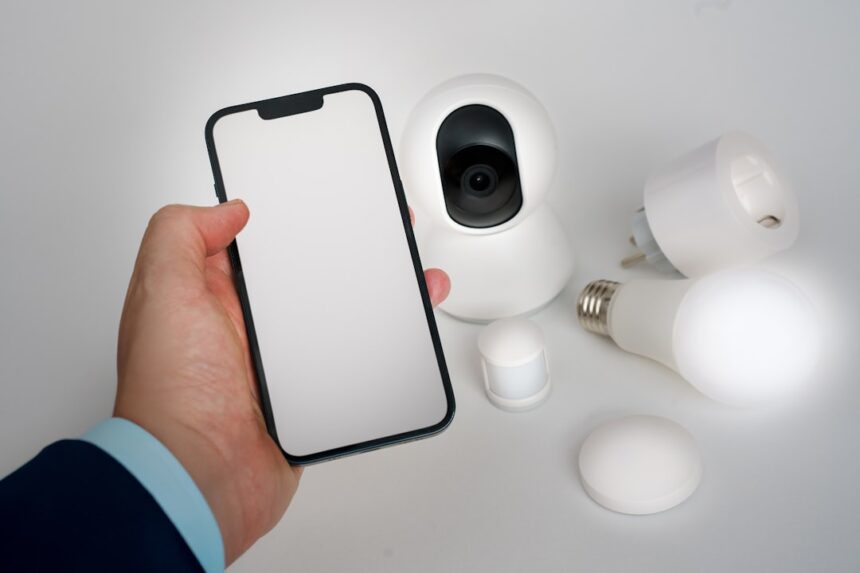
In recent years, the rise of smart home devices has transformed the way we interact with our living spaces. These gadgets, ranging from smart speakers to security cameras, have made our homes more convenient, efficient, and secure. I find it fascinating how technology has evolved to the point where I can control various aspects of my home with just a few taps on my smartphone.
The integration of artificial intelligence and the Internet of Things (IoT) has not only enhanced our daily lives but has also opened up new avenues for monitoring and surveillance. As I delve deeper into the world of smart home technology, I realize that these devices can serve multiple purposes beyond mere convenience. They can also play a role in personal relationships, particularly when it comes to trust and fidelity.
The idea of using smart home devices to monitor a partner’s behavior may seem intrusive to some, but for others, it can provide a sense of security and peace of mind. In this article, I will explore the signs of cheating in a relationship and how smart home devices can assist in uncovering the truth.
Key Takeaways
- Smart home devices offer various tools like cameras and alerts to help monitor suspicious behavior in relationships.
- Surveillance through smart home cameras and communication tracking can provide evidence of potential cheating.
- Location tracking and social media monitoring via smart technology can reveal hidden activities.
- It is crucial to consider privacy rights and legal implications when using smart devices for surveillance.
- Open communication and professional support are important steps after gathering information through smart home technology.
Signs of Cheating in a Relationship
When I think about infidelity, several signs come to mind that may indicate a partner is being unfaithful. One of the most common indicators is a sudden change in behavior. If my partner becomes secretive or starts spending more time away from home without a clear explanation, it raises red flags.
Additionally, I might notice changes in their communication patterns, such as an increased use of their phone or a reluctance to share details about their day. These subtle shifts can often signal that something is amiss. Another sign that I pay attention to is emotional distance.
If my partner seems less engaged or affectionate than usual, it could be a sign that they are investing their emotional energy elsewhere. I also consider changes in intimacy; a decline in physical affection or an abrupt shift in sexual dynamics can be telling. While these signs are not definitive proof of cheating, they can certainly warrant further investigation and reflection on the state of the relationship.
How Smart Home Devices Can Help Catch Cheating
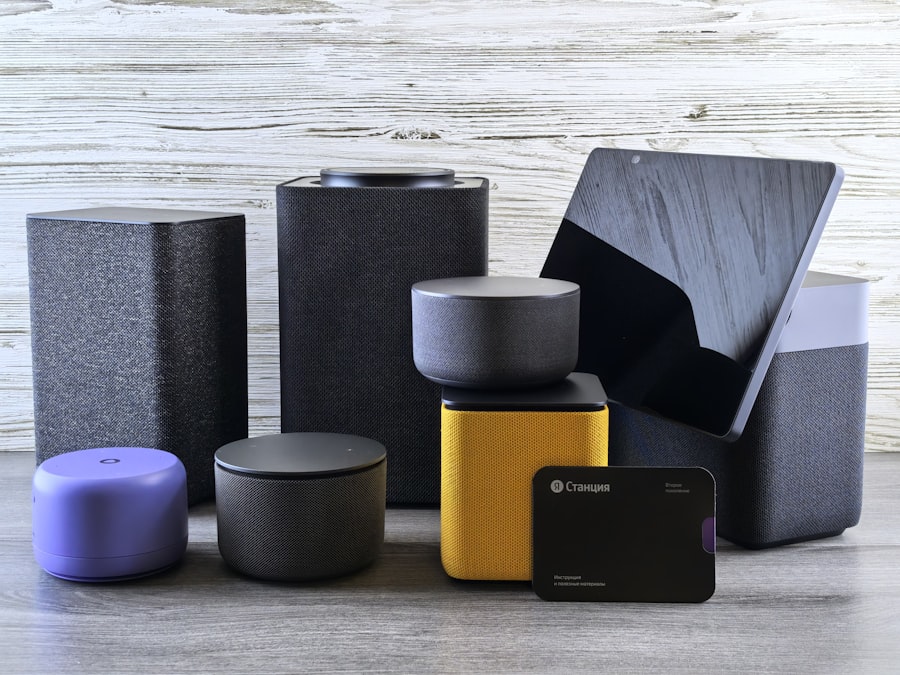
As I explore the potential of smart home devices in uncovering infidelity, I realize that they can provide valuable insights into my partner’s behavior. For instance, smart cameras placed strategically around the home can capture moments that might otherwise go unnoticed. These devices can help me monitor who is coming and going, providing evidence if I suspect my partner is being unfaithful.
The ability to access live feeds or recorded footage from my smartphone adds an extra layer of convenience and reassurance. Moreover, smart home devices can track communication patterns within the household. For example, smart speakers can log voice commands and interactions, allowing me to see if my partner is engaging with someone else in ways that seem suspicious.
While I understand that privacy is essential in any relationship, the potential for these devices to reveal hidden truths can be compelling when trust is in question.
Using Smart Home Cameras for Surveillance
One of the most effective tools in my smart home arsenal is the security camera system. These cameras not only provide peace of mind by monitoring my property but also serve as a means of surveillance when I suspect infidelity. With high-definition video quality and night vision capabilities, I can capture clear footage at any time of day.
The ability to access this footage remotely through my smartphone means I can stay informed even when I’m not at home. When using smart cameras for surveillance, I find it crucial to consider their placement carefully. Positioning them near entry points or common areas can help me monitor who enters and exits the home.
However, I also recognize the importance of balancing surveillance with respect for privacy. While I may feel justified in using these devices to seek answers, I must also be mindful of the potential consequences on my relationship if my partner discovers they are being watched.
Monitoring Communication with Smart Home Devices
| Smart Home Device | Functionality | How It Helps Catch Cheating | Privacy Considerations |
|---|---|---|---|
| Smart Cameras | Real-time video monitoring and recording | Capture unexpected visitors or suspicious behavior in shared spaces | Ensure cameras are placed in common areas only; avoid private spaces |
| Smart Door Locks | Track entry and exit times via app logs | Monitor unusual or frequent access times that may indicate secret meetings | Respect partner’s privacy; use logs responsibly |
| Smart Speakers | Voice command and audio recording (if enabled) | Review voice commands or audio snippets for suspicious conversations | Audio recording may violate privacy; use with consent |
| Smart Lighting | Automated lighting control and schedules | Detect unusual lighting patterns that may indicate hidden guests | Lighting data is less intrusive but should still be used ethically |
| Smart Thermostats | Track temperature changes and occupancy patterns | Identify unexpected occupancy or activity during odd hours | Data should be interpreted carefully to avoid false assumptions |
In addition to visual surveillance, smart home devices offer various ways to monitor communication within the household. For instance, smart speakers equipped with voice recognition technology can provide insights into who is speaking and what they are discussing. By analyzing voice commands and interactions, I can gain a better understanding of my partner’s communication habits and whether they are engaging with someone outside our relationship.
Furthermore, some smart home systems allow me to integrate messaging apps and notifications into my daily routine. This means I can receive alerts about incoming messages or calls on shared devices. While this feature can be useful for staying connected with family members, it also raises ethical questions about privacy and trust.
As I navigate this delicate balance, I must consider whether monitoring communication is a necessary step or an invasion of my partner’s privacy.
Tracking Location with Smart Home Technology
Location tracking is another powerful feature offered by many smart home devices.
This capability can be particularly useful if I notice unusual behavior or if they frequently claim to be somewhere they are not.
By checking their location history, I can gain insights into their daily activities and whether they align with what they have communicated to me. However, I am acutely aware that tracking someone’s location without their consent raises significant ethical concerns. While I may feel justified in seeking answers about potential infidelity, I must also consider the implications of invading my partner’s privacy.
Open communication about boundaries and expectations regarding location tracking is essential to maintaining trust in our relationship.
Using Smart Home Devices to Monitor Social Media Activity
In today’s digital age, social media plays a significant role in our lives and relationships. As I reflect on how smart home devices can assist in monitoring social media activity, I recognize that these platforms often serve as a breeding ground for infidelity. Many people engage in flirtatious conversations or form connections with others online without their partner’s knowledge.
By utilizing smart home technology, I can gain insights into my partner’s online interactions. Some smart home systems allow me to integrate social media notifications into my daily routine. This means I can receive alerts about new messages or friend requests on shared devices.
While this feature may provide valuable information about my partner’s online behavior, it also raises questions about trust and privacy. As I navigate this complex landscape, I must weigh the benefits of monitoring social media against the potential harm it could cause to our relationship.
Setting Up Alerts and Notifications for Suspicious Activity
To enhance my monitoring efforts, I find it helpful to set up alerts and notifications for suspicious activity within my smart home ecosystem. Many smart devices offer customizable settings that allow me to receive real-time updates about specific behaviors or events. For example, if a security camera detects motion during unusual hours or if a smart lock is accessed at an unexpected time, I can receive immediate notifications on my smartphone.
These alerts serve as an early warning system, enabling me to address potential issues before they escalate further. However, I must also be cautious not to jump to conclusions based solely on notifications alone. Context matters; just because an alert is triggered does not necessarily mean infidelity is occurring.
As I navigate this delicate balance between vigilance and trust, I must remain open-minded and willing to communicate with my partner about any concerns that arise.
Protecting Privacy and Legal Considerations
As I explore the various ways smart home devices can assist in monitoring behavior, I am acutely aware of the importance of protecting privacy and adhering to legal considerations. In many jurisdictions, recording someone without their consent may violate privacy laws and lead to legal repercussions. Therefore, it is essential for me to familiarize myself with local regulations regarding surveillance and monitoring before implementing any strategies.
Moreover, maintaining open communication with my partner about privacy boundaries is crucial for preserving trust in our relationship. While I may feel justified in seeking answers about potential infidelity, it is essential to approach these conversations with sensitivity and respect for my partner’s autonomy. Establishing clear boundaries around privacy can help foster a healthier dialogue about trust and fidelity.
Having Difficult Conversations with a Partner
When suspicions arise regarding infidelity, having difficult conversations with my partner becomes inevitable. While it may be uncomfortable to broach the subject, open communication is essential for addressing concerns and rebuilding trust. As I prepare for these conversations, I remind myself to approach them with empathy and understanding rather than accusations or assumptions.
I find it helpful to express my feelings honestly while also allowing my partner the opportunity to share their perspective. By creating a safe space for dialogue, we can work together to address any underlying issues that may be contributing to feelings of insecurity or mistrust in our relationship. Ultimately, these conversations can serve as a catalyst for growth and healing if approached with care.
Seeking Professional Help and Support
In some cases, navigating issues of trust and infidelity may require professional help and support. As I reflect on my own experiences, I recognize that seeking guidance from a therapist or counselor can provide valuable insights into the dynamics of my relationship. A trained professional can help facilitate difficult conversations and offer strategies for rebuilding trust after infidelity has been uncovered.
Additionally, support groups or workshops focused on relationship issues can provide a sense of community and understanding during challenging times. Connecting with others who have faced similar struggles can help me feel less isolated as I navigate the complexities of trust and fidelity in my relationship. In conclusion, while smart home devices offer innovative ways to monitor behavior and uncover potential infidelity, it is essential to approach these tools with caution and respect for privacy.
By fostering open communication with my partner and seeking professional support when needed, I can navigate the challenges of trust in relationships more effectively.
If you’re looking to enhance your home security and potentially catch a cheating partner, utilizing smart home devices can be an effective strategy. For more insights on this topic, you can read the article on how to use these devices to monitor suspicious activities at home. Check it out here: How to Use Smart Home Devices to Catch Cheating.
WATCH THIS! 📱 She Didn’t Know Our Smart Speaker Was Recording Everything
FAQs
What types of smart home devices can be used to monitor for cheating?
Common smart home devices used for monitoring include security cameras, smart doorbells, motion sensors, and audio recording devices. These devices can help track movements and interactions within the home.
Is it legal to use smart home devices to catch a cheating partner?
Legality varies by jurisdiction. Generally, recording audio or video without consent may violate privacy laws. It is important to research local laws and consider ethical implications before using smart devices for surveillance.
How can smart cameras help in detecting infidelity?
Smart cameras can capture video footage of activities in and around the home. Reviewing this footage may reveal suspicious behavior or unauthorized visitors, which could indicate cheating.
Can smart home devices record audio to catch cheating?
Some smart devices have audio recording capabilities, but recording conversations without consent is illegal in many areas. Always check local laws before using audio features for surveillance.
Are there privacy concerns when using smart home devices for monitoring?
Yes, using smart devices to monitor others can raise significant privacy issues. It is important to respect the privacy rights of all individuals and use such devices responsibly and legally.
How can motion sensors be used to detect suspicious activity?
Motion sensors can alert homeowners to unexpected movement in certain areas of the home during unusual times, potentially indicating unauthorized presence.
Can smart home devices provide evidence in legal cases related to infidelity?
While video or audio recordings from smart devices may be used as evidence, their admissibility depends on local laws and how the evidence was obtained. Consulting a legal professional is advisable.
What are ethical considerations when using smart home devices to monitor a partner?
Ethical considerations include respecting privacy, trust, and consent. Using surveillance without a partner’s knowledge can damage relationships and may have legal consequences.
How can I ensure the security of my smart home devices?
To secure smart devices, use strong, unique passwords, enable two-factor authentication, keep device firmware updated, and connect devices to a secure Wi-Fi network.
Are there alternative ways to address suspicions of cheating besides using smart home devices?
Yes, open communication, counseling, and relationship therapy are constructive alternatives to surveillance for addressing concerns about infidelity.