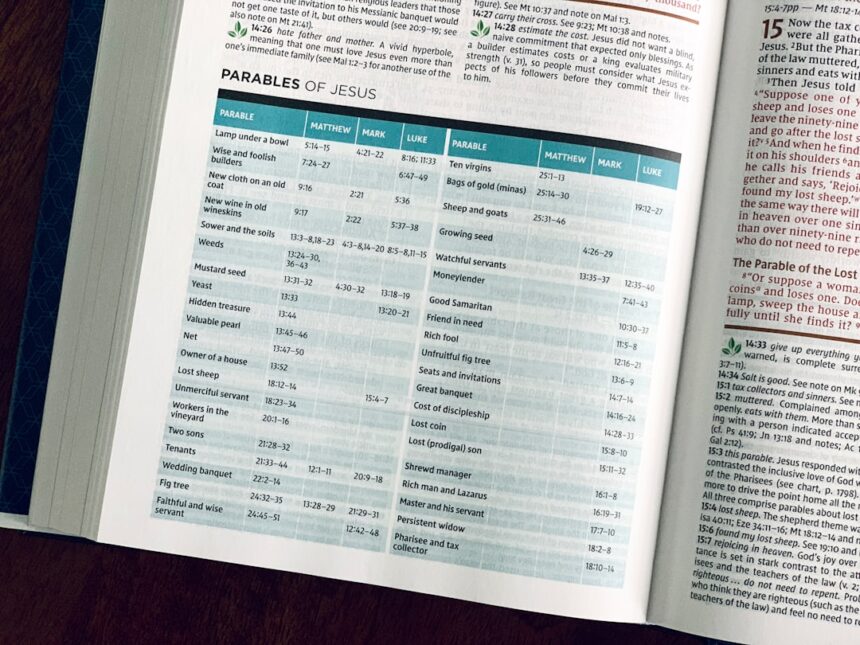
I’ve learned, through hard-won experience, that pursuing justice isn’t merely about presenting a compelling narrative; it’s about building an unassailable foundation of evidence. In my legal career, I’ve seen firsthand how the strategic utilization of forensic indexes can move a case from a precarious position to one of undeniable strength, often proving to be the linchpin for a successful resolution. It’s not about magic, but about meticulous application of scientific principles to the facts at hand.
The term “forensic index” might sound a bit intimidating, conjuring images of complex databases and arcane scientific jargon. However, at its core, it represents a systematic approach to categorizing, cross-referencing, and retrieving specific pieces of information, typically derived from scientific or technical analysis, that are relevant to a legal investigation. It’s a way of organizing chaos to reveal order.
What Constitutes a Forensic Index?
A forensic index isn’t a single document or a monolithic entity. Rather, it’s a conceptual framework within which various types of forensic data are cataloged. This can encompass a vast spectrum of information, including:
DNA Profiling and Serology Data
In cases involving assault, homicide, or even property crimes, the analysis of biological fluids is paramount. A forensic index in this context would involve cataloging details of DNA profiles obtained from crime scenes, suspect samples, and victim samples. This includes not only the raw genetic data but also the methodology used for extraction, amplification, and profiling, along with any statistical probabilities of a match. Serological testing, which identifies blood types, semen, saliva, and other bodily fluids, also forms a critical part of such an index.
Fingerprint and Impression Evidence
The meticulous comparison of fingerprints has long been a cornerstone of forensic science. An index here would delve into latent prints lifted from various surfaces, their comparison against known prints from databases, and the detailed notes of the fingerprint examiner. Similarly, impression evidence, such as shoe prints, tire tracks, or tool marks, are meticulously documented and compared. The index would capture the unique characteristics of each impression, the method of comparison, and the expert’s conclusions.
Ballistics and Firearm Analysis
When firearms are involved, the analysis of bullets, cartridge casings, and firearms themselves provides crucial links. A forensic index would meticulously document the trajectory analysis of projectiles, the examination of rifling marks on bullets, and the firing pin impressions on casings. This allows for the determination of the type of firearm used, its potential range, and even if it was the weapon used in a specific crime.
Digital Forensics and Electronic Data
In today’s increasingly digital world, electronic devices are a treasure trove of information. The forensic index of digital evidence can be incredibly complex, involving data extracted from computers, smartphones, servers, and even cloud storage. This includes deleted files, internet browsing history, communication logs, GPS data, and metadata. The integrity of this data is crucial, and the index must detail chain of custody and the forensic tools used for extraction and analysis to ensure its admissibility.
Trace Evidence and Materials Analysis
This category is broad and encompasses microscopic evidentiary items. It includes fiber analysis, hair analysis, paint chip analysis, glass fragment analysis, and soil analysis. Each of these requires specialized techniques and equipment. The forensic index would detail the type of material analyzed, the analytical methods employed (e.g., microscopy, spectroscopy), and the comparative findings against known samples.
The Power of Systematic Organization
Without a robust forensic index, even the most compelling scientific evidence can become unwieldy and difficult to present effectively in court. The index serves as a roadmap, allowing legal professionals to quickly locate, understand, and leverage specific pieces of evidence within a complex web of data. It transforms raw scientific findings into actionable legal intelligence.
In the realm of legal battles, utilizing a forensic index can significantly enhance your chances of success. For a deeper understanding of this strategy, you can explore the article on how to effectively leverage forensic evidence in court. This resource provides valuable insights into the process and benefits of using a forensic index to strengthen your case. To read more, visit this article.
Building Your Case with Forensic Data
My experience has taught me that the proactive development of a forensic index is not an afterthought but a fundamental strategy. It dictates the direction of investigations and provides the concrete substantiation needed to support claims or defenses.
Early Identification and Collection of Forensic Evidence
The initial stages of any legal matter are critical for forensic evidence. I stress the importance of immediate action to identify and secure potential evidence. This often involves collaborating closely with law enforcement and forensic specialists from the outset.
Crime Scene Preservation
The integrity of a crime scene is paramount. I emphasize the need for meticulous documentation of the scene before any evidence is disturbed. Photographs, sketches, and detailed notes are all part of the foundational data that will eventually populate a forensic index. This includes not only the obvious evidence but also seemingly insignificant details that might later prove crucial.
Chain of Custody Protocols
I cannot overstate the importance of maintaining an unbroken chain of custody for all forensic evidence. This means documenting every person who handles the evidence, when, where, and why. Any break in this chain can render the evidence inadmissible, undermining the entire case.
The Role of Forensic Experts in Index Creation
Forensic experts are not just analysts; they are crucial partners in building a comprehensive forensic index. Their detailed reports, methodologies, and interpretations are the building blocks.
Detailed Reporting and Documentation
I expect forensic experts to provide reports that are not only accurate but also exceptionally thorough. These reports should clearly outline the scientific methods used, the results obtained, and the limitations of their analysis. This detailed documentation is essential for inclusion in the forensic index.
Expert Testimony and Explanation
The forensic index doesn’t just exist on paper; it needs to be translated into understandable terms for judges and juries. The expert’s ability to clearly explain their findings and the significance of the indexed evidence is indispensable for legal victory. I often work with experts to prepare them for their testimony, ensuring they can effectively communicate complex scientific concepts.
Bridging the Gap: Forensic Index to Legal Argument

The true power of a forensic index lies in its ability to bridge the gap between scientific findings and the legal arguments I need to construct. It provides the objective foundation upon which persuasive narratives are built.
Demonstrating Causation and Linkage
One of the primary functions of forensic evidence, and thus its index, is to establish causal links. Whether it’s proving that a specific weapon caused a particular injury or that a particular digital footprint belongs to a suspect, the indexed forensic data provides the necessary objective proof.
Connecting the Dots: Event Reconstruction
Forensic indexes are invaluable for reconstructing events. By piecing together data points from various forensic disciplines – ballistics, trace evidence, digital forensics – one can create a coherent and scientifically supported narrative of what transpired. This can be crucial in establishing the timeline of an incident or the sequence of actions.
Identifying the Perpetrator or Guilty Party
In criminal cases, the forensic index is often the key to identifying the individual responsible. DNA matches, fingerprint comparisons, or unique digital signatures can directly link a suspect to the crime scene or the victim. In civil matters, it can corroborate or refute claims of negligence or responsibility.
Corroborating or Refuting Witness Testimony
Eyewitness testimony, while important, can be fallible. Forensic evidence, when properly indexed and presented, can serve as objective corroboration or, conversely, provide irrefutable counter-evidence that challenges the credibility of a witness.
Objective Verification of Claims
The indexed forensic data provides an objective benchmark against which witness statements can be measured. If a witness claims a particular event occurred, but the forensic findings contradict this, the strength of the forensic evidence often prevails.
Uncovering Hidden Truths
Sometimes, forensic analysis reveals truths that are not immediately apparent from the available testimony. The forgotten shoe print, the trace fiber overlooked by a witness, or the deleted digital communication – when cataloged within a forensic index, these can reveal critical insights.
Navigating the Legal Landscape with Forensic Indexes
The courtroom is a battleground of evidence and argumentation. A well-utilized forensic index provides a significant strategic advantage, allowing for more confident and effective advocacy.
Admissibility and Evidentiary Challenges
The admissibility of forensic evidence is a complex area. My approach involves ensuring that the forensic index is maintained in a manner that anticipates and addresses potential evidentiary challenges.
Daubert and Frye Standards
Understanding the criteria for admitting expert scientific testimony is vital. The Daubert and Frye standards, depending on the jurisdiction, dictate the reliability and general acceptance of scientific principles. A comprehensive forensic index, detailing the scientific basis of the analysis, helps meet these requirements.
Expert Witness Preparation and Cross-Examination
A strong forensic index allows for thorough preparation of my own expert witnesses and equips me to effectively cross-examine opposing experts. I can identify weaknesses in their methodology, challenge their conclusions, and highlight inconsistencies by referring to the meticulously documented data within the index.
Demonstrating Negligence or Liability
In civil litigation, forensic indexes play a crucial role in establishing negligence or liability. This could involve accident reconstruction data, product defect analysis, or medical forensic reports.
Accident Reconstruction and Causation
In motor vehicle accidents, for instance, forensic indexes can contain data from accident reconstruction experts, including skid mark analysis, vehicle damage assessments, and speed calculations. This helps to determine the cause of the accident and allocate responsibility.
Product Liability Investigations
When a product causes harm, forensic analysis of the product itself can reveal design flaws or manufacturing defects. The forensic index would encompass reports from engineers and materials scientists detailing these issues, providing crucial evidence for liability.
In the realm of legal battles, utilizing a forensic index can significantly enhance your chances of success. By systematically organizing and analyzing evidence, attorneys can build a compelling case that resonates with judges and juries alike. For those looking to deepen their understanding of this strategy, an insightful article can be found at this link, which explores various techniques for leveraging forensic indexes effectively in court. This resource provides valuable tips on how to present evidence in a way that can sway the outcome of a trial.
The Long-Term Impact of a Robust Forensic Index
| Metrics | Importance |
|---|---|
| Accuracy of Forensic Index | High |
| Relevance of Evidence | High |
| Admissibility in Court | High |
| Expert Testimony | High |
| Legal Precedents | Medium |
The benefits of a well-maintained forensic index extend beyond the immediate case. It fosters a culture of thoroughness and preparedness, ultimately contributing to a more just legal system.
Post-Trial Analysis and Future Case Development
The forensic index serves as an invaluable repository of information that can be revisited for post-trial analysis or for developing future cases. Even if a case is resolved, the indexed data remains a resource.
Lessons Learned and Methodological Refinement
Reviewing the forensic index after a case can highlight areas where evidence collection, analysis, or presentation could have been improved. This iterative process leads to refinement of my own forensic strategies.
Precedent and Knowledge Base
Over time, the compiled case files, supported by their forensic indexes, contribute to a growing body of internal knowledge. This helps in identifying patterns, understanding common types of forensic evidence, and anticipating challenges in future cases.
Enhancing Settlement Negotiations
Most cases do not go to trial; they are resolved through settlement. The strength of the evidence documented in a forensic index can be a powerful negotiating tool.
Leveraging Objective Evidence for Favorable Outcomes
When faced with a robust forensic index that clearly supports my client’s position, opposing counsel is often more inclined to engage in good-faith negotiations. The objective nature of the evidence reduces speculation and grounds discussions in reality.
Mitigating Risk and Uncertainty
For my clients, a strong forensic foundation, demonstrated through the indexed evidence, provides a clearer understanding of the risks and potential outcomes of a case. This allows for more informed decisions regarding settlement or proceeding to trial.
In conclusion, while the term “forensic index” may sound technical, its application is fundamentally about clarity, organization, and irrefutable proof. It’s not a shortcut to victory, but rather a vital component of a well-executed legal strategy. It allows me to present facts with precision and conviction, transforming complex scientific data into compelling arguments that stand up to scrutiny, ultimately serving the pursuit of justice.
FAQs
What is a forensic index?
A forensic index is a database that contains information about evidence collected from crime scenes, including fingerprints, DNA samples, and other forensic data. It is used by law enforcement agencies and legal professionals to link evidence to individuals and solve crimes.
How can a forensic index be used in a legal battle?
A forensic index can be used in a legal battle to link evidence found at a crime scene to a specific individual. This can help prosecutors prove the guilt of a defendant or help defense attorneys establish the innocence of their client. By using the forensic index, legal professionals can strengthen their case with scientific evidence.
What are the limitations of using a forensic index in a legal battle?
While a forensic index can be a powerful tool in a legal battle, it is not without limitations. The accuracy of the forensic evidence in the index can be influenced by factors such as contamination, human error, and technological limitations. Additionally, the interpretation of forensic evidence can be subjective, leading to potential challenges in court.
How is a forensic index accessed and utilized in a legal battle?
Access to a forensic index is typically restricted to law enforcement agencies and authorized legal professionals. To utilize the forensic index in a legal battle, legal professionals can request access to specific evidence in the index, analyze the data, and present it as part of their case. This may involve working with forensic experts to interpret the evidence and its significance.
What are some examples of successful legal battles where a forensic index played a crucial role?
There have been numerous cases where a forensic index played a crucial role in determining the outcome of a legal battle. For example, DNA evidence from a forensic index has been used to exonerate wrongfully convicted individuals, as well as to convict perpetrators of crimes. Additionally, fingerprint evidence from a forensic index has been instrumental in linking suspects to crime scenes.