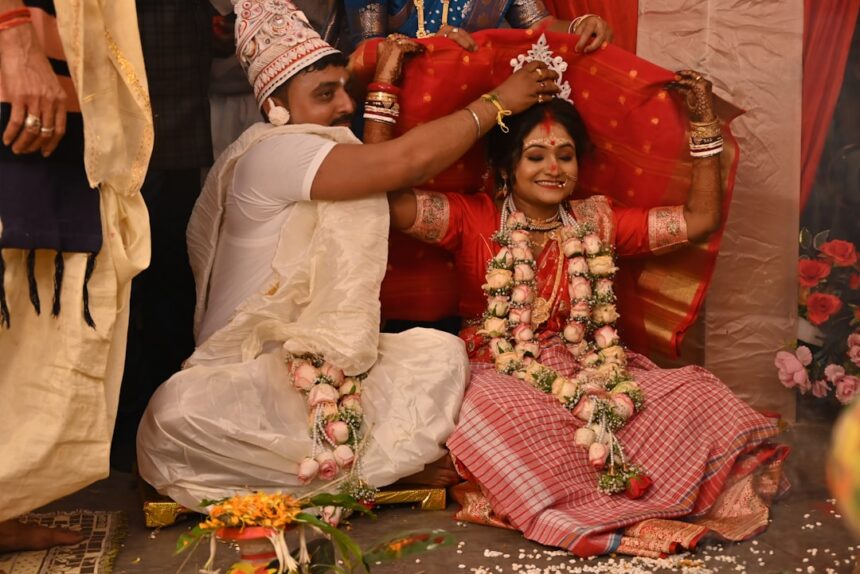
As I delve into the often-unseen currents of human relationships, particularly those that ripple around the grand event of a wedding, I find myself drawn to a particular, less-celebrated aspect: the experience of excluded guests. These are the individuals who, for reasons ranging from the understandable to the perplexing, find themselves on the periphery, their invitations never arriving, their names conspicuously absent from the guest list. This is not a tale of dashed hopes or dramatic confrontations, but rather a factual exploration, an accounting of perspectives, gleaned from those who have, in their own words, experienced the peculiar phenomenon of wedding karma – a perceived karmic imbalance that can manifest as exclusion from joyous unions.
The prospect of a wedding is, for many, a beacon of celebration, a milestone signifying commitment and the merging of families. However, for a segment of individuals, this beacon casts long shadows, illuminating their absence. I’ve spoken with numerous people who have navigated the often-sensitive terrain of wedding invitations, and the recurring theme is one of bewilderment, hurt, and a quiet resignation. It’s crucial to approach this subject with an open mind, recognizing that wedding guest lists are intricate tapestries, woven from a multitude of threads, some seen, some deliberately concealed.
The Spectrum of Omissions: From Distant Acquaintances to Closest Kin
The individuals I’ve encountered represent a broad spectrum of relationships with the marrying couple. It’s not always about estranged family members or friends with whom the couple has had a falling out. Sometimes, the exclusion comes from individuals who believed their connection was far more solid.
The “Plus One” Paradox: When Loved Ones Become Uninvited
One recurring narrative involves the “plus one” situation. I spoke with Sarah, who had been in a serious, long-term relationship for three years. Her partner had a cordial acquaintance with one of the groomsmen, but this had not translated into a close friendship. When the wedding invitation arrived addressed only to Sarah, she was taken aback. “It felt like a subtle message,” she explained, “that my relationship wasn’t considered significant enough to warrant a seat for my partner. It wasn’t about the cost of the extra plate; it was about the acknowledgment of our shared life.” Sarah’s story highlights how the economics of weddings can sometimes inadvertently sow seeds of discord, treating relationships as quantifiable commodities rather than organic bonds.
The Ghost of Past Connections: In-Law Dynamics and Wedding Politics
Another intricate area is that of in-law relationships. Mark shared his experience of being excluded from his sister-in-law’s wedding. While he and his wife (her sister) were obviously invited, his parents, who had been instrumental in helping his sister-in-law’s family during a difficult time, received no invitation. “It was baffling,” Mark stated. “My wife was hurt, obviously, but I felt a sense of injustice. It felt like a deliberate snub, a severing of a connection that had been built on mutual support. It became a silent wedge, creating an unspoken tension that lingered for a long time.” This instance underscores how wedding invitations can become instruments of social navigation, sometimes used to delineate boundaries or subtle power dynamics within a larger family unit.
The “Friend Group” Filter: Navigating Shifting Social Circles
The dynamics of friend groups also play a significant role. Emily recounted a situation where she was invited to a close friend’s wedding, but many of her significant mutual friends, who had been part of the same core group for years, were not. “It felt like a very calculated decision,” she observed. “It wasn’t that we weren’t friends with the bride; we were. But it was as if she was curating her guest list, carefully selecting who represented her ‘current’ social circle, leaving those who were once integral to her life on the outside looking in. It felt like a shedding of past selves, a symbolic shedding that left some of us feeling discarded.” This perception of a “friend group filter” can be particularly painful, suggesting a reevaluation of past bonds and a potential devaluation of shared history.
In exploring the intriguing dynamics of wedding karma stories, one might find it enlightening to read a related article that delves into the nuances of social etiquette and the consequences of actions taken during such significant events. This article provides a comprehensive overview of how certain behaviors can lead to unexpected outcomes, often referred to as “wedding karma.” For more insights on this topic, you can visit the article at Ami Wrong Here.
The Echoes of Exclusion: Emotional Repercussions
The act of being excluded from a wedding, even if the reasons are not explicitly stated, can resonate with a lingering emotional impact. These exclusions do not simply evaporate with the ringing of the reception bell; they can cast long shadows, affecting individual feelings of worth and belonging.
The Sting of Perceived Neglect: When Absence Speaks Louder Than Words
The silence surrounding an exclusion can often be more deafening than any direct confrontation. When an invitation fails to arrive, the mind naturally seeks explanations, and in the absence of clear communication, assumptions – often negative – can take root.
The Question of “Why Am I Not Enough?”: Self-Doubt and Insecurity
For many, the immediate reaction is to internalize the exclusion, questioning their own value. I spoke with David, who was not invited to the wedding of a childhood friend he had remained in contact with, albeit less frequently. “My first thought was, ‘What did I do?'” he admitted. “I replayed every interaction, every conversation, searching for a misstep. It’s a humbling experience to realize that perhaps, in the grand scheme of someone’s life-altering event, you’ve been deemed less important, less essential. It chips away at your confidence.” This self-doubt can be a significant consequence, turning a joyous occasion for others into a source of personal introspection and insecurity.
The Erosion of Connection: When Invitations Become Barometers of Relationship Health
The absence of a wedding invitation can be interpreted as a definitive statement about the existing relationship. It can serve as a de facto declaration that the bond, however perceived by the individual, is not deemed worthy of inclusion in such a significant event.
The “Out of Sight, Out of Mind” Syndrome: When Distance Breeds Disregard
A common sentiment is that of being “out of sight, out of mind.” For those who have moved away or whose lives have taken different trajectories, the lack of an invitation can feel like a confirmation that the connection has been allowed to fade. Lisa, who moved to another country several years ago, was not invited to her cousin’s wedding. “We were close growing up,” she explained, “but life happened. I understood that we weren’t going to be in daily contact. But a wedding, I thought, that’s a moment where you reconnect, where you remind people they are still family. The absence of that invitation felt like, ‘You’re too far gone. You don’t belong anymore.'” This sentiment highlights the delicate balance required in maintaining familial ties over distance, and how wedding invitations can become unexpected litmus tests.
The Social Hierarchy of Weddings: When Guest Lists Reflect Status
In some cases, the exclusion can feel less personal and more like a reflection of a broader social hierarchy. The wedding becomes a curated event, and the guest list a carefully selected representation of the couple’s “best” or most relevant connections.
The “Networking Opportunity” Wedding: When Marriages Become Marriages of Convenience
I’ve heard anecdotal evidence of weddings where the guest list appears to be strategically designed for networking or maintaining specific social capital. In these instances, personal sentiment might take a backseat to perceived social or professional advantage. While difficult to definitively prove, the perception of such an agenda can leave those excluded feeling like pawns in a larger game, their relationships deemed transactional rather than genuine. This can be particularly disheartening when the exclusion comes from individuals who were once perceived as close friends.
Navigating the “Why”: Seeking Answers and Acceptance
When faced with wedding exclusion, the natural human inclination is to seek understanding. However, the path to answers can be fraught with difficulty, and acceptance often becomes the most pragmatic, albeit challenging, resolution.
The Art of Indirect Inquiry: Probing Without Prying
Directly confronting the couple about their decision can be awkward and potentially damaging to any remaining relationship. Many individuals opt for more subtle approaches to glean information, if any is available.
The “Mutual Friend” Intermediary: A Delicate Dance of Diplomacy
A common strategy involves enlisting the help of mutual friends or family members who are likely to be privy to the wedding planning process. This requires a delicate touch, framing the inquiry as a desire for understanding rather than an accusation.
The “Concerned Inquiry” vs. the “Demanding Interrogation”: Nuance is Key
“I’m having a bit of a puzzle,” one might say to a mutual acquaintance who is also invited. “I haven’t heard anything about [couple’s names]’s wedding, and I was wondering if there’s a specific reason or if maybe the invites were sent out in a different way?” The wording is crucial. It aims to elicit information without sounding entitled or accusatory. This “concerned inquiry” is a far cry from a “demanding interrogation,” which is likely to be met with defensiveness.
The Social Media Stalemate: Observing from the Sidelines
In the age of social media, the absence of an invitation often stands in stark contrast to the abundance of online updates. Observing the wedding preparations from afar can be a source of both curiosity and quiet pain.
The Illusion of Proximity: Watching Through a Digital Window
“I saw all the posts about the engagement party, the bridal shower, the bachelorette weekend,” Sarah lamented. “It felt like I was watching a movie unfold, a movie I wasn’t even cast in. It’s a very strange feeling to be so close virtually, yet so distant in reality.” This digital window, while offering a glimpse into the celebration, can amplify the feeling of exclusion, creating a sense of phantom participation.
The Unforeseen Consequences: Ripple Effects of Wedding Exclusion
The impact of being excluded from a wedding can extend far beyond the immediate event, creating unforeseen consequences that may linger in relationships and personal perspectives.
The Fracturing of Family Ties: When Weddings Become Divisive Events
Weddings are often intended to unite families, but unfortunately, the decisions surrounding guest lists can sometimes have the opposite effect, creating rifts and fostering a sense of division.
The “Who’s Who” of the Wedding Party: Defining Allegiances
When certain family members are invited and others are not, it can inadvertently create a subtle hierarchy, delineating who is considered part of the “inner circle” and who is not. This can lead to feelings of resentment and a questioning of familial bonds.
The Grandmother’s Silence: A Case of Unacknowledged Generations
One poignant story involved a grandmother who was not invited to her grandson’s wedding. The reason, as explained through a mutual family member, was that the fiancé’s parents did not have a close relationship with her and preferred a smaller, more intimate family gathering. The grandmother, who had been a significant presence in the grandson’s life, was devastated. “It wasn’t just about the wedding itself,” she explained. “It was about feeling forgotten, feeling like a piece of my life, my history with him, was being erased. It created a silence between us that took a long time to mend.” This highlights how such exclusions can sever generational ties and undermine the very fabric of family history.
The “Bridal Party Politics”: Alliances and Exclusions within the Inner Circle
The selection of the bridal party can also be a source of tension and exclusion. When a couple chooses only a select few from a larger group of friends or siblings, it can create a sense of favoritism and leave others feeling overlooked.
The “Best Friend Not Asked”: A Betrayal of Perceived Intimacy
I spoke with a woman whose best friend from childhood was not chosen as a bridesmaid. While the friend was invited to the wedding as a guest, the absence of a bridesmaid role was deeply upsetting. “We had always imagined being each other’s bridesmaids,” she confided. “When she asked others and not me, it felt like a confirmation that our bond, as strong as I believed it to be, was not perceived as equal by her. It was a subtle, but profound, shift in our relationship dynamics.” This sense of betrayal, even if unintended, can leave lasting scars.
In exploring the intriguing world of wedding karma stories, one might come across various tales that highlight the unexpected twists of fate surrounding nuptials. However, it’s essential to consider the nuances of these narratives, as not every experience fits neatly into the category of karma. For a deeper understanding of the complexities involved, you can read a related article that discusses the broader implications of wedding experiences and their emotional impacts. Check it out here to gain more insight into this fascinating topic.
Lessons Learned: Rebuilding and Moving Forward
| Story Title | Type of Exclusion | Reason for Exclusion | Karma Outcome | Lesson Learned |
|---|---|---|---|---|
| The Forgotten Cousin | Guest List Omission | Family feud and resentment | Hosts faced social backlash and isolation | Communication and forgiveness are key |
| Best Friend Left Out | Bridesmaid Exclusion | Jealousy and misunderstandings | Friend distanced herself, causing regret | Value friendships over petty conflicts |
| The Excluded Sibling | Invitation Withdrawal | Past disagreements and unresolved issues | Sibling reconciliation after wedding | Address conflicts before big events |
| The Overlooked Colleague | Not Invited | Perceived lack of closeness | Colleague felt hurt but later understood | Clarify relationships and expectations |
| The Uninvited Neighbor | Guest List Exclusion | Limited venue capacity | Neighbor held a grudge, causing tension | Be transparent about limitations |
While the sting of exclusion can be sharp, many individuals ultimately find ways to process the experience, learn from it, and move forward, often with a renewed perspective on relationships.
The Power of Self-Validation: Reclaiming Personal Worth
The most crucial step in overcoming wedding exclusion is often the process of self-validation. Recognizing that an invitation, or lack thereof, does not inherently diminish one’s worth is paramount.
The “If You Can’t Be There, I Don’t Need To Be” Mindset: Setting Boundaries for Self-Preservation
Some individuals develop a healthier perspective by reframing their participation. “If my presence isn’t desired at such a significant moment, then perhaps the relationship isn’t as strong as I thought, and it’s okay for me to focus my energy elsewhere,” this mindset suggests. This is not about passive aggression, but rather about pragmatic self-preservation.
The “Focus on Those Who Celebrate You” Approach: Shifting the Arc of Attention
This involves actively seeking out and nurturing relationships where one feels valued and appreciated. It’s about redirecting energy towards connections that are reciprocal and supportive, rather than fixating on those that seem to have moved on.
The Gift of Perspective: Understanding the Nuances of Life Transitions
As individuals mature, they often gain a greater understanding of the complexities and pressures that can influence decision-making during major life events like weddings.
The “Life Happens” Acceptance: Recognizing the Unpredictability of Relationships
The reality is that relationships evolve, and life throws curveballs. Recognizing that not everyone can be accommodated on a guest list, for reasons both within and outside a couple’s control, can foster a sense of acceptance. It’s about acknowledging that sometimes, the tapestry of life has loose threads, and not every single one can be perfectly woven into every grand design.
The “It’s Their Day, Their Rules” Acknowledgment: Respecting Autonomy
Ultimately, while exclusion can be hurtful, it is the couple’s wedding, and they have the autonomy to curate their celebration as they see fit. This does not negate the feelings of the excluded, but it offers a framework for understanding and respecting their choices, even if those choices lead to personal disappointment.
In conclusion, the experiences of excluded wedding guests offer a valuable lens through which to examine the intricate dynamics of human connection. These stories, often shared in hushed tones, reveal the subtle ways in which relationships are navigated and valued, and the emotional landscapes that can be altered by the simple act of sending or withholding an invitation. While the pain of exclusion is real, the capacity for understanding, self-validation, and the eventual rebuilding of connections remains a testament to the resilience of the human spirit, even when faced with the quiet echoes of being left off the guest list.
FAQs
What does it mean to be excluded from wedding karma stories?
Being excluded from wedding karma stories typically refers to situations where individuals feel left out or ignored in narratives about wedding experiences, often shared on social media or storytelling platforms. These stories usually highlight positive or negative events related to weddings, and exclusion can mean not being acknowledged or included in these shared experiences.
Why might someone be excluded from wedding karma stories?
Exclusion can happen for various reasons, such as not being invited to the wedding, interpersonal conflicts, social dynamics, or simply not being part of the close circle involved in the wedding planning or celebration. Sometimes, it may also result from misunderstandings or deliberate choices by those sharing the stories.
How can exclusion from wedding karma stories affect individuals?
Being excluded can lead to feelings of hurt, disappointment, or social isolation. It may impact relationships and cause emotional distress, especially if the person values their connection to the couple or the wedding event. However, the impact varies depending on individual perspectives and the context of the exclusion.
Is it common for wedding karma stories to include negative experiences?
Yes, wedding karma stories often include both positive and negative experiences. These stories can highlight moments of joy, surprise, or kindness, as well as conflicts, misunderstandings, or mishaps. Sharing such stories is a way for people to process and reflect on their experiences related to weddings.
Can someone be included in wedding karma stories after initially being excluded?
Yes, inclusion can change over time. People who were initially excluded might be included later through reconciliations, changes in social dynamics, or by sharing their own perspectives. Open communication and understanding can help bridge gaps and foster inclusion in these narratives.