
In my journey through various relationships, I have often found myself reflecting on the intricate dance between kindness and control. At first glance, kindness appears to be a purely positive force, a gentle balm that soothes the soul and fosters connection.
This duality has made me more aware of how kindness can be used to mask intentions that may not be as altruistic as they seem. As I navigate my interactions, I have learned to recognize that the line between genuine kindness and controlling behavior can often blur. A seemingly selfless act can sometimes serve as a means to exert influence over another person.
For instance, when someone offers help but then expects something in return, it can create an imbalance in the relationship. I have found that understanding this dynamic is crucial for maintaining healthy connections, as it allows me to discern when kindness is being used to foster genuine support versus when it is being employed as a means of control.
Key Takeaways
- Kindness can sometimes be used as a tool for control, masking manipulative behavior.
- Setting clear boundaries is essential to maintain healthy relationships and protect mental health.
- Empathy plays a crucial role in fostering genuine kindness and mutual respect.
- Recognizing red flags helps identify when kindness is being exploited to exert control.
- Assertiveness and self-compassion empower individuals to balance kindness with personal autonomy.
Recognizing Manipulative Behavior Disguised as Kindness
Throughout my experiences, I have encountered various forms of manipulative behavior that masquerade as kindness. One of the most common tactics I have observed is the use of guilt. A person may offer assistance or support but then subtly remind me of their sacrifices, creating an emotional obligation that can be difficult to navigate.
This has taught me to be vigilant about the motivations behind seemingly kind gestures, as they can sometimes come with strings attached that I may not initially recognize. Another form of manipulation I have noticed is the tendency for individuals to use flattery or excessive praise as a means of control. While compliments can be uplifting, I have learned to be cautious when they feel disproportionate or overly enthusiastic.
In my experience, this type of behavior often serves to disarm me, making it easier for the other person to influence my decisions or actions. By recognizing these patterns, I have become more adept at identifying when kindness is being weaponized, allowing me to protect myself from potential emotional harm.
Setting Boundaries in Relationships
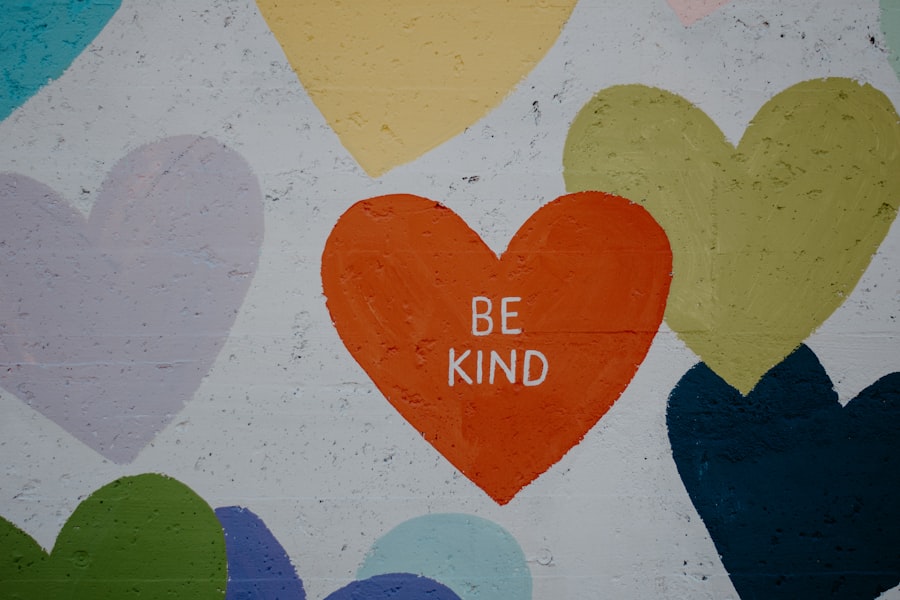
Establishing boundaries has been a vital aspect of my personal growth and emotional well-being. I have come to understand that boundaries are not just about saying “no” but also about defining what is acceptable and what is not in my relationships. By clearly communicating my limits, I create a space where kindness can flourish without the threat of control overshadowing it.
This process has required me to engage in honest self-reflection and assertiveness, which has ultimately strengthened my connections with others. In my experience, setting boundaries has also involved recognizing my own needs and desires. I have learned that it is essential to prioritize my well-being and ensure that my relationships are mutually beneficial.
This practice has not only enhanced my relationships but has also fostered a greater sense of self-respect and confidence.
Understanding the Impact of Control on Mental Health
| Metric | Description | Impact on Mental Health | Measurement Method |
|---|---|---|---|
| Perceived Control | Individual’s belief in their ability to influence events | Higher perceived control is linked to lower stress and anxiety levels | Self-report questionnaires (e.g., Perceived Control Scale) |
| Stress Levels | Physiological and psychological response to perceived challenges | Lower control often results in increased stress and risk of depression | Cortisol measurement, self-reported stress scales |
| Resilience | Ability to recover from adversity | Greater control perception enhances resilience and coping skills | Resilience scales (e.g., Connor-Davidson Resilience Scale) |
| Depression Symptoms | Indicators of depressive mood and behavior | Low control is associated with higher incidence of depressive symptoms | Clinical interviews, Beck Depression Inventory |
| Anxiety Levels | Frequency and intensity of anxious feelings | Reduced control correlates with increased anxiety | State-Trait Anxiety Inventory (STAI) |
| Quality of Life | Overall well-being and life satisfaction | Higher control perception improves quality of life scores | WHO Quality of Life-BREF questionnaire |
The impact of control on mental health is a topic that resonates deeply with me. I have witnessed firsthand how manipulative behaviors can lead to feelings of anxiety, depression, and self-doubt. When someone exerts control over my thoughts or actions, it can create an environment where I feel trapped and powerless.
This realization has prompted me to prioritize my mental health by actively seeking out relationships that promote autonomy and respect. Moreover, I have come to understand that the effects of control extend beyond individual experiences; they can ripple through entire communities and social circles. When control becomes normalized in relationships, it can perpetuate cycles of emotional distress and dysfunction.
By recognizing the signs of control in my own life, I have been able to break free from these patterns and advocate for healthier dynamics in my relationships with others.
The Role of Empathy in Healthy Relationships
Empathy has emerged as a cornerstone of my understanding of healthy relationships. I have learned that genuine empathy fosters connection and understanding, allowing individuals to support one another without resorting to manipulation or control. When I approach my relationships with empathy, I create an environment where both parties feel valued and heard.
This mutual respect lays the foundation for kindness that is authentic and free from ulterior motives. In my experience, practicing empathy also involves active listening and validation of others’ feelings. By taking the time to understand another person’s perspective, I can cultivate deeper connections that are rooted in trust and compassion.
This approach not only enhances my relationships but also reinforces my commitment to maintaining boundaries and resisting any attempts at control that may arise.
Red Flags: When Kindness Crosses the Line

As I navigate the complexities of relationships, I have become increasingly attuned to red flags that signal when kindness may be crossing into manipulative territory. One significant warning sign is when someone consistently prioritizes their needs over mine while cloaking their actions in a guise of concern or care. This behavior often leaves me feeling drained and unappreciated, prompting me to reevaluate the dynamics at play.
Another red flag I have learned to recognize is the tendency for individuals to use emotional outbursts or passive-aggressive comments as a means of exerting control. When kindness is accompanied by unpredictable reactions or guilt-inducing statements, it becomes clear that the relationship may not be as healthy as it appears. By identifying these red flags early on, I empower myself to take action and protect my emotional well-being.
Navigating the Difficult Conversation: Addressing Control in Relationships
Addressing issues of control within relationships can be daunting, but I have found that open communication is essential for fostering understanding and resolution. When I sense that someone is attempting to exert control over me, I strive to approach the conversation with honesty and clarity. By expressing my feelings and concerns without placing blame, I create an opportunity for dialogue that can lead to positive change.
In my experience, it is crucial to remain calm and composed during these discussions. Emotions can run high when discussing sensitive topics, but maintaining a level-headed approach allows me to articulate my thoughts more effectively. By focusing on specific behaviors rather than attacking the person’s character, I can encourage a constructive conversation that promotes mutual understanding and respect.
Seeking Support: Resources for Those in Controlling Relationships
Recognizing the need for support has been an important step in my journey toward healthier relationships. There are numerous resources available for individuals navigating controlling dynamics, including therapy, support groups, and educational materials. Engaging with these resources has provided me with valuable insights and coping strategies that empower me to reclaim my autonomy.
I have also found solace in connecting with others who share similar experiences. Whether through online forums or local support groups, hearing stories from individuals who have faced similar challenges has reinforced my belief that I am not alone in this journey. These connections serve as a reminder that seeking help is not a sign of weakness but rather an act of courage and self-advocacy.
Cultivating Self-Compassion in the Face of Control
In moments when I feel overwhelmed by controlling behaviors in my relationships, cultivating self-compassion has become a vital practice for maintaining my emotional well-being. I have learned to treat myself with kindness and understanding during difficult times, recognizing that it is okay to feel hurt or confused by others’ actions. This self-compassion allows me to process my emotions without judgment and fosters resilience in the face of adversity.
Moreover, practicing self-compassion has helped me develop a greater sense of self-worth. By acknowledging my feelings and validating my experiences, I empower myself to stand firm against controlling behaviors while remaining open to genuine kindness from others. This balance between self-acceptance and assertiveness has been instrumental in fostering healthier relationships moving forward.
The Importance of Assertiveness in Maintaining Healthy Boundaries
Assertiveness has emerged as a crucial skill in my quest for healthy boundaries within relationships. Learning to express my needs and desires confidently has allowed me to advocate for myself without feeling guilty or selfish. By practicing assertiveness, I create an environment where kindness can thrive without being overshadowed by control or manipulation.
In my experience, assertiveness involves not only speaking up for myself but also actively listening to others’ perspectives. This two-way communication fosters mutual respect and understanding while reinforcing the importance of healthy boundaries. As I continue to develop this skill, I find myself more empowered to navigate complex relationship dynamics with confidence and clarity.
Finding Balance: Embracing Kindness Without Allowing Control
Ultimately, finding balance between kindness and control has become a guiding principle in my relationships. I strive to embrace kindness as a genuine expression of care while remaining vigilant against any attempts at manipulation or control. This delicate balance requires ongoing self-reflection and awareness but has led me to cultivate deeper connections rooted in trust and respect.
As I continue on this journey, I am reminded that kindness should never come at the expense of my autonomy or well-being. By prioritizing healthy boundaries and assertive communication, I can foster relationships that celebrate both kindness and individuality—creating a space where both parties feel valued and empowered without fear of control overshadowing their connection.
In exploring the complex dynamics of kindness and control, it’s essential to consider how seemingly benevolent actions can sometimes mask underlying motives. A related article that delves into this theme is available at Ami Wrong Here, where the nuances of interpersonal relationships are examined, highlighting the fine line between genuine care and manipulative behavior.
WATCH THIS! I Let My Sister Live in My Vacation Home. She Tried to Sell It
FAQs
What does it mean when kindness becomes control?
When kindness becomes control, it refers to situations where acts of kindness are used as a means to manipulate or influence others, rather than being genuine expressions of care or concern.
How can kindness be mistaken for control?
Kindness can be mistaken for control when helpful actions or generosity are conditional, used to create a sense of obligation, or when they limit another person’s freedom or autonomy.
What are signs that kindness is being used to control?
Signs include expecting something in return for kind acts, using kindness to guilt or pressure others, setting rules disguised as helpful advice, or consistently making decisions on behalf of others without their input.
Is it possible to be kind without being controlling?
Yes, genuine kindness respects others’ boundaries, supports their autonomy, and does not seek to manipulate or coerce.
Why is it important to recognize when kindness becomes control?
Recognizing this helps maintain healthy relationships, ensures personal boundaries are respected, and prevents emotional manipulation or dependency.
Can kindness used as control be harmful?
Yes, it can lead to loss of trust, resentment, reduced self-esteem, and unhealthy power dynamics in relationships.
How can someone respond if they feel kindness is being used to control them?
They can set clear boundaries, communicate their feelings openly, seek support from trusted individuals, and, if necessary, distance themselves from controlling behaviors.
Are there psychological reasons why someone might use kindness to control others?
Yes, some individuals may use kindness as a strategy to gain power, avoid conflict, or fulfill their own emotional needs through controlling others.
Can professional help assist in dealing with controlling kindness?
Yes, therapists or counselors can help individuals recognize unhealthy patterns, develop assertiveness skills, and improve relationship dynamics.
Is all kindness conditional or controlling?
No, true kindness is unconditional and does not seek to control or manipulate others.