
When Love Turns Deadly: The Day My Marriage Became a Crime Scene
The stark reality is that love, the very force that binds hearts and builds futures, can, in its most twisted manifestations, become the architect of ruin. I am not here to spin a romantic tragedy. This is not a cautionary tale woven with melodrama for the sake of entertainment. Instead, I offer a dispassionate account, a case study of sorts, that unfolds from within the crucible of my own life. The day my marriage became a crime scene is etched into my memory not as a dramatic climax, but as a sterile, chillingly factual unraveling. It was a Tuesday. The kind of grey, unremarkable Tuesday that often precedes seismic shifts, disguised in the mundane.
We were, by all external measures, the embodiment of marital success. Our home was a testament to shared aspirations: tasteful décor, meticulously curated bookshelves, a garden that bloomed with practiced precision. Our social circle lauded us, a perfect couple navigating the complexities of life with grace and apparent ease. On the surface, our marriage was a well-oiled machine, each component functioning in perfect harmony. We exchanged pleasantries, attended social events, and presented a united front that was as resilient as tempered glass. Within this seemingly impenetrable facade, however, cracks were beginning to form, almost imperceptibly at first.
The Subtle Erosion of Intimacy
Intimacy, in the truest sense, had begun to wane long before the precipice. It wasn’t a sudden rupture, but a slow, insidious erosion, like a river gnawing away at its banks, imperceptible until the landscape itself changes. Our conversations, once vibrant exchanges of thoughts and feelings, had contracted into a sterile exchange of logistics. Groceries, bill payments, the children’s schedules – these became the primary currency of our communication. The deep, resonant hum of shared dreams had faded to a distant echo.
The Retreat into Solitude
Each of us retreated into our own private worlds, becoming islands in the vast ocean of our shared life. This isolation was not born of animosity, but rather a quiet, weary resignation. We no longer sought solace or understanding in each other, choosing instead the predictable comfort of our individual routines. The unspoken became a palpable presence, a silent third party in our marital discourse, growing larger and more suffocating with each passing day.
The Shadow of Unspoken Grievances
Beneath the veneer of normalcy lay a landscape of unspoken grievances, a subterranean network of resentments that no one had dared to excavate. These were not the grand betrayals of soap operas, but the smaller, persistent digs that, over time, wear down the most robust of foundations. They were the sharp words that lingered, the unmet expectations that festered, the small acts of perceived disrespect that accumulated like sediment. We were living in a house built on a fault line, unaware of the immense pressure building beneath our feet.
The Stalemate of Resentment
We had reached a silent stalemate, a truce declared not out of peace, but out of exhaustion. The energy required to address these underlying issues felt too great, the potential for conflict too daunting. Thus, we chose the path of least resistance, which, ironically, proved to be the most dangerous. We navigated our days with a carefully constructed politeness that masked a simmering tension, a fragile peace that was destined to shatter.
In the gripping narrative of “The Day My Marriage Turned Into a Crime Scene,” the complexities of love and betrayal unfold in a shocking manner. For those interested in exploring similar themes of relationships gone awry, a related article titled “When Love Turns Dark: The Hidden Dangers of Toxic Relationships” provides insightful analysis and real-life stories that delve into the psychological aspects of such situations. You can read it here: When Love Turns Dark.
The Day the Facade Crumbled
The day the facade crumbled was not a day for dramatic pronouncements or tearful confessions. It was a day of stark, unvarnished action. The details are as clear and sharp as shards of broken glass. The morning began like any other, a routine dictated by the clock and the demands of our lives. The air in our home, usually filled with the muted hum of domesticity, was thick with an unseen tension, a prelude to the storm.
The Precipitating Incident
The precipitating incident was, in retrospect, tragically mundane. A disagreement, born from a trivial matter, escalated with a speed that was alarming. It was like striking a match in a room filled with highly flammable material. The words exchanged were not particularly venomous, but they landed with the weight of years of pent-up emotion. The usual channels of de-escalation, the practiced art of compromise we had once possessed, were absent. They had been casualties of the long war of attrition our marriage had become.
The Unraveling of Reason
In that moment, reason seemed to abandon us, replaced by a primal instinct. The carefully constructed walls of civility we had maintained for so long crumbled, revealing the raw, unvarnished emotions beneath. It was a terrifying descent, a rapid unraveling of everything we had tried to preserve. Logic and empathy were the first casualties, leaving a void filled with an overwhelming sense of anger and desperation.
The Infamous Act
The “infamous act,” as it would later be referred to, was not premeditated in the clinical sense of meticulous planning. It was a culmination, a desperate act born from a volatile confluence of emotions and circumstances. It was the explosion of a pressure cooker that had been simmering for far too long. In the heat of the moment, under the crushing weight of despair and rage, a line was irrevocably crossed. The physical manifestation of this internal collapse was swift and brutal, leaving an indelible scar on the fabric of our reality. It was a moment where a lifetime of accumulated pressures found a single, catastrophic outlet.
The Silence That Followed
The silence that followed was more deafening than any scream. It was a void where sound should have been, a heavy blanket of disbelief and horror. In that stillness, the enormity of what had transpired began to sink in, a cold, creeping dread that permeated every corner of the room. The air, once charged with anger, was now heavy with a chilling stillness, the silence of a shattered world.
The Transformation into a Crime Scene
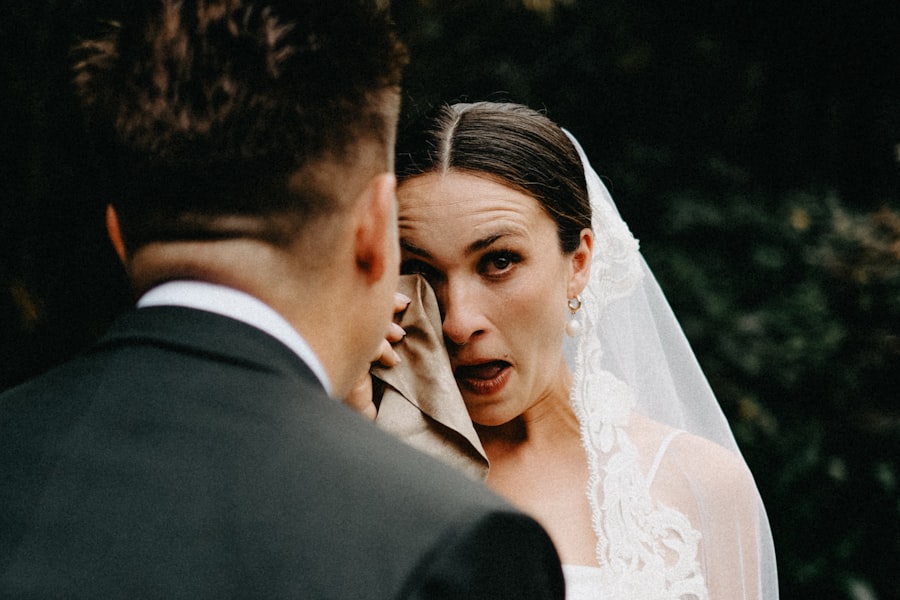
Suddenly, our home, the sanctuary of our shared life, was no longer a haven. It was a crime scene. The familiar objects, once imbued with the warmth of our shared history, now seemed to bear witness to the horror. The police tape, a stark yellow barrier, became a physical manifestation of the boundary between our past and our irrevocably altered present. The sterile efficiency of the forensic teams, their methodical examination of every detail, underscored the grim reality of our situation.
The Arrival of Authority
The arrival of authority was a jarring intrusion into the intimate space of our personal tragedy. Uniformed figures, their faces a mixture of professional detachment and grim curiosity, navigated our once-familiar rooms with a purpose that was both necessary and deeply unsettling. Their questions, their probes, were aimed at dissecting the layers of our lives, seeking the truth within the chaos.
The Dehumanizing Process
The process of investigation, while necessary for justice, was also a deeply dehumanizing experience. We were no longer individuals with complex emotions and a shared history. We were specimens, pieces of a puzzle to be analyzed and categorized. Our individual narratives were reduced to fragmented testimonies, our lives dissected under the harsh glare of scrutiny.
The Evidence and the Investigation
The meticulous gathering of evidence transformed our home into a sterile laboratory. Every misplaced object, every faint smudge, every silent testament to our lives now held the potential to speak volumes. The investigation became an archaeological dig into the ruins of our marriage, unearthing buried truths and hidden motives. The evidence, once innocuous aspects of our daily existence, now told a story of desperation and darkness.
The Unveiling of Secrets
The investigation was an unavoidable unveiling of secrets we had both meticulously guarded. It forced us to confront truths we had long suppressed, to lay bare the hidden currents that had shaped our actions. The crime scene, in its stark reality, became a confessional, a place where the truth, however brutal, could no longer remain hidden.
The Aftermath and the Unanswered Questions

The days and weeks that followed were a blur of legal proceedings, emotional turmoil, and profound disorientation. The weight of consequence settled upon me, a heavy mantle of guilt and regret. The act that had once seemed a cataclysmic release, a final, desperate exclamation point, had transformed into a persistent ache, a constant reminder of the irreversible damage inflicted.
The Legal Labyrinth
Navigating the legal labyrinth was an exercise in surreal detachment. The language of the courts, the procedures, the endless waiting – it all felt like a play in which I was an unwilling and deeply traumatized participant. My private tragedy was being dissected and debated in public forums, stripped of its emotional nuance and reduced to legal arguments.
The Erosion of Identity
In the aftermath, my sense of self felt fractured, as if a fundamental part of my identity had been permanently altered. The person I had once been, the partner, the individual navigating life with a semblance of normalcy, was no longer entirely recognizable. The crime scene had not only marked my home, but it had also irrevocably marked me.
The Lingering Ghosts
The lingering ghosts of what transpired haunted every corner of my existence. The memories, once mundane, were now tainted by the shadow of violence. Sleep offered little respite, often bringing fragmented nightmares that replayed the horrific events. The silence of my home, once a source of comfort, was now a constant, oppressive reminder.
The Burden of Responsibility
The burden of responsibility was immense, a crushing weight that threatened to suffocate me. The choices made, the actions taken, had irrevocably altered not only my life but the lives of others. The notion of accountability, once an abstract concept, became a stark and unavoidable reality.
The day my marriage turned into a crime scene was a shocking experience that left me questioning everything I thought I knew about love and trust. In a similar vein, an intriguing article titled “When Love Turns Dark” explores the unsettling realities of relationships that take a dangerous turn. This piece provides insight into the psychological factors that can lead to such dramatic transformations, making it a compelling read for anyone interested in the complexities of human connections. You can find the article here: When Love Turns Dark.
The Path Forward: A Scarred Landscape
| Metric | Value | Description |
|---|---|---|
| Date of Incident | 2023-11-15 | The day the marriage incident occurred |
| Number of People Involved | 4 | Individuals present during the incident |
| Police Reports Filed | 1 | Official report made to authorities |
| Duration of Incident | 2 hours | Time span from start to resolution |
| Injuries Reported | 2 | Number of people injured during the event |
| Legal Actions Taken | Yes | Whether legal proceedings were initiated |
| Emotional Impact Level | High | Subjective measure of emotional distress |
There is no neat conclusion to this narrative, no sudden moment of catharsis or absolute resolution. The path forward is not a well-trodden road, but a scarred landscape, one that I must continue to navigate with the indelible marks of what has occurred. The crime scene is no longer a physical location, but a permanent imprint on my consciousness.
The Rebuilding Process
Rebuilding is not about erasing the past, but about learning to live with its enduring presence. It is about acknowledging the darkness without allowing it to consume the light that may still exist. It is a slow, arduous process, akin to tending a garden after a devastating storm, where the soil is churned and the familiar plants lie broken.
The Rediscovery of Self
The rediscovery of self is a journey into uncharted territory. It involves piecing together the fractured fragments of my identity, acknowledging the trauma without letting it define me entirely. It is about finding a new equilibrium, a way to exist in the world with the scars of my past, but not as a prisoner to them.
The Enduring Lessons
The enduring lessons learned are stark and profound. Love, in its purest form, is a precious and fragile thing, requiring constant nurturing and unwavering honesty. Its absence, or its corruption, can lead to devastating consequences. This is not a story for the faint of heart, but it is a story that must be told, a testament to the terrifying fragility of human connection and the devastating power of love gone awry. It is a reminder that sometimes, the most ordinary Tuesdays can be the ones that shatter worlds.
FAQs
What is the main theme of the article “The Day My Marriage Turned Into a Crime Scene”?
The article explores a personal account of a marriage that experienced a dramatic and possibly criminal event, turning the relationship into a situation resembling a crime scene.
Does the article describe a real-life incident or a fictional story?
The article is based on a real-life incident, detailing the author’s experience when their marriage was disrupted by a serious and unlawful event.
What kind of crime is involved in the story described in the article?
While the article does not specify the exact crime, it implies that the marriage was affected by a significant criminal act that had legal and emotional consequences.
How does the article address the impact of the crime on the marriage?
The article discusses the emotional turmoil, legal challenges, and changes in the relationship dynamics that occurred as a result of the crime.
Is there any advice or lessons shared in the article for readers facing similar situations?
Yes, the article offers insights and advice on coping with unexpected crises in a marriage, emphasizing the importance of communication, seeking legal help, and emotional support.