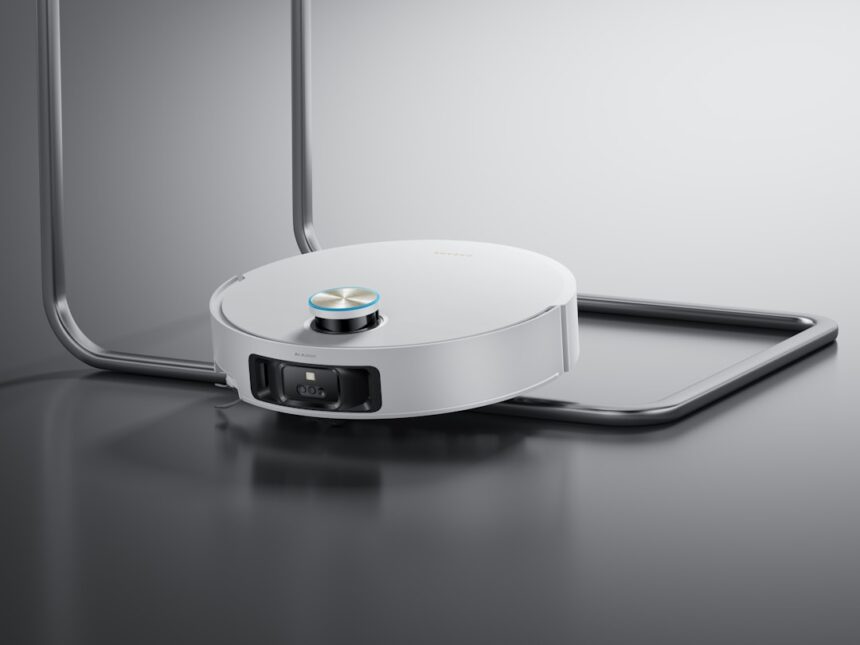
I want to pull back the curtain, so to speak, and reveal what’s really going on behind the sleek surfaces and glowing interfaces of the smart appliances that have become so commonplace in our homes. We invite these devices into our private spaces, trusting their convenience and their promise of an easier life. But what do they actually do when we’re not looking? What hidden dialogues are they having? What data are they quietly collecting?
The first thing to understand is that a “smart” appliance is, at its core, a computer with a specific function. It’s not just a toaster that knows how to pop up your bread; it’s a mini-server that can connect to your home network, and by extension, the vast, interconnected web of the internet. This connectivity is the foundation of its “smartness,” allowing it to receive updates, communicate with other devices, and, crucially, transmit and receive data.
The Invisible Threads: Home Wi-Fi and Beyond
Your home Wi-Fi network acts as the central nervous system for your smart appliances. Think of it as a busy intersection where data packets, like tiny vehicles, are constantly zipping back and forth. Each smart device on your network is a node, capable of sending and receiving information. This isn’t just about receiving commands from your smartphone; it’s about background processes, diagnostic checks, and the continuous exchange of operational data.
Beyond the Router: Cloud Connectivity
Most smart appliances rely heavily on cloud services. This means that a significant portion of their processing power and data storage isn’t happening within the appliance itself, but on remote servers operated by the manufacturers. Information about your usage patterns, settings, and even potential troubleshooting data is often sent to these clouds for analysis and storage. This is where the appliance’s “intelligence” truly resides, as complex algorithms and machine learning models crunch the numbers.
The Protocols of Communication: How Devices Talk
Smart appliances communicate using a variety of protocols, similar to how different languages are spoken around the world. Wi-Fi is the most prevalent, but you might also encounter Bluetooth for direct device-to-device communication, and sometimes protocols like Zigbee or Z-Wave for low-power mesh networks, particularly in smart home hubs. Understanding these protocols is like learning the grammar of smart device interactions.
The Language of Commands: API Interactions
Application Programming Interfaces (APIs) are the silent translators that allow different software systems to talk to each other. When you use a manufacturer’s app to control your smart thermostat, or when you link your smart speaker to your smart lights, APIs are facilitating those commands. They are the set of rules and specifications that define how software components interact, ensuring that your voice command to “turn off the lights” is understood and executed by the light bulb.
In recent discussions about smart appliances, a fascinating article has emerged that exposes the hidden secrets behind their functionality and data collection practices. This article delves into how these devices, while designed for convenience, may inadvertently compromise user privacy. For more insights on this topic, you can read the full article here: Smart Appliance Exposed Secrets.
Beyond Basic Functionality: The Data Harvest
The convenience of smart appliances comes at the price of data. Every interaction, every setting change, and often, every operational cycle, generates data. This data forms a detailed portrait of your home life, a mosaic of your habits and preferences.
Usage Patterns: The Daily Rhythms
Your smart refrigerator, for instance, can track when you open its doors, how long they remain open, and perhaps even what you take out or put in. A smart oven might log the temperatures and times of your cooking sessions. A smart washing machine could record the cycles you use, the water temperatures, and the load sizes. This data, when aggregated and analyzed, creates a detailed logbook of your household’s daily rhythms.
Predictive Maintenance: The Appliance’s Health Report
Manufacturers often use usage data for predictive maintenance. By monitoring how your appliance is performing, they can identify potential issues before they lead to a breakdown. This is a significant benefit, akin to a car’s onboard diagnostics warning you about an impending problem. However, it also means that the appliance is constantly feeding information about its internal workings back to the manufacturer.
Environmental Monitoring: More Than Just Temperature
Many smart appliances go beyond their primary function to monitor their surroundings. Smart thermostats, unsurprisingly, monitor room temperature and humidity. Smart ovens might monitor internal air quality to optimize cooking. Some smart refrigerators also have sensors to monitor internal humidity, which can impact food preservation. This environmental data, while often serving a functional purpose, further enriches the profile being built of your home’s microclimate.
Voice and Vision: The Eavesdropping Potential
This is where many users express their deepest concerns. Smart speakers, with their always-on microphones, are designed to listen for activation words. However, the potential for unintended recordings or the transmission of ambient conversations is a recurring issue. Similarly, smart cameras, found in security systems or even as integrated features in some appliances, are designed to capture visual data. The question then becomes: where does this data go, and who has access to it?
The Cloud: The Manufacturer’s Digital Vault
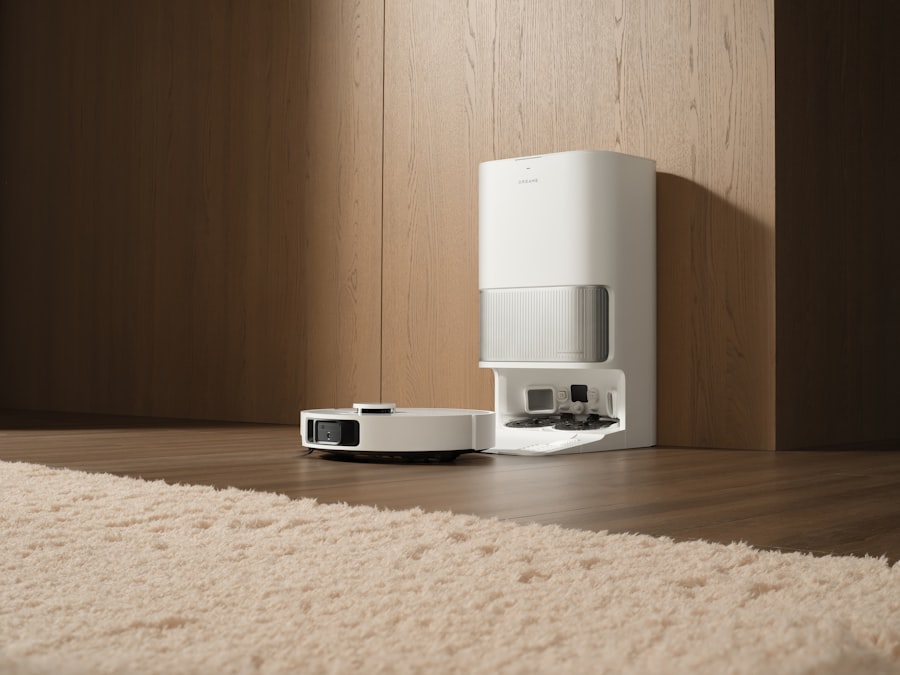
The cloud is where the significant processing and storage of data for smart appliances take place. It’s the brain behind the operation, holding the algorithms that make your appliances “smart” and the historical data that fuels their continuous improvement.
Data Aggregation: Building Collective Intelligence
Manufacturers often aggregate data from millions of devices. This aggregated data is invaluable for improving their products, developing new features, and understanding user behavior on a grand scale. Think of it like a city planner studying traffic flow across an entire metropolis to implement better road systems. Your individual data, when combined with thousands or millions of others, contributes to this larger picture.
Algorithm Refinement: The Engine of Improvement
Machine learning algorithms are at the heart of much of this “smartness.” These algorithms learn from data. The more data they have, the more accurate and nuanced they become. For example, a smart thermostat learns your preferred temperature settings at different times of the day and seasons, adjusting automatically for optimal comfort and energy efficiency. This refinement process is directly dependent on the data being fed into the cloud.
Software Updates: The Evolving Appliance
Smart appliances are not static entities. They receive software updates, much like your smartphone or computer. These updates can fix bugs, introduce new features, or enhance security. However, they also represent an opportunity for manufacturers to alter how data is collected or processed, or to introduce new functionalities that might not have been apparent when you initially purchased the device.
Over-the-Air (OTA) Updates: Seamless but Significant
Over-the-air (OTA) updates are designed to be seamless and convenient, happening in the background with minimal user intervention. While this is generally a positive, it means that significant changes to the appliance’s software, and therefore its data handling practices, can occur without explicit consent or even awareness from the user.
Security and Privacy: The Double-Edged Sword
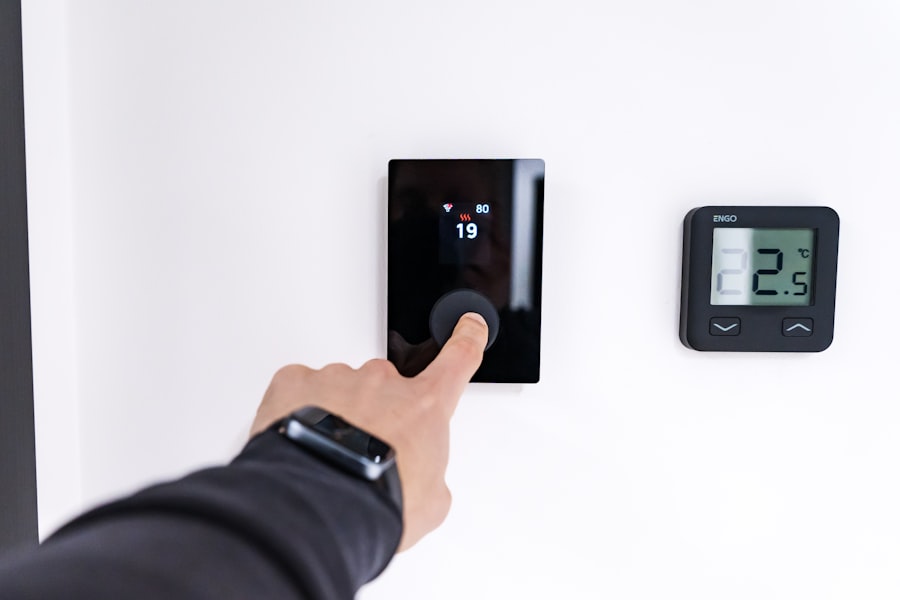
The interconnected nature of smart appliances presents significant security and privacy challenges. While manufacturers strive to protect user data, the sheer volume and sensitivity of the information collected make these devices attractive targets for cybercriminals.
Vulnerabilities and Exploits: The Weak Links
Like any networked device, smart appliances are susceptible to vulnerabilities. These can range from weak default passwords to flaws in the software itself. Exploiting these vulnerabilities can allow unauthorized access to appliance controls, personal data, or even your home network. Imagine a digital burglar picking a lock on your smart door.
Data Breaches: The Information Leak
Data breaches are a constant threat in the digital age, and smart appliances are not immune. If a manufacturer’s cloud servers are compromised, sensitive data collected from your appliances could be exposed. This could include information about your daily routines, your energy consumption, and potentially even personally identifiable information.
Privacy Policies: The Fine Print
Every smart appliance comes with a privacy policy. These documents, often lengthy and filled with legal jargon, outline how your data will be collected, used, and protected. It’s crucial to at least skim these policies to understand the general practices of the manufacturer. However, their complexity can often obscure the true extent of data collection.
User Control and Consent: A Shifting Landscape
The level of user control over data collection varies significantly between manufacturers and even between different models from the same company. While some providers are beginning to offer more granular privacy settings, it’s still often the case that opting out of certain data collection can limit the “smart” functionalities of the appliance. This can feel like a trade-off between advanced features and personal privacy.
In a recent exploration of the hidden vulnerabilities in modern technology, an article titled “Smart Appliance Exposed: Secrets Behind Your Connected Devices” sheds light on the potential risks associated with smart home gadgets. These devices, while designed to enhance convenience, often come with security flaws that can compromise user privacy. For a deeper understanding of these issues, you can read the full article here. The insights provided highlight the importance of being aware of what information these appliances may be collecting and how it is used.
The Future of the Connected Home: Transparency and Responsibility
| Metric | Value | Description |
|---|---|---|
| Number of Exposed Secrets | 15 | Total count of smart appliance secrets found exposed publicly |
| Types of Secrets | API Keys, Passwords, Tokens | Categories of sensitive data exposed |
| Percentage of Devices Affected | 8% | Proportion of smart appliances with exposed secrets out of total scanned |
| Average Exposure Duration | 45 days | Average time secrets remained exposed before detection |
| Potential Impact | Unauthorized Access, Data Theft | Possible consequences of exposed secrets |
| Mitigation Rate | 60% | Percentage of exposed secrets that were secured after notification |
The “secret life” of smart appliances is not necessarily malicious, but it is certainly complex and often opaque. As these devices become even more integrated into our lives, a greater emphasis on transparency and user control will be essential.
Manufacturer Responsibility: The Ethical Imperative
Manufacturers have an ethical and, increasingly, a legal responsibility to be transparent about their data collection practices. They must implement robust security measures to protect user data and provide clear, understandable information about how that data is used. This is not just about good business; it’s about building trust with consumers.
Consumer Awareness: Empowering the User
As consumers, we have a role to play in understanding the implications of bringing smart devices into our homes. Being aware of the data being collected, the security risks, and the privacy implications empowers us to make informed decisions about which devices to purchase and how to configure them. This awareness is the first step towards regaining control.
The Evolution of “Smart”: Towards True Intelligence and Trust
The true promise of smart appliances lies not just in their ability to perform tasks remotely, but in their potential to genuinely enhance our lives in secure and privacy-respecting ways. This requires a shift in how both manufacturers and consumers approach the “smart” home. It necessitates a conscious effort to move beyond the novelty of connectivity and towards a future where smart technology is built on a foundation of transparency, security, and respect for user privacy. The hidden dialogues of our appliances should be dialogues of utility and efficiency, not of unintended surveillance.

WATCH NOW ▶️ SHOCKING: My Smart Fridge Exposed Her $500,000 Secret
FAQs
What is a smart appliance?
A smart appliance is a household device equipped with internet connectivity and advanced features that allow it to be controlled remotely, often through a smartphone app or voice commands.
What kind of secrets can smart appliances expose?
Smart appliances can potentially expose user data such as usage patterns, personal preferences, and sometimes even sensitive information if the device is hacked or if data is improperly managed.
How do smart appliances collect data?
Smart appliances collect data through sensors, user inputs, and connectivity features that monitor usage, performance, and environmental conditions to optimize functionality and provide personalized experiences.
Are smart appliances vulnerable to hacking?
Yes, smart appliances can be vulnerable to hacking if they have weak security measures, outdated software, or unsecured network connections, which can lead to unauthorized access and data breaches.
How can users protect their privacy when using smart appliances?
Users can protect their privacy by regularly updating device firmware, using strong and unique passwords, securing their home Wi-Fi network, reviewing privacy settings, and being cautious about the data they share with the appliance manufacturer.