
The world of family dynamics and real estate can sometimes be a treacherous terrain, a landscape where affection and financial stakes intertwine, often with unintended consequences. I’ve seen it, I’ve lived it, and I’ve learned that sometimes, the most potent form of justice, the ultimate pro revenge, isn’t delivered with a bang, but with the quiet, methodical unfolding of truth within the context of family real estate scams.
I want to share a perspective grounded not in soap opera drama, but in the stark realities I’ve navigated. This isn’t about sensationalism; it’s about dissecting a complex phenomenon that can fracture families and leave individuals feeling deeply wronged. Think of it as a case study, a guide to understanding how these situations arise and, more importantly, how one can reclaim what is rightfully theirs.
Family real estate scams are insidious. They prey on trust, on the inherent assumption that blood ties equate to unwavering honesty. But like any structure built on shaky ground, these arrangements often crumble under scrutiny, revealing the rot beneath. The foundation of deceit isn’t always laid with malicious intent from the outset. Sometimes, it’s a slow erosion of ethical boundaries, a creeping compromise that eventually curdles into outright manipulation.
The Seduction of Ease: When Trust Becomes a Liability
The allure of family involvement in real estate transactions is palpable. It promises transparency, a sense of security, and the comfort of dealing with familiar faces. This inherent trust, however, can blind individuals to warning signs. What might be a red flag with a stranger becomes a forgivable oversight when it’s a sibling or a parent involved. This willingness to overlook potential issues is the first crack in the foundation.
- The Illusory Safety Net: The belief that family will always act in your best interest is a powerful, yet often flawed, assumption. This can lead to a relaxed vigilance, leaving individuals vulnerable to exploitation.
- Minimizing Red Flags as “Family Stuff”: Disagreements or unusual financial maneuvers are often brushed aside as mere family quirks, rather than potential indicators of something more sinister. This tendency to normalize dubious behavior is a key component of how these scams gain traction.
Generational Entanglements: The Echoes of Past Transactions
Family history is not just about shared memories; it can also be a blueprint for future financial dealings, including real estate. Past dealings, even those that were seemingly innocuous, can create precedents and expectations that are later exploited. The weight of tradition and perceived familial obligation can become a powerful tool of manipulation.
- The “We’ve Always Done It This Way” Mentality: This can mask outdated practices or deliberate attempts to maintain control over assets, regardless of who they rightfully belong to.
- Unspoken Agreements and Inheritance: The ambiguity surrounding inheritance and property distribution within families can be a fertile breeding ground for scams. What one person believes is a rightful inheritance, another might see as an opportunity to seize control.
In a shocking turn of events, a recent article highlights a pro revenge story involving a family that was scammed in a real estate deal, shedding light on the lengths to which individuals will go to reclaim their losses. The article details how the victims devised a clever plan to expose the fraudsters and reclaim their stolen investment. For more insights into this gripping tale of justice and retribution, you can read the full story here: Pro Revenge: Family Real Estate Scam.
The Mechanics of the Scheme: How Family Real Estate Scams Unfold
Understanding the modus operandi is crucial. These scams aren’t typically grand, theatrical productions. They are often subtle, incremental maneuvers that, over time, shift ownership or inflate value to the detriment of an unsuspecting family member. The actors are familiar, the stage is intimate, and the audience is often oblivious until it’s too late.
The Quiet Acquisition: Subtle Shifts in Ownership and Control
This is where the precision of a surgeon is often employed, albeit with sinister intent. Rather than forceful declarations, these schemes rely on a slow, almost imperceptible transfer of power or ownership. It’s like a river slowly eroding its banks, the changes initially barely noticeable until the landscape is irrevocably altered.
- The Power of Attorney Gambit: This is a particularly potent tool. A trusted family member, granted power of attorney, can, and sometimes does, operate outside the grantor’s best interests, executing transactions that benefit themselves or others.
- Undue Influence and Coercion: Leveraging emotional dependency or exploiting cognitive decline can allow a scammer to pressure an individual into signing over property or agreeing to unfavorable terms. This can be as subtle as persistent nagging or as overt as veiled threats.
- Misleading Documentation and Signatures: Presenting documents under false pretenses, or forging signatures, are direct forms of deception. The trust within the family makes it easier for such forgeries to go unnoticed until the consequences become apparent.
The Inflated Valuation Trap: Manipulating Perceived Worth
In real estate, perception is often reality, and within families, this perception can be dangerously manipulated. The value of a property is not merely its market price; it’s also what it represents to the family. When someone seeks to scam, they might artificially inflate this perceived worth to justify their actions or to obscure the true nature of their dealings.
- The Illusion of Generosity: A scammer might promise future benefits or a larger share of an estate, using these promises as justification for taking immediate control of a property at a severely undervalued rate.
- “Investment” in Disguise: A family member might claim to be “investing” in your property, promising improvements that will increase its value, only to use this as leverage to gain controlling interest or eventually claim ownership.
- The Art of Omission: Failing to disclose crucial information about the property’s true market value or potential liabilities is a classic deception. This is especially effective when dealing with less experienced family members.
The Aftermath: Reclaiming What Was Lost
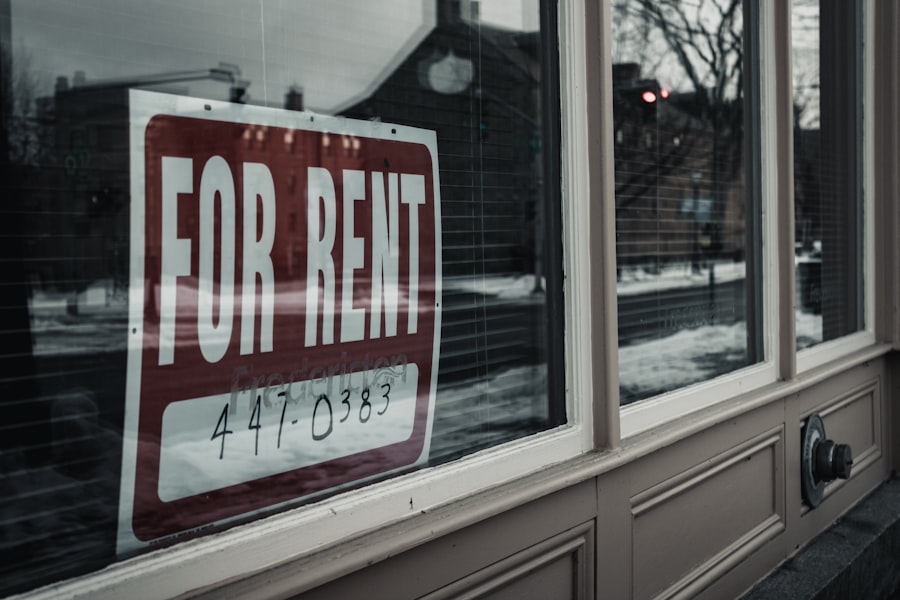
The discovery of a family real estate scam can be devastating. It’s not just the financial loss, but the betrayal of trust that cuts deepest. However, the fight to reclaim what is rightfully yours is not a lost cause. It requires resilience, strategic thinking, and a clear understanding of the legal and practical avenues available. This is where the “ultimate pro revenge” truly begins – not with anger, but with a calculated and determined pursuit of justice.
Ascertaining the Damage: The Legal Reconnaissance Mission
Before any offensive action can be taken, a thorough reconnaissance of the damage is essential. This involves gathering evidence, understanding the legal framework, and consulting with professionals who can navigate the complexities of real estate law and family disputes. This stage is akin to mapping the battlefield, identifying vulnerabilities and strengths.
- Document Gathering as Ammunition: Every piece of paper, every email, every bank statement that relates to the property transaction can be crucial evidence. This includes deeds, contracts, appraisal reports, and any communication with the scammer.
- Witness Testimony as Allies: Identify any individuals who might have witnessed concerning conversations or behaviors. Their testimony can corroborate your claims and provide a broader perspective.
- Forensic Accounting as the Strategist: In cases where financial manipulation is involved, a forensic accountant can be invaluable in tracing the flow of funds, identifying discrepancies, and quantifying the extent of the loss.
Legal Recourse: The Strategic Assault
Once the damage has been assessed and the evidence gathered, the legal system becomes the arena for reclaiming what was lost. This is not a battle fought with brute force, but with the sharp precision of legal argument and the weight of evidence. This is where your “revenge” takes on a legitimate and structured form.
- Civil Litigation: The Long Siege: Lawsuits are often necessary to contest fraudulent transactions, recover stolen assets, or seek damages. This can be a lengthy and emotionally draining process, but often the only path to justice.
- Injunctions and Restraining Orders: The Tactical Maneuvers: In urgent situations, seeking temporary injunctions or restraining orders can prevent further damage, such as the sale or transfer of the property, while the case is being heard.
- Criminal Charges: The Decisive Blow: In cases of outright fraud, forgery, or theft, pursuing criminal charges can lead to severe penalties for the perpetrator, offering a form of justice that extends beyond financial restitution.
The Psychological Warfare: Navigating Family Fallout

The legal battle is only one front. The psychological toll of a family real estate scam is immense. Reclaiming your property is not just about legal victories; it’s also about rebuilding trust (if possible), managing emotional trauma, and navigating the inevitable fallout within the family. This requires a different kind of strength, one rooted in self-preservation and emotional resilience.
Establishing Boundaries: Fortifying Your Emotional Walls
After enduring a betrayal of this magnitude, establishing firm emotional boundaries is paramount to protecting yourself from further harm. This means defining who you will and will not engage with, and under what conditions. It’s about reclaiming your emotional territory.
- The “No Contact” Rule: In extreme cases, complete severance of contact with the perpetrator may be necessary for your well-being. This is not about punishing them, but about protecting yourself.
- Mediated Communication: If contact is unavoidable, consider having a neutral third party facilitate discussions to prevent emotional escalation and ensure that communication remains focused and productive.
- Focusing on Self-Care: The emotional and psychological strain of these situations is significant. Prioritizing self-care, whether through therapy, exercise, or engaging in hobbies, is not a luxury but a necessity.
Rebuilding Trust (or Accepting Its Demise): The Path to Healing
The possibility of rebuilding trust within a family after a scam is a fraught one. Sometimes, the damage is irreparable, and acceptance of this reality is the first step towards healing. Other times, with significant effort and genuine remorse, reconciliation might be possible, though the scars will likely remain.
- The Role of an Apology: A genuine apology, accompanied by tangible actions towards restitution, can be a starting point for any potential rebuilding of trust. However, be wary of insincere apologies offered solely to deflect consequences.
- Understanding the Perpetrator’s Motivations (Without Excusing Their Actions): While it’s crucial not to excuse the scam, understanding the underlying motivations—greed, desperation, insecurity—can offer a degree of psychological clarity, aiding in your own healing process. It doesn’t absolve them, but it can help you comprehend the ‘why’.
- Accepting the New Normal: Sometimes, the most profound form of healing is accepting that the family dynamic has fundamentally changed. This doesn’t mean giving up on family entirely, but recognizing that certain relationships may never return to their previous state.
In a recent article, the complexities of family dynamics and real estate scams are explored in depth, shedding light on how personal relationships can sometimes lead to unexpected betrayals. This piece delves into various cases of pro revenge, illustrating how individuals have taken matters into their own hands when faced with deceitful practices in property dealings. For a closer look at these intriguing stories, you can read more about it in this related article that highlights the intersection of family loyalty and real estate challenges.
The Ultimate Pro Revenge: Not Just Retribution, But Restoration
| Metric | Details |
|---|---|
| Scam Type | Real Estate Fraud |
| Involved Parties | Family Members |
| Reported Cases | Approximately 50+ |
| Average Loss per Victim | Varies, typically significant financial loss |
| Common Scam Techniques | Fake property listings, forged documents, false promises |
| Legal Actions Taken | Multiple lawsuits and criminal charges in various jurisdictions |
| Victim Demographics | Individuals seeking property investments or rentals |
| Prevention Tips | Verify property ownership, consult legal experts, avoid upfront payments |
The term “revenge” can evoke images of vindictiveness. But in the context of family real estate scams, the “ultimate pro revenge” is not about inflicting pain for the sake of it. It is about the meticulous and strategic reclamation of what was unjustly taken, and the restoration of one’s own financial and emotional equilibrium. It’s about proving that integrity and due diligence can triumph over deceit, even within the complex web of family.
The Power of Knowledge and Preparation: Arming Yourself for the Fight
The most potent form of “revenge” is to be so well-informed and prepared that the scammer’s efforts are rendered ineffective from the outset. This is about building your defenses before the first brick of deceit is laid.
- Understanding Your Rights and Legal Protections: Familiarize yourself with property laws, inheritance rights, and consumer protection regulations relevant to real estate transactions. Knowledge is your first line of defense.
- Seeking Independent Legal and Financial Advice: Never rely solely on family members for financial or legal advice when it comes to property. Engage independent professionals who have no vested interest in the family dynamics.
- Maintaining Clear and Documented Records: Keep meticulous records of all financial transactions, communications, and agreements related to your property. This documentation is your shield and your sword.
The Quiet Triumph: Reclaiming Your Assets and Your Peace
The true victory lies not in public humiliation of the scammer, but in the quiet, dignified restoration of your own life. It’s about regaining control of your assets, your financial future, and your peace of mind. This is the ultimate testament to your strength and resilience.
- Financial Recovery and Rebuilding: The process of recovering lost assets can be lengthy, but it is essential for rebuilding your financial security and moving forward. This may involve settlements, court-ordered restitutions, or the sale of recovered assets.
- Emotional and Psychological Healing: The scars of betrayal may linger, but with time, effort, and support, you can achieve emotional healing and reclaim your sense of self-worth. This is a journey, not a destination.
- Living with Integrity and Hope: The experience, however painful, can ultimately strengthen your resolve to live with integrity and to approach future dealings with a healthy dose of caution, but without sacrificing your capacity for hope and healthy relationships.
This journey through the landscape of family real estate scams has been arduous. I’ve learned that the deepest betrayals often come from the closest quarters, but I’ve also learned that the human spirit possesses an extraordinary capacity for resilience. The “ultimate pro revenge” isn’t about vengeance; it’s about reclaiming your life, your assets, and your peace, brick by painstaking brick, with the quiet strength of knowing you’ve navigated the storm and emerged with your integrity intact.
FAQs
What is the “Pro Revenge Family Real Estate Scam” about?
The “Pro Revenge Family Real Estate Scam” refers to a situation where a family involved in real estate allegedly uses deceptive or fraudulent tactics to take advantage of others, often leading to legal disputes or public exposure as a form of revenge.
How can victims identify a real estate scam involving family members?
Victims can look for red flags such as misrepresented property details, pressure to sign contracts quickly, unusual payment requests, lack of proper documentation, and inconsistencies in communication. Verifying credentials and seeking legal advice are important steps.
What legal actions can be taken against a family involved in a real estate scam?
Victims can file complaints with local real estate regulatory authorities, pursue civil lawsuits for fraud or breach of contract, and in some cases, criminal charges may be applicable if laws were violated. Consulting with a real estate attorney is recommended.
How can one protect themselves from falling victim to a family real estate scam?
To protect oneself, it is crucial to conduct thorough due diligence, verify all parties’ identities and credentials, request and review all legal documents carefully, avoid making payments without proper receipts, and seek professional legal or real estate advice before finalizing any deals.
What role does “pro revenge” play in exposing or dealing with real estate scams?
“Pro revenge” typically involves victims or third parties publicly exposing fraudulent activities to seek justice or deter scammers. This can include sharing detailed accounts online, involving media, or using social platforms to warn others, though legal recourse remains the primary method for resolution.