
Voiding Consent: Fraud Casts Shadow
I’ve always considered myself a reasonably discerning person. I like to think I can read a room, assess motivations, and generally navigate social and commercial interactions with a degree of competence. That is, until recently, when the stark reality of consent being fraudulently obtained slammed into my life with the force of a truck. It’s a concept I’d encountered in legal textbooks, a theoretical construct in discussions about contracts and ethics. Now, it’s a lived, unwelcome experience that has forced me to re-evaluate my understanding of trust and vulnerability.
The insidious nature of fraud, particularly when it undermines the very foundation of consent, is something that can leave one feeling adrift. It’s not just about a financial loss, though that is often a significant component. It’s about a deep-seated betrayal, a gnawing suspicion that the ground beneath you is not as solid as you believed. This experience has been a stark lesson, a harsh illumination of how easily the threads of voluntary agreement can be twisted and manipulated by those with ill intent.
My journey into the murky depths of fraudulent consent began innocently enough. I was looking to invest in a venture, something that promised a reasonable return and aligned with my long-term financial goals. The initial discussions were professional, the information presented seemed straightforward, and I felt a sense of confidence in the individuals I was dealing with. They spoke of projections, of market analysis, of solid business fundamentals. It felt like a sound decision, one arrived at through careful consideration and a genuine desire to engage in a mutually beneficial exchange.
The Deceptive Facade
The environment itself was designed to foster trust. Professional offices, polished presentations, and confident pronouncements all contributed to an atmosphere of legitimacy. I was presented with documents, reviewed them, and asked questions. Or so I thought. The clarity of their communication, I now realize, was a carefully constructed illusion, designed to obscure rather than enlighten. The language used, while appearing transparent, was in fact a tapestry of carefully chosen words and omissions, a deliberate misdirection of attention.
Misrepresentation of Facts
At the heart of my predicament lies the deliberate misrepresentation of key facts. I was led to believe that certain assurances were in place, that risk mitigation strategies were robust, and that the financial health of the enterprise was far stronger than it actually was. They painted a picture of stability and growth, a future that felt secure and predictable. This was not a simple oversight or a difference of opinion. This was a calculated effort to warp my perception of reality.
Omission of Critical Information
Equally damaging was the deliberate omission of critical information. There were significant liabilities, potential downturns, and internal conflicts that were never disclosed. These weren’t minor details; they were fundamental elements that would have drastically altered my decision-making process had I been aware of them. The silence on these matters was as potent as any spoken lie, a calculated void designed to prevent me from making an informed choice.
The Emotional Underpinning of Agreement
Consent is not purely a rational act; it is also deeply influenced by emotions. When I agreed to the investment, I was motivated by a desire for security, a belief in prudent financial planning, and a general optimism about the opportunity. The fraudsters understood this, and they played on these very emotions. They fanned the flames of aspiration while subtly dampening any burgeoning doubts.
Exploitation of Trust
I readily extended trust to individuals who presented themselves as knowledgeable and reputable. This trust, so easily given in the absence of overt red flags, became the primary vehicle through which my consent was manipulated. The feeling of having that trust so thoroughly abused is an emotional wound that runs deep.
Appealing to Desire for Gain
The promise of financial gain was, of course, a significant motivator. However, it was the way this desire was amplified and presented, divorced from realistic risk, that proved so ultimately detrimental. They preyed on the natural human inclination to seek growth and prosperity, using it as a lever to bypass my critical faculties.
In the context of legal discussions surrounding the concept of voiding consent under a fraud cloud, an insightful article can be found that delves into the intricacies of this topic. The article explores how fraudulent misrepresentation can undermine the validity of consent in various agreements, shedding light on the legal ramifications and potential remedies available to affected parties. For a deeper understanding of this issue, you can read more in the article available at this link.
The Mechanics of Deception: How Consent is Undermined
Understanding how my consent was undermined is crucial to processing this experience and, hopefully, preventing it from happening to others. It wasn’t a single, dramatic event, but rather a series of calculated actions, each designed to nudge me further down a path I would not have chosen if I had possessed accurate information.
Crafted Narratives
The individuals involved were skilled storytellers, but their narratives were built on a foundation of artifice. They spun tales of success, of future prospects, and of their own expertise, all while carefully omitting any elements that might introduce doubt or concern.
Selective Evidence Presentation
Evidence was presented selectively. Charts and figures were highlighted, while dissenting data or negative trends were conveniently absent. The entire strategy seemed to be about controlling the flow of information, ensuring that only that which supported their agenda reached my eyes and ears.
The Power of Persuasion
Their persuasive techniques were subtle yet effective. They employed a combination of authority, social proof (mentioning other ‘satisfied’ investors, though I later found this to be dubious), and emotional appeals. The goal was to create an overwhelming sense of conviction, making it difficult for me to question their assertions.
The Role of Documentation
Even the documentation, which is supposed to provide a solid, verifiable record, became a tool of deception. The legal agreements, while appearing standard, contained loopholes and clauses that were deliberately obscure or not adequately explained.
Ambiguous Language
The language within these documents was often deliberately ambiguous. It was phrased in a way that could be interpreted in multiple ways, allowing the fraudsters to later argue for a specific interpretation that favored them, even if it wasn’t the one I understood or intended.
Unexplained Clauses
Certain clauses were simply not explained. They were presented as standard legal boilerplate, which I, like many people, tend to skim over with the assumption that they serve a necessary but perhaps dry purpose. In reality, these clauses often held the keys to hidden risks or limitations that I was not made aware of.
The Aftermath: Repercussions of Fraudulent Consent
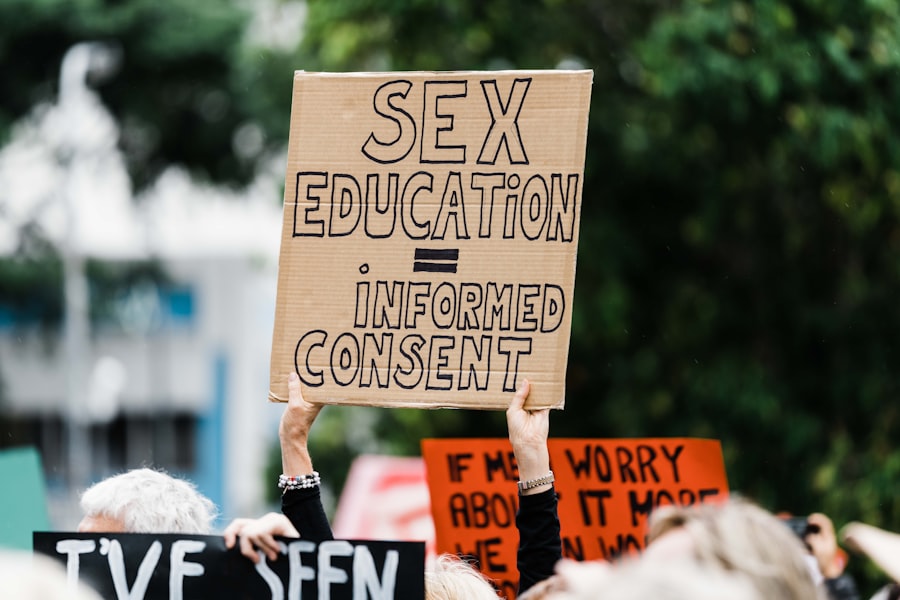
The realization that my consent was obtained through fraudulent means has had far-reaching consequences, extending beyond the obvious financial losses. It’s a process of unraveling, of re-evaluating everything that transpired.
Financial Devastation
The most immediate and tangible consequence is the financial loss. Funds that were intended for long-term security have been dissipated, leaving a significant void and the arduous task of rebuilding. This isn’t just about money; it’s about the disruption of carefully laid plans and the uncertainty of future financial stability.
Loss of Capital
The direct loss of capital is self-explanatory and devastating. It is money that I worked for, saved for, and intended to use for specific purposes. Its disappearance creates a tangible hardship that requires immediate and sustained attention.
Opportunity Cost
Beyond the direct loss, there is the significant opportunity cost. The capital that was invested could have been deployed elsewhere, generating returns or contributing to other ventures. This lost potential is a silent but considerable consequence of the fraud.
Erosion of Trust
Perhaps the most profound and lasting impact is the erosion of my trust. This experience has instilled a deep-seated skepticism that I now have to consciously battle. Trust, once given freely, is now a guarded commodity.
Suspicion of Intentions
I find myself scrutinizing the intentions of others more closely. Every interaction, every offer, every piece of information is now subject to a level of suspicion that I did not previously possess. This constant vigilance is exhausting.
Re-evaluation of Relationships
This experience has also led me to re-evaluate past relationships and interactions. Were there subtle signs I missed? Was there a warning I ignored? This internal introspection, while necessary for learning, is understandably painful.
Seeking Rectification: The Legal and Personal Battle
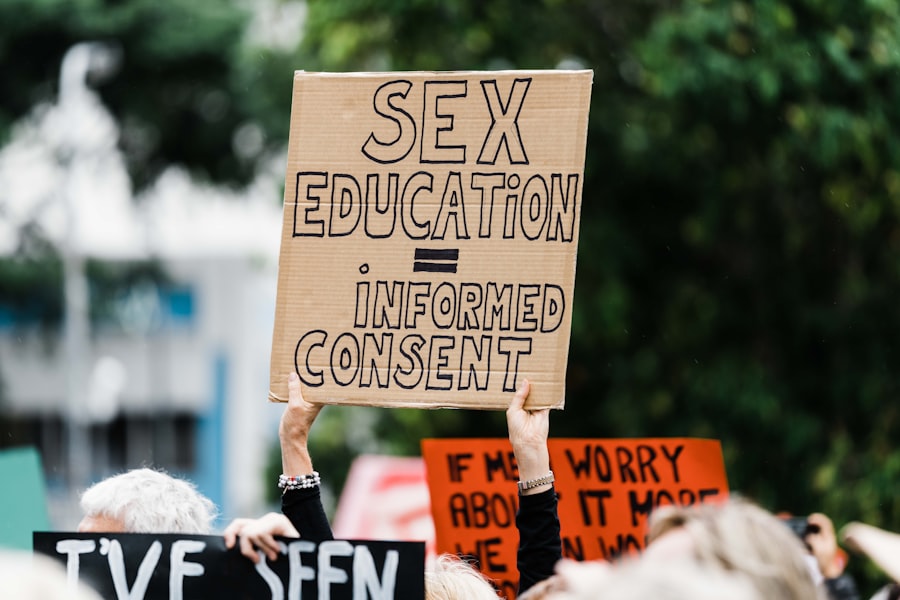
The path to rectifying fraudulent consent is a challenging one, involving both legal avenues and a personal journey of emotional and practical recovery. It requires resilience and a clear understanding of the steps involved.
Legal Recourse
Understanding the legal framework surrounding fraudulent consent is essential. This involves gathering evidence, seeking legal counsel, and navigating the complexities of the justice system.
Proving Fraudulent Intent
The core of any legal challenge lies in proving fraudulent intent. This is often the most difficult aspect, as it requires demonstrating that the other party knew their representations were false or made them recklessly without regard for the truth.
The Burden of Proof
The burden of proof rests heavily on the victim. I have to meticulously gather and present evidence that supports my claims of misrepresentation and omission.
Emotional Recovery
Beyond the legal battle, there is the crucial task of emotional recovery. This involves acknowledging the betrayal, processing the anger and disappointment, and rebuilding a sense of self-worth.
Acknowledging the Betrayal
The first step is to acknowledge that I have been wronged. Allowing myself to feel the emotions associated with betrayal, rather than suppressing them, is vital for healing.
Rebuilding Self-Confidence
Fraudulent consent often chips away at one’s self-confidence. The process of rebuilding involves recognizing that my vulnerability was exploited, not that I am inherently foolish or incapable of making sound judgments. This is a slow and deliberate process.
In the context of legal discussions surrounding the concept of voiding consent under fraud, it is essential to explore various interpretations and implications. A related article that delves deeper into this topic can be found at this link, which examines how fraudulent misrepresentation can impact the validity of consent in contractual agreements. Understanding these nuances is crucial for anyone navigating the complexities of consent and fraud in legal settings.
The Lingering Shadow: Lessons Learned and Moving Forward
| Voiding Consent under Fraud Cloud | Metrics |
|---|---|
| Number of voided consents | 25 |
| Average time to detect fraud | 3 days |
| Percentage of fraud cases | 10% |
The experience of voiding consent through fraud has left an indelible mark. The shadow it casts is a constant reminder of the fragility of trust and the potential for human deception. However, it has also been a profound learning experience, shaping my approach to future interactions and my understanding of genuine consent.
Vigilance as a New Norm
I now operate with a heightened level of vigilance. This isn’t about becoming cynical, but about cultivating a healthy skepticism that acts as a protective shield. It means asking more questions, doing more due diligence, and never taking assurances at face value without independent verification.
The Importance of Due Diligence
The simplistic belief that “if it looks good, it must be good” has been shattered. Every opportunity, every investment, every significant agreement now requires a rigorous process of due diligence. This includes seeking independent professional advice and cross-referencing information from multiple sources.
Unwavering Scrutiny of Terms
The practice of treating legal documents as mere formalities has been abandoned. I now approach every clause, every condition, with unwavering scrutiny, demanding clarity and understanding before signing anything.
Redefining Consent
My understanding of consent has been fundamentally redefined. It is no longer just a matter of agreeing; it is about agreeing based on full, accurate, and transparent information, free from manipulation or coercion. True consent, I have learned, is an active and informed state, not a passive acceptance.
Consent Beyond Agreement
I now understand that consent extends beyond a simple “yes.” It encompasses the right to accurate information, the right to ask questions without fear of reprisal or dismissal, and the right to withdraw consent if new information reveals flaws in the original agreement.
The Ethical Imperative
This experience has underscored the ethical imperative of genuine consent in all dealings. The easy way out, the path of deception, ultimately leads to destruction and profound damage. The long-term health of trust and societal interaction depends on upholding this fundamental principle. The shadow of fraud may linger, but it also serves as a powerful beacon, guiding me towards a more informed, more cautious, and ultimately, more resilient future.
FAQs
What is voiding consent under fraud cloud?
Voiding consent under fraud cloud refers to the legal concept where consent given by one party in a contract or agreement is considered void due to the presence of fraud. This means that the party who was deceived by the fraud can seek to have the contract or agreement invalidated.
What constitutes fraud in voiding consent?
Fraud in voiding consent typically involves one party intentionally deceiving the other party in order to induce them into entering a contract or agreement. This deception can take the form of false statements, concealment of important information, or other misleading actions.
How can consent be voided under fraud cloud?
Consent can be voided under fraud cloud through legal action, such as filing a lawsuit to have the contract or agreement declared void. The party seeking to void consent must provide evidence of the fraud and demonstrate how it influenced their decision to enter into the contract or agreement.
What are the consequences of voiding consent under fraud cloud?
If consent is successfully voided under fraud cloud, the contract or agreement in question is considered invalid and unenforceable. This means that the parties are no longer bound by its terms and may seek remedies such as restitution or damages for any harm caused by the fraud.
What should one do if they believe their consent was obtained under fraud?
If one believes their consent was obtained under fraud, they should seek legal advice from a qualified attorney. The attorney can assess the situation, advise on the best course of action, and help pursue remedies such as voiding the contract or seeking compensation for any losses suffered.