The sterile hum of the fluorescent lights is the constant soundtrack to my shifts. It’s not a symphony, nor is it an oppressive drone. It simply is, like the clock on the wall that ticks with unwavering indifference, or the worn linoleum under my feet. I am a guard, authorized personnel only. My world is defined by invisible lines, by badges and keycards, by the quiet authority of a uniform. This isn’t a glamorous job. There are no shootouts, no daring rescues. Mostly, it’s about routine, about observation, and about being a physical deterrent. My story isn’t one of heroism, but of a particular kind of vigilance, a constant, low-level awareness that forms the bedrock of my professional existence.
My existence as a security guard revolves around thresholds. The main entrance to the facility, for instance. It’s a double set of heavy glass doors, flanked by imposing metal frames. On the door, in stark, unadorned lettering, is the phrase: “Authorized Personnel Only.” It’s more than just a warning; it’s a declaration of intent, a silent agreement between the facility and the outside world. My role is to uphold that declaration.
The Initial Impression
When I was first assigned this post, the weight of that phrase settled on me. It wasn’t just about checking IDs; it was about embodying the concept of authorization. It meant understanding who should be here and, more importantly, how to discern who shouldn’t. This isn’t about arrogance or superiority. It’s about a functional responsibility. The initial impression I try to project is one of calm competence. I’m not here to intimidate, but to inform and, if necessary, to enforce. A friendly nod, a direct but not aggressive gaze – these are the initial tools of my trade.
The Tools of the Trade
My toolkit isn’t elaborate. It begins with my uniform. It’s a simple, practical outfit, designed for visibility and a sense of order. Then there’s my radio, a lifeline to my colleagues and supervisors. It crackles with snippets of information, often mundane, sometimes urgent. A lost child (rare, but it happens in larger complexes), a minor equipment malfunction, a call for assistance. My flashlight, essential for late-night patrols, also serves as a visual cue, its beam cutting through the shadows. And of course, there are my eyes and ears. They are my primary instruments, constantly scanning, constantly processing.
The Art of Observation
Observing is more than just looking. It’s about noticing the anomalies. A person lingering too long without apparent purpose. Someone fidgeting nervously. A bag being carried in an unusual way. These are not automatic red flags, but points for further assessment. I’ve learned to build a mental database of the regular faces – the employees, the frequent delivery drivers, the maintenance staff. When someone deviates from that norm, my attention sharpens. It’s a subtle calibration on my internal radar.
The Gatekeeper’s Mindset
The gatekeeper’s mindset is one of deliberate patience. I understand that the person approaching the gate might be tired, stressed, or simply in a hurry. My job is not to make their day harder, but to ensure the security of the premises. This requires a balance between efficiency and thoroughness. I don’t rush people, but I also don’t dawdle. Every interaction is a brief test, a quick assessment of intent and legitimacy.
In a recent article discussing the challenges faced by security personnel in high-stakes environments, the story of an authorized personnel only security guard highlights the critical role these professionals play in maintaining safety and order. The article delves into the daily responsibilities and ethical dilemmas encountered by security guards, emphasizing the importance of vigilance and training. For more insights on this topic, you can read the full article here: Authorized Personnel Only: The Life of a Security Guard.
The Daily Grind
The days blur into a rhythm. The sunrise paints the windows with fleeting color, then the fluorescent lights take over, casting their unwavering glow. My mornings are often filled with the comings and goings of the day shift, a steady stream of individuals with their badges or access cards. Afternoons bring a different energy, a more focused work atmosphere, and then the evening shift begins, with its quieter, sometimes more introspective atmosphere.
Morning Arrivals
Mornings are about establishing the baseline. I greet people with a polite “Good morning” or a nod. My primary task is to verify their access. This usually involves a quick glance at their ID or badge as they approach the reader. Occasionally, there’s a forgotten badge, a malfunctioning card. These are the moments that require a bit more interaction.
The Forgotten Badge Scenario
“Excuse me, sir/ma’am,” I’ll say, my voice level. “I don’t seem to have you on the system today.” The usual reaction is a sigh, a patting of pockets. “Oh, shoot! I must have left it at home.” My response is usually a standard procedure: “Alright, no problem. Could you please state your name and department for me?” I’ll then use my radio or internal system to verify their identity with their supervisor or HR. It’s a necessary step, a brief interruption, but it’s crucial for maintaining records and ensuring accountability.
The System Glitch
Sometimes, the technology fails. A card reader beeps indignantly or remains stubbornly inert. “It’s not working,” someone might say, frustration creeping into their voice. I’ll check the reader, my own diagnostic scan. If it’s a systemic issue, I’ll report it immediately and direct people to an alternative entry point. If it’s an individual issue, it’s back to verbal verification. These moments are a reminder that even the most advanced systems can falter, making human vigilance all the more important.
Mid-Shift Routine
The middle of my shift is often characterized by a shift in focus. The initial rush has subsided, and now it’s about maintaining vigilance. This involves periodic patrols of the perimeter, checking access points, and monitoring the internal CCTV feeds. It’s a time for quiet observation, for being present without being intrusive.
Perimeter Checks
My patrols are not about wandering aimlessly. They are structured, designed to cover all accessible areas. I walk the designated routes, my eyes scanning for anything out of the ordinary. Is a door ajar that shouldn’t be? Is there any sign of unauthorized access? These checks are conducted with a quiet efficiency, designed to be noticeable enough to deter but not so overt as to disrupt the normal flow of activity.
CCTV Monitoring
The CCTV system offers another layer of awareness. I monitor the feeds from my station, scanning the various cameras positioned throughout the facility. This allows me to observe areas I cannot physically patrol at every moment. It requires focus, the ability to pick out subtle details amidst the constant visual feed. A person looking lost, a suspicious package, an interaction that seems out of place – these are the things I look for.
Evening Transition
As the day winds down, the atmosphere changes. Fewer people are entering, and more are leaving. The energy shifts from the bustling activity of the workday to a quieter, more controlled environment. It’s a period of careful observation, ensuring that all outgoing personnel are accounted for and that no unauthorized entries occur after hours.
Late Departures
Some individuals work late, their faces illuminated by the glow of their computer screens. My role here is to ensure they have the necessary authorization to be on-site at these hours. A polite “Good evening” and a quick confirmation of their presence is usually sufficient.
Overnight Access
For those who work overnight shifts, the procedures are often more stringent. Access might be restricted to specific areas, and their entrance and exit times are meticulously logged. This is where the “Authorized Personnel Only” rule becomes particularly critical, as the facility is typically at its most vulnerable during these off-hours.
Encounters and Escalations
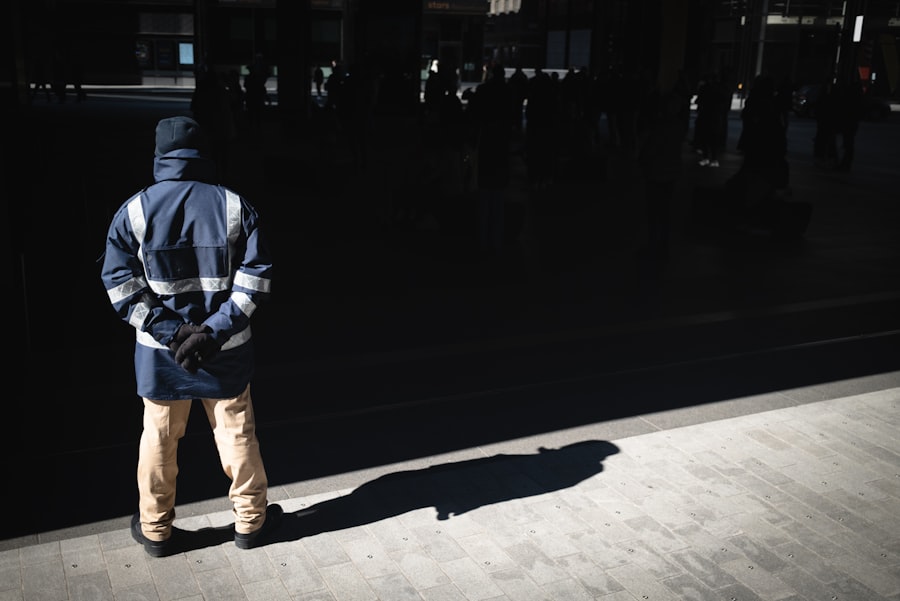
Not all my interactions are routine. Sometimes, I encounter individuals who are not authorized, or whose behavior raises concerns. These are the moments that test my training and my judgment, when the line between simply doing my job and actively managing a situation becomes blurred.
The Uninvited Guest
The most common scenario is someone trying to gain access without proper authorization. This could be a former employee, a curious visitor, or someone with less benign intentions. My initial approach is always calm and direct. “Excuse me, this area is restricted to authorized personnel only. Do you have an access card or ID?”
The Mildly Persistent
Sometimes, people are just misinformed or have forgotten the rules. They might argue, “I’ve been here before,” or “My friend is inside.” My response remains consistent: “I understand, but for security purposes, I need to verify your authorization.” If they persist politely, I’ll offer to contact the person they are looking for, or direct them to the appropriate administrative office.
The Uncooperative Individual
Then there are those who become confrontational. They might raise their voice, become aggressive, or refuse to leave. This is when I rely on my training in de-escalation techniques. I maintain a calm demeanor, avoid mirroring their anger, and reiterate the rules in a firm but measured tone. “Sir/Ma’am, I am asking you to leave the premises. If you refuse, I will have to contact my supervisor and potentially law enforcement.”
Suspicious Activity
Beyond direct attempts at unauthorized access, I also look for suspicious activity. This could be someone loitering near a sensitive area, examining the building’s security features a little too closely, or acting nervous and evasive.
The Loiterer
If I observe someone loitering, I will approach them and ask, “Can I help you with something?” Again, the goal is to understand their intent. If they have a legitimate reason to be there, they usually can provide a clear answer. If they are vague, evasive, or simply can’t explain their presence, I report it and monitor them closely.
The Bag or Package Observation
Observing unattended bags or packages is a critical aspect of security. If I see something that appears to be abandoned, or if someone leaves a bag in a strange location, my training kicks in. I’ll attempt to find the owner through announcements or by checking nearby individuals. If no owner is found, I follow protocol, which usually involves securing the area and contacting the appropriate authorities.
The Escalation Protocol
When an encounter escalates beyond my ability to manage it directly, I activate the escalation protocol. This involves contacting my supervisor or the designated security team. They have more authority and resources to handle complex situations. My role then shifts to providing them with a clear and accurate account of events.
Reporting to Supervisor
“Supervisor, this is [My Name] at the main gate. I have an individual who is refusing to leave the premises and is becoming aggressive.” I then provide a concise summary of the situation, including the individual’s description and the actions taken.
Involving Law Enforcement
In more serious cases, law enforcement may be required. This is a last resort, but a necessary one if a situation poses a significant threat to security or the safety of individuals. My role is to cooperate fully with law enforcement, providing them with all the information they need.
Beyond the Gate: Patrols and Vigilance
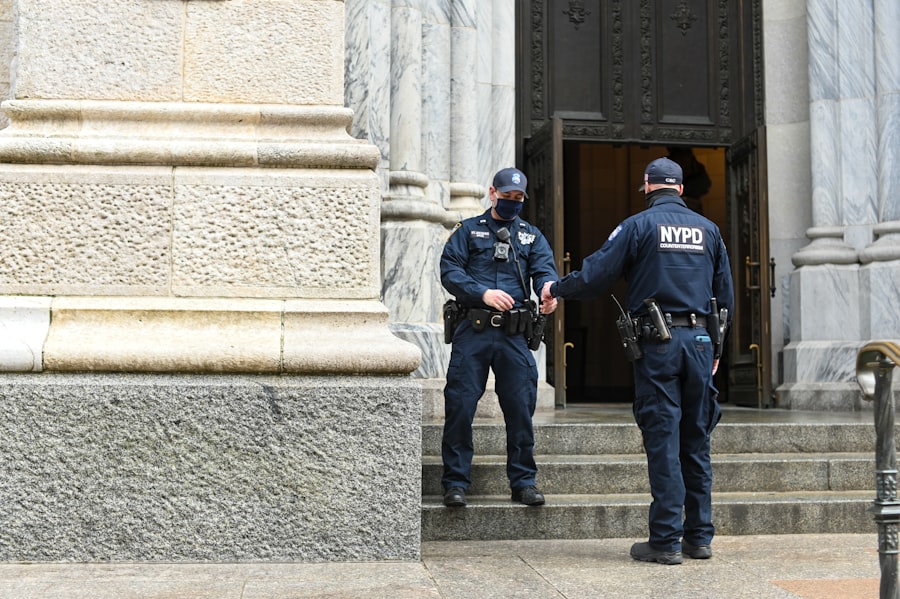
My responsibility doesn’t end at the entrance. The “Authorized Personnel Only” directive extends to the entire facility. My patrols are an extension of that gatekeeping function, ensuring that the sanctity of authorized access is maintained throughout the premises.
Internal Checks
Regular internal patrols are essential. I walk the corridors, checking that doors are secure, that no unauthorized individuals are present in meeting rooms or labs after hours, and that equipment is functioning as it should. These patrols are not about being nosy; they are about proactive security.
Hallway Walkthroughs
During my hallway walkthroughs, I’m not just looking for people. I’m observing the general state of the facility. Are there any signs of damage? Is there any debris that could pose a tripping hazard? Is the lighting adequate? These seemingly minor observations contribute to a safer and more secure environment.
Restricted Area Monitoring
Certain areas within the facility have even stricter access controls. These might be server rooms, research labs, or areas containing sensitive equipment. My patrols include checks to ensure that these areas remain secure and that no unauthorized individuals are attempting to gain access.
External Perimeter Security
The exterior of the facility is just as important as the interior. My patrols extend to the perimeter, looking for any signs of breach, trespass, or suspicious activity around the building’s exterior.
Building Exterior Rounds
I walk the perimeter of the building, checking for any signs of tampering with windows, doors, or other entry points. This includes looking for discarded tools, footprints in soft ground, or anything that suggests unauthorized entry attempts.
Vehicle and Parking Lot Surveillance
The parking lot is also a key area for observation. I monitor the vehicles entering and exiting, looking for any unusual behavior. Are there vehicles parked in unauthorized areas? Are individuals acting suspiciously in or around their vehicles?
Emergency Preparedness
While my daily role is focused on routine security, I am also trained in emergency preparedness. This includes knowing the evacuation routes, the location of fire extinguishers, and the procedures for various emergency scenarios.
Fire Drills and Evacuations
Participating in fire drills and actual evacuations is a necessary part of the job. I ensure that individuals are following the proper evacuation procedures and that all areas are clear. My role is to guide and assist, ensuring that everyone’s safety is prioritized.
Incident Response Awareness
While I am not on the front lines of every incident, I am aware of the response protocols for various emergencies, from medical incidents to security breaches. My ability to report accurately and efficiently can be crucial in the initial stages of an incident response.
In a recent incident involving an authorized personnel only security guard, the importance of strict access control was highlighted, showcasing how vigilant security measures can prevent unauthorized entry. This story resonates with the findings discussed in a related article that delves deeper into the effectiveness of security protocols in various environments. For more insights on this topic, you can read the full article here.
The Human Element: More Than Just a Uniform
| Location | Number of Security Guards | Security Cameras | Access Control System |
|---|---|---|---|
| Main Entrance | 2 | Yes | Yes |
| Restricted Areas | 4 | Yes | Yes |
| Parking Lot | 1 | Yes | No |
Despite the uniform, the radios, and the access cards, my job is fundamentally about interacting with people. It’s about understanding the nuances of human behavior and, in many cases, being a calm presence in potentially stressful situations.
The Importance of Communication
Clear and concise communication is paramount. Whether it’s speaking with an employee who has forgotten their badge or reporting a suspicious individual, my words need to be precise and unambiguous. Equally important is active listening, understanding what the other person is trying to convey.
Active Listening Skills
I’ve learned to listen not just to the words being spoken, but to the tone of voice, the body language, and the unsaid. This helps me to gauge sincerity, anxiety, or potential deception. It allows me to tailor my response effectively.
De-escalation Techniques
As mentioned earlier, de-escalation is a crucial skill. It’s about diffusing tension, finding common ground, and steering conversations away from conflict. This often involves remaining calm, empathetic, and clear in my directives.
Building Rapport (Within Limits)
While I maintain a professional distance, I also understand the value of a positive rapport with the employees I see daily. A friendly greeting, a genuine smile – these small gestures can go a long way in fostering a sense of cooperation and making my role less antagonistic.
Professional Courtesy
Professional courtesy means treating everyone with respect, regardless of their position or demeanor. It’s about upholding the standards of my profession while also acknowledging the human beings I interact with.
The Familiar Face
Over time, the faces become familiar. I learn individual routines, the names of some employees. This familiarity can sometimes lead to smoother interactions, as there’s an established level of trust and understanding. However, it’s crucial to never let familiarity breed complacency. Authorization must always be verified.
The Ethical Tightrope
My position often requires me to walk an ethical tightrope. I am privy to certain information and have a responsibility to maintain confidentiality. I must also act with integrity, ensuring that my decisions are always based on policy and the best interests of security.
Confidentiality and Discretion
There are things I see and hear that are not for public consumption. I understand the importance of discretion and am bound by confidentiality agreements to protect sensitive information.
Impartiality and Fairness
My role demands impartiality. I don’t favor one employee over another, nor do I allow personal biases to influence my judgment. Every individual is subject to the same protocols and standards of authorization. My duty is to enforce the rules fairly and consistently.
The Unseen Value
My work isn’t always met with overt appreciation. Most people are grateful for the security I provide, but they often don’t think about it unless something goes wrong. This is, in a way, the ultimate success of my role: when the facility runs smoothly, when incidents are prevented, my presence is largely unnoticed.
The Absence of Incidents
The best shifts are the ones where nothing out of the ordinary happens. No attempted breaches, no suspicious activity, no major disruptions. This isn’t boredom; it’s a testament to the effectiveness of our security measures, including my own vigilance. It means the gates are being guarded, and authorization is being maintained.
The Quiet Enforcer
I am the quiet enforcer, the unseen barrier. I don’t seek recognition, nor do I expect applause. My satisfaction comes from knowing that I am contributing to a safe and secure environment, that I am fulfilling my duty of guarding the gates.
A Commitment to Responsibility
Ultimately, being a security guard, particularly one tasked with enforcing “Authorized Personnel Only,” is a commitment to responsibility. It’s about understanding the importance of rules, the necessity of vigilance, and the subtle but powerful impact of being a consistent, reliable presence. My story is not one of grand pronouncements, but of quiet, diligent service. It is the story of the gatekeeper, who stands between order and potential disorder, day in and day out.
FAQs
What is the role of an authorized personnel only security guard?
An authorized personnel only security guard is responsible for ensuring that only individuals with proper clearance and authorization are allowed access to restricted areas. They are tasked with maintaining the security and integrity of the premises by enforcing access control measures.
What are the typical duties of an authorized personnel only security guard?
Typical duties of an authorized personnel only security guard include monitoring access points, checking credentials of individuals seeking entry, patrolling restricted areas, and responding to any security breaches or unauthorized access attempts.
What qualifications are required to become an authorized personnel only security guard?
Qualifications for becoming an authorized personnel only security guard may vary by employer, but typically include a high school diploma or equivalent, completion of a security guard training program, and obtaining the necessary state licensure or certification.
What are some challenges that authorized personnel only security guards may face in their role?
Authorized personnel only security guards may face challenges such as dealing with individuals attempting unauthorized access, enforcing access control policies in a firm but professional manner, and remaining vigilant and alert during long hours of monitoring access points.
How can businesses benefit from having authorized personnel only security guards on their premises?
Businesses can benefit from having authorized personnel only security guards on their premises by ensuring the protection of sensitive information, assets, and personnel in restricted areas. This can help prevent security breaches, theft, and unauthorized access, ultimately contributing to a safer and more secure environment for employees and visitors.