
Family karma is a concept that resonates deeply within the realms of spirituality and psychology. It refers to the idea that the actions, beliefs, and emotional patterns of our ancestors can influence our lives in profound ways. I often find myself reflecting on how the choices made by my forebears ripple through time, shaping my experiences, relationships, and even my worldview.
This interconnectedness suggests that we are not merely isolated individuals but rather part of a larger tapestry woven from the threads of our family history. The effects of family karma can manifest in various forms, from inherited traits and behaviors to emotional struggles that seem to echo through generations. I have observed how certain patterns, such as anxiety or conflict in relationships, can be traced back to unresolved issues within my family lineage.
Understanding this concept has allowed me to recognize that I am not alone in my struggles; rather, I am part of a continuum that carries both burdens and blessings. By acknowledging the influence of family karma, I can begin to unravel the complexities of my own life and seek a path toward healing.
Key Takeaways
- Family karma involves inherited patterns and influences from previous generations that affect our lives.
- Recognizing and understanding these patterns is key to breaking negative cycles and promoting healing.
- Healing family karma requires forgiveness, self-reflection, and sometimes professional support like therapy.
- Exploring ancestral stories helps us understand how our family’s past shapes our present experiences.
- Transforming family karma empowers us to create a positive legacy for future generations through awareness and personal growth.
Recognizing Patterns: Identifying the Influence of Family Karma in Our Lives
As I delve deeper into the concept of family karma, I find it essential to recognize the patterns that emerge within my own life. These patterns often reveal themselves in recurring themes, such as fear of failure or difficulty in forming lasting relationships. I have come to understand that these issues may not solely stem from my personal experiences but could also be rooted in the collective experiences of my family.
By examining my family’s history, I can identify the emotional legacies that have been passed down to me. For instance, I have noticed a tendency toward perfectionism in myself, which I later discovered was prevalent among several family members. This realization prompted me to explore how this trait may have originated from a desire to meet familial expectations or avoid criticism.
By recognizing these patterns, I can begin to disentangle myself from their grip and make conscious choices that align with my true self. It is a journey of self-discovery that requires patience and introspection, but it is one that ultimately leads to greater clarity and empowerment.
Healing Generational Wounds: Breaking Free from the Cycle of Family Karma

Breaking free from the cycle of family karma is a challenging yet transformative process. I have come to realize that healing generational wounds requires not only awareness but also a commitment to change. It involves confronting uncomfortable truths about my family’s past and acknowledging the pain that has been carried through the years.
This process can be daunting, as it often requires me to face emotions that have been buried or ignored for far too long. In my own journey, I have found that engaging in open conversations with family members can be a powerful catalyst for healing. By sharing our stories and experiences, we create a space for understanding and empathy.
This dialogue allows us to confront the unresolved issues that have lingered in silence, paving the way for forgiveness and reconciliation. As I work to break free from these cycles, I am reminded that healing is not linear; it is a winding path filled with setbacks and breakthroughs. However, each step forward brings me closer to liberation from the burdens of the past.
Exploring Ancestral Stories: How Our Family’s Past Shapes Our Present
| Metric | Description | Example Data | Impact on Present |
|---|---|---|---|
| Generations Traced | Number of family generations researched | 5 | Provides deeper understanding of heritage and identity |
| Stories Collected | Number of ancestral stories documented | 12 | Enhances connection to family values and traditions |
| Common Themes | Recurring motifs in family stories (e.g., resilience, migration) | Resilience, Migration, Community | Shapes family attitudes towards challenges and opportunities |
| Emotional Impact | Percentage of family members reporting increased sense of belonging | 85% | Strengthens family bonds and personal identity |
| Behavioral Changes | Number of family members adopting new traditions or values | 7 | Influences lifestyle choices and interpersonal relationships |
| Historical Events Connected | Significant historical events linked to family stories | World War II, Great Migration | Provides context for family experiences and decisions |
Exploring ancestral stories has become an integral part of my journey toward understanding family karma. Each story holds a piece of wisdom or a lesson learned through hardship, and I find it fascinating how these narratives shape our identities. By delving into my family’s history, I uncover the struggles and triumphs that have defined us as a unit.
These stories serve as a mirror reflecting not only our strengths but also our vulnerabilities. I often find myself captivated by tales of resilience and courage passed down through generations. They remind me that I am part of a lineage that has faced adversity and emerged stronger on the other side.
However, I also recognize that some stories carry pain and trauma that can weigh heavily on our present lives. By acknowledging both the light and dark aspects of my family’s history, I can begin to understand how these narratives influence my own choices and behaviors. This exploration fosters a sense of connection to my roots while empowering me to rewrite my own story.
The Power of Awareness: How Recognizing Family Karma Can Lead to Healing
Awareness is a powerful tool in the journey toward healing family karma. As I become more attuned to the patterns and influences at play in my life, I gain insight into how they affect my relationships and emotional well-being. This heightened awareness allows me to make conscious choices rather than reacting impulsively based on inherited beliefs or behaviors.
It is liberating to realize that I have the power to break free from cycles that no longer serve me. In moments of reflection, I often find myself contemplating how awareness can lead to profound transformation. By recognizing the impact of family karma, I can approach challenges with a sense of curiosity rather than fear.
This shift in perspective enables me to view obstacles as opportunities for growth rather than insurmountable barriers. As I cultivate this awareness, I am better equipped to navigate my relationships with compassion and understanding, fostering healthier connections with those around me.
Embracing Forgiveness: Letting Go of Resentment and Pain from the Past
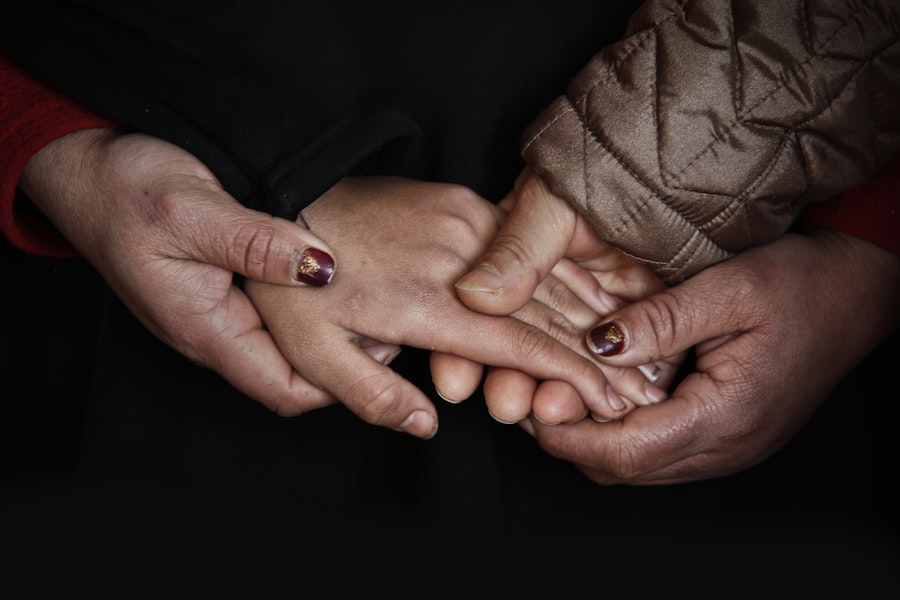
Forgiveness is a crucial aspect of healing family karma, yet it is often one of the most challenging steps to take. I have grappled with feelings of resentment toward family members for past hurts and disappointments. However, I have come to understand that holding onto this pain only perpetuates the cycle of suffering within my family lineage.
Embracing forgiveness does not mean condoning harmful actions; rather, it is an act of self-liberation. In my journey toward forgiveness, I have learned to view it as a gift I give myself rather than something I do for others. By releasing the weight of resentment, I create space for healing and growth.
This process requires vulnerability and courage as I confront my emotions head-on. Through journaling and meditation, I have found ways to express my feelings and gradually let go of the burdens that have held me captive for so long. As I embrace forgiveness, I discover a renewed sense of peace and freedom that allows me to move forward with grace.
Transforming Family Karma: Creating a New Narrative for Future Generations
Transforming family karma involves actively rewriting the narrative for future generations. As I reflect on my family’s history, I recognize the importance of breaking negative cycles and instilling positive values in those who come after me. This transformation requires intentionality and commitment as I strive to create an environment where love, understanding, and resilience flourish.
I often think about how my actions today will impact my children or future descendants. By modeling healthy behaviors and fostering open communication, I hope to create a legacy that empowers them to navigate their own challenges with confidence. This process involves not only addressing past wounds but also celebrating our family’s strengths and achievements.
By embracing a holistic view of our history, I can inspire future generations to honor their roots while forging their own paths.
The Role of Self-Reflection: How Our Own Choices Impact Family Karma
Self-reflection plays a pivotal role in understanding how my choices impact family karma. As I examine my actions and decisions, I become more aware of how they resonate within my family system. Each choice carries weight; it can either perpetuate negative patterns or contribute to healing and growth.
This realization has prompted me to take responsibility for my actions and their consequences. In moments of introspection, I often ask myself how my choices align with the values I wish to uphold within my family. Am I perpetuating cycles of conflict or fostering an environment of love?
This self-reflection encourages me to make conscious decisions that reflect my desire for positive change. By recognizing the interconnectedness between my choices and family karma, I empower myself to break free from inherited patterns and create a more harmonious legacy.
Seeking Support: The Importance of Therapy and Counseling in Addressing Family Karma
Navigating the complexities of family karma can be overwhelming at times, which is why seeking support through therapy or counseling has been invaluable for me. A trained professional provides a safe space for exploration and healing, allowing me to unpack the layers of my family’s history without judgment. Through therapy, I have gained insights into how past traumas influence my present behaviors and relationships.
Therapy has also equipped me with tools to cope with difficult emotions and navigate challenging conversations with family members. It has been a journey of self-discovery where I learn not only about myself but also about the dynamics at play within my family system. By seeking support, I am reminded that healing is not a solitary endeavor; it is a collective process that benefits from guidance and understanding.
Honoring Ancestral Wisdom: Embracing the Positive Aspects of Family Karma
While much focus is placed on healing generational wounds, it is equally important to honor the positive aspects of family karma. My ancestors’ wisdom and resilience have shaped who I am today, providing me with valuable lessons that guide my journey. Embracing these positive attributes allows me to cultivate gratitude for my heritage while acknowledging the strengths passed down through generations.
I often reflect on the qualities that define my family—traits such as perseverance, creativity, or compassion—and how they manifest in my life. By celebrating these strengths, I create a sense of continuity between past and present while fostering pride in my lineage. This acknowledgment serves as a reminder that while we may carry burdens from our family’s history, we also inherit gifts that can empower us on our journey toward healing.
Moving Forward: Embracing Personal Growth and Healing in the Face of Family Karma
As I continue on this path of understanding family karma, I am committed to embracing personal growth and healing in all aspects of my life. Each step forward represents an opportunity for transformation—an invitation to break free from inherited patterns while honoring my family’s legacy. This journey requires courage as I confront uncomfortable truths about myself and my lineage.
Moving forward means embracing change with an open heart and mind.
As I navigate this process, I am reminded that healing is not a destination but rather an ongoing journey filled with lessons and discoveries.
With each passing day, I strive to create a brighter future for myself and those who will come after me—a future rooted in love, understanding, and resilience against the backdrop of family karma.
In the context of family dynamics and the complexities of inheritance, the article on family karma provides a fascinating exploration of how familial relationships can influence the distribution of wealth and assets. For a deeper understanding of these themes, you can read more in the article available at Ami Wrong Here. This piece delves into the intricate balance of love, duty, and expectation that often accompanies discussions of inheritance within families.
WATCH THIS! The Will Said Adopt My Brother… And the Cat Decided Who Got the Millions
FAQs
What is family karma in the context of inheritance?
Family karma refers to the idea that patterns of behavior, consequences, or unresolved issues can be passed down through generations within a family, potentially influencing how inheritance matters are handled or experienced.
How can family karma affect inheritance disputes?
Family karma may manifest as recurring conflicts, misunderstandings, or emotional challenges during inheritance processes, often stemming from long-standing family dynamics or unresolved past issues.
Is family karma a recognized legal concept in inheritance cases?
No, family karma is not a legal term or concept. It is more of a philosophical or spiritual idea used to explain patterns within family relationships, rather than a factor considered in legal inheritance proceedings.
Can understanding family karma help in resolving inheritance issues?
Yes, recognizing patterns of family karma can encourage open communication, empathy, and healing among family members, which may help in resolving inheritance disputes more amicably.
Are there common themes in family karma stories related to inheritance?
Common themes include cycles of favoritism, unresolved grievances, financial struggles, and the impact of past decisions on current family relationships and inheritance outcomes.
How can families break negative cycles of family karma related to inheritance?
Families can break negative cycles by fostering transparency, seeking mediation or counseling, addressing past conflicts, and creating fair and clear inheritance plans.
Does inheritance always lead to family karma issues?
Not necessarily. While inheritance can sometimes trigger family karma patterns, many families manage inheritance smoothly without significant conflict or recurring issues.
What role do wills and estate planning play in family karma stories?
Wills and estate planning can help prevent or reduce family karma-related conflicts by clearly outlining the distribution of assets and minimizing ambiguity or disputes among heirs.