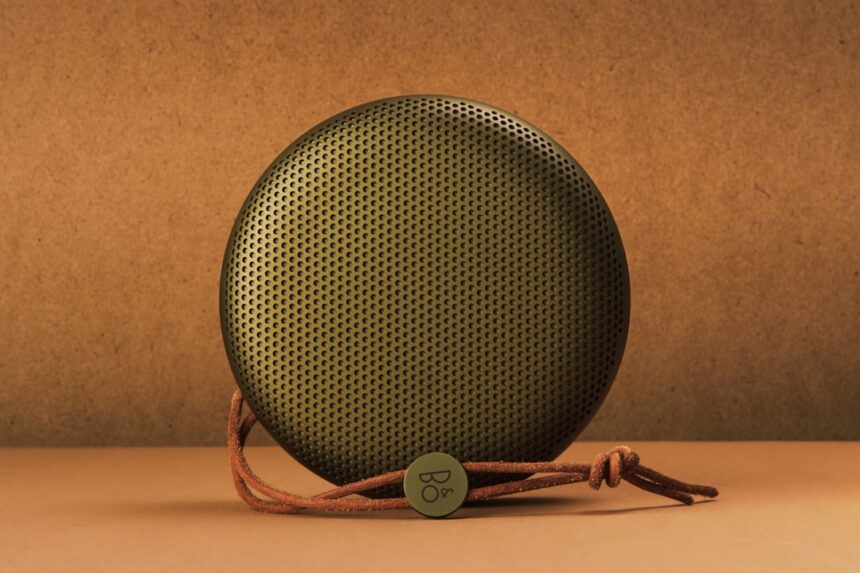
In recent years, I have witnessed a remarkable transformation in the way we interact with technology, particularly through the rise of smart speakers. These devices have seamlessly integrated into our daily lives, becoming essential tools for managing tasks, playing music, and controlling smart home systems. The convenience they offer is undeniable; with just a simple voice command, I can set reminders, check the weather, or even order groceries.
This level of accessibility has made smart speakers a staple in many households, reflecting a broader trend towards automation and connectivity in our living spaces. As I observe this trend, it becomes clear that the appeal of smart speakers extends beyond mere functionality. They represent a shift in how we perceive technology—moving from passive tools to active participants in our lives.
The ability to engage with a device through natural language has made technology feel more approachable and user-friendly. I find myself relying on my smart speaker not just for practical tasks but also for entertainment and companionship. This evolution has sparked a cultural phenomenon where smart speakers are not just gadgets but integral parts of our home environments.
Key Takeaways
- Smart speakers are increasingly common in homes but continuously listen for voice commands.
- Privacy concerns arise from their constant recording and occasional unintended activations.
- Legal and ethical questions focus on consent and data handling by manufacturers.
- Users should take proactive steps, like adjusting settings and reviewing privacy policies, to protect their data.
- Greater awareness, education, and company responsibility are essential for safeguarding privacy in smart speaker use.
How Smart Speakers Work and Their Constant Listening
Understanding how smart speakers operate has deepened my appreciation for their capabilities. At their core, these devices utilize advanced voice recognition technology to interpret and respond to user commands. When I speak to my smart speaker, it captures my voice through built-in microphones, processes the audio using sophisticated algorithms, and then executes the requested action.
This process occurs almost instantaneously, creating an illusion of seamless interaction that feels almost magical. However, what often goes unnoticed is the constant listening aspect of these devices. To respond promptly to my commands, smart speakers must remain in a state of readiness, continuously monitoring for their wake word—like “Alexa” or “Hey Google.” This feature raises intriguing questions about the balance between convenience and privacy.
While I appreciate the immediacy of having my requests fulfilled, I can’t help but wonder about the implications of having a device that is always listening in my home.
Privacy Concerns Surrounding Smart Speakers
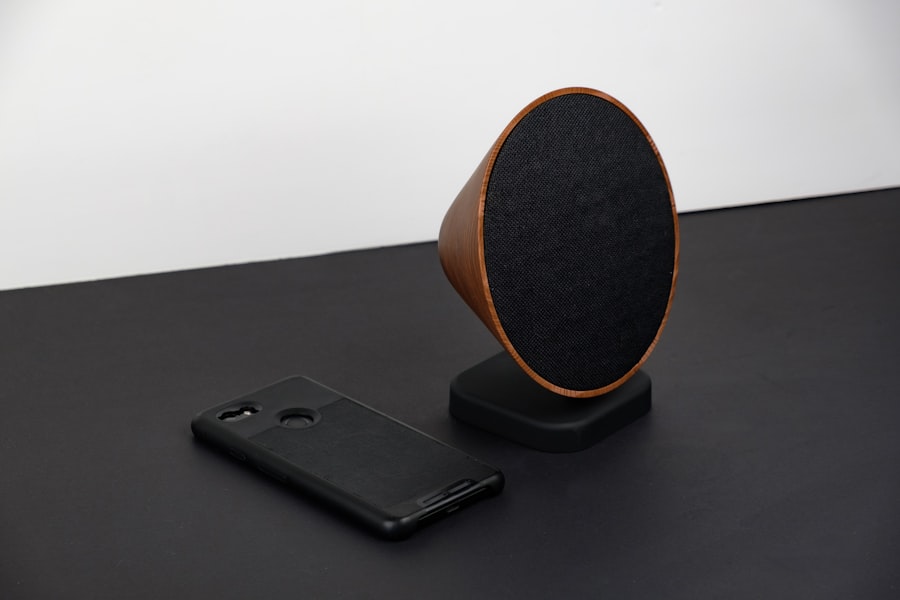
As I delve deeper into the world of smart speakers, I find myself grappling with significant privacy concerns. The very nature of these devices—constantly listening for commands—raises alarms about data security and personal privacy.
Are they stored indefinitely? Who has access to them? These questions linger in my mind as I navigate the convenience these devices provide.
Moreover, the potential for misuse of data is a pressing issue. I am aware that companies may use the information gathered from my interactions to tailor advertisements or improve their services. While personalization can enhance my experience, it also feels invasive.
The thought that my private conversations could be analyzed or sold to third parties is unsettling.
Instances of Smart Speakers Recording Without User’s Knowledge
The reality of smart speakers recording without user consent is not just a theoretical concern; there have been numerous instances reported in the media that highlight this issue. I recall reading about cases where users discovered that their devices had inadvertently recorded private conversations and sent them to unintended recipients. These incidents serve as stark reminders that even the most advanced technology can falter in safeguarding our privacy.
In one notable case, a family found that their Amazon Echo had recorded a private conversation and sent it to a random contact on their contact list. This incident left them feeling violated and questioning the reliability of their device. Such occurrences make me acutely aware of the potential risks associated with smart speakers.
It’s disconcerting to think that my private moments could be captured and shared without my knowledge or consent.
The Legal and Ethical Implications of Constant Recording
| Metric | Value | Description |
|---|---|---|
| Average Recording Duration | 12 seconds | Typical length of each recorded audio snippet |
| Number of Recordings per Day | 150 | Average number of times the smart speaker records daily |
| Percentage of Unintended Recordings | 35% | Recordings triggered without user intent |
| Data Storage Duration | 30 days | How long recordings are stored on the cloud |
| User Awareness Level | 40% | Percentage of users aware their smart speaker records continuously |
| Privacy Complaints | 1200 | Number of complaints related to smart speaker recordings in the last year |
The legal landscape surrounding smart speakers and their constant recording capabilities is complex and evolving. As I explore this topic, I realize that there are few clear regulations governing how companies handle user data collected through these devices. While some jurisdictions have enacted privacy laws aimed at protecting consumer rights, many gaps remain that leave users vulnerable.
Ethically, the implications are equally troubling. I often reflect on the responsibility companies have to ensure that their products do not infringe upon user privacy. The expectation that consumers should be aware of how their data is used feels unrealistic when many people are unaware of the intricacies involved in data collection and storage.
As a user, I believe it is crucial for companies to prioritize transparency and accountability in their practices to foster trust among consumers.
Steps to Protecting Your Privacy with Smart Speakers
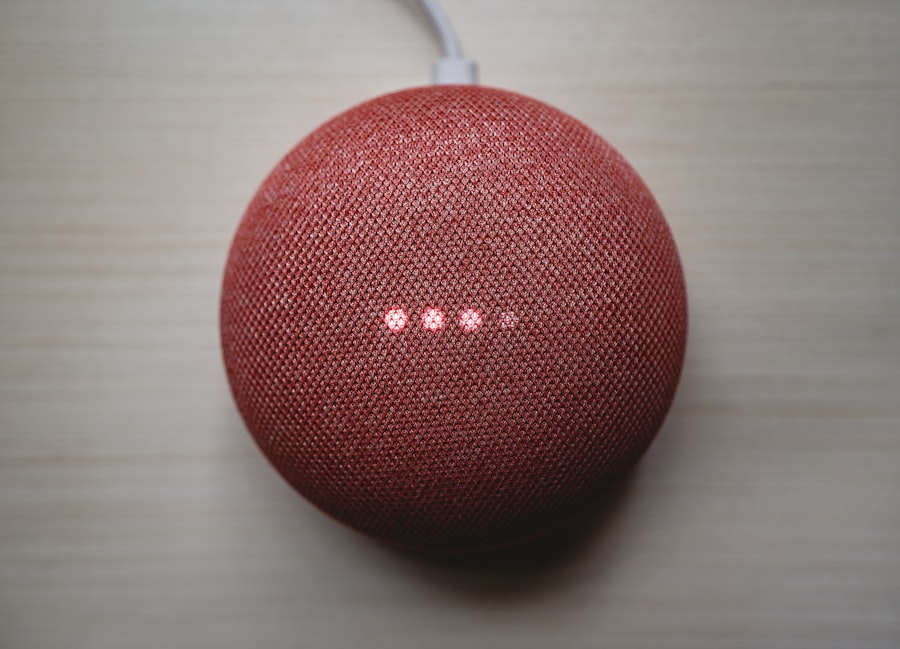
As I navigate the complexities of using smart speakers, I have taken proactive steps to protect my privacy. One of the first measures I implemented was adjusting the privacy settings on my device. Most smart speakers offer options to manage data collection and storage preferences, allowing me to limit what information is retained.
By regularly reviewing these settings, I feel more in control of my data. Additionally, I have become more mindful of what I say around my smart speaker. While it may seem inconvenient, I consciously avoid discussing sensitive topics in its vicinity.
This practice helps me mitigate the risk of unintentional recordings that could compromise my privacy. Furthermore, I have made it a habit to periodically delete voice recordings stored by my device, ensuring that any potentially sensitive information is not lingering in its memory.
The Role of Companies in Ensuring User Privacy with Smart Speakers
The responsibility for safeguarding user privacy does not rest solely on consumers; companies play a pivotal role in this equation as well. As I reflect on this dynamic, I recognize that tech companies must prioritize user privacy in their product design and development processes. This includes implementing robust security measures to protect data from unauthorized access and ensuring that users are informed about how their information is used.
Moreover, companies should actively engage with consumers to foster a culture of transparency. By providing clear and accessible information about data practices, they can empower users to make informed decisions regarding their privacy. As a consumer, I appreciate when companies take proactive steps to communicate their commitment to protecting user data, as it builds trust and confidence in their products.
The Importance of Reading and Understanding Smart Speaker Privacy Policies
In an age where technology permeates every aspect of our lives, I have come to realize the importance of reading and understanding privacy policies associated with smart speakers. While these documents can be lengthy and filled with legal jargon, they hold valuable insights into how my data is collected, used, and shared. Taking the time to familiarize myself with these policies allows me to make informed choices about my interactions with these devices.
I often find myself scrutinizing privacy policies before purchasing new technology or enabling specific features on my smart speaker. By doing so, I can assess whether a company’s practices align with my values regarding privacy and data security. This proactive approach empowers me as a consumer and reinforces the notion that I have a say in how my information is handled.
The Future of Smart Speaker Technology and Privacy
Looking ahead, I am both excited and apprehensive about the future of smart speaker technology and its implications for privacy. As advancements continue to emerge—such as improved voice recognition capabilities and enhanced integration with other smart devices—I wonder how these developments will impact user privacy. Will companies prioritize ethical practices as they innovate?
Or will convenience take precedence over safeguarding personal information? I believe that the future will require a delicate balance between technological advancement and user privacy protection. As consumers become more aware of privacy issues, there will likely be increased demand for transparency and accountability from tech companies.
This shift could lead to more robust regulations governing data collection practices, ultimately benefiting users like myself who seek both convenience and security in our interactions with technology.
Alternatives to Smart Speakers for Privacy-Conscious Consumers
For those of us who prioritize privacy but still desire some level of technological assistance in our homes, there are alternatives to traditional smart speakers worth considering. One option is using standalone devices that do not have constant listening capabilities but still offer useful features like timers or alarms without compromising privacy. These devices allow me to enjoy some benefits without the constant surveillance associated with smart speakers.
Another alternative is utilizing smartphone assistants while being mindful of their settings and permissions. By leveraging existing technology that I already carry with me, I can access similar functionalities without introducing additional devices into my home environment. This approach allows me to maintain control over my data while still enjoying some conveniences offered by voice-activated technology.
The Need for Greater Awareness and Education on Smart Speaker Privacy Issues
As I reflect on my journey navigating the world of smart speakers, it becomes evident that there is a pressing need for greater awareness and education surrounding privacy issues associated with these devices. Many consumers may not fully understand how their data is collected or the potential risks involved in using smart speakers. By fostering discussions about these topics—whether through community forums or educational campaigns—we can empower individuals to make informed choices about their technology use.
I believe that tech companies also have a responsibility to contribute to this awareness by providing accessible resources that explain privacy practices clearly and concisely. By demystifying complex concepts related to data collection and security, we can create an informed consumer base that demands better protections for their personal information. Ultimately, greater awareness will lead to more responsible use of technology and encourage companies to prioritize user privacy as they innovate for the future.
In conclusion, as I navigate the landscape of smart speakers in modern homes, I am acutely aware of both their benefits and challenges—particularly concerning privacy concerns. By taking proactive steps to protect my information while advocating for greater transparency from companies, I hope to contribute to a future where technology enhances our lives without compromising our fundamental rights to privacy.
In a world where technology often blurs the lines of privacy, the story of a woman who discovered her smart speaker was recording everything serves as a stark reminder of the potential pitfalls of modern devices. For those interested in exploring similar themes of privacy and technology, you might find the article on Ami Wrong Here insightful, as it delves into the implications of our increasingly connected lives.
WATCH THIS! 📱 She Didn’t Know Our Smart Speaker Was Recording Everything
FAQs
What is a smart speaker?
A smart speaker is a voice-activated device that uses artificial intelligence to perform tasks such as playing music, providing information, controlling smart home devices, and more.
How do smart speakers record audio?
Smart speakers continuously listen for a wake word or phrase. They record and process audio only after detecting this wake word, but some devices may also store snippets of audio to improve voice recognition.
Can smart speakers record conversations without consent?
Smart speakers are designed to activate only after hearing their wake word. However, there have been instances where devices mistakenly activate and record unintended conversations.
Where are the recordings stored?
Recordings are typically stored on the device temporarily and then uploaded to the cloud servers of the smart speaker’s manufacturer for processing and storage.
Who has access to the recorded audio?
Access is generally limited to the device owner and authorized personnel of the smart speaker company, who may use the recordings to improve services, often under strict privacy policies.
Can users delete their voice recordings?
Most smart speaker platforms allow users to review and delete their voice recordings through their account settings or associated apps.
How can users protect their privacy when using smart speakers?
Users can mute the microphone when not in use, review privacy settings, regularly delete stored recordings, and be cautious about what they say near the device.
Are there laws regulating smart speaker recordings?
Yes, various countries have privacy laws that regulate the collection, storage, and use of audio recordings, requiring companies to obtain consent and protect user data.
What should I do if I suspect my smart speaker is recording without permission?
Check the device’s settings and privacy policies, mute the microphone when not in use, update the device firmware, and contact the manufacturer for support if needed.