
As I step into the world of smart homes, I find myself surrounded by an array of devices designed to make my life easier and more efficient. From smart speakers that respond to my voice commands to security cameras that keep an eye on my property, these technologies promise convenience and comfort. However, as I embrace this modern lifestyle, I cannot help but feel a nagging concern about privacy.
The very devices that enhance my living experience also have the potential to invade my personal space and compromise my data. Understanding smart home privacy is crucial for anyone looking to navigate this digital landscape safely. The integration of technology into our homes has transformed the way we live, but it has also raised significant questions about how our personal information is collected, stored, and used.
I often wonder: Who has access to my data? How is it being protected? And what can I do to ensure that my privacy remains intact?
These questions are not just theoretical; they are essential considerations for anyone who wants to enjoy the benefits of smart home technology without sacrificing their privacy. In this article, I will explore the various aspects of smart home privacy, from understanding the risks involved to implementing effective security measures.
Key Takeaways
- Smart home devices pose unique privacy risks that require clear guidelines and communication among household members.
- Setting boundaries and monitoring data collection are essential to protect personal information.
- Implementing robust security measures helps safeguard against unauthorized access.
- Evaluating third-party access ensures that external parties do not compromise privacy.
- Maintaining trust and respect in smart home relationships depends on ongoing dialogue and professional advice when needed.
Understanding the Risks and Concerns
As I delve deeper into the realm of smart home devices, I realize that the risks associated with them are multifaceted. One of the primary concerns is data collection. Many smart devices continuously gather information about my habits, preferences, and routines.
This data can be incredibly valuable, not just for improving user experience but also for advertisers and third-party companies. The thought of my personal information being sold or misused is unsettling, prompting me to consider how much I am willing to share in exchange for convenience. Moreover, the potential for hacking and unauthorized access looms large in my mind.
Cybercriminals are constantly developing new methods to exploit vulnerabilities in smart home systems. A compromised device could lead to a breach of my personal information or even allow intruders to gain physical access to my home. The idea that someone could manipulate my smart locks or surveillance cameras is alarming.
As I reflect on these risks, I recognize the importance of being proactive in safeguarding my privacy while enjoying the benefits of smart technology.
Establishing Clear Privacy Guidelines
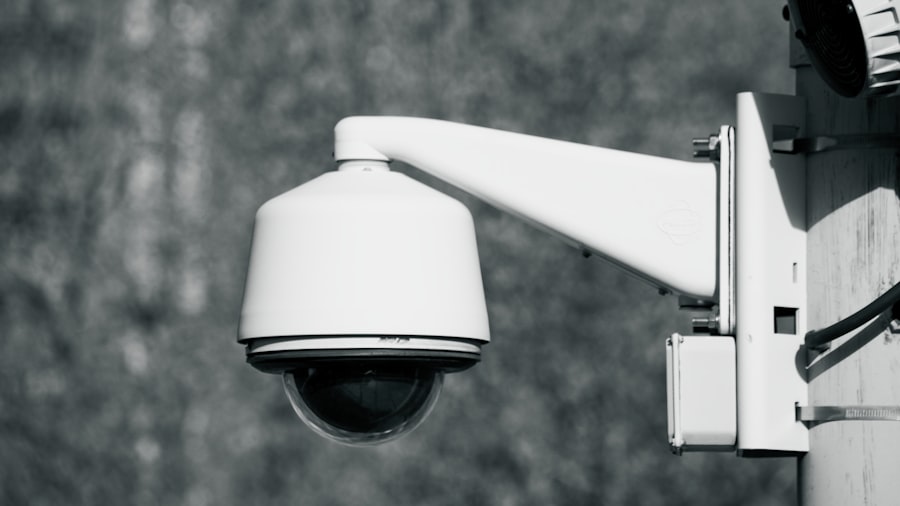
To navigate the complexities of smart home privacy, I find it essential to establish clear guidelines for myself and my household. First and foremost, I need to be aware of what data each device collects and how it is used. This means taking the time to read privacy policies and terms of service agreements, even if they are lengthy and filled with legal jargon.
By understanding what information is being gathered, I can make informed decisions about which devices to use and how to configure their settings. Additionally, I believe it is crucial to set boundaries regarding data sharing. For instance, I can choose not to link certain devices to my social media accounts or limit their access to my personal information.
By being selective about what I share, I can maintain a level of control over my data. Establishing these guidelines not only helps protect my privacy but also fosters a sense of accountability within my household regarding the use of smart devices.
Communicating with Household Members
In a smart home environment, communication is key. I have come to realize that discussing privacy concerns with my household members is vital for creating a shared understanding of our digital landscape. By openly addressing the potential risks associated with our smart devices, we can collectively decide on best practices for using them responsibly.
This dialogue helps ensure that everyone is on the same page when it comes to privacy expectations. Moreover, involving everyone in the conversation encourages a culture of respect for each other’s privacy. For example, if one family member prefers not to have their activities monitored by a smart speaker, it is essential that we all respect that choice.
By fostering an environment where privacy concerns are acknowledged and addressed, we can create a more harmonious living space that balances convenience with respect for individual boundaries.
Setting Boundaries with Smart Home Devices
| Aspect | Description | Potential Privacy Issue | Relationship Boundary Concern | Mitigation Strategy |
|---|---|---|---|---|
| Data Sharing | Smart home devices collect and share data with third parties | Unauthorized access or data leaks | Partners may feel uncomfortable with data shared without consent | Set clear permissions and review privacy policies together |
| Device Access | Multiple users can control smart devices | Unintended control or surveillance by others | Boundaries around who can access devices and when | Establish user roles and restrict access as needed |
| Voice Assistants | Always listening devices in shared spaces | Recording private conversations unintentionally | Respecting privacy in shared living environments | Mute devices when privacy is needed or designate private zones |
| Location Tracking | Smart devices track user location and habits | Potential misuse of location data | Concerns about monitoring partner’s movements | Agree on what data is collected and shared |
| Data Retention | Duration data is stored by devices or companies | Long-term storage increases risk of breaches | Discomfort with historical data being accessible | Regularly delete data and review retention policies |
As I continue to explore the world of smart home technology, I recognize the importance of setting clear boundaries with these devices. One effective strategy is to customize privacy settings according to my preferences. Most smart devices come equipped with options that allow me to control what data is collected and how it is used.
By taking the time to adjust these settings, I can minimize unnecessary data collection and enhance my overall sense of security. Additionally, I find it helpful to establish physical boundaries for certain devices. For instance, I may choose to disable cameras in private areas of my home or limit the use of voice-activated assistants in sensitive situations.
By being intentional about where and how these devices are used, I can create a more secure environment that respects both my privacy and that of my household members.
Safeguarding Personal Information
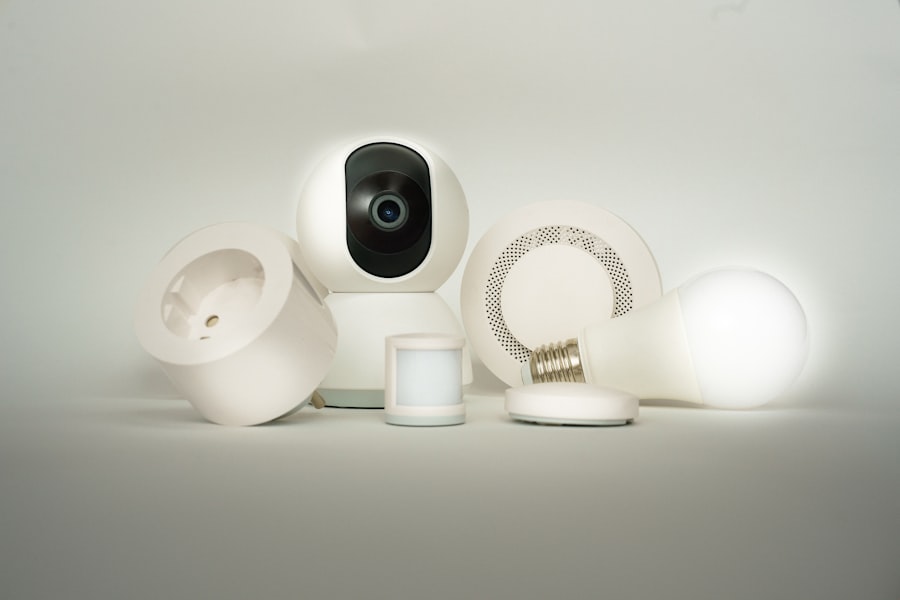
In an age where personal information is often treated as a commodity, safeguarding it has become a top priority for me. One of the first steps I take is ensuring that all my smart devices are equipped with strong passwords. Weak or default passwords are an open invitation for hackers, so I make it a point to create unique and complex passwords for each device.
Additionally, I regularly update these passwords to further enhance security. Another crucial aspect of safeguarding personal information involves keeping software up-to-date. Manufacturers frequently release updates that address security vulnerabilities and improve device performance.
By regularly checking for updates and installing them promptly, I can protect my devices from potential threats and ensure that they function optimally.
Monitoring and Controlling Data Collection
As I navigate the complexities of smart home privacy, monitoring and controlling data collection has become a fundamental practice for me. Many smart devices offer dashboards or apps that provide insights into what data is being collected and how it is used. By regularly reviewing this information, I can identify any unexpected data collection practices and take appropriate action.
Furthermore, I have learned to be proactive in managing permissions for each device. For instance, some devices may request access to my location or contacts without a clear need for such information. By carefully evaluating these requests and denying unnecessary permissions, I can significantly reduce the amount of personal data shared with third parties.
Implementing Security Measures
To fortify my smart home against potential threats, implementing robust security measures has become essential. One effective strategy is creating a separate network for my smart devices.
Additionally, I invest in security features such as two-factor authentication whenever possible. This extra layer of protection requires not only a password but also a secondary verification method, making it significantly more challenging for unauthorized users to gain access to my accounts or devices.
Evaluating Third-Party Access
As I continue to explore the implications of smart home privacy, evaluating third-party access has emerged as a critical consideration. Many smart devices rely on cloud services or third-party applications for functionality, which raises questions about who has access to my data and how it is being used. To address this concern, I take the time to research the companies behind the devices I use and their data handling practices.
I also make it a point to review app permissions regularly. Some applications may request access to more information than necessary for their intended function. By scrutinizing these permissions and revoking access where appropriate, I can maintain greater control over who has access to my personal information.
Seeking Professional Advice
In navigating the complexities of smart home privacy, seeking professional advice has proven invaluable for me. Whether consulting with cybersecurity experts or attending workshops on digital privacy, gaining insights from knowledgeable individuals has helped me make informed decisions about protecting my data. These resources provide practical tips and strategies tailored to specific devices and situations.
Moreover, engaging with professionals allows me to stay updated on emerging threats and best practices in the ever-evolving landscape of smart technology. As new vulnerabilities arise and technology advances, having access to expert guidance ensures that I remain vigilant in safeguarding my privacy.
Maintaining Trust and Respect in Smart Home Relationships
As I reflect on my journey through the world of smart home privacy, one thing becomes clear: maintaining trust and respect within my household is paramount. By establishing clear guidelines, communicating openly about privacy concerns, and setting boundaries with our devices, we create an environment where everyone feels secure and respected.
With proactive measures in place and a commitment to safeguarding our personal information, we can enjoy the benefits of modern living while preserving our sense of security and trust in our relationships with both technology and each other.
In today’s digital age, the intersection of relationship boundaries and smart home privacy issues has become increasingly relevant. As couples navigate the complexities of shared living spaces equipped with smart technology, understanding how to maintain personal privacy is crucial. For a deeper exploration of this topic, you can read the article on smart home privacy concerns and relationship dynamics at this link.
WATCH THIS! 📱 She Didn’t Know Our Smart Speaker Was Recording Everything
FAQs
What are relationship boundaries in the context of smart home technology?
Relationship boundaries refer to the agreed-upon limits and expectations between individuals—such as partners, family members, or roommates—regarding the use and access of smart home devices and data. These boundaries help ensure privacy, respect, and trust within the household.
Why are privacy issues important in smart homes?
Smart homes collect and process a significant amount of personal data through devices like cameras, voice assistants, and sensors. Privacy issues arise because this data can be accessed, shared, or misused without proper consent, potentially leading to breaches of personal privacy and security risks.
How can smart home devices impact relationship dynamics?
Smart home devices can affect relationship dynamics by creating tensions over surveillance, control, and data sharing. For example, one partner monitoring another’s activities through smart cameras without consent can lead to trust issues and conflicts.
What are common privacy concerns related to smart home devices?
Common concerns include unauthorized access to devices, data breaches, continuous monitoring, lack of transparency about data usage, and the potential for third-party companies or hackers to access sensitive information.
How can couples or household members establish healthy boundaries with smart home technology?
They can communicate openly about device usage, agree on which devices are shared or private, set permissions for access, regularly review privacy settings, and respect each other’s comfort levels regarding monitoring and data sharing.
Are there technical measures to enhance smart home privacy?
Yes, users can enhance privacy by using strong, unique passwords, enabling two-factor authentication, regularly updating device firmware, disabling unnecessary features, and using encrypted networks to protect data transmission.
What role do manufacturers play in smart home privacy?
Manufacturers are responsible for designing devices with robust security features, providing clear privacy policies, offering user controls for data management, and ensuring compliance with data protection regulations.
Can smart home privacy issues lead to legal consequences?
Yes, improper handling of personal data or unauthorized surveillance can violate privacy laws and regulations, potentially resulting in legal actions, fines, or other penalties depending on the jurisdiction.
How can individuals stay informed about smart home privacy?
Individuals can stay informed by reading device manuals, following updates from manufacturers, consulting privacy advocacy resources, and keeping up with news on data protection laws and smart home technology developments.