
As I navigate the complexities of modern life, one of the most pressing concerns I face is managing my finances, particularly when it comes to grocery shopping. With prices constantly fluctuating and the cost of living on the rise, I find myself increasingly focused on finding ways to save money on groceries. The grocery store can often feel like a minefield of temptation, with flashy advertisements and enticing displays vying for my attention.
However, I have discovered that with a little planning and strategic thinking, I can significantly reduce my grocery expenses without sacrificing the quality of my meals. In my quest to save money, I have come to realize that understanding the nuances of grocery shopping is essential. It’s not just about clipping coupons or waiting for sales; it’s about being mindful of my spending habits and making informed decisions.
One of the most powerful tools at my disposal is the grocery receipt. This seemingly mundane piece of paper holds valuable information that can help me track my spending, identify areas for improvement, and ultimately save money. In this article, I will explore various strategies for leveraging receipts to maximize my grocery savings.
Key Takeaways
- Receipts are essential tools for tracking and managing grocery expenses effectively.
- Using coupons, discounts, and cashback programs can significantly reduce grocery costs.
- Analyzing receipts helps identify wasteful spending and improve budgeting strategies.
- Meal planning combined with receipt review ensures smarter purchasing decisions.
- Organizing and storing receipts allows for better price comparisons and future savings.
Understanding the Importance of Receipts in Saving Money
Receipts are often overlooked in the grand scheme of budgeting and financial planning, but I have learned that they are crucial in understanding my spending patterns. Each receipt tells a story about my shopping habits, revealing not only what I purchased but also how much I spent. By examining these details, I can gain insights into where my money is going and identify opportunities for savings.
For instance, I might notice that I frequently buy snacks or beverages that add up over time, prompting me to reconsider those purchases in future trips. Moreover, receipts serve as a tangible record of my transactions, allowing me to keep track of my grocery expenses over weeks and months. This historical data is invaluable when it comes to budgeting.
By analyzing past receipts, I can establish a baseline for my grocery spending and set realistic goals for future savings. Understanding the importance of receipts has empowered me to take control of my finances and make more informed decisions at the grocery store.
How to Use Receipts to Track Your Grocery Spending

Tracking my grocery spending using receipts has become a fundamental part of my financial routine. After each shopping trip, I make it a habit to save my receipts in a designated folder. This simple act allows me to create a comprehensive record of my purchases, which I can refer back to whenever necessary.
To make this process even more effective, I categorize my receipts by week or month, enabling me to see trends in my spending over time. Once I have organized my receipts, I take the time to review them regularly. During these reviews, I analyze the items I purchased and their associated costs.
This practice not only helps me identify areas where I can cut back but also allows me to recognize patterns in my shopping behavior. For example, if I notice that I consistently overspend on organic products, I can explore alternative options or adjust my budget accordingly. By actively engaging with my receipts, I am better equipped to make informed decisions that align with my financial goals.
Utilizing Coupons and Discounts to Lower Grocery Costs
In addition to tracking my spending through receipts, I have found that utilizing coupons and discounts is an effective way to lower my grocery costs. Coupons are often available in various forms—printable, digital, or even through store loyalty programs—and they can lead to significant savings when used strategically. Before heading to the store, I take the time to search for relevant coupons that match the items on my shopping list.
This not only helps me save money but also encourages me to stick to my planned purchases rather than succumbing to impulse buys. Furthermore, many grocery stores offer discounts on specific items or promotions for bulk purchases. By keeping an eye on these deals and incorporating them into my shopping strategy, I can maximize my savings.
For instance, if I find a coupon for a product I regularly buy or discover a sale on a staple item, I seize the opportunity to stock up. This proactive approach not only reduces my immediate expenses but also ensures that I have essential items on hand for future meals.
Comparing Prices and Finding the Best Deals with Receipts
| Metric | Description | Example | Importance |
|---|---|---|---|
| Transaction Date | The date when the purchase was made | 2024-05-15 | Verifies timing of purchase |
| Vendor Name | Name of the store or service provider | ABC Electronics | Identifies source of transaction |
| Item Description | Details of purchased goods or services | Wireless Headphones | Confirms what was bought |
| Quantity | Number of items purchased | 2 | Shows volume of purchase |
| Price per Unit | Cost of one item | 50 | Helps verify total cost |
| Total Amount | Sum paid for the transaction | 100 | Proof of payment amount |
| Payment Method | How the payment was made | Credit Card | Confirms payment type |
| Receipt Number | Unique identifier for the receipt | 123456789 | Useful for tracking and returns |
One of the most valuable lessons I’ve learned in my journey toward saving money on groceries is the importance of comparing prices. Armed with my receipts, I can easily track the prices of items across different stores and identify where I can get the best deals. By keeping a record of prices from various retailers, I can make informed decisions about where to shop based on current promotions and discounts.
When I find a better deal elsewhere, I can present that information at checkout and potentially save even more money. This practice not only helps me stay within budget but also encourages healthy competition among local retailers, ultimately benefiting consumers like myself.
Meal Planning and Budgeting with the Help of Receipts
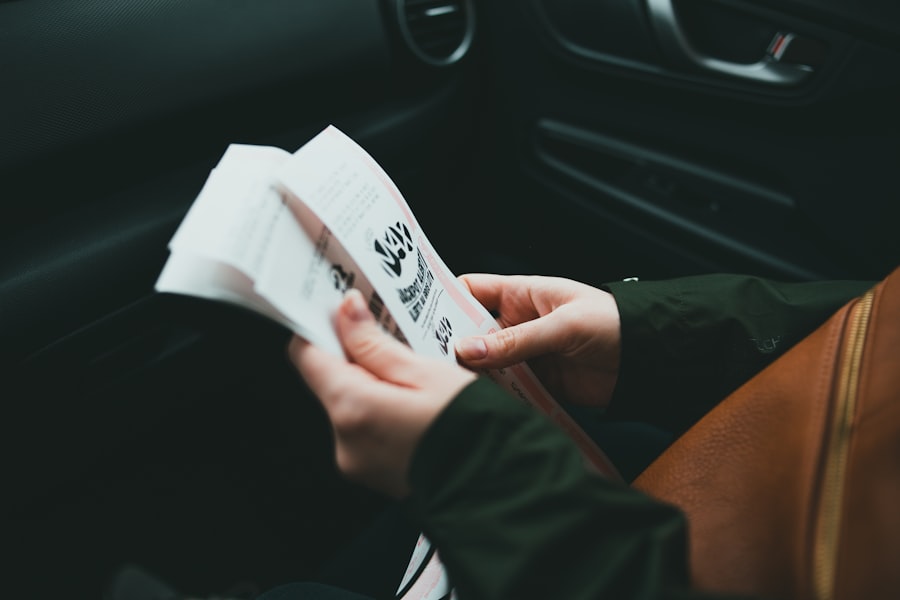
Meal planning has become an integral part of my grocery shopping strategy, and receipts play a crucial role in this process. By reviewing past receipts, I can identify which meals were successful and which ingredients were frequently purchased. This information allows me to create meal plans that are both cost-effective and satisfying for my family.
When planning meals, I consider seasonal ingredients and sales promotions to maximize savings further. For example, if I notice that certain fruits or vegetables are on sale during a particular week, I incorporate them into my meal plan. This not only helps me save money but also encourages variety in our diet.
By aligning my meal planning with the insights gained from analyzing receipts, I can create a budget that reflects our needs while minimizing waste.
Analyzing Your Grocery Receipts for Wasteful Spending
As part of my commitment to saving money on groceries, I’ve made it a priority to analyze my receipts for wasteful spending. This involves taking a closer look at items that may not have been necessary or that went unused after purchase. For instance, if I consistently find perishable items like fresh produce going bad before I have a chance to use them, it signals a need for adjustment in my shopping habits.
By identifying these patterns of wasteful spending, I can make more conscious choices in future grocery trips. Perhaps it means buying smaller quantities or opting for frozen alternatives that have a longer shelf life. This analysis not only helps me save money but also reduces food waste—a win-win situation for both my wallet and the environment.
Using Cashback and Rewards Programs to Save on Groceries
In addition to traditional savings methods like coupons and discounts, I’ve discovered the benefits of cashback and rewards programs offered by various retailers and credit cards. These programs allow me to earn money back on purchases or accumulate points that can be redeemed for future discounts or free products. By taking advantage of these offers, I can further enhance my grocery savings.
To maximize these benefits, I’ve made it a habit to sign up for loyalty programs at stores where I frequently shop. Each time I make a purchase, I ensure that I’m using my loyalty card or app to earn rewards. Additionally, some credit cards offer cashback specifically for grocery purchases, which adds another layer of savings to my overall budget.
Tips for Maximizing Savings with Cashback Apps and Receipt Scanning
To fully leverage cashback opportunities, I’ve turned to various apps designed for receipt scanning and cashback rewards. These apps allow me to upload photos of my grocery receipts after shopping and earn cashback on eligible purchases. It’s a simple process that has proven effective in boosting my savings over time.
When using these apps, I’ve learned to be strategic about which offers I choose to activate before shopping. By carefully selecting deals that align with my meal plan and shopping list, I’m able to maximize the cashback earned while minimizing unnecessary purchases. Additionally, some apps offer bonuses for referring friends or completing specific tasks, providing even more opportunities for savings.
Organizing and Storing Your Grocery Receipts for Future Reference
To ensure that I’m making the most of my grocery receipts and all the valuable information they contain, I’ve developed an organized system for storing them. After each shopping trip, I place receipts in a designated folder or envelope labeled by month or category. This organization makes it easy for me to access past receipts whenever needed.
Scanning receipts into an app or cloud storage allows me to keep a digital record without cluttering up physical space. This method not only simplifies tracking but also ensures that important information is preserved even if paper receipts fade over time.
Empowering Yourself with Receipts to Save Money on Groceries
In conclusion, I’ve discovered that grocery shopping doesn’t have to be a financial burden; instead, it can be an opportunity for empowerment through strategic planning and informed decision-making. By understanding the importance of receipts and utilizing them effectively, I’ve been able to track my spending, identify areas for improvement, and ultimately save money on groceries. Through careful analysis of past purchases and proactive measures like meal planning and couponing, I’ve transformed my approach to grocery shopping into a more mindful practice.
The insights gained from receipts have not only helped me cut costs but also fostered healthier eating habits and reduced waste in our household. As I continue on this journey toward financial wellness, I’m excited about the possibilities that lie ahead—armed with knowledge and empowered by the simple act of saving receipts.
In the discussion about the importance of receipts as proof of transactions, it’s interesting to note how they can serve as vital documentation in various scenarios. For further insights on this topic, you can read a related article that delves into the significance of keeping receipts for personal finance management. Check it out here: Receipts: The Proof You Need.
WATCH THIS! 🎬 I Found a Hidden Watch in My Pocket and It Exposed My Entire Family’s Crime
FAQs
What is the main idea behind the phrase “receipts prove everything”?
The phrase “receipts prove everything” means that physical or digital proof, such as receipts, can verify claims or transactions, providing undeniable evidence in disputes or discussions.
Why are receipts important in financial transactions?
Receipts serve as proof of purchase, helping both buyers and sellers confirm that a transaction occurred. They are essential for returns, warranties, accounting, and tax purposes.
Can digital receipts be considered as valid as paper receipts?
Yes, digital receipts are generally considered as valid as paper receipts, provided they contain the necessary transaction details and are accepted by the relevant parties or institutions.
How long should one keep receipts?
The duration for keeping receipts varies depending on the purpose. For tax purposes, it is recommended to keep receipts for at least 3 to 7 years. For warranties or returns, keep receipts until the warranty period expires or the return window closes.
What information is typically included on a receipt?
A receipt usually includes the date of purchase, items or services bought, prices, total amount paid, payment method, seller’s information, and sometimes transaction or receipt number.
Are receipts legally binding documents?
Receipts are considered legal proof of a transaction but are not contracts themselves. They can be used as evidence in legal disputes to support claims about purchases or payments.
How can receipts help in budgeting and expense tracking?
Receipts provide detailed records of spending, allowing individuals and businesses to track expenses accurately, manage budgets, and identify spending patterns.
What should I do if I lose a receipt?
If a receipt is lost, you can try to obtain a duplicate from the seller or check bank or credit card statements for proof of purchase. Some stores also offer digital receipt options to prevent loss.
Can receipts be used to prove ownership of an item?
Yes, receipts can serve as proof of ownership, especially for valuable items, by showing the purchase details and date, which can be useful for insurance claims or resale.
Are receipts necessary for tax deductions?
Yes, receipts are often required to substantiate expenses claimed as tax deductions, providing evidence that the expenses were incurred and are legitimate.