Legal paternity confirmation is a formal process that establishes a man’s legal status as the father of a child. This process is essential for securing the child’s rights to inheritance, access to medical history, and eligibility for benefits including child support and health insurance. Legal paternity confirmation serves as a foundation for the father-child relationship, establishing recognized rights and responsibilities for both parties.
Legal paternity can be established through various methods across different jurisdictions, including marriage to the child’s mother at the time of birth, voluntary acknowledgment of paternity, or court orders. Each establishment method carries specific implications and procedures, but all aim to provide clarity and security for the child’s future.
This legal acknowledgment plays a significant role in shaping a child’s identity and sense of belonging, highlighting the importance of understanding one’s familial connections and heritage.
Key Takeaways
- Legal paternity confirmation establishes a child’s biological father through DNA testing.
- DNA testing is highly accurate and reliable for confirming paternity.
- Various methods and processes exist for collecting and analyzing DNA samples.
- Paternity test results have significant legal implications, affecting custody and support.
- Emotional responses to DNA results can be complex and require sensitive handling.
The Importance of DNA Testing in Paternity Confirmation
DNA testing has revolutionized the way we confirm paternity, providing an accurate and scientific method to establish biological relationships. When I consider the implications of DNA testing, I recognize that it offers a level of certainty that traditional methods may not provide. The ability to analyze genetic material allows for definitive answers, which can be crucial in situations where paternity is disputed or uncertain.
This scientific approach not only alleviates doubts but also fosters a sense of closure for all parties involved. Moreover, DNA testing plays a vital role in ensuring that children receive the support and benefits they are entitled to. In cases where paternity is contested, having a reliable DNA test can expedite legal proceedings and help secure child support or inheritance rights.
I often think about how important it is for children to have access to their biological heritage, including medical histories that could impact their health. The role of DNA testing in paternity confirmation cannot be overstated; it is an essential tool that upholds the rights of children and fathers alike.
Understanding the Process of DNA Testing
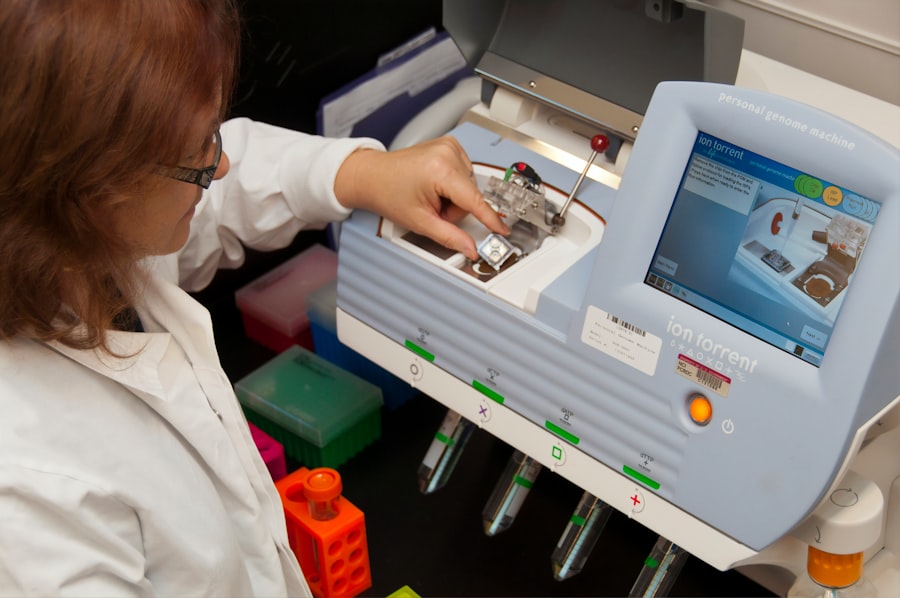
The process of DNA testing for paternity confirmation is relatively straightforward but requires careful attention to detail. Initially, I would need to gather samples from the individuals involved—typically the child and the alleged father. These samples can be collected through various means, such as cheek swabs or blood tests.
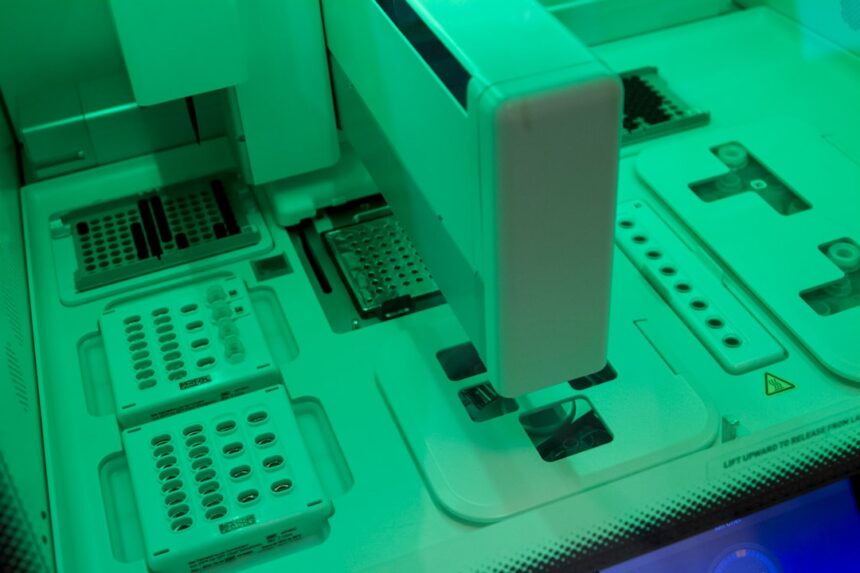
Once the samples are collected, they are sent to a laboratory for analysis. In the lab, technicians extract DNA and compare specific markers between the child and the alleged father.
This comparison reveals whether there is a biological relationship between them. I find it interesting how this scientific process can yield results that are not only accurate but also legally admissible in court. Understanding this process demystifies DNA testing for many people, making it less intimidating and more approachable.
The Accuracy and Reliability of DNA Testing
One of the most compelling aspects of DNA testing is its remarkable accuracy and reliability. When I delve into the statistics, I am often amazed to learn that modern DNA tests can determine paternity with over 99% accuracy when the alleged father is indeed the biological parent. This high level of precision provides peace of mind for those seeking confirmation of paternity.
It reassures me that science has equipped us with tools that can resolve disputes and clarify relationships with such certainty. However, it’s essential to understand that while DNA testing is highly reliable, no test is infallible. Factors such as sample contamination or improper handling can affect results.
Therefore, I believe it’s crucial to choose a reputable laboratory that adheres to strict protocols to ensure accuracy. The reliability of DNA testing not only impacts individual lives but also has broader implications for legal systems and social services that rely on these results to make informed decisions regarding child welfare and support.
Legal Implications of Paternity Confirmation
| Metric | Description | Typical Range/Value | Notes |
|---|---|---|---|
| Accuracy Rate | Probability that the tested man is the biological father if he is the true biological father | 99.99% or higher | High accuracy due to multiple genetic markers tested |
| Exclusion Probability | Probability that a man who is not the biological father will be excluded | 99.99% or higher | Ensures false positives are extremely rare |
| Number of Genetic Markers Tested | Number of STR loci analyzed in the test | 15 to 20 markers | More markers increase test reliability |
| Sample Types Accepted | Biological materials used for testing | Buccal swab, blood, hair follicle, amniotic fluid | Buccal swabs are most common and non-invasive |
| Turnaround Time | Time from sample receipt to report delivery | 2 to 7 business days | Expedited services may be available |
| Chain of Custody | Documentation process to ensure sample integrity for legal use | Mandatory for court-admissible tests | Includes witness signatures and sealed packaging |
| Cost Range | Typical cost for legal paternity DNA testing | 100 to 400 | Varies by lab and urgency |
| Legal Acceptance | Whether the test results are admissible in court | Yes, if chain of custody is maintained | Non-court tests are for personal knowledge only |
The legal implications of paternity confirmation are profound and far-reaching. Establishing legal paternity can affect various aspects of life, including child support obligations, custody arrangements, and inheritance rights. When I think about these implications, I realize how critical it is for fathers to understand their rights and responsibilities once paternity is confirmed.
For instance, a father may gain access to visitation rights or be required to provide financial support for his child. Additionally, legal paternity confirmation can impact a child’s access to benefits such as health insurance or social security. I often reflect on how these legal frameworks are designed to protect children’s interests and ensure they receive the support they need.
The process of confirming paternity is not just about establishing a biological connection; it also involves navigating complex legal landscapes that can significantly influence a child’s future.
Who Can Request a DNA Paternity Test?

The question of who can request a DNA paternity test is an important one, as it underscores the accessibility of this service. Generally speaking, anyone with a vested interest in determining paternity can initiate a request for testing. This includes mothers seeking child support from alleged fathers, fathers wanting to confirm their biological relationship with a child, or even grandparents or other relatives who may have concerns about familial ties.
I find it empowering that individuals have the agency to seek clarity regarding their relationships. In some cases, courts may also order DNA testing as part of legal proceedings related to custody or child support disputes. This judicial involvement highlights the importance of establishing paternity in legal contexts and ensures that decisions are made based on accurate information.
I appreciate how this process allows individuals to take proactive steps in securing their rights and responsibilities while also prioritizing the best interests of the child involved.
Different Methods of DNA Testing for Paternity Confirmation
There are several methods available for conducting DNA tests for paternity confirmation, each with its own advantages and considerations. The most common method involves collecting buccal swabs from the inside of the cheek, which is non-invasive and easy to perform. When I think about this method, I appreciate how it minimizes discomfort while still providing reliable results.
This approach has made DNA testing more accessible to families who may be apprehensive about more invasive procedures. Another method involves blood tests, which can also yield accurate results but may require more medical oversight during sample collection. Additionally, there are prenatal testing options available for expectant mothers who wish to determine paternity before childbirth.
These methods often involve analyzing amniotic fluid or chorionic villus sampling (CVS), which carry their own risks and ethical considerations. Understanding these different methods allows individuals to make informed choices based on their circumstances and comfort levels.
The Cost of DNA Testing for Paternity Confirmation
The cost of DNA testing for paternity confirmation can vary widely depending on several factors, including the type of test conducted and the laboratory chosen for analysis. Generally speaking, I have found that straightforward buccal swab tests tend to be more affordable than blood tests or prenatal options. On average, individuals might expect to pay anywhere from $100 to $500 for standard paternity tests; however, prices can fluctuate based on location and specific services offered by laboratories.
While cost is an important consideration, I believe it’s essential not to compromise on quality when selecting a testing service. Opting for a reputable laboratory may come at a higher price but can ensure more reliable results and better customer service throughout the process. For many families navigating complex emotional and legal landscapes surrounding paternity confirmation, investing in quality testing can provide invaluable peace of mind.
How Long Does it Take to Get DNA Test Results?
The timeline for receiving DNA test results can vary depending on several factors, including the laboratory’s processing times and the type of test conducted. Typically, I have learned that most standard paternity tests provide results within a week or two after samples are collected and sent for analysis. This relatively quick turnaround time allows individuals to move forward with their lives without prolonged uncertainty regarding their familial relationships.
In some cases, expedited services may be available for those who require results more urgently; however, these services often come at an additional cost. I find it reassuring that advancements in technology have streamlined this process significantly over recent years, allowing families to receive answers more swiftly than ever before. Knowing that results are just around the corner can alleviate some anxiety during what is often an emotionally charged time.
What to Do If the DNA Test Results Are Unexpected
Receiving unexpected DNA test results can be an emotionally overwhelming experience for anyone involved. If I were faced with such a situation, my first instinct would be to take time to process my feelings before making any decisions or taking further action. It’s essential to remember that these results do not define one’s worth or identity; rather, they provide information that may require careful consideration moving forward.
In such cases, seeking support from trusted friends or professionals can be invaluable. Whether through counseling or support groups, talking about my feelings can help me navigate this challenging emotional landscape. Additionally, if there are legal implications tied to the results—such as custody or child support issues—it may be wise to consult with an attorney who specializes in family law to understand my options moving forward.
The Emotional Impact of DNA Testing for Paternity Confirmation
The emotional impact of DNA testing for paternity confirmation cannot be understated; it often encompasses a wide range of feelings from joy and relief to anxiety and heartbreak. When I reflect on this aspect, I recognize that confirming paternity can bring families closer together by solidifying bonds and clarifying relationships. For many fathers who longed for recognition as parents, receiving positive results can be an incredibly fulfilling moment.
Conversely, negative results can lead to feelings of loss or confusion about one’s identity and place within a family structure. The emotional ramifications extend beyond just the individuals directly involved; they can ripple through extended family members as well. Understanding these emotional complexities is crucial when navigating the journey of paternity confirmation; it reminds me that behind every test result lies a deeply personal story filled with hopes, fears, and aspirations for connection and belonging.
DNA testing has become an essential tool for legal paternity confirmation, providing accurate and reliable results that can be crucial in custody and support cases. For more information on the implications and processes involved in DNA testing for paternity, you can read a related article on this topic at this link.
WATCH THIS 🛑 She Cheated For Years. I Sent Her the Hospital Bill With Interest
FAQs
What is DNA testing for legal paternity confirmation?
DNA testing for legal paternity confirmation is a scientific method used to establish the biological father of a child. It involves analyzing genetic material from the child, the alleged father, and sometimes the mother, to determine paternity with a high degree of accuracy.
How accurate is DNA testing for paternity?
DNA paternity tests are highly accurate, typically providing results with 99.9% certainty when confirming paternity and 100% certainty when excluding a man as the biological father.
When is DNA paternity testing used legally?
DNA paternity testing is used in various legal situations, including child custody disputes, child support cases, inheritance claims, and immigration applications where establishing biological parentage is required by law.
Can DNA paternity testing be done before a child is born?
Yes, prenatal paternity testing is available and can be performed using non-invasive methods such as analyzing fetal DNA from the mother’s blood or invasive procedures like amniocentesis, though these carry some risks.
Is consent required for legal DNA paternity testing?
Yes, consent is generally required from all parties involved for legal DNA testing. In some cases, a court order may mandate testing even if consent is not given voluntarily.
How is a legal DNA paternity test conducted?
A legal DNA paternity test typically involves collecting DNA samples through cheek swabs or blood samples under supervised conditions to ensure the chain of custody is maintained for court admissibility.
How long does it take to get results from a legal paternity test?
Results from a legal DNA paternity test usually take between 2 to 5 business days after the laboratory receives the samples, depending on the testing facility.
Are DNA paternity test results admissible in court?
Yes, DNA paternity test results are admissible in court if the test was conducted by an accredited laboratory following strict chain-of-custody procedures.
Can DNA paternity testing be done anonymously?
While non-legal or home DNA tests can be done anonymously, legal paternity tests require verified identities and proper documentation to ensure the results are legally valid.
What is the cost of legal DNA paternity testing?
The cost of legal DNA paternity testing varies by location and provider but generally ranges from $200 to $500, which may include sample collection, laboratory analysis, and documentation for court use.