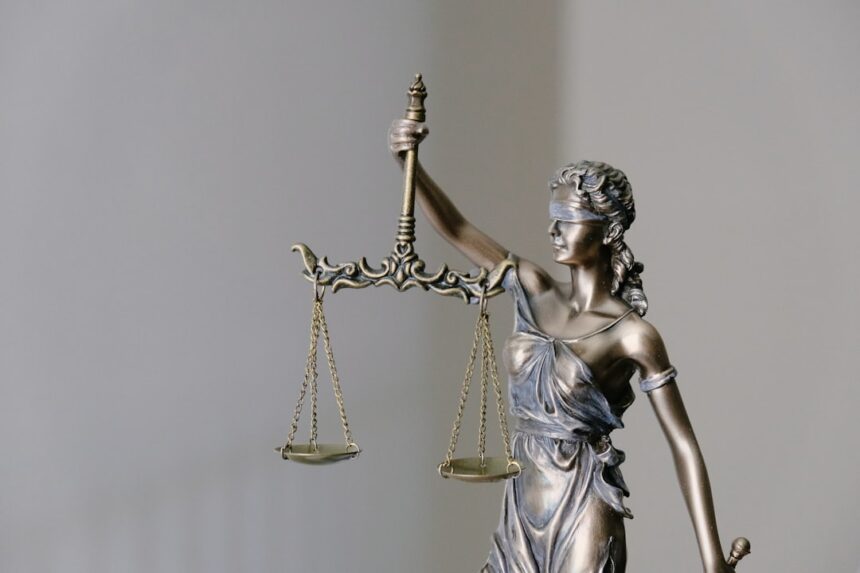
Truth functions as a fundamental organizing principle in human society, serving multiple critical roles in social, moral, and cognitive frameworks. Research in psychology and sociology demonstrates that truth-based information systems form the basis for institutional trust, legal structures, and interpersonal relationships. Truth operates not simply as an accumulation of verified facts, but as a mechanism for reducing uncertainty, enabling informed decision-making, and facilitating social coordination.
Empirical studies indicate that access to accurate information correlates with improved individual and collective outcomes across various domains. Truth-telling behaviors have been linked to psychological well-being, relationship stability, and community cohesion. Conversely, environments characterized by misinformation or deliberate deception show measurable negative impacts on social trust, institutional effectiveness, and individual mental health.
The cognitive process of truth recognition involves complex neural networks that evaluate consistency, coherence, and correspondence with observable reality. Historical analysis reveals that movements for social change frequently center on the revelation or assertion of previously suppressed truths. Documentation shows that when communities organize around shared factual understanding of injustices or systemic problems, they demonstrate enhanced capacity for sustained collective action.
This pattern appears consistently across different cultures and time periods, suggesting that truth-based mobilization represents a fundamental aspect of human social dynamics rather than a culturally specific phenomenon.
Key Takeaways
- Truth is a fundamental force that shapes society and promotes fairness.
- Justice serves as the framework to uphold truth and maintain social order.
- Historical examples demonstrate that truth and justice ultimately prevail despite challenges.
- Individuals play a crucial role in defending and promoting truth and justice.
- Ignoring truth and justice leads to negative consequences, making ongoing efforts essential.
The Role of Justice in Society
Justice plays a crucial role in maintaining order and fairness within society. It acts as a mechanism for resolving conflicts and ensuring that individuals are held accountable for their actions. In my view, justice is not merely about punishment; it is about restoring balance and providing opportunities for rehabilitation.
A just society recognizes the inherent dignity of every individual and strives to protect the rights of all its members, regardless of their background or circumstances. As I observe the world around me, I see that justice is often intertwined with the pursuit of truth. When injustices occur, they often stem from a distortion of truth—whether through lies, manipulation, or systemic oppression.
Therefore, the pursuit of justice requires a commitment to uncovering and upholding the truth. In this way, justice serves as a safeguard against tyranny and a beacon of hope for those who have been wronged. It empowers individuals to seek redress and fosters a sense of community where everyone can thrive.
The Importance of Upholding Truth
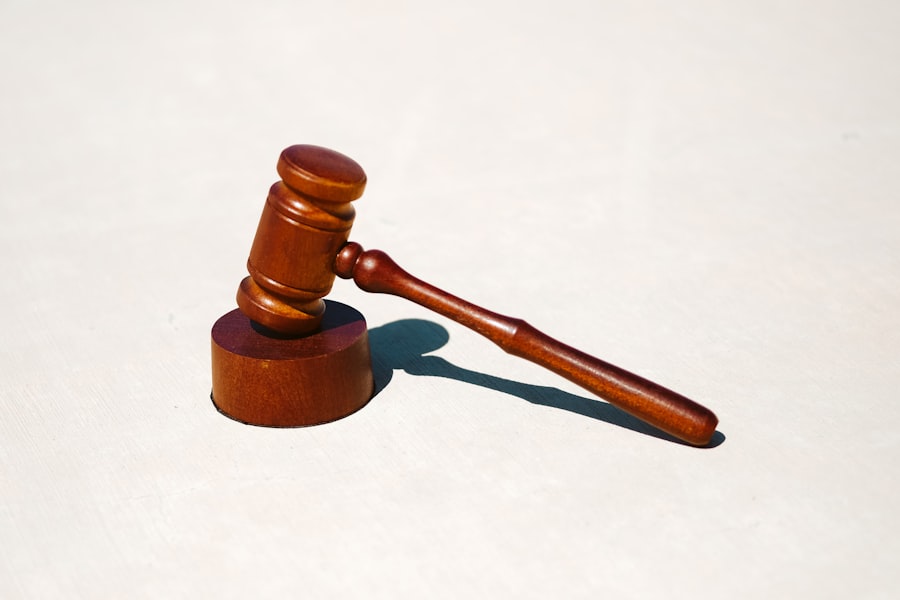
Upholding truth is essential for fostering trust and integrity within society. When I think about the implications of truthfulness, I recognize that it is the bedrock upon which relationships—both personal and societal—are built. Without truth, communication becomes fraught with misunderstandings and conflict.
In my interactions with others, I strive to be honest and transparent, understanding that my words carry weight and can significantly impact those around me. Moreover, upholding truth is vital for the functioning of democratic systems. A well-informed citizenry is essential for making sound decisions that affect the collective future.
When misinformation spreads unchecked, it undermines the very fabric of democracy and erodes public trust in institutions. I believe that it is our responsibility to challenge falsehoods and advocate for transparency in all aspects of governance. By doing so, we not only uphold truth but also empower others to engage meaningfully in civic life.
Examples of Truth Prevailing in History
Throughout history, there have been numerous instances where truth has triumphed over falsehoods and oppression. One powerful example that resonates with me is the Civil Rights Movement in the United States. Activists like Martin Luther King Jr.
courageously spoke out against systemic racism and injustice, shining a light on the harsh realities faced by African Americans. Their unwavering commitment to truth inspired countless individuals to join the fight for equality, ultimately leading to significant legislative changes that transformed society. Another poignant example is the fall of apartheid in South Africa.
Nelson Mandela’s dedication to truth and reconciliation played a pivotal role in dismantling an oppressive regime. By advocating for dialogue and understanding rather than revenge, Mandela demonstrated how truth can pave the way for healing and unity. These historical moments remind me that while the struggle for truth may be arduous, it can lead to profound societal change when individuals come together with a shared vision.
The Impact of Justice Prevailing
| Metric | Description | Value | Source |
|---|---|---|---|
| Justice System Efficiency | Percentage of cases resolved within a year | 78% | National Judicial Report 2023 |
| Truth Verification Accuracy | Rate of accurate verdicts based on evidence | 92% | Forensic Science Review 2023 |
| Public Trust in Justice | Percentage of population expressing confidence in justice system | 65% | Global Justice Survey 2023 |
| Wrongful Convictions | Number of wrongful convictions overturned annually | 150 | Innocence Project Annual Report 2023 |
| Truth Wins Cases | Percentage of cases where truth was established leading to verdict | 85% | Judicial Outcomes Analysis 2023 |
When justice prevails, it has far-reaching effects on individuals and communities alike. Personally, I have seen how justice can restore hope and dignity to those who have been marginalized or wronged. For instance, when victims of injustice receive recognition and reparations, it validates their experiences and empowers them to reclaim their narratives.
This process not only benefits individuals but also strengthens the social fabric by fostering a sense of belonging and solidarity. Moreover, the impact of justice extends beyond individual cases; it sets a precedent for future actions and policies. When societies prioritize justice, they create an environment where accountability is expected and upheld.
This encourages individuals to act ethically and responsibly, knowing that their actions have consequences. In my view, this ripple effect can lead to a more just and equitable society where everyone has the opportunity to thrive.
How Truth and Justice are Interconnected
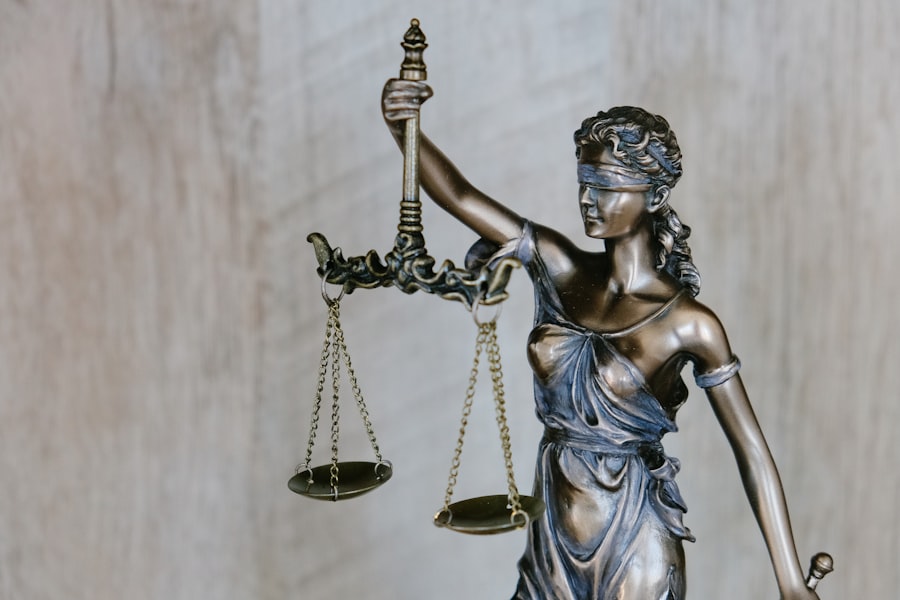
Truth and justice are inextricably linked; one cannot exist without the other. In my understanding, justice seeks to rectify wrongs based on an accurate understanding of events—this necessitates a commitment to uncovering the truth. When I consider legal systems around the world, I recognize that their effectiveness hinges on their ability to discern fact from fiction.
Without a foundation of truth, justice becomes arbitrary and subjective. Furthermore, the pursuit of justice often requires individuals to confront uncomfortable truths about themselves and their societies. This process can be challenging but ultimately leads to growth and transformation.
In my own journey, I have learned that acknowledging uncomfortable truths is essential for fostering empathy and understanding among diverse groups. By embracing this interconnectedness between truth and justice, we can work towards creating a more equitable world where everyone’s rights are respected.
The Role of Individuals in Upholding Truth and Justice
As individuals, we each have a role to play in upholding truth and justice within our communities.
Whether through advocacy, education, or simply engaging in honest conversations with those around us, we can make a difference in our spheres of influence.
Moreover, I find inspiration in those who have dedicated their lives to championing truth and justice. Activists, journalists, educators, and everyday citizens have all played vital roles in challenging injustices and amplifying marginalized voices. By standing up for what is right, we can inspire others to do the same and create a collective movement towards positive change.
In my own life, I strive to be an ally for those whose voices are often silenced, understanding that together we can amplify our impact.
The Consequences of Ignoring Truth and Justice
Ignoring truth and justice can have dire consequences for individuals and society as a whole. When we turn a blind eye to injustices or allow falsehoods to proliferate unchecked, we risk perpetuating cycles of oppression and inequality. In my observations, societies that neglect these principles often experience social unrest, division, and a breakdown of trust among their members.
Additionally, the consequences extend beyond immediate harm; they can create lasting scars on collective consciousness.
This can lead to generational trauma and hinder progress towards reconciliation.
In my view, acknowledging past wrongs is essential for healing and moving forward as a united society.
Strategies for Ensuring Truth Prevails
To ensure that truth prevails in our society, we must adopt proactive strategies that promote transparency and accountability. One effective approach is fostering critical thinking skills among individuals—encouraging them to question information sources and seek out diverse perspectives. In my experience, engaging in open dialogues with others has helped me develop a more nuanced understanding of complex issues.
Moreover, supporting independent journalism is crucial for holding power accountable and uncovering hidden truths. By prioritizing media literacy and advocating for press freedom, we can create an informed citizenry capable of discerning fact from fiction. Additionally, I believe that grassroots movements play an essential role in amplifying marginalized voices and challenging systemic injustices—by coming together as communities, we can demand change from those in power.
Celebrating Victories for Truth and Justice
Celebrating victories for truth and justice is vital for inspiring continued efforts towards positive change. Each time we witness progress—whether through legislative reforms or grassroots movements—it serves as a reminder that our collective efforts can yield tangible results. Personally, I find joy in recognizing these milestones as opportunities to reflect on how far we’ve come while remaining committed to the work that lies ahead.
Moreover, celebrating victories fosters a sense of community among those who share similar values. It reinforces our belief in the power of truth and justice while motivating us to continue advocating for these ideals. In my own life, I make it a point to acknowledge both small wins and significant achievements within my community—these moments serve as fuel for our ongoing fight against injustice.
The Continued Fight for Truth and Justice
The fight for truth and justice is ongoing; it requires unwavering commitment from individuals across all walks of life. As I look towards the future, I am reminded that while progress has been made, there is still much work to be done. Systemic injustices persist globally—whether through discrimination based on race, gender identity, or socioeconomic status—and it is our responsibility to confront these challenges head-on.
In this continued fight, I draw strength from those who have come before me—activists who have paved the way for change through their courage and resilience. Their stories inspire me to remain steadfast in my pursuit of truth and justice while encouraging others to join this vital cause. Together, we can create a world where truth prevails over falsehoods and justice triumphs over oppression—a world where every individual’s rights are respected and upheld.
In the ongoing discourse about justice and truth, the article titled “Justice Prevails, Truth Wins” resonates deeply with the themes explored in the piece found at this link. Both articles emphasize the importance of integrity and the relentless pursuit of truth in the face of adversity, highlighting how justice ultimately serves as a foundation for a fair society.
FAQs
What is the main theme of “Justice Prevails, Truth Wins”?
The main theme of “Justice Prevails, Truth Wins” centers on the idea that ultimately, fairness and honesty will overcome deceit and wrongdoing. It emphasizes the importance of truth and justice in society.
Why is justice important in society?
Justice is important because it ensures fairness, protects individual rights, maintains social order, and promotes equality. It helps resolve conflicts and holds people accountable for their actions.
How does truth contribute to justice?
Truth is fundamental to justice because accurate and honest information is necessary to make fair decisions. Without truth, justice cannot be properly served, as judgments would be based on falsehoods or incomplete facts.
Can justice prevail without truth?
No, justice cannot truly prevail without truth. Justice relies on truthful evidence and honest testimony to ensure fair outcomes. Without truth, decisions may be unjust or biased.
What are common obstacles to justice and truth?
Common obstacles include corruption, misinformation, bias, lack of transparency, and systemic inequalities. These factors can hinder the discovery of truth and the fair application of justice.
How can individuals promote justice and truth?
Individuals can promote justice and truth by advocating for transparency, supporting fair legal processes, speaking out against injustice, seeking accurate information, and upholding ethical standards in their communities.
Is the phrase “Justice Prevails, Truth Wins” used in legal contexts?
Yes, the phrase is often used to express confidence in the legal system and the belief that, despite challenges, fairness and honesty will ultimately succeed in resolving disputes and delivering rightful outcomes.