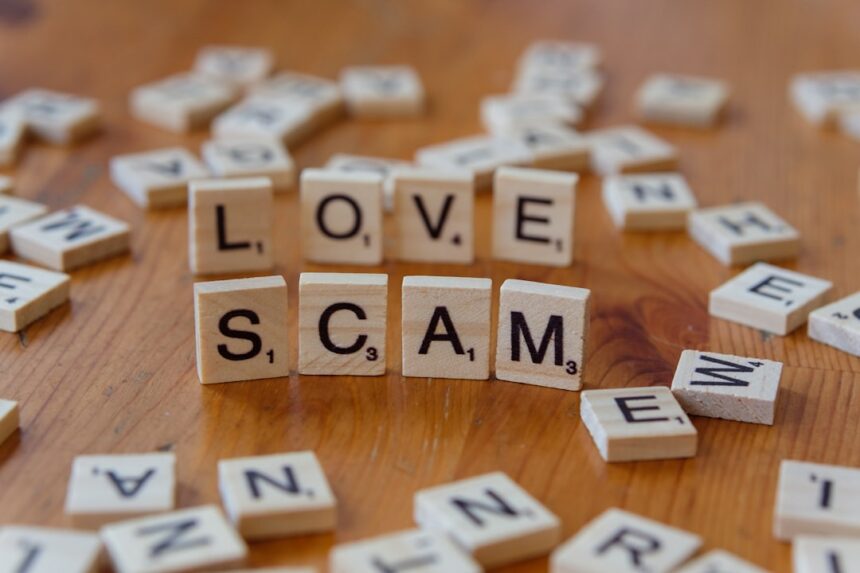
Charity fraud is a deceptive practice that exploits the goodwill of individuals who wish to help those in need. This type of fraud manipulates charitable intentions for personal gain and represents a significant threat to legitimate fundraising efforts. Charity fraud manifests in various forms, including fake charities that solicit donations and individuals who falsely represent themselves as agents of legitimate organizations.
The emotional nature of charitable giving creates vulnerabilities that fraudsters frequently exploit, making awareness of this issue essential for potential donors. The proliferation of online fundraising platforms has significantly expanded opportunities for both legitimate charities and fraudulent operators to reach potential donors. Social media platforms host numerous fundraising campaigns, each presenting compelling narratives designed to elicit emotional responses from viewers.
While many campaigns represent genuine causes, the anonymity afforded by internet platforms can facilitate fraudulent activities. This digital landscape requires donors to exercise increased vigilance and develop knowledge of charity fraud indicators to ensure their contributions reach intended beneficiaries.
Key Takeaways
- Charity fraud involves deceptive practices to steal donations meant for legitimate causes.
- Key signs include unsolicited requests, pressure tactics, and lack of transparency.
- Reporting fraud to the FBI helps protect donors and supports investigations.
- Provide detailed information such as names, contact details, and transaction records when reporting.
- Stay cautious by verifying charities and using official channels to prevent falling victim.
Recognizing the Signs of Charity Fraud
Recognizing the signs of charity fraud is a skill that I have learned to develop over time. One of the first red flags I look for is a lack of transparency. Legitimate charities typically provide clear information about their mission, how donations will be used, and their financial accountability.
If I come across a charity that is vague about its operations or refuses to provide documentation, I become suspicious. Additionally, high-pressure tactics often signal fraudulent activity; if I feel rushed to donate or am met with aggressive solicitation, I take a step back and reassess the situation. Another sign that I have learned to watch for is the use of emotional manipulation.
Fraudsters often craft heart-wrenching stories designed to elicit immediate sympathy and spur impulsive donations. While many genuine charities do share emotional narratives to connect with potential donors, I have learned to differentiate between authentic storytelling and manipulative tactics. If a charity seems overly focused on evoking an emotional response rather than providing factual information about its work, I become cautious.
By being aware of these signs, I can better protect myself and ensure that my charitable contributions are going to worthy causes.
Why Reporting Charity Fraud is Important

Reporting charity fraud is not just a civic duty; it is a crucial step in protecting the integrity of charitable organizations and ensuring that genuine causes receive the support they need. When I encounter fraudulent activities, I realize that my actions can help prevent others from falling victim to similar scams. By reporting these incidents, I contribute to a larger effort to hold fraudsters accountable and maintain trust in the charitable sector.
This trust is vital for encouraging more people to donate and support legitimate causes. Moreover, reporting charity fraud can lead to broader investigations that uncover systemic issues within the charitable landscape. When I take the time to report suspicious activities, I am not only helping myself but also contributing to a collective effort that can lead to significant changes in how charities operate.
This can result in stricter regulations and increased scrutiny of organizations, ultimately benefiting those who genuinely rely on charitable support. Knowing that my actions can have a ripple effect motivates me to be proactive in reporting any fraudulent activities I encounter.
How to Report Charity Fraud to the FBI
When it comes to reporting charity fraud, I have learned that the FBI is one of the key agencies responsible for investigating such cases. The process of reporting is straightforward, which gives me confidence that my concerns will be taken seriously. To initiate a report, I can visit the FBI’s official website and navigate to their online reporting system.
This user-friendly platform allows me to provide detailed information about the fraudulent activity I have encountered.
This personal touch allows me to discuss my concerns with an agent who specializes in fraud cases.
Whether I choose to report online or in person, I know that my information will be treated confidentially and will contribute to ongoing investigations into charity fraud. Taking this step empowers me to play an active role in combating fraudulent activities within the charitable sector.
What Information to Include in Your Report
| Step | Action | Details | Contact Information |
|---|---|---|---|
| 1 | Gather Evidence | Collect all relevant documents, emails, receipts, and any communication related to the suspected charity fraud. | N/A |
| 2 | Visit FBI Website | Go to the official FBI Internet Crime Complaint Center (IC3) website to file a complaint online. | https://www.ic3.gov |
| 3 | File a Complaint | Complete the online complaint form with detailed information about the fraud, including names, dates, and amounts involved. | N/A |
| 4 | Contact Local FBI Office | If preferred, report the fraud directly to your nearest FBI field office by phone or in person. | FBI Field Offices |
| 5 | Report to Other Agencies | Consider reporting to the Federal Trade Commission (FTC) and state charity regulators for additional action. |
FTC State Charity Officials (varies by state) |
| 6 | Follow Up | Keep a record of your complaint and follow up if you receive any communication or need to provide additional information. | N/A |
When preparing to report charity fraud, I understand that providing comprehensive information is essential for a thorough investigation. First and foremost, I make sure to include the name of the charity in question, along with any relevant contact information such as phone numbers or email addresses. If I have encountered specific individuals soliciting donations, I also include their names and any identifying details that could assist investigators.
Additionally, I document any communications I have had with the charity or its representatives. This includes emails, phone calls, or social media interactions that may provide context for my concerns. If possible, I gather evidence such as screenshots or recordings that illustrate the fraudulent behavior.
The more detailed and organized my report is, the better equipped law enforcement will be to take action against the perpetrators. By being thorough in my reporting, I increase the likelihood of a successful investigation.
Protecting Yourself When Reporting Charity Fraud
While reporting charity fraud is an important step, I also recognize the need to protect myself during this process. One way I do this is by ensuring that I do not disclose any personal information that could compromise my safety or privacy. When filling out online forms or communicating with law enforcement, I am careful not to share sensitive details unless absolutely necessary.
Moreover, I take precautions against potential backlash from those involved in fraudulent activities. Although most legitimate organizations appreciate reports of fraud as they seek to maintain their integrity, there may be instances where individuals involved in scams react negatively. To mitigate this risk, I consider using anonymous reporting options when available.
This allows me to voice my concerns without exposing myself to potential harassment or retaliation.
What Happens After You Report Charity Fraud
After submitting my report on charity fraud, I often wonder what happens next in the investigative process. Typically, law enforcement agencies like the FBI will review the information provided and determine whether further action is warranted. This may involve conducting interviews, gathering additional evidence, or collaborating with other agencies to build a comprehensive case against the perpetrators.
While it can be frustrating not to receive immediate updates on the status of my report, I understand that investigations can take time due to their complexity. However, knowing that my report contributes to a larger effort gives me a sense of purpose. If investigators find sufficient evidence of wrongdoing, they may initiate legal proceedings against those involved in the fraudulent activities.
This outcome reinforces my belief in the importance of reporting charity fraud and holding individuals accountable for their actions.
The Role of the FBI in Investigating Charity Fraud
The FBI plays a pivotal role in investigating charity fraud cases across the United States. As a federal agency with extensive resources and expertise in financial crimes, they are well-equipped to tackle complex cases involving fraudulent charities. When I report suspected charity fraud, I know that my concerns are being taken seriously by professionals who understand the intricacies of these scams.
One aspect of the FBI’s work that stands out to me is their commitment to public awareness and education regarding charity fraud. They often release information about ongoing investigations and provide resources for individuals looking to protect themselves from scams. By raising awareness about common tactics used by fraudsters, the FBI empowers individuals like me to make informed decisions when donating to charities.
Their proactive approach not only helps combat current fraud but also works toward preventing future scams from occurring.
Resources for Reporting Charity Fraud
In addition to the FBI’s reporting mechanisms, there are several other resources available for individuals looking to report charity fraud or seek guidance on charitable giving. Websites like Charity Navigator and GuideStar provide valuable information about registered charities, including their financial health and transparency ratings. Before making a donation, I often consult these platforms to ensure that my contributions are going toward reputable organizations.
Furthermore, state attorney general offices often have dedicated divisions for handling consumer complaints related to charities.
By utilizing these resources, I can make informed decisions about where my donations go while also contributing to efforts aimed at combating charity fraud.
Legal Consequences for Charity Fraud Perpetrators
The legal consequences for individuals found guilty of charity fraud can be severe, which serves as a deterrent for potential offenders. Depending on the severity of the crime and the amount of money involved, perpetrators may face hefty fines and even imprisonment. As someone who values justice and accountability, knowing that there are real repercussions for those who exploit charitable intentions gives me hope that we can create a safer environment for giving.
In addition to criminal penalties, individuals convicted of charity fraud may also face civil lawsuits from victims seeking restitution for their losses. This dual approach—criminal prosecution coupled with civil accountability—reinforces the message that charity fraud will not be tolerated. By holding perpetrators accountable through legal channels, society sends a clear signal that exploiting others’ goodwill is unacceptable.
Tips for Preventing Charity Fraud
Preventing charity fraud requires vigilance and proactive measures on my part as a donor. One of the most effective strategies I’ve adopted is conducting thorough research before making any contributions. This includes verifying whether a charity is registered with relevant authorities and checking its financial transparency through platforms like Charity Navigator or GuideStar.
Additionally, I have learned to be cautious about unsolicited requests for donations—especially those received via email or social media. If something feels off or too good to be true, it probably is. By trusting my instincts and taking time to verify claims before donating, I can significantly reduce my risk of falling victim to charity fraud.
In conclusion, understanding charity fraud and its implications has empowered me as a donor and advocate for ethical giving practices. By recognizing signs of fraud, reporting suspicious activities, and taking steps to protect myself and others, I contribute positively to the charitable landscape while ensuring that my contributions genuinely support those in need.
If you suspect charity fraud and want to report it to the FBI, it’s essential to understand the proper steps to take. For more detailed information on how to report such fraudulent activities, you can refer to this helpful article: How to Report Charity Fraud to the FBI. Taking action against fraud not only helps protect your community but also ensures that charitable resources are used for their intended purposes.
FAQs
What is charity fraud?
Charity fraud occurs when individuals or organizations falsely represent themselves as legitimate charities to solicit donations, but instead use the funds for personal gain or other unauthorized purposes.
Why is it important to report charity fraud to the FBI?
Reporting charity fraud to the FBI helps protect donors and the public from scams, ensures that fraudulent activities are investigated, and supports the enforcement of laws against financial crimes.
How can I identify potential charity fraud?
Signs of charity fraud may include pressure to donate immediately, lack of verifiable information about the charity, requests for payment via unusual methods, and unsolicited contact from unknown organizations.
What information should I provide when reporting charity fraud to the FBI?
You should provide as much detail as possible, including the name of the charity, contact information, descriptions of the fraudulent activity, any correspondence or documentation, and details about how you were solicited.
How do I report charity fraud to the FBI?
You can report charity fraud to the FBI by submitting a complaint through the FBI’s Internet Crime Complaint Center (IC3) website or by contacting your local FBI field office directly.
Is reporting charity fraud confidential?
Yes, the FBI generally keeps the identity of complainants confidential to protect their privacy and safety during investigations.
Can I report charity fraud anonymously?
While you can submit reports without revealing your identity, providing contact information can help the FBI follow up for additional details if necessary.
What happens after I report charity fraud to the FBI?
The FBI reviews the complaint, may conduct an investigation, and collaborates with other agencies if needed. However, they may not be able to provide updates on the status of the investigation.
Are there other agencies I can report charity fraud to besides the FBI?
Yes, you can also report charity fraud to the Federal Trade Commission (FTC), state charity regulators, and the Better Business Bureau’s Wise Giving Alliance.
How can I protect myself from charity fraud?
Research charities before donating, verify their registration status, avoid high-pressure tactics, and donate directly through official charity websites or trusted platforms.