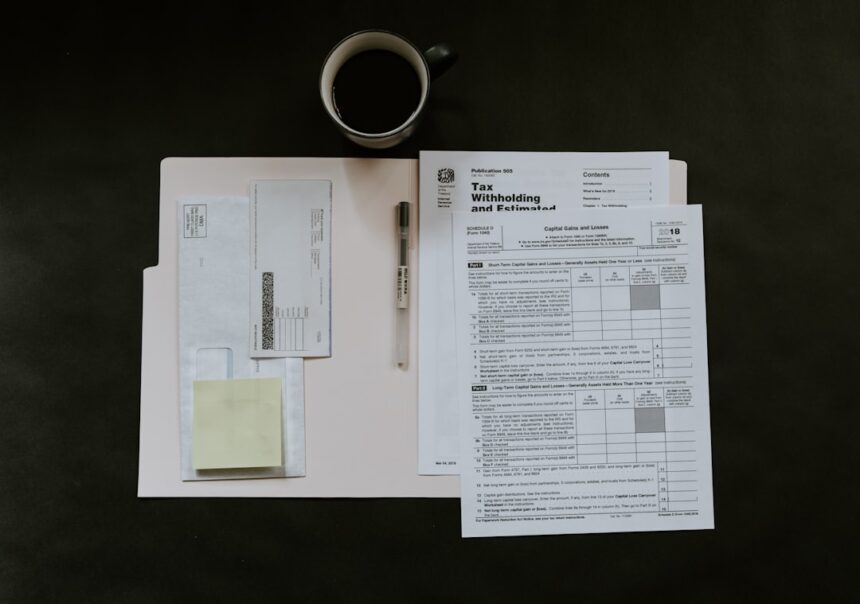
The importance of comprehensive documentation in fraud investigations is paramount. Thorough evidence collection directly impacts case strength, as documentation provides the essential framework that chronicles the timeline, participants, and financial impact of fraudulent activities. Without detailed records, critical case elements may be lost, potentially compromising investigation outcomes.
Well-structured documentation serves dual purposes: building a robust case and supporting legal proceedings. Courts depend on documented evidence to establish factual foundations and determine responsibility. A meticulously documented case can substantially influence legal outcomes by enhancing credibility and demonstrating investigative thoroughness.
Comprehensive documentation represents not merely a procedural requirement but a fundamental element that can determine whether a fraud investigation succeeds or fails.
Key Takeaways
- Proper documentation is crucial for building a strong fraud case and ensuring legal compliance.
- Collecting and organizing evidence systematically helps create a clear timeline and supports investigation accuracy.
- Interviewing witnesses and analyzing financial records provide essential insights into fraudulent activities.
- Using technology and maintaining chain of custody safeguards the integrity of evidence throughout the case.
- A detailed fraud case report and well-prepared documentation are vital for effective presentation in court.
Gathering Initial Evidence and Information
The initial phase of gathering evidence is often the most critical step in any fraud investigation. I begin by identifying potential sources of information, which may include financial records, emails, and witness statements. This stage requires a keen eye for detail and an understanding of where to look for signs of fraudulent activity.
Each piece of evidence I collect serves as a building block for my case, and I approach this task with both diligence and curiosity. As I gather initial evidence, I also prioritize establishing a clear understanding of the context surrounding the alleged fraud.
This involves interviewing individuals who may have relevant information and reviewing existing documentation related to the case. I have learned that sometimes, the most valuable insights come from informal conversations with employees or stakeholders who may have observed suspicious behavior. By piecing together these initial fragments of information, I can begin to form a clearer picture of the situation at hand, which will guide my subsequent investigative efforts.
Organizing and Cataloging Documentation
Once I have gathered a substantial amount of evidence, the next step is to organize and catalog all documentation systematically. I find that creating a structured filing system is essential for maintaining clarity throughout the investigation. This process involves categorizing documents based on their relevance to specific aspects of the case, such as financial transactions, communications, and witness statements.
By doing so, I can easily retrieve information when needed, which is crucial during both the investigative process and any potential legal proceedings. In addition to physical organization, I also utilize digital tools to enhance my documentation efforts. Scanning physical documents and storing them in a secure digital format allows me to access information quickly and share it with relevant parties when necessary.
I have discovered that maintaining an organized database not only streamlines my workflow but also ensures that I do not overlook any critical pieces of evidence. This meticulous approach to organization ultimately strengthens my case and enhances my ability to present a compelling narrative.
Creating a Timeline of Events
Creating a timeline of events is one of the most effective ways to visualize the progression of a fraud case. As I compile information, I find it helpful to map out key dates and actions taken by individuals involved in the alleged fraud.
By laying out events in a timeline format, I can better understand how the fraudulent activities unfolded over time. In my experience, timelines also serve as powerful tools for communication. When presenting my findings to stakeholders or legal representatives, a well-constructed timeline can succinctly convey complex information in an easily digestible format.
It highlights critical moments in the investigation and underscores the relationships between various pieces of evidence. Ultimately, creating a timeline not only aids in my analysis but also enhances my ability to articulate the case’s narrative effectively.
Interviewing Key Witnesses
| Step | Action | Details | Key Metrics/Considerations |
|---|---|---|---|
| 1 | Initial Incident Report | Document the initial suspicion or report of fraud with date, time, and involved parties. | Time to report (hours/days), source of report (internal/external) |
| 2 | Evidence Collection | Gather all relevant documents, emails, transaction records, and digital evidence. | Number of evidence items collected, evidence types, chain of custody maintained |
| 3 | Interviews and Statements | Conduct interviews with witnesses, suspects, and other relevant individuals; record statements. | Number of interviews conducted, statement accuracy, recorded vs. written statements |
| 4 | Analysis and Correlation | Analyze evidence to identify patterns, inconsistencies, and linkages between data points. | Number of discrepancies found, timeline accuracy, data correlation score |
| 5 | Documentation Drafting | Prepare a detailed report summarizing findings, evidence, and conclusions. | Report length (pages), clarity score, inclusion of all evidence |
| 6 | Legal Review | Have legal counsel review documentation for compliance and admissibility. | Number of revisions, compliance checklist completion, legal risk assessment |
| 7 | Finalization and Storage | Finalize documentation and securely store it for future reference or legal proceedings. | Storage method (digital/physical), access controls, backup frequency |
| 8 | Follow-up Actions | Plan next steps such as reporting to authorities, internal disciplinary actions, or recovery. | Time to action, number of actions taken, outcome tracking |
Interviewing key witnesses is a pivotal aspect of any fraud investigation that I approach with care and consideration. The insights gained from these interviews can provide invaluable context and corroborate other pieces of evidence I have collected. When conducting interviews, I strive to create an environment where witnesses feel comfortable sharing their experiences and observations.
Building rapport is essential; it encourages openness and honesty, which are crucial for uncovering the truth. I have learned that effective interviewing techniques can significantly impact the quality of information obtained. I often employ open-ended questions to allow witnesses to express themselves freely while also guiding them toward relevant details.
Active listening plays a vital role in this process; by paying close attention to their responses, I can identify inconsistencies or areas that require further exploration. Each interview adds another layer to my understanding of the case, helping me piece together a more comprehensive narrative.
Analyzing Financial Records

Analyzing financial records is perhaps one of the most intricate yet rewarding aspects of investigating fraud cases. As I delve into financial statements, transaction histories, and accounting records, I am often struck by how much information these documents can reveal about an organization’s operations. My goal is to identify irregularities or discrepancies that may indicate fraudulent activity, such as unusual patterns in spending or unexplained revenue streams.
In this analytical process, I employ various techniques to scrutinize financial data effectively. For instance, I often use ratio analysis to assess financial health and identify anomalies that warrant further investigation. Additionally, forensic accounting methods allow me to trace funds and uncover hidden transactions that may not be immediately visible in standard financial reports.
Through careful analysis, I can build a clearer picture of how fraud may have occurred and who may be responsible for it.
Documenting Communication and Correspondence
Throughout my investigations, documenting communication and correspondence is essential for establishing a comprehensive record of interactions related to the case. Emails, memos, and other forms of communication can provide critical insights into decision-making processes and reveal potential collusion among individuals involved in fraudulent activities. As I gather these communications, I pay close attention to both content and context, as they can offer clues about intent and motivation.
I have found that organizing communication records chronologically enhances my ability to analyze them effectively. By creating a timeline of correspondence alongside other evidence, I can identify patterns in communication that may suggest collusion or premeditated actions. Additionally, documenting communication helps me maintain transparency throughout the investigation process, ensuring that all relevant parties are informed about developments as they arise.
Utilizing Technology and Forensic Tools
In today’s digital age, leveraging technology and forensic tools has become indispensable in fraud investigations. As I navigate complex cases, I often turn to specialized software designed for data analysis and visualization. These tools enable me to sift through vast amounts of information quickly and identify trends or anomalies that might otherwise go unnoticed.
The integration of technology into my investigative process has significantly enhanced my efficiency and effectiveness. Forensic tools also play a crucial role in examining digital evidence such as emails, social media interactions, and electronic transactions. By employing techniques like data mining and digital forensics, I can uncover hidden connections between individuals or transactions that may indicate fraudulent behavior.
The ability to analyze digital footprints has transformed how I approach investigations, allowing me to uncover evidence that would have been challenging to obtain through traditional methods alone.
Maintaining Chain of Custody for Evidence
Maintaining chain of custody for evidence is a fundamental principle that underpins the integrity of any fraud investigation. From the moment I collect evidence until it is presented in court, it is imperative that I document every step taken to ensure its security and authenticity. This meticulous record-keeping not only protects the evidence from tampering but also reinforces its credibility during legal proceedings.
I have learned that establishing clear protocols for handling evidence is essential for maintaining chain of custody. This includes labeling items accurately, documenting who accessed them at each stage, and storing them securely in designated locations. By adhering to these protocols, I can confidently present evidence in court without fear of challenges regarding its authenticity or reliability.
Drafting a Comprehensive Fraud Case Report
Drafting a comprehensive fraud case report is one of the final steps in my investigative process that requires careful consideration and attention to detail. This report serves as a formal document summarizing all findings, evidence collected, and conclusions drawn throughout the investigation. As I compile this report, I aim to present a clear narrative that outlines the scope of the fraud, identifies key players involved, and provides recommendations for remediation.
In crafting my report, I strive for clarity and conciseness while ensuring that all relevant information is included. This often involves synthesizing complex data into easily understandable language without sacrificing accuracy or depth. A well-structured report not only serves as a valuable resource for stakeholders but also lays the groundwork for any potential legal actions that may follow.
Presenting Documentation in Legal Proceedings
The culmination of my efforts in investigating fraud often leads to legal proceedings where presenting documentation effectively becomes paramount. In these settings, I must convey complex information clearly and persuasively to judges or juries who may not have specialized knowledge in finance or fraud investigations. My goal is to ensure that all documentation supports my case while remaining accessible to those unfamiliar with the intricacies involved.
I have found that visual aids can be particularly effective during presentations in court. Utilizing charts, graphs, or timelines helps distill complex information into digestible formats that enhance understanding among jurors or judges. Additionally, being prepared to answer questions and address counterarguments demonstrates my thoroughness and reinforces my credibility as an investigator.
Ultimately, presenting documentation effectively is crucial for achieving favorable outcomes in legal proceedings related to fraud cases. In conclusion, navigating the complexities of fraud investigations requires a multifaceted approach grounded in meticulous documentation practices. From gathering initial evidence to presenting findings in court, each step plays a vital role in building a compelling case against fraudulent activities.
Through careful organization, analysis, and communication strategies, I strive to uncover the truth while ensuring that justice is served.
When building a comprehensive fraud case documentation, it’s essential to follow best practices to ensure that all relevant information is captured effectively. A helpful resource on this topic can be found in the article titled “How to Build Fraud Case Documentation,” which provides detailed guidelines and examples. You can read more about it by visiting this link: How to Build Fraud Case Documentation. This article will assist you in understanding the critical elements needed for thorough documentation.
FAQs
What is fraud case documentation?
Fraud case documentation is the systematic collection and organization of evidence, reports, and records related to a suspected or confirmed fraudulent activity. It serves as a detailed account to support investigations and potential legal actions.
Why is fraud case documentation important?
Proper documentation is crucial because it provides a clear and organized record of the fraud, helps establish the facts, supports legal proceedings, and aids in preventing future fraud by identifying vulnerabilities.
What types of evidence should be included in fraud case documentation?
Evidence can include financial records, emails, contracts, witness statements, audit reports, surveillance footage, and any other materials that demonstrate fraudulent activity or support the investigation.
Who is responsible for building fraud case documentation?
Typically, fraud investigators, compliance officers, internal auditors, or legal teams are responsible for gathering and maintaining fraud case documentation.
How should fraud case documentation be organized?
Documentation should be organized chronologically or by type of evidence, clearly labeled, and securely stored to maintain integrity and confidentiality. Using digital tools or case management software can enhance organization.
Can fraud case documentation be used in court?
Yes, well-prepared fraud case documentation can be critical in legal proceedings as it provides evidence to prove the occurrence of fraud and supports the prosecution or defense.
What are best practices for maintaining fraud case documentation?
Best practices include maintaining accuracy, ensuring confidentiality, regularly updating records, securing physical and digital files, and following legal and regulatory requirements for evidence handling.
How long should fraud case documentation be retained?
Retention periods vary depending on legal requirements and organizational policies but generally should be kept for several years after the resolution of the case to comply with regulatory and legal standards.
What role does technology play in fraud case documentation?
Technology aids in collecting, storing, analyzing, and securing fraud-related data. Tools like forensic software, databases, and secure cloud storage improve efficiency and accuracy in documentation.
Can fraud case documentation help prevent future fraud?
Yes, analyzing documented fraud cases can identify patterns and weaknesses in controls, enabling organizations to strengthen policies and procedures to reduce the risk of future fraud.