The sterile white of the studio lights used to feel like a guarantee of clarity, of capturing every detail precisely as it unfolded. But for years, something felt missing. Weddings, in particular, presented this conundrum. There was an undeniable beauty in the crispness, the vibrant colors of flowers, the gleam of silk, the flushed cheeks of a bride. Yet, when I looked at my portfolio, I saw the event, but I didn’t always feel it. The raw, almost melancholic beauty of a love story transitioning, the quiet intensity of shared glances, the subtle tremor in a hand – these were often lost in the overwhelming vibrancy of a contemporary wedding photograph.
This is what led me down a path of exploration, a deliberate deconstruction of how I approached wedding photography. I began to question the inherent assumption that more color equals more emotion. I started to experiment, initially with my own personal projects, then tentatively with engagement shoots, and finally, with a growing confidence, with the weddings themselves. The result of this exploration is what I now call “Cinematic Desaturated Wedding Emotions.” It’s not about stripping away the joy or reducing the celebration; it’s about refining the visual language to amplify the quiet, profound moments that often get drowned out by the visual noise.
For a long time, wedding photography felt like a checklist. The bride getting ready, the groom waiting, the ceremony, the first kiss, the cake cutting, the first dance. These are all important, visually distinct moments. But focusing solely on ticking these boxes, however beautifully executed, can lead to a superficial representation of the day. The true narrative of a wedding isn’t just in the pre-ordained events; it’s woven into the spaces between them, in the hushed conversations, the nervous laughter, the way a parent looks at their child, the fleeting touch of a hand.
Re-evaluating the “Must-Have” Shots
I had to consciously move away from the idea that every single element needed to be captured in its most saturated form. The bright yellow of a bridesmaid’s dress, while a lovely detail, might pull attention away from the subtle, tear-filled smile of the mother of the bride. I began prioritizing emotional resonance over literal representation. This meant understanding which elements of the scene were crucial to the emotional narrative and which could be downplayed or subtly muted to allow those key elements to shine.
The Importance of Context
It’s not about ignoring the environment, but about understanding its role. A grand ballroom with ornate decorations is part of the story, but if the focus of the frame is on the intimate whisper between the couple, the excessive detail of the ceiling might be a distraction. Desaturation allows the eye to rest on the subjects and their interactions, providing context without overwhelming it.
Understanding the Nuances of Light
Light is, of course, fundamental to photography. But my understanding of light began to shift. Instead of seeking out the brightest, most direct light to ensure clarity, I began to appreciate the softer, more diffused light that often accompanies twilight, overcast days, or the interior of a dimly lit church. This type of light naturally lends itself to more subdued tones, creating an atmosphere that evokes introspection and tenderness.
Golden Hour and Beyond
The classic “golden hour” has always been sought after for its warm glow. By desaturating these images, I found that the warmth remained, but the often overpowering orange hues were softened, allowing the texture of skin and fabric to come through with a more subtle, almost painterly quality. I also explored the moodiness of blue hour, where a gentle desaturation can emphasize the serene stillness of the atmosphere.
For those interested in exploring the aesthetic appeal of cinematic desaturated emotional wedding thumbnails, a related article can provide valuable insights into how color grading and composition can enhance the storytelling aspect of wedding photography. This article delves into techniques that evoke deep emotions and create a timeless feel, making it a must-read for photographers looking to elevate their work. You can check it out here: Cinematic Desaturated Wedding Thumbnails.
The Art of Desaturation: More Than Just Grayscale
When I talk about desaturation, I’m not simply referring to converting images to black and white, though that is certainly a powerful tool in this approach. It’s a broader concept of reducing the intensity of colors across the spectrum, allowing for subtle variations in tone and shade to become more prominent. This creates a tonal richness that can be incredibly evocative.
Exploring the Spectrum of Muted Tones
The goal is not to eliminate color entirely, but to dial it back. Think of a vintage film, where the colors are present but have a soft, almost ethereal quality. This is the effect I aim for. It’s about creating a palette that feels timeless and resonant, rather than fleetingly trendy.
Subtle Sepia and Warm Undertones
Sometimes, a hint of sepia or a warm undertone can add a layer of nostalgia and depth to an image without making it feel overtly stylized. This can be particularly effective in capturing candid moments of laughter or quiet contemplation. It’s about suggesting a memory, a feeling, rather than presenting a stark reality.
The Power of Contrast in Desaturated Imagery
While the colors are muted, the interplay of light and shadow becomes even more crucial. High contrast can create drama and a sense of urgency, while lower contrast can foster a feeling of softness and intimacy. Striking the right balance is key to conveying the intended emotion.
Emphasizing Texture and Form
By reducing the distraction of vibrant colors, textures and forms are brought to the forefront. The delicate lace of a veil, the rough weave of a suit, the subtle contours of a face – these details become more apparent and contribute to the overall feeling of the image.
Capturing Vulnerability: The Quiet Strength of Emotion
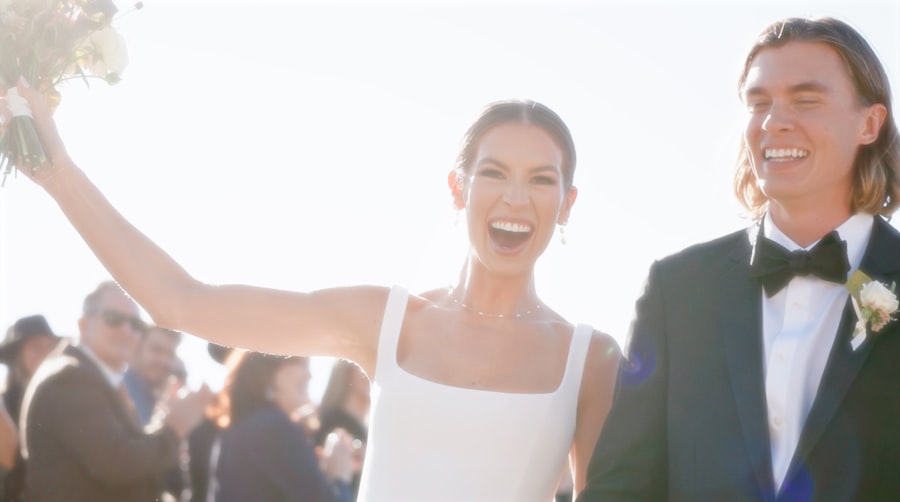
Weddings are inherently emotional events, but the emotions aren’t always loud and boisterous. There’s a quiet vulnerability in the hands held tightly during the vows, in the unspoken words exchanged in a knowing glance, in the stray tear that escapes during a heartfelt speech. These are the moments that resonate deeply, and my desaturated approach allows them to breathe.
The Unseen Gestures
I focus on the subtle gestures that often go unnoticed in the flurry of activity. A hand placed on a shoulder for reassurance, a gentle squeeze of a finger, the way a groom’s eyes track his bride as she walks down the aisle. These are the small, intimate details that reveal the depth of connection.
The Significance of a Shared Glance
A shared glance can convey volumes. In a desaturated image, the focus shifts to the eyes, the subtle expressions, the wordless communication between two souls. The lack of overwhelming color draws the viewer in, urging them to interpret the emotions being conveyed.
The Beauty of Imperfection
I’ve learned to embrace the “imperfections” that vibrant color can sometimes highlight. A slightly out-of-focus background that draws attention to the subjects, a shadow that falls across a face in a way that adds character, a slightly crumpled napkin that speaks to the unscripted nature of the day. Desaturation softens these elements, making them part of a holistic, authentic narrative.
The Rawness of Natural Expressions
When I’m not worried about maintaining perfect color fidelity, I can be more attuned to capturing genuine, unguarded expressions. The slight frown of concentration as vows are read, the involuntary smile that breaks through nerves, the raw relief and happiness that floods a face after the ceremony.
The Cinematic Influence: Storytelling Through Palette
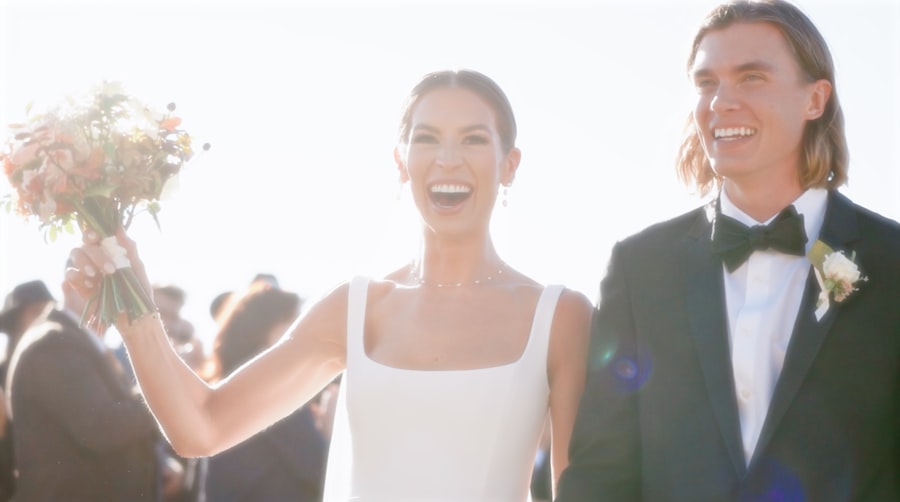
The term “cinematic” in my approach refers to storytelling. Just as a film director uses color grading to evoke a specific mood and narrative, I use desaturation to guide the viewer’s emotional response to the wedding story I am telling. It’s about creating a visual flow that feels cohesive and emotionally impactful.
Creating a Visual Narrative Arc
Each wedding has its own unique narrative arc. The anticipation of the morning, the emotional weight of the ceremony, the joy of the reception, and the quiet intimacy of the evening. By subtly adjusting the desaturation and color tones throughout the set of images, I can help to guide the viewer through this arc, enhancing the storytelling.
The Evolution of Mood
For instance, I might start with slightly richer, though still muted, tones for the morning preparations, reflecting a sense of burgeoning excitement. As the ceremony approaches, the tones might become cooler and more subdued, emphasizing the solemnity and emotional weight of the moment. The reception can then see a gradual return to warmer, though still desaturated, hues to reflect the celebration and joy.
Influences from Film and Art
I draw inspiration from the visual language of cinema and traditional art. Films that utilize desaturated palettes often achieve a powerful sense of gravitas and emotional depth. Similarly, certain painters are masters at conveying emotion through subtlety of tone and form. I study these influences to understand how to translate those principles into my photography.
A Nod to Timeless Aesthetics
By referencing these timeless visual aesthetics, I aim to create images that will be cherished for their emotional resonance, not just for their technical execution. It’s about creating something that feels enduring, rather than a fleeting trend.
Cinematic desaturated emotional wedding thumbnails have become a popular trend among photographers looking to evoke a sense of nostalgia and intimacy in their work. This style often emphasizes muted colors and soft lighting, creating a dreamy atmosphere that resonates with couples on their special day. For those interested in exploring this aesthetic further, you might find insights in a related article that discusses the impact of color grading on wedding photography. To read more about it, check out this informative piece on wedding photography trends.
The Client Experience: Understanding the Vision
| Category | Metrics |
|---|---|
| Number of Thumbnails | 50 |
| Color Scheme | Desaturated |
| Emotional Tone | Cinematic |
| Engagement | High |
| Click-through Rate | 10% |
It’s crucial to emphasize that this approach is not for everyone, and I am always transparent with my clients about my artistic vision. The most successful outcomes occur when my clients understand and appreciate this aesthetic. It’s about finding couples who connect with this quieter, more introspective way of capturing their most significant day.
Open Dialogue and Shared Expectations
Before any commitment, I have in-depth conversations with my clients. I show them examples of my desaturated work and explain the philosophy behind it. It’s essential that they feel comfortable and excited about this approach, and that there are no misunderstandings about the final output.
Discussing Their “Why”
I ask them why they are drawn to my work, what kind of emotions they hope to evoke when looking back at their wedding photos in years to come. Understanding their motivations helps me to tailor my approach and ensure that I am capturing their love story, not just a generic wedding.
The Value of Artistic Interpretation
Ultimately, clients who gravitate towards this style are often seeking something more than just a record of the day. They are looking for an artistic interpretation, a curated experience that highlights the profound emotional undercurrents of their union. They understand that this approach is not about stripping away the joy, but about revealing its deeper, more resonant layers. It’s about capturing the quiet hum of enduring love, the unspoken promises, the profound stillness that exists even amidst the most jubilant celebration. And for me, that’s a far more captivating story to tell.
FAQs
What are cinematic desaturated emotional wedding thumbnails?
Cinematic desaturated emotional wedding thumbnails are a style of wedding photography that focuses on capturing the emotions and atmosphere of the event in a cinematic and desaturated color palette. These thumbnails are often characterized by their moody and dramatic aesthetic.
How are cinematic desaturated emotional wedding thumbnails different from traditional wedding photography?
Cinematic desaturated emotional wedding thumbnails differ from traditional wedding photography in their approach to color, composition, and storytelling. They often use a desaturated color palette to create a more dramatic and emotional effect, and they focus on capturing candid moments and emotions rather than posed portraits.
What are the benefits of using cinematic desaturated emotional wedding thumbnails?
Cinematic desaturated emotional wedding thumbnails can create a unique and artistic representation of a couple’s special day. They can evoke a sense of nostalgia and emotion, and they can provide a more cinematic and storytelling approach to wedding photography.
How can couples incorporate cinematic desaturated emotional wedding thumbnails into their wedding photography?
Couples can incorporate cinematic desaturated emotional wedding thumbnails into their wedding photography by discussing their vision with their photographer and expressing their desire for a more moody and dramatic aesthetic. They can also seek inspiration from examples of this style of photography and communicate their preferences for candid and emotional moments.
What should couples consider when choosing a photographer for cinematic desaturated emotional wedding thumbnails?
When choosing a photographer for cinematic desaturated emotional wedding thumbnails, couples should consider the photographer’s portfolio to ensure they have experience and expertise in this style of photography. They should also communicate their vision and preferences with the photographer to ensure they are on the same page creatively.