# Open Marriage: Definition and Dynamics
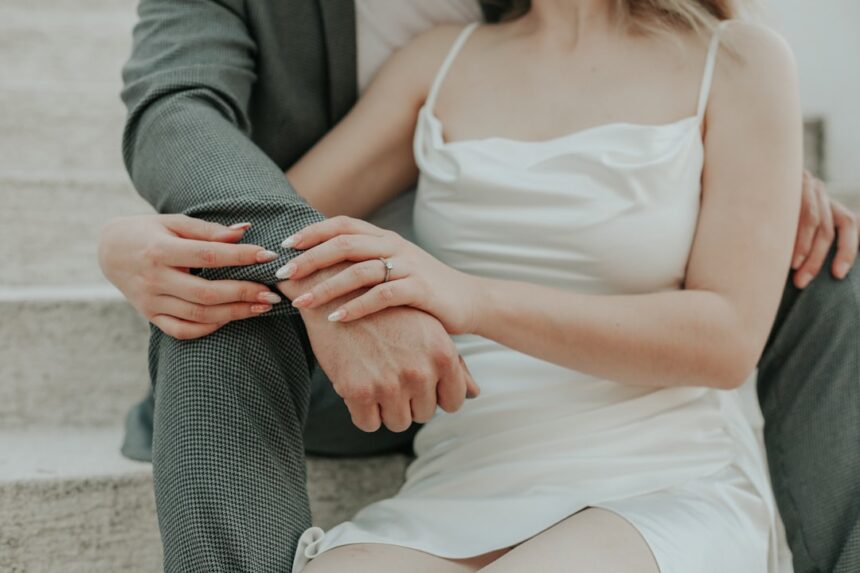
An open marriage is a consensual arrangement in which married partners agree to engage in romantic or sexual relationships with people outside their primary partnership. This arrangement represents a departure from traditional monogamous structures and permits individuals to pursue connections beyond their marriage while preserving their committed relationship. Open marriages vary considerably in their implementation.
Couples may establish boundaries that range from permitting casual sexual encounters to allowing more substantial romantic relationships with other partners. The specific parameters depend entirely on what each couple negotiates and agrees upon. Open marriages extend beyond physical intimacy to include emotional dimensions.
Some couples pursue this arrangement to diversify their sexual experiences, while others seek emotional connections with additional partners. Regardless of the motivation, successful open marriages depend on two critical factors: clear communication and explicit consent. Both partners must establish shared understanding regarding their expectations, boundaries, and limitations.
This relationship structure requires significant emotional maturity, self-awareness, and mutual trust. Partners must navigate complex feelings such as jealousy and insecurity while maintaining their primary commitment. The arrangement can provide opportunities for personal growth and a more nuanced understanding of love and partnership, though it is not suitable for all couples.
You can learn more about the concept of open marriage through this insightful video.
Key Takeaways
- Open marriage involves consensual non-monogamy, allowing partners to have relationships outside their marriage.
- It can enhance communication, trust, freedom, and opportunities for sexual exploration.
- Challenges include jealousy, insecurity, emotional disconnection, and potential conflicts.
- Success depends on strong communication, clear boundaries, and mutual understanding.
- Open marriage is not for everyone; individuals should carefully consider their values and relationship goals.
Pros of Open Marriage
One of the most significant advantages of an open marriage is the opportunity for personal growth and exploration. I believe that being able to connect with others outside of my primary relationship can lead to a deeper understanding of myself and my desires. Engaging with different partners can introduce new perspectives and experiences that enrich my life and enhance my primary relationship.
This exploration can foster a sense of freedom that many individuals crave, allowing them to express their sexuality in ways that might not be possible within the confines of traditional monogamy. Additionally, open marriages can strengthen the bond between partners. By discussing desires and boundaries openly, I find that my partner and I can develop a deeper level of trust and intimacy.
This transparency encourages honest communication, which is essential for any successful relationship. When both partners feel secure in expressing their needs and desires, it can lead to a more fulfilling partnership overall. The shared experience of navigating an open marriage can also create a unique bond, as we work together to establish rules and navigate the complexities of our relationships with others.
Cons of Open Marriage
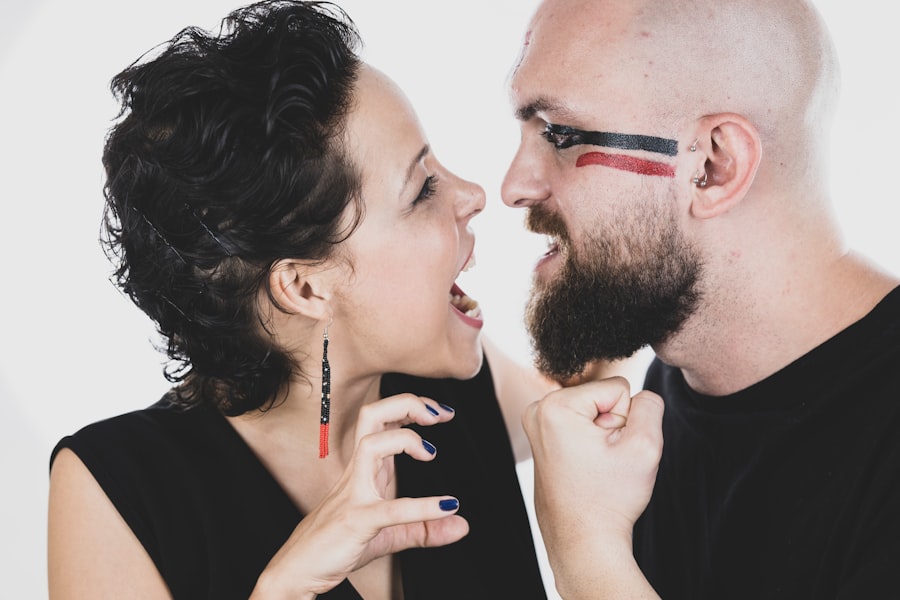
Despite the potential benefits, open marriages are not without their challenges. One significant drawback is the risk of emotional turmoil that can arise from engaging with other partners. I’ve learned that even in consensual arrangements, feelings of jealousy and insecurity can surface unexpectedly.
It’s essential to recognize that while I may be comfortable with the idea of my partner being intimate with someone else, it doesn’t mean that I won’t experience moments of doubt or fear about our relationship’s stability. Moreover, the complexity of managing multiple relationships can lead to misunderstandings and conflicts. Balancing time and emotional energy between different partners requires careful consideration and effort.
I’ve found that it’s easy to become overwhelmed by the logistics of an open marriage, which can detract from the quality of my primary relationship. If not managed properly, these complications can create rifts between partners, leading to resentment or feelings of neglect.
Increased Communication and Trust
One of the most profound aspects of an open marriage is the necessity for increased communication. I’ve come to appreciate how vital it is to have ongoing conversations about feelings, boundaries, and expectations. In an open marriage, I must be willing to discuss not only my desires but also any concerns or insecurities that arise.
This level of openness fosters a deeper connection with my partner, as we navigate our feelings together. Trust is another cornerstone of an open marriage. I’ve realized that for this arrangement to work effectively, both partners must trust each other implicitly.
This trust is built through consistent communication and honesty about our experiences with other partners. When I know that my partner is being transparent about their interactions, it alleviates some of the anxiety that can accompany an open relationship. This foundation of trust can ultimately strengthen our bond, as we learn to rely on each other in new ways.
Potential for Jealousy and Insecurity
| Metric | Description | Typical Value/Range | Source/Notes |
|---|---|---|---|
| Percentage of Couples Discussing Open Marriage | Proportion of married couples who have had a conversation about open marriage or non-monogamy | 5% – 15% | Various relationship surveys and studies |
| Average Age of Participants | Average age of individuals engaging in open marriage discussions | 30 – 45 years | Demographic data from relationship research |
| Common Reasons for Discussion | Primary motivations for couples to consider open marriage | Desire for sexual variety, increased honesty, personal growth | Qualitative studies and interviews |
| Success Rate of Open Marriage Discussions | Percentage of couples who reach mutual agreement after discussion | 40% – 60% | Relationship counseling reports |
| Challenges Reported | Common difficulties faced during or after open marriage discussions | Jealousy, communication breakdown, trust issues | Psychological studies and surveys |
| Frequency of Discussions | How often couples revisit the topic of open marriage | Occasionally to regularly (every 6 months to yearly) | Relationship counseling data |
While increased communication can enhance trust, it doesn’t eliminate the potential for jealousy and insecurity. I’ve experienced moments where I felt threatened by my partner’s connection with someone else, even when I knew it was consensual. These feelings are natural and can arise from various sources, including fear of inadequacy or concerns about losing my partner’s affection.
It’s crucial to acknowledge these emotions rather than suppress them, as doing so can lead to resentment. Navigating jealousy requires ongoing dialogue with my partner. I’ve found that discussing my feelings openly allows us to address any underlying issues before they escalate into larger conflicts.
It’s essential to create a safe space where both partners can express their vulnerabilities without fear of judgment. By doing so, we can work together to reinforce our commitment to each other while also acknowledging the complexities that come with an open marriage.
Freedom and Autonomy

One of the most appealing aspects of an open marriage is the sense of freedom and autonomy it offers. I cherish the idea that I can explore my desires without feeling confined by traditional expectations. This freedom allows me to pursue connections that resonate with me on various levels—intellectually, emotionally, and physically.
It’s liberating to know that I have the agency to seek out experiences that fulfill me outside my primary relationship. This autonomy also extends to my partner, who has the same opportunity to explore their desires. I find it empowering to support each other in our individual journeys while still maintaining a strong partnership.
This balance between independence and connection is a delicate dance but one that can lead to a more profound appreciation for each other.
Risk of Emotional Disconnection
While freedom and autonomy are significant benefits of an open marriage, they also come with the risk of emotional disconnection. I’ve observed that when partners become too focused on their individual pursuits, they may inadvertently neglect the emotional needs of their primary relationship. It’s essential to strike a balance between exploring outside connections and nurturing the bond I share with my partner.
To mitigate this risk, I’ve found it helpful to schedule regular check-ins with my partner. These conversations allow us to reconnect emotionally and assess how we’re feeling about our arrangement. By prioritizing our emotional connection, we can ensure that our primary relationship remains strong even as we explore other avenues.
It’s crucial to remember that while open marriages offer exciting opportunities for exploration, they also require ongoing effort to maintain emotional intimacy.
Opportunity for Sexual Exploration
One of the most enticing aspects of an open marriage is the opportunity for sexual exploration.
This exploration can be incredibly fulfilling, allowing me to discover facets of my sexuality that enhance my overall sense of self.
Moreover, sexual exploration within an open marriage can lead to a more satisfying intimate life with my primary partner. By sharing experiences and insights gained from other relationships, we can bring fresh energy into our own sexual encounters. This exchange can reignite passion and creativity in our intimacy, fostering a deeper connection between us.
Ultimately, sexual exploration becomes a shared journey rather than a source of division.
Potential for Complications and Conflicts
Despite the allure of sexual exploration, open marriages are not immune to complications and conflicts. I’ve learned that managing multiple relationships requires careful navigation and clear boundaries. Misunderstandings can easily arise if communication falters or if one partner feels neglected in favor of another relationship.
Additionally, external factors such as societal judgment or disapproval from friends and family can complicate matters further. I’ve found it essential to establish a support system that understands our choices and respects our autonomy as a couple. By surrounding ourselves with like-minded individuals or communities, we can mitigate some of the external pressures that may arise from our decision to pursue an open marriage.
Building Stronger Relationships
Ultimately, an open marriage has the potential to build stronger relationships if approached thoughtfully and intentionally. Through increased communication, trust-building exercises, and shared experiences, I’ve found that my partnership has deepened in ways I never anticipated. The challenges we face together only serve to reinforce our commitment to one another as we navigate this unique journey.
By embracing vulnerability and honesty, we create an environment where both partners feel valued and heard. This foundation allows us to grow individually while also nurturing our connection as a couple. In many ways, an open marriage has taught me valuable lessons about love, trust, and the importance of prioritizing emotional intimacy alongside physical exploration.
Is Open Marriage Right for You?
As I reflect on my experiences with open marriage, I recognize that this arrangement is not suitable for everyone. It requires a level of maturity, communication skills, and emotional resilience that not all couples possess. However, for those willing to embrace the challenges and opportunities it presents, an open marriage can lead to profound personal growth and deeper connections.
Ultimately, deciding whether an open marriage is right for me involves careful consideration of my values, desires, and relationship dynamics. It’s essential to engage in honest conversations with my partner about our expectations and boundaries before embarking on this journey together. By doing so, I can ensure that we approach this arrangement with intention and mutual respect—creating a partnership that thrives on love, trust, and exploration.
Open marriage is a topic that has garnered increasing attention in recent years, prompting many to explore the dynamics and implications of such relationships. For those interested in delving deeper into this subject, a related article can be found at this link. The article discusses various perspectives on open marriages, including personal experiences and expert insights, making it a valuable resource for anyone looking to understand this complex arrangement better.
WATCH THIS! 🤯 She Proposed Open Marriage… My Response LEFT HER SPEECHLESS! 😱
FAQs
What is an open marriage?
An open marriage is a type of marital relationship where both partners agree to engage in romantic or sexual relationships with other people outside their marriage, with mutual consent and transparency.
How do couples typically start an open marriage discussion?
Couples usually begin by openly communicating their feelings, desires, and boundaries. It often involves honest conversations about expectations, fears, and the reasons for considering an open marriage.
What are common reasons couples consider an open marriage?
Common reasons include seeking greater personal freedom, exploring new experiences, addressing mismatched sexual desires, or enhancing emotional intimacy through honesty and openness.
What are important boundaries to establish in an open marriage?
Boundaries may include rules about safe sex practices, emotional involvement with others, frequency of outside relationships, disclosure requirements, and limits on certain activities or partners.
How can couples maintain trust in an open marriage?
Maintaining trust involves consistent communication, honesty about outside relationships, respecting agreed-upon boundaries, and regularly checking in with each other’s feelings and concerns.
Are open marriages legally recognized?
No, open marriages are not legally distinct from traditional marriages. The legal rights and responsibilities remain the same regardless of the relationship structure.
What challenges might couples face in an open marriage?
Challenges can include jealousy, insecurity, communication breakdowns, social stigma, and difficulties balancing multiple relationships.
Can open marriages be successful long-term?
Yes, many couples report successful and fulfilling open marriages, but success depends on strong communication, mutual respect, and clear agreements tailored to the couple’s needs.
Is counseling recommended for couples considering an open marriage?
Yes, couples counseling or therapy can help partners navigate the complexities of opening their marriage, improve communication, and address emotional challenges.
How does an open marriage differ from polyamory?
An open marriage typically involves a married couple allowing outside sexual or romantic relationships, while polyamory involves having multiple consensual romantic relationships simultaneously, which may or may not include marriage.