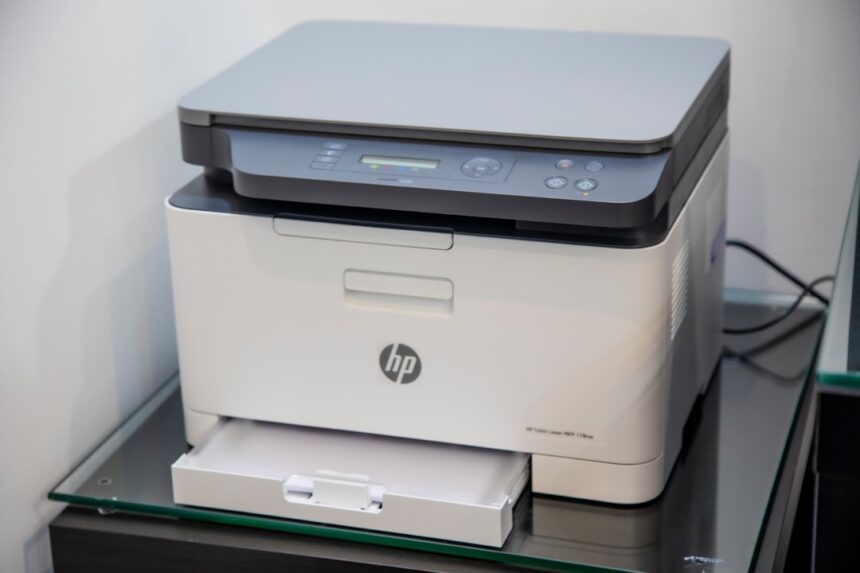
The printer room. To some, it’s just a utilitarian space, a place to grab a document, perhaps a forgotten coffee mug left carelessly on a shelf. But for me, it’s a hub of information, a silent witness to a constant flow of data. My role, alongside the humming machines and the scent of toner, involves overseeing the operational integrity and, crucially, the traceability of every print job that passes through. This isn’t about the aesthetic quality of the printouts, or the speed at which they emerge. This is about the data, the invisible trails left behind, and how we meticulously track them. The Syslog job ID is my primary tool in this endeavor.
The Syslog job ID, at its core, is an identifier. It’s a unique string universally assigned to each distinct printing operation. Think of it as a digital fingerprint for every document sent to the queue. While it might appear as a seemingly arbitrary sequence of characters to the uninitiated, within the realm of system administration and security, it’s a critical piece of metadata. This ID is generated by the print spooler, the software responsible for managing print jobs, and is then logged by the system. Without this identifier, the entire process of tracking and auditing would be significantly more challenging, if not impossible.
The Genesis of the Job ID
When a user initiates a print command from their workstation, the data doesn’t go directly to the printer. Instead, it’s intercepted by the print spooler, a background service that acts as an intermediary. It’s at this exact moment, before any physical printing truly begins, that the Syslog job ID is created. This ID is paramount because it’s the anchor point for all subsequent logging related to that specific job. It’s timestamped, associated with the user who sent the job, the document itself (or at least its filename), and the specific printer it was directed to. This initial generation is a foundational step that sets the stage for everything that follows.
The Structure and Meaning of the ID
The exact format of a Syslog job ID can vary slightly depending on the operating system and the specific print spooler software in use. However, generally, it’s designed to be unambiguous. It might include alphanumeric characters, hyphens, or other symbols to ensure uniqueness. For example, a common format might be something like job-12345-servername or PRNPRT_XYZ001. The inclusion of the server name, for instance, is a simple but effective way to locate the originating system where the spooler is running, especially in larger, more complex network environments. Understanding this structure allows for quicker parsing and analysis of log data.
Variability Across Platforms
It’s crucial to acknowledge that the Syslog job ID is not a monolithic entity. Its implementation and the information it carries can differ based on the platform. For Windows, the Print Service logs provide detailed information. In Linux environments, packages like CUPS (Common UNIX Printing System) have their own mechanisms for generating and logging job IDs. Mac OS X, with its CUPS-based system, also follows a similar pattern. This platform variability means that my approach to Syslog analysis needs to be adaptable, requiring knowledge of the specific logging conventions of each system I manage.
In the context of managing printer room syslog job IDs, it is essential to understand how logging can enhance troubleshooting and operational efficiency. A related article that delves into the intricacies of syslog management and its implications for printer operations can be found at this link. This resource provides valuable insights into best practices for monitoring and analyzing syslog data, which can be crucial for maintaining optimal printer performance and resolving issues swiftly.
The Power of Syslog in Print Job Auditing
Syslog, as a protocol, is designed for the centralized logging of system messages. When it comes to print jobs, its role is to capture and consolidate the essential details generated by the print spooler, including the Syslog job ID. This centralized logging is indispensable for effective auditing, allowing me to reconstruct the lifecycle of any given print job. Without Syslog, the scattered nature of individual machine logs would make comprehensive tracking a logistical nightmare.
Centralized Log Collection
The core benefit of syslog in this context is its ability to aggregate logs from multiple print servers and client machines into a single, manageable location. This means I don’t have to log into dozens, or even hundreds, of individual machines to check print logs. Instead, all the relevant information flows into a central syslog server. This significantly streamlines the process of review and analysis. Imagine trying to find a specific print job by manually sifting through logs on 50 different computers; it’s an inefficient and error-prone undertaking.
Essential Logged Information
Beyond just the Syslog job ID itself, a comprehensive syslog entry for a print job typically includes a wealth of critical details. This includes the timestamp of the event (job submission, cancellation, completion, error), the username of the individual who initiated the job, the name of the document being printed, the target printer, the page count, and the status of the job (e.g., pending, printing, completed, failed). This rich dataset, all linked by the ubiquitous Syslog job ID, forms the backbone of my auditing capabilities.
Event Types and Their Significance
Syslog captures various events related to a print job. Understanding these different event types is key to interpreting the log data effectively. There are submission events, which mark the initial entry of a job into the print queue. There are processing events, indicating the spooler is working on the job. Completion events signify that the job has been successfully sent to the printer. And crucially, there are error events, which signal that something has gone wrong, providing valuable clues for troubleshooting. Each of these event types, tied to the Syslog job ID, paints a picture of the job’s journey.
Security Implications of Detailed Logging
From a security perspective, granular logging is paramount. It allows me to detect unauthorized printing, identify potential data leaks through printouts, and investigate security incidents. If a sensitive document is printed without proper authorization, the Syslog job ID is the thread that leads me back to the perpetrator, the time of the printing, and the specific document. This level of accountability is a powerful deterrent and an essential component of a robust security posture.
Tracking Print Jobs Using the Syslog Job ID: A Practical Approach

Applying the Syslog job ID for tracking isn’t a theoretical exercise; it’s a daily operational necessity. It involves a systematic approach to querying and analyzing the logged data. This process can range from simple searches for specific job IDs to more complex analyses for trending or anomaly detection. My day-to-day work is often structured around these activities, ensuring that print operations are not only functional but also transparent.
Initiating a Search with a Specific Job ID
The most straightforward use case is when I have a specific Syslog job ID in hand. Perhaps a user reports an issue with a particular print job, or I’m investigating a known problem. In such instances, I can directly query my syslog server, filtering for all log entries associated with that unique ID. This quickly brings up a chronological record of all events pertaining to that job, allowing me to pinpoint where, when, and why any issues occurred. This rapid retrieval of information is a significant time-saver.
Searching by User and Timeframe
Often, I might not have a specific job ID, but rather a general query. For example, “What did John Doe print yesterday between 2 PM and 4 PM?” or “Which jobs were sent to the main conference room printer this morning?” In these scenarios, I can leverage the other metadata within the syslog entries. I can filter by username, printer name, and specific time ranges to narrow down the results. The Syslog job ID still acts as the unifying factor, ensuring that all retrieved entries are indeed related to printing activities within the specified parameters.
Correlating Job IDs with Document Information
While the Syslog job ID itself doesn’t directly contain the document content, it’s linked to other log data that does. The filename is typically recorded alongside the job ID, and in some configurations, even more descriptive information about the document might be logged. This allows me to indirectly associate a job ID with the actual document that was printed, which is vital for investigations or for understanding the nature of the printed material.
Identifying Print Job Failures and Errors
One of my primary responsibilities is ensuring a high level of uptime for our printing infrastructure. When jobs fail, the Syslog job ID is invaluable for diagnosis. I can search for entries containing error messages or status codes associated with a particular job ID. This allows me to quickly understand the nature of the failure – was it a driver issue, a network problem, a toner error, or something else? This targeted approach minimizes downtime and ensures a quick resolution.
Systemic Analysis and Troubleshooting Using Syslog Data
Beyond individual job tracking, the Syslog job ID plays a crucial role in broader systemic analysis and troubleshooting. By examining patterns and trends in the logged data, I can identify recurring issues, optimize print server configurations, and proactively address potential problems before they impact a significant number of users. This shift from reactive problem-solving to proactive maintenance is a key benefit of robust logging.
Detecting Recurring Print Failures
If I notice multiple print jobs failing with similar error messages or for the same printer, I can use the Syslog job ID to identify these patterns. By aggregating and analyzing the logs, I can see if a specific printer is consistently malfunctioning, if a particular user is experiencing repeated issues, or if there’s a problem with a specific document type being sent to the printer. This data-driven approach allows me to address the root cause rather than just fixing individual incidents.
Performance Bottleneck Identification
The timestamps associated with Syslog job IDs can be used to analyze print queue performance. I can measure the time it takes for jobs to move from submission to completion. If there’s a significant and consistent increase in this time, it could indicate a bottleneck in the print server, network congestion, or an overloaded printer. By analyzing job IDs and their associated timings, I can pinpoint where the delays are occurring and implement corrective actions.
Capacity Planning and Resource Management
Understanding the volume of print jobs, the types of documents being printed, and the peak usage times can be extrapolated from the Syslog job ID data. This information is vital for effective capacity planning. If I see a consistent surge in print activity during certain hours, I might need to ensure that print servers are adequately resourced or consider rolling out additional printers in high-demand areas. This proactive approach prevents future performance issues and ensures a smooth user experience.
Security Log Analysis and Incident Response
In the event of a security concern, the Syslog job ID is a cornerstone of my investigation. If an unauthorized party attempts to access or misuse the printing system, the logs provide an auditable trail. I can trace the origin of suspicious print requests, identify the user accounts involved, and determine the exact documents that were accessed or printed. This detailed forensic capability is essential for maintaining a secure IT environment.
In the context of managing printer room syslog job ID evidence, understanding the intricacies of log management can be quite beneficial. A related article that delves deeper into this topic can be found here. This resource provides valuable insights into best practices for handling syslog data, ensuring that organizations can effectively track and analyze their printing activities.
Best Practices for Managing Printer Room Syslog Data
| Job ID | Timestamp | Event Type | Description |
|---|---|---|---|
| 12345 | 2022-01-01 08:00:00 | Error | Printer jammed |
| 12346 | 2022-01-02 10:30:00 | Success | Printed 100 pages |
| 12347 | 2022-01-03 12:00:00 | Warning | Low toner |
Effective management of Syslog data generated by the printer room is not a set-it-and-forget-it task. It requires consistent attention to detail, adherence to best practices, and a commitment to maintaining the integrity and accessibility of the logs. This ensures that the data remains a valuable resource for auditing, security, and troubleshooting.
Regular Log Review and Maintenance
My responsibilities don’t end with collecting the logs. Regular review of the Syslog data is essential. This involves scanning for anomalies, unexpected error patterns, and any unusual activity. I also need to ensure that log retention policies are being followed correctly, archiving or purging older logs as necessary to manage storage space while still complying with any regulatory requirements.
Establishing Clear Log Retention Policies
Determining how long Syslog data should be retained is a critical decision. This policy needs to balance the need for historical data with storage limitations and compliance obligations. For example, financial regulations might mandate longer retention periods for certain types of data. My role involves working with IT management and compliance officers to establish and enforce these policies effectively.
Securing the Syslog Server
The Syslog server itself is a critical piece of infrastructure. It must be secured to prevent unauthorized access or tampering with the log data. This includes implementing strong access controls, regular security patching, and potentially encrypting the log data at rest or in transit, especially if it contains sensitive information. The integrity of the logs is paramount; if they can be altered, their value is significantly diminished.
Implementing Alerting and Monitoring
To proactively identify issues, I implement alerting and monitoring systems that scan the Syslog data for specific keywords or patterns. For example, I might set up alerts for consecutive print job failures, unusual printing volumes, or attempts to print sensitive document types. This allows me to be notified of potential problems immediately, enabling a rapid response. These alerts are my early warning system, keeping me informed of the printer room’s status.
Training and Documentation
My understanding of the Syslog job ID and its application isn’t exclusive to me. I also ensure that relevant IT personnel are aware of its importance and how it can be used. This includes creating documentation on how to query logs, interpret common error messages, and escalate issues. Proper documentation and training ensure that knowledge is shared and that the system remains robust even with personnel changes. The Syslog job ID is a shared language for understanding print operations.
FAQs
What is a printer room syslog job id evidence?
Printer room syslog job id evidence refers to the data recorded in the syslog of a printer room system that contains information about print jobs, including job IDs. This evidence can be used to track and monitor print activities in a printer room.
Why is printer room syslog job id evidence important?
Printer room syslog job id evidence is important for monitoring and auditing print activities in a printer room. It can provide valuable information about who initiated print jobs, when they were printed, and other relevant details that can be used for troubleshooting, security, and compliance purposes.
How can printer room syslog job id evidence be used in a forensic investigation?
Printer room syslog job id evidence can be used in a forensic investigation to reconstruct print activities, identify potential security breaches or unauthorized access, and establish a timeline of events. This evidence can help investigators gather information about print jobs and potentially link them to specific users or devices.
What are the best practices for collecting and preserving printer room syslog job id evidence?
Best practices for collecting and preserving printer room syslog job id evidence include ensuring that the syslog is properly configured to capture relevant information, regularly backing up syslog data, and using secure methods for storing and preserving the evidence to maintain its integrity and admissibility in legal proceedings.
Are there any legal or regulatory considerations related to printer room syslog job id evidence?
Depending on the jurisdiction and industry, there may be legal or regulatory considerations related to the collection, storage, and use of printer room syslog job id evidence. Organizations should be aware of any applicable laws or regulations governing data privacy, security, and retention, and ensure compliance when handling this type of evidence.