
It isn’t often that I find myself in a position to tell a story where I am both the narrator and the subject, but that is precisely the situation I find myself in today. My life, from my earliest memories, has been shaped by a reality that most people can only encounter in the pages of medical textbooks or hushed conversations within hospital walls. I speak, of course, of my rare genetic mutation, a twist of fate that has woven itself into the very fabric of my being. This is not a tale of triumph or a saccharine narrative of overcoming insurmountable odds. It is, instead, a blood story, a testament to the intricate, often challenging, and profoundly personal journey of living with a genetic anomaly.
From the moment I was born, subtle signs suggested that something was not quite typical. My parents, observant and concerned, noticed a fragility that seemed to cling to me. I wasn’t a robust infant, prone to the usual minor ailments that plague newborns. Instead, my health seemed a more delicate balancing act. This initial perception, a gentle hum of unease, would gradually amplify into a more distinct melody of medical investigation.
Early Indicators and Parental Concern
My earliest memories are tinged with the sterile scent of hospitals and the hushed tones of doctors speaking in hushed whispers. It wasn’t the boisterous, carefree childhood one might associate with my age. Instead, my days were punctuated by check-ups, blood draws, and the constant, undercurrent of anxiety that seemed to permeate my environment. My parents, bless them, were my fiercest advocates. They meticulously documented every symptom, every concern, and tirelessly sought answers. They navigated the labyrinthine healthcare system with a determination that still astounds me. I recall the countless hours spent in waiting rooms, surrounded by other families wrestling with their own health battles, a silent camaraderie forming in shared vulnerability.
The Diagnostic Odyssey
The path to diagnosis was not a straightforward one. It was an arduous, often frustrating, odyssey. Doctors, faced with a constellation of symptoms that didn’t neatly fit into established diagnostic boxes, embarked on a process of elimination. Each test, each consultation, felt like a step further into the unknown. There were moments of false hope, times when a potential diagnosis seemed within reach, only to be dashed by further examination. This prolonged uncertainty, this constant state of being “almost,” was perhaps more taxing than any single symptom. It painted a picture of a life perpetually in flux, a life where stability was a luxury not yet attained.
The Elusive Diagnosis
The sheer rarity of my condition meant that it was not an easy puzzle to solve. Many of the experts I encountered had never seen a case like mine. This lack of precedent meant that the standard diagnostic tools, while thorough, were not always equipped to identify the subtle genetic misfire that was defining my existence. I remember the frustration in my parents’ voices, the quiet despair that would creep in after yet another negative test result. It was a testament to their unwavering commitment that they never gave up, that they continued to push for answers, even when the path ahead seemed obscured by the fog of the unknown.
In a fascinating exploration of the implications of rare genetic mutations, a recent article discusses how these anomalies can lead to significant breakthroughs in medical research and treatment options. For instance, the story of a unique blood mutation that provides resistance to certain diseases highlights the potential for developing targeted therapies. To learn more about this intriguing topic, you can read the full article here: Rare Genetic Mutations and Their Impact on Medicine.
Unraveling the Genetic Tapestry
The breakthrough, when it finally arrived, was not a sudden illumination but rather a slow, methodical unraveling. Advanced genetic sequencing became the key, allowing scientists to peer into the very code of my DNA and identify the specific alteration that was at the root of my health challenges. This was a pivotal moment, not in the sense of instant resolution, but in the sense of finally having a name, a framework, for the complexities I had been experiencing.
The Power of Genomics
The advent of genomic sequencing has been a revolution in medicine, and for individuals like me, it has been nothing short of transformative. Before these technologies, my condition might have remained a medical enigma, a collection of symptoms without a clear cause. The ability to analyze my genome provided a tangible explanation, a scientific basis for the unique physiological landscape I inhabited. It was like finally being given the blueprint to my own internal machinery, allowing for a more informed approach to managing my health.
Identifying the Specific Mutation
The process of identifying the specific mutation was intricate. It involved meticulous analysis of my DNA sample, comparing it against vast databases of genetic information. There were moments of intense focus from the geneticists, their faces illuminated by the glow of computer screens as they scrutinized thousands, if not millions, of genetic markers. It was a painstaking endeavor, akin to finding a single misplaced thread in an enormous tapestry. When the particular gene and the precise nucleotide change were identified, it was a quiet moment of profound significance. It wasn’t a dramatic revelation, but a confirmation, a scientifically validated understanding of my unique genetic makeup.
Implications for My Health
Understanding the specific nature of my genetic mutation opened up new avenues for managing my health. It allowed for a more targeted approach to treatment, focusing on addressing the direct consequences of the genetic anomaly rather than treating a broad spectrum of symptoms. This shift from symptomatic management to a more etiologically based approach was a critical turning point, offering a more proactive and potentially more effective way to navigate the challenges ahead.
Living with a Molecular Blueprint
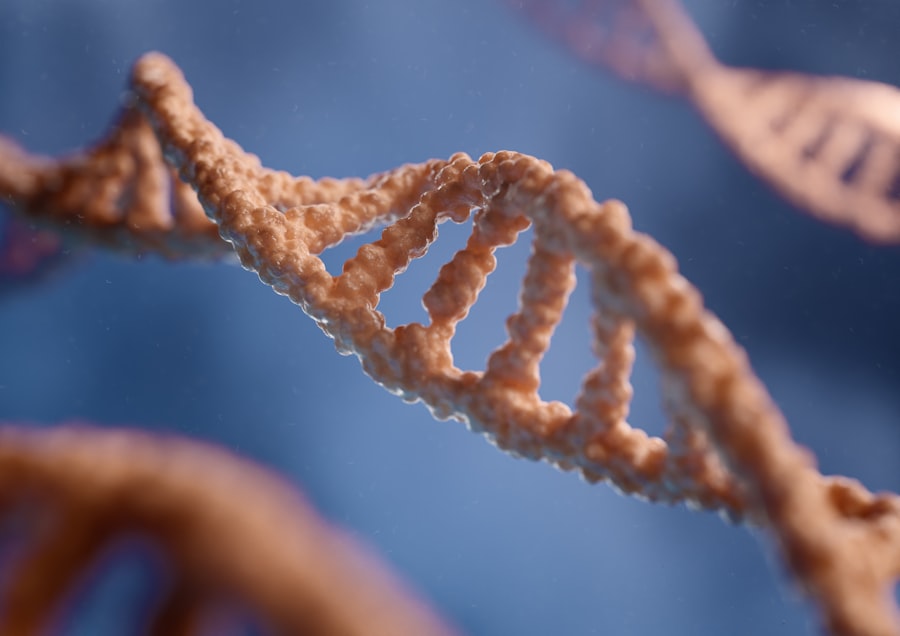
My genetic mutation is not a abstract concept; it is woven into the very operational code of my body. This means understanding my condition is not just about knowing the label, but about comprehending the molecular mechanisms at play and how they manifest in my daily life. It requires a constant engagement with my own biology, a dedication to maintaining a delicate equilibrium.
The Cellular Dance
At a cellular level, my mutation disrupts specific biochemical pathways. This disruption can lead to a cascade of effects, impacting various bodily functions. It’s like a tiny cog in a complex machine is slightly out of place, causing friction and wear in interconnected parts. Understanding which pathways are affected allows me to anticipate potential problems and to take preventative measures. It’s a constant process of learning and adaptation, of fine-tuning my approach to health based on this deeper biological knowledge.
Symptoms and Manifestations
The symptoms I experience are the outward expressions of this internal molecular disarray. They can range from subtle, almost imperceptible changes to more significant challenges that impact my daily routines. Some days are better than others, and understanding the underlying genetic cause helps me to contextualize these fluctuations. It allows me to differentiate between a typical bad day and a day where my condition is particularly active. This awareness empowers me to manage my energy levels, prioritize activities, and communicate my needs more effectively.
The Importance of Monitoring
Regular monitoring is crucial. It allows me to track the progression of my condition, identify and address any emerging issues before they become severe, and to assess the effectiveness of any interventions. This isn’t about hyper-vigilance, but about a calculated and informed approach to maintaining my well-being. It involves regular visits to specialists, a range of diagnostic tests, and a consistent dialogue with my healthcare team. This proactive stance is fundamental to managing a condition that might otherwise exert a more insidious influence.
Navigating the Healthcare Landscape
The journey through the healthcare system with a rare genetic condition is a unique undertaking. It requires not only a deep personal understanding of my own body but also the ability to effectively communicate with medical professionals who may have limited familiarity with my specific circumstances. Building a strong and collaborative relationship with my healthcare team is paramount.
The Value of Specialists
My care is often managed by a team of specialists, each bringing their unique expertise to bear on different aspects of my health. This collaborative approach is essential for comprehensive management. I have learned to be an active participant in these consultations, coming prepared with questions and updates, and actively engaging in discussions about my treatment options. It is a partnership, where my lived experience and their medical knowledge converge.
Challenges of Rarity
The rarity of my condition presents inherent challenges within the healthcare system. Information about effective treatments or management strategies may be scarce, and physicians may require additional education or consultation with experts in the field. This means that I often find myself in the position of educating others, sharing my knowledge and experiences to facilitate better understanding and care. It can be an emotionally draining aspect of managing a rare condition, but it is also a necessary one.
The Role of Research and Advocacy
I have a vested interest in the advancement of research into rare genetic diseases. Continued scientific inquiry is vital for developing new diagnostic tools, novel treatments, and ultimately, for improving the lives of those affected by these conditions. My involvement in advocacy, whether through sharing my story or supporting relevant organizations, is a way of contributing to this vital effort and ensuring that the needs of individuals with rare conditions are not overlooked.
Recent discoveries in the field of genetics have shed light on rare mutations that can significantly impact blood health. A fascinating article discusses how these genetic anomalies can lead to unique blood conditions, providing insights into potential treatments and therapies. For more information on this topic, you can read the full story in this related article, which explores the implications of these rare genetic mutations.
A Life Defined, Not Confined
| Genetic Mutation | Blood Story |
|---|---|
| Gene Mutation Type | Rare |
| Impact on Blood | Significant |
| Incidence Rate | Low |
| Treatment Options | Limited |
My genetic mutation has undoubtedly shaped my life, but it does not define it in its entirety. It is a significant part of my story, a fundamental aspect of my biological reality, but it is not the sole narrative. I have a life that extends far beyond the confines of my genetic blueprint, a life filled with experiences, relationships, and aspirations.
Personal Resilience and Adaptation
The ongoing process of managing a rare genetic condition fosters a unique kind of resilience and adaptability. I have learned to navigate challenges, to find solutions, and to adjust my expectations and plans when necessary. This is not a passive acceptance of limitations, but an active and ongoing process of adaptation and problem-solving. It is about finding ways to thrive within the parameters of my genetic makeup.
The Strength of Support Systems
The unwavering support of my family and friends has been an invaluable source of strength. Their understanding, empathy, and practical assistance have been fundamental to my well-being. Beyond my immediate circle, connecting with other individuals who share similar experiences, whether through support groups or online communities, has provided a sense of belonging and shared understanding that is remarkably powerful.
Future Outlook and Continued Learning
While the future holds its uncertainties, I approach it with a sense of informed optimism. My understanding of my condition continues to evolve, and I remain committed to staying abreast of advancements in research and treatment. The journey is ongoing, a continuous process of learning, adapting, and living as fully as possible. My blood story is far from over; it is a continuing narrative of life, marked by its genetic particularities, but ultimately defined by my own choices and aspirations.
FAQs
What is a rare genetic mutation in blood?
A rare genetic mutation in blood refers to a genetic variation that occurs in the DNA of an individual, leading to abnormal or unusual characteristics in their blood cells. These mutations are uncommon and can result in various blood disorders or diseases.
How does a rare genetic mutation in blood occur?
Rare genetic mutations in blood can occur due to spontaneous changes in the DNA during cell division, exposure to certain environmental factors, or inheritance from one or both parents. These mutations can affect the production, function, or structure of blood cells, leading to health issues.
What are the potential health implications of a rare genetic mutation in blood?
The potential health implications of a rare genetic mutation in blood can vary depending on the specific mutation and its effects on blood cells. Some mutations may lead to conditions such as sickle cell anemia, hemophilia, or various types of leukemia. These conditions can impact the individual’s overall health and may require specialized medical care.
How are rare genetic mutations in blood diagnosed?
Rare genetic mutations in blood are typically diagnosed through genetic testing, which involves analyzing the individual’s DNA to identify any abnormal variations or mutations. Additionally, blood tests and other diagnostic procedures may be used to assess the function and characteristics of the blood cells.
What are the treatment options for rare genetic mutations in blood?
Treatment options for rare genetic mutations in blood depend on the specific mutation and its associated health conditions. Some individuals may require regular blood transfusions, medication to manage symptoms, or bone marrow transplants to replace abnormal blood cells with healthy ones. Additionally, ongoing medical monitoring and supportive care may be necessary to manage the effects of the mutation.