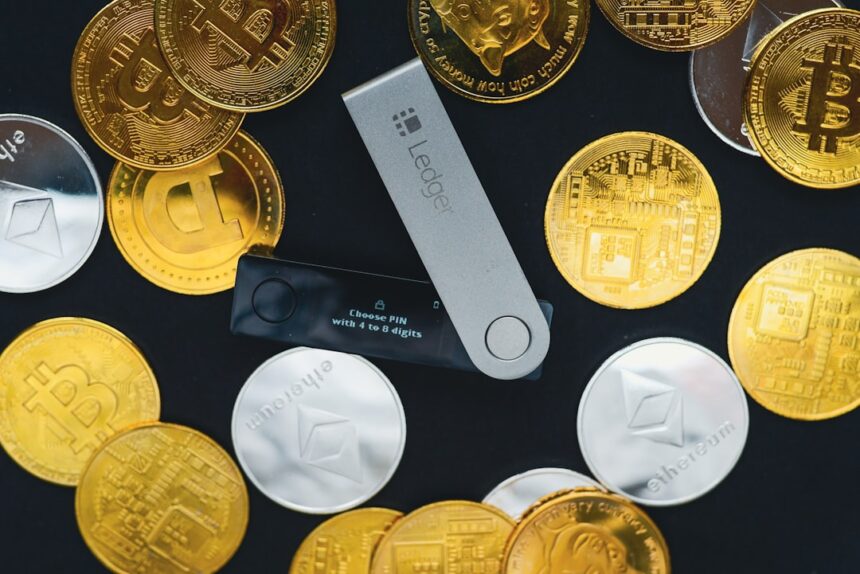
When I first ventured into the world of digital assets, the allure of potential gains was accompanied by a gnawing concern: how do I protect what I’m building for my family? The idea of a family inheritance, once a tangible concept tied to deeds and stocks, was now also represented by a string of code. This realization brought me face-to-face with the critical need for robust security, and in my quest for peace of mind, I discovered the indispensable role of hardware wallets.
The landscape of wealth transfer is undergoing a seismic shift. Traditional assets, while still holding their ground, are increasingly being complemented, and in some cases, supplanted by digital assets. As I’ve spoken with peers and family members, I’ve observed a growing trend of individuals accumulating cryptocurrencies and other digital valuables. This isn’t just about speculative investment; for many, it’s about building a new form of generational wealth, a digital legacy that can transcend borders and traditional financial limitations. However, this novel domain comes with its own unique set of challenges, particularly when it comes to safeguarding these assets for future generations. The very nature of digital information – its impermanence, its susceptibility to digital threats – demands a different approach to security than we might be accustomed to.
The Evolution of Inheritance
For centuries, the concept of inheritance has been rooted in physical possession or legally documented ownership. A house, a plot of land, stocks held in a brokerage account, precious metals – these were assets that could be physically seen, touched, or held by an executor. The legal framework for their transfer was well-established. However, as we move into the 21st century, a significant portion of wealth is becoming intangible, existing solely as digital data. This evolution necessitates a corresponding evolution in our inheritance planning. Ignoring this shift is akin to trying to carry water in a sieve; the very medium of the asset requires a new container for its protection and eventual transfer.
The Growing Importance of Digital Assets in Estates
It’s no longer uncommon to hear about individuals with significant holdings in cryptocurrencies like Bitcoin, Ethereum, or other digital tokens. These assets, often acquired at much lower valuations in their early stages, can represent a substantial portion of an estate. For me, the thought of leaving such assets behind, unprotected and inaccessible to my loved ones, is a significant worry. The potential for loss due to forgotten private keys, insecure storage, or outright theft is a stark reality. Understanding the scope of this emerging challenge is the first step in addressing it effectively.
When considering the best ways to secure a family’s digital assets for future generations, using a hardware wallet can be a prudent choice. A recent article discusses the importance of implementing a hardware wallet as part of a family inheritance plan, emphasizing its role in safeguarding cryptocurrencies and other digital assets from theft or loss. For more insights on this topic, you can read the full article here: Using a Hardware Wallet for Family Inheritance.
Understanding the Threat Landscape: Why Traditional Methods Fall Short
When I first started securing my crypto, my initial instinct was to rely on the same methods I used for my online banking – strong passwords, perhaps a password manager. However, I quickly realized that the stakes were far higher with digital assets. The underlying technology of cryptocurrencies, while revolutionary, also creates vulnerabilities that traditional security frameworks simply aren’t equipped to handle. The abstract nature of digital keys and the global, decentralized nature of blockchain transactions present a unique set of risks that demand a specialized solution.
The Fragility of Online Security
The internet, for all its convenience, is a battlefield. Phishing scams, malware, ransomware, and sophisticated hacking attempts are daily occurrences. When my digital assets are stored on exchanges or in software wallets accessible via my computer or phone, they are inherently exposed to these threats. A compromised computer can be the gateway for thieves to gain access to my digital fortunes. It’s like leaving the vault door of your house wide open, hoping that no one notices the treasure inside. The constant evolution of cyber threats means that even seemingly secure online practices can become obsolete overnight.
Private Keys: The Crown Jewels of Digital Assets
At the heart of every cryptocurrency is its private key. This is not merely a password; it is the sole determinant of ownership. Anyone possessing your private key has absolute control over your digital assets. Losing this key is equivalent to permanently misplacing the deed to your most valuable property, with no recourse for recovery. Storing private keys online, whether on personal devices or through third-party services, introduces a point of failure that can be exploited. This is where the analogy of a physical safe becomes particularly relevant; you wouldn’t store the key to your bank vault in a public place.
The Risks of Exchange-Based Wallets
Many individuals begin their cryptocurrency journey by storing their assets on exchanges. This is often presented as the most convenient option, allowing for easy trading and management. However, I learned that relying solely on exchanges is akin to entrusting your entire life savings to a single bank. While reputable exchanges employ security measures, they are still centralized targets for hackers. A successful breach of an exchange can result in the loss of assets for all its users. Furthermore, exchanges can freeze accounts, impose withdrawal limits, or even go out of business, leaving customers stranded. This lack of individual control is a significant drawback when considering long-term family inheritance.
Hardware Wallets: The Digital Fortress

My exploration into secure digital asset management led me to hardware wallets. These small, physical devices are specifically designed to store your private keys offline, in what is known as “cold storage.” This fundamental difference in their operation is what elevates them above software wallets and exchange-based solutions. Think of it as moving your most valuable collection of rare stamps from a display case in your living room to a climate-controlled, underground vault. The security is on an entirely different level.
Offline Storage: The Key to Cold Storage
The core principle of a hardware wallet is its ability to keep your private keys completely disconnected from the internet. When you transact with your crypto, the transaction is signed on the device itself, and only the signed transaction is broadcast to the blockchain. Your private keys never leave the secure enclave of the hardware wallet. This is crucial because it makes your assets invulnerable to online attacks, viruses, and remote hacking attempts. It’s the digital equivalent of burying your treasure on a deserted island, only accessible by you.
The Secure Element and Cryptographic Operations
High-quality hardware wallets incorporate a secure element, a dedicated microchip designed to resist tampering and securely store sensitive information. This chip handles all cryptographic operations, ensuring that your private keys are never exposed to the connected environment, such as your computer or smartphone. This is akin to having a highly trained bodyguard escorting your most valuable asset (the private key) through a crowded marketplace, ensuring it never comes into contact with potential threats.
User Control and Sovereignty
With a hardware wallet, I have complete control over my private keys and, by extension, my digital assets. There is no third party that can freeze my funds, demand verification beyond my own control, or restrict my access. This sovereign control over my wealth is paramount when I think about leaving a legacy. It ensures that my family’s inheritance remains theirs, without intermediaries who could complicate or impede the transfer.
Implementing a Hardware Wallet Strategy for Family Inheritance
Deciding to use a hardware wallet is the first step; effectively integrating it into a comprehensive inheritance plan is the next. This involves more than just buying a device; it requires careful consideration of how your family will access these assets should something happen to you. This process can feel like drawing up a treasure map, ensuring that the right people have the clues to find the buried riches.
Choosing the Right Hardware Wallet
The market offers a variety of hardware wallets, each with its own features and price points. I recommend doing thorough research to find a reputable brand that supports the specific digital assets you hold and offers the level of security you require. Consider factors like ease of use, the number of cryptocurrencies supported, and the manufacturer’s track record in security. It’s like selecting the right tool for a critical job; you wouldn’t use a butter knife to perform surgery.
Popular Hardware Wallet Brands
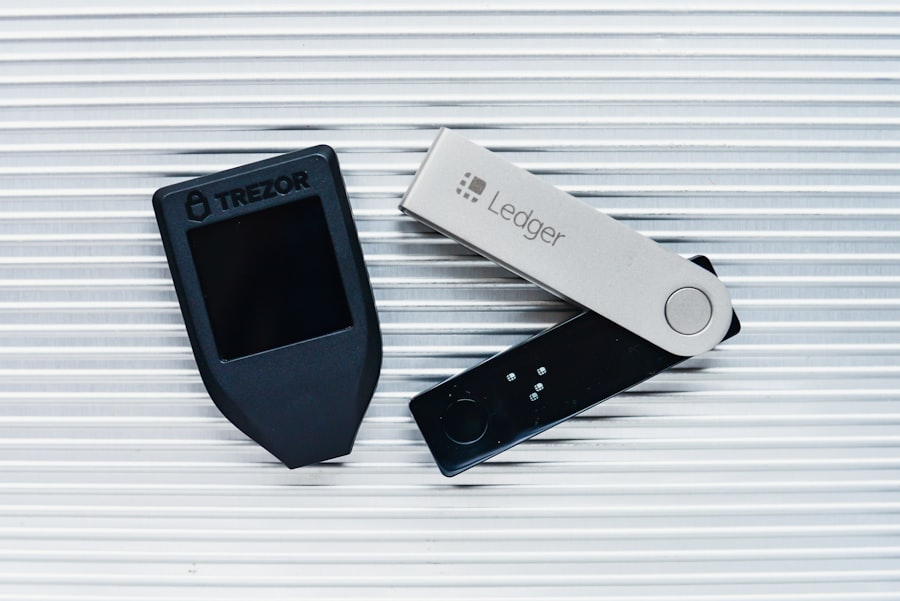
There are several well-established hardware wallet manufacturers, each with their own strengths. Brands like Ledger and Trezor are widely recognized for their robust security features and user-friendly interfaces. It’s important for me to assess my own technical proficiency and the specific needs of my digital asset portfolio when making this choice.
Essential Features to Look For
When evaluating hardware wallets, I look for features such as a secure element chip, robust firmware, multi-currency support, and a strong community and development team behind the product. The ability to recover my wallet using a seed phrase is also a non-negotiable feature, providing a crucial backup mechanism.
Setting Up Your Hardware Wallet: A Practical Guide
The initial setup of a hardware wallet is a critical juncture. It involves generating your private keys and, most importantly, securely recording your recovery seed phrase. This process needs to be approached with meticulous care and attention to detail.
Generating an SDS (Seed Phrase)
During the setup, you will be presented with a recovery seed phrase – typically a sequence of 12 or 24 words. This phrase is the master key to your entire wallet. I cannot overemphasize the importance of this step. It’s like the master key to your kingdom; losing it means losing everything.
The Importance of a Physical Seed Phrase Backup
Storing your seed phrase digitally (e.g., on your computer, in an email, or in a cloud storage service) is an absolute no-go. The safest approach is to write it down physically, on paper, and to do so in a clear, legible manner. Make multiple copies if necessary, but store them in separate, highly secure, and physically protected locations. Think of it as inscribing your lineage on stone tablets rather than ephemeral parchment.
Storing Your Seed Phrase Securely
Diversifying storage locations for your seed phrase is advisable. Consider a fireproof safe, a safety deposit box, or even entrusting a trusted family member with one copy, under strict instructions. The goal is to ensure that even if one location is compromised or inaccessible, the seed phrase can still be retrieved.
Transaction Signing and Interaction with Software
Once your hardware wallet is set up, you’ll interact with it through companion software. This software, often provided by the hardware wallet manufacturer, allows you to view your balances, initiate transactions, and manage your digital assets. However, the actual signing of transactions happens securely on the hardware device itself.
Pairing Your Hardware Wallet with Software
Most hardware wallets can be paired with various software wallets or desktop applications. This allows for a seamless user experience while maintaining the security promise of offline private key storage. It’s like having a secure communication channel between your fortress and the outside world, where sensitive messages are encrypted and decrypted only within the fort.
Securing Your Computer and Device
While the hardware wallet itself is secure, the computer or mobile device you use to interact with it should also be protected. This includes using strong passwords, keeping your operating system and software updated, and being wary of suspicious links or downloads. A chain is only as strong as its weakest link, and your computer is part of the chain.
When considering the best way to secure a family inheritance, using a hardware wallet can be an effective solution for managing digital assets. This approach not only provides enhanced security against online threats but also ensures that your loved ones have access to these assets in the future. For more insights on how to effectively manage digital inheritance, you can read this informative article on family inheritance planning. By understanding the benefits of hardware wallets, families can create a more secure and organized way to pass on their digital wealth.
The Role of Hardware Wallets in Estate Planning
| Metric | Description | Considerations | Example Value |
|---|---|---|---|
| Security Level | Protection against hacking and unauthorized access | Hardware wallets store private keys offline, reducing risk | High |
| Setup Complexity | Ease of initial configuration and use | Requires some technical knowledge; user manuals help | Medium |
| Backup Options | Methods to recover wallet in case of loss or damage | Seed phrases must be securely stored and shared with heirs | Seed phrase (12-24 words) |
| Inheritance Accessibility | How easily heirs can access assets after owner’s passing | Requires clear instructions and secure sharing of recovery info | Dependent on documentation quality |
| Cost | Price of purchasing and maintaining the hardware wallet | One-time purchase; no ongoing fees | 50-200 (currency units) |
| Compatibility | Supported cryptocurrencies and platforms | Check if wallet supports all family assets | Supports 1000+ coins/tokens |
| Physical Durability | Resistance to damage, loss, or theft | Small device; should be stored securely | Moderate to High |
| Legal Considerations | Compliance with inheritance laws and estate planning | May require legal documentation for access transfer | Varies by jurisdiction |
Integrating hardware wallets into estate planning is a proactive measure that can prevent significant complications and potential loss for your heirs. It requires a structured approach that addresses both the technical and the relational aspects of wealth transfer. This is where the meticulous planning of a ship captain preparing for a long voyage comes into play.
Establishing a Clear Succession Plan
The most critical element is to have a clear, documented plan for how your heirs will access your digital assets. This includes not only the location of your hardware wallet(s) and the associated seed phrases but also the instructions on how to use them.
Documenting Access Instructions
Create a detailed document that outlines the steps your executor or designated heirs need to take. This document should include information on the specific hardware wallet model, where it can be found, how to use the companion software, and the location of the recovery seed phrases. I liken this to providing a comprehensive user manual for your digital empire.
The “Will for Digital Assets” Concept
Consider creating a separate document or adding a codicil to your existing will specifically addressing your digital assets. This “will for digital assets” can provide clear instructions and legal authority to your executor for handling these holdings. It ensures that your intentions are legally recognized and actionable.
Designating a Trusted Executor for Digital Assets
It’s often advisable to designate a specific executor or trustee who is tech-savvy and trustworthy to manage your digital assets. This person will be responsible for following your instructions and ensuring a smooth transfer to your beneficiaries. Choose someone who understands both the financial implications and the technological realities.
Storing Your Hardware Wallet and Seed Phrases Logistically
The physical location of your hardware wallet and the secure storage of your seed phrases are paramount. This requires careful consideration of accessibility, security, and the potential for loss. Think of it as not just hiding the treasure but also ensuring that the map to the treasure is accessible and understandable when needed.
Diversified Storage of Hardware Wallets
Depending on the value and quantity of your digital assets, you might consider distributing your hardware wallets across multiple secure locations. This could include securely stored devices in different geographic locations or with trusted individuals, reducing the risk of a single point of failure.
Secure Vaults and Safety Deposit Boxes
For high-value assets, using a fireproof safe at home or a safety deposit box at a bank can be a secure option for storing your hardware wallet and backups of your seed phrases. Ensure that the access to these locations is also well-documented and part of your succession plan.
The Role of Trusted Individuals
In some cases, entrusting a close family member or a legal professional with a backup of your seed phrase or access to a secure storage location can be part of a comprehensive plan. However, this must be done with absolute trust and clear instructions to prevent misuse.
Maintaining Security and Future-Proofing Your Digital Legacy
The world of digital assets is constantly evolving, and as such, maintaining the security of your hardware wallet and your digital legacy requires ongoing vigilance. It’s not a set-it-and-forget-it endeavor; it’s more like tending a garden that needs regular watering and weeding.
Regular Firmware Updates
Hardware wallet manufacturers regularly release firmware updates that patch vulnerabilities and improve security. It is crucial to keep your hardware wallet’s firmware up-to-date. This is akin to performing routine maintenance on a sophisticated piece of machinery to ensure its optimal performance and prevent potential breakdowns.
The Importance of Official Sources
Always download firmware updates directly from the official website of your hardware wallet manufacturer. Beware of any unofficial links or requests for firmware updates through email, as these could be phishing attempts.
Rehearsing Your Succession Plan
Periodically, I find it beneficial to review and even “rehearse” my succession plan with the designated individuals. This ensures that everyone understands their role and that the instructions are clear and up-to-date. It’s like running through fire drills to ensure everyone knows what to do in an emergency.
Test Transactions (with explicit guidance)
With extreme caution and explicit guidance, you might consider conducting small test transactions to familiarize your heirs with the process. This should only be done with very small amounts of cryptocurrency and with the explicit understanding that it is a learning exercise.
Staying Informed About Emerging Threats
The threat landscape is dynamic. As new vulnerabilities and attack vectors emerge, it’s important to stay informed about potential risks and adapt your security practices accordingly. This might involve reading security news from reputable sources or following updates from your hardware wallet provider.
The Evolving Nature of Cryptocurrencies and Security
The blockchain technology and the digital asset ecosystem are constantly being developed. New privacy coins, decentralized finance (DeFi) applications, and emerging tokens present new security considerations that I must remain aware of to ensure the long-term security of my holdings.
By taking a proactive and diligent approach to securing my digital assets with a hardware wallet, I am not merely protecting my current wealth. I am building a more secure and reliable bridge for my family’s future, ensuring that the digital legacy I’m striving to create can be passed down with confidence and security. The peace of mind this brings is, in itself, an invaluable asset.
FAQs
What is a hardware wallet and how does it work?
A hardware wallet is a physical device designed to securely store cryptocurrency private keys offline. It protects digital assets from online hacks by keeping the keys isolated from internet-connected devices. Users connect the hardware wallet to a computer or smartphone only when they need to sign transactions.
Why is using a hardware wallet recommended for managing a family inheritance?
Using a hardware wallet for a family inheritance ensures that the digital assets are stored securely and reduces the risk of theft or loss due to hacking. It also allows for controlled access, as the private keys are kept offline and can be shared or passed on to heirs in a secure manner.
How can a family ensure heirs have access to a hardware wallet inheritance?
Families can create a clear inheritance plan that includes instructions on how to access the hardware wallet, such as sharing recovery seed phrases or passcodes with trusted individuals or storing them in a secure location like a safe deposit box. Legal documents like wills can specify how and when heirs should gain access.
What precautions should be taken when passing on a hardware wallet to heirs?
Precautions include securely storing the recovery seed phrase separately from the hardware wallet, educating heirs on how to use the device, and ensuring that the inheritance plan complies with legal requirements. It is also important to keep the hardware wallet firmware updated and to avoid sharing sensitive information over unsecured channels.
Can a hardware wallet be used to store multiple types of cryptocurrencies for inheritance purposes?
Yes, many hardware wallets support multiple cryptocurrencies, allowing families to store various digital assets in one device. This simplifies inheritance management by consolidating assets, but it is important to verify that the specific hardware wallet supports all the cryptocurrencies involved.