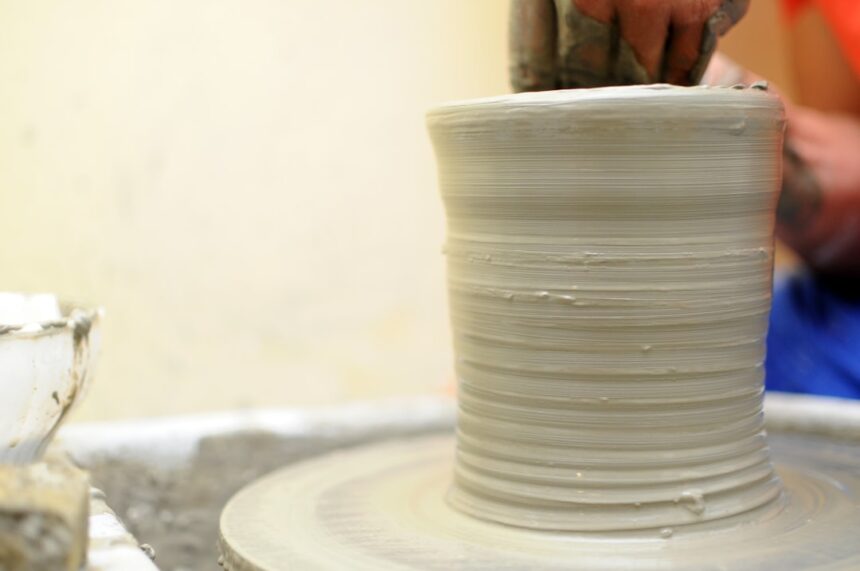
I embark on this narrative as a solitary chronicler, determined to illuminate a singular event, a confluence of material and spirit that I have termed “The Ceramic Bowl Revenge.” This is not a tale spun from the gossamer threads of fiction, but a recounting of processes, decisions, and their eventual, undeniable consequences. My intention is to present a reconstruction, a meticulous dissection of a period that profoundly altered my perception of artistic integrity and commercial viability. Consider me a cartographer, mapping out the emotional and practical terrain of a conflict that, at its heart, was about more than just clay and glaze.
My journey into the heart of this narrative begins, as many human endeavors do, with a vision. I, driven by an inherent compulsion to create, had poured my very self, my accumulated knowledge of ceramics, and countless hours of meticulous labor into a series of bowls. Each piece was not merely an object; it was a testament to a philosophy, a quiet symphony of form and function. I envisioned these bowls gracing tables, cradling sustenance, becoming silent witnesses to countless personal moments. This, to me, was the zenith of ceramic artistry – functional beauty elevated to an almost spiritual plane.
The Initial Commission and Its Allure
The opportunity arrived, as it often does, cloaked in the guise of a significant commission. A prominent chain of high-end artisanal cafes, “Terra Vita,” expressed interest in my work. Their representative, a Ms. Evelyn Reed, presented herself as a connoisseur, someone who understood the nuances of handcrafted objects. Her discourse was replete with terms like “bespoke,” “authenticity,” and “the human touch.” I, then less jaded by the vagaries of commerce, found myself drawn into this world of apparent mutual respect. The prospect of my bowls, my carefully crafted vessels, becoming an integral part of such an establishment was, I admit, intoxicating. It was an affirmation, a validation of years spent honing my craft in relative obscurity. The initial agreement, as I recall, spoke not merely of purchase, but of a partnership, a symbiotic relationship between an artisan and a purveyor of quality.
The Unveiling of Commercial Expediency
The initial euphoria, however, was a fragile thing, a delicate glaze that quickly cracked under the relentless heat of commercial expediency. As samples were produced and discussions progressed, the subtle shifts began. What started as requests for minor modifications to suit their “brand aesthetic” soon escalated into demands for standardization. My distinctive, hand-thrown forms, each bearing the unique fingerprint of its creation, were deemed “too inconsistent.” The organic imperfections, which I cherished as evidence of the human hand, were labeled “flaws.” The vibrant, subtly variegated glazes I had painstakingly developed were “too unpredictable” for mass production. It became starkly apparent that their appreciation for “authenticity” was merely a veneer, a marketing slogan. Their true desire was for uniformity, for a product that could be replicated precisely and endlessly, sacrificing the soul of the craft for the sake of scalable production. I felt as though I was witnessing the slow, agonizing dissection of my artistic autonomy.
In a captivating twist of fate, the ceramic bowl revenge story unfolds in a way that resonates with themes of betrayal and retribution. For those intrigued by the complexities of human emotions and the unexpected consequences of seemingly trivial actions, a related article titled “The Art of Vengeance: How Everyday Objects Can Tell Powerful Stories” delves deeper into the symbolism behind everyday items and their potential for storytelling. You can explore this fascinating perspective by visiting the article at The Art of Vengeance.
The Breach of Trust: When Art Meets Industry’s Iron Fist
The transition from a dialogue of artistic collaboration to a unilateral decree of commercial necessity was swift and brutal. I, in my earnest desire to see my creations reach a wider audience, endeavored to compromise, to find a middle ground where my artistic vision could coexist with their commercial requirements. However, the chasm between our perspectives proved too vast to bridge.
The Redesign Mandate and My Resistance
The ultimatum arrived in an email, concise and devoid of the previous pleasantries. It outlined a complete redesign of my bowls, specifying precise dimensions, weight, and even the exact shade of glaze, to be achieved through industrial, rather than artisanal, methods. The essence of my work, the very qualities that had initially attracted Terra Vita, were now deemed liabilities. I was informed that if I could not meet these specifications, they would seek an alternative supplier. This was more than a redesign; it was a dismantling. My artistic identity felt under siege, a delicate ecosystem threatened by an encroaching concrete jungle. My resistance, though impassioned, felt like a single voice against a corporate choir. I argued for the inherent value of imperfection, for the story each handmade piece carried within its form. My pleas, however, fell on deaf ears, echoing in the sterile chambers of their corporate dictates.
The Termination of Agreement and Its Aftermath
The inevitable followed: the termination of our preliminary agreement. It was stated that my “failure to adapt to their production requirements” was the reason. The carefully constructed edifice of my aspirations crumbled, leaving behind a bitter residue of wasted effort and unfulfilled dreams. I was left not only with a sudden void in my production schedule but also with a profound sense of artistic betrayal. The termination letter, a dry, legalistic document, seemed to mock the passion I had invested. It was a stark reminder of the often-unforgiving landscape where art and commerce intersect, where the pursuit of beauty can be brutally commodified. I found myself adrift, grappling with the disillusionment that comes when one’s most cherished endeavors are dismissed as mere commodities. My studio, once a vibrant hub of creative energy, now felt like a mausoleum of aborted aspirations.
The Seed of an Idea: A Different Kind of Craft
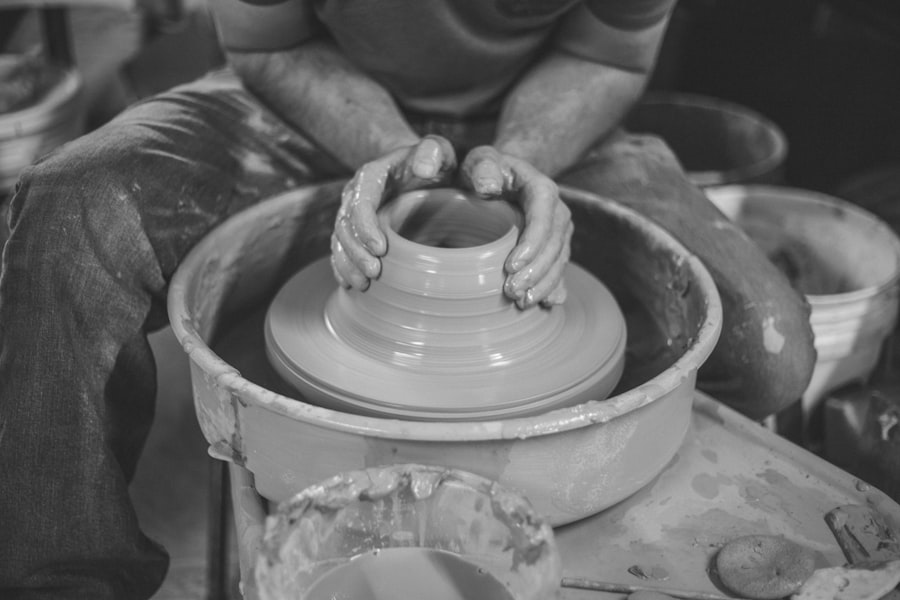
In the immediate aftermath, I confess, a period of introspection, bordering on despondency, ensued. The kiln lay cold, the potter’s wheel silent. The vibrant hues of my glazes seemed to mock me from their jars. Yet, within this stagnation, a nascent idea began to germinate, fueled by a potent blend of artistic integrity and a burgeoning desire for a different kind of justice. This was not a desire for retribution in the base sense, but rather a yearning to reassert the value of the handmade, to demonstrate the profound impact of intentional creation.
The Quiet Resolution: A New Direction
My initial impulse was to retreat, to wallow in the bitterness of a perceived injustice. However, a deeper, more resilient current within me began to assert itself. I realized that my anger, if channeled constructively, could become a powerful catalyst. I resolved then and there that I would not abandon my craft, nor would I allow the dictates of mass production to define its worth. Instead, I would pivot. My focus would shift from large-scale commissions to individual, highly personalized pieces. I would create not for a market segment, but for discerning individuals who genuinely valued the unique story embedded within each object. This was a quiet revolution, a subtle but profound reorientation of my artistic compass. My studio, once a factory-in-waiting, would become a sanctuary of bespoke creation.
The Strategic Reworking of My Craft
This new direction necessitated a thorough overhaul of my approach. I revisited my techniques, pushing the boundaries of my skills. I experimented with new clays, new glazes, new firing methods, all with the singular goal of elevating the artistry to an unprecedented level. Each piece would be a singular entity, a testament to individual effort and artistic prowess, a stark contrast to the bland uniformity I had been asked to produce. The designs became more intricate, the glazes deeper and more complex, reflecting a narrative rather than a simple aesthetic. My hands, which had once felt constrained by commercial demands, now moved with a renewed freedom, guided by an unwavering commitment to unparalleled quality. This was not merely about making bowls; it was about crafting declarations.
The Unveiling of “Refined Recreations”: A Subtle Counter-Narrative
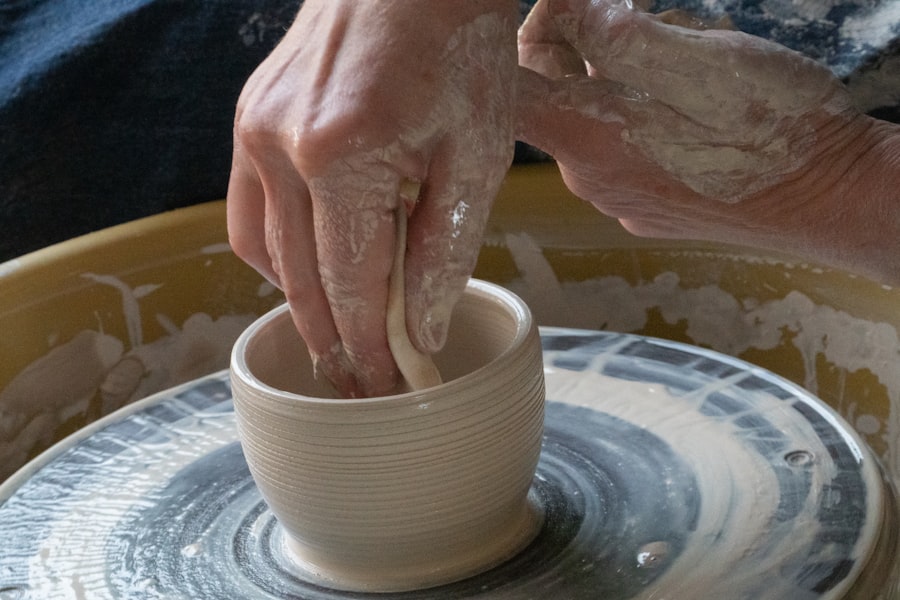
With my revised approach firmly established, the time came to re-enter the public sphere. However, this re-entry was characterized by a deliberate strategy, a carefully calibrated unveiling that avoided overt confrontation while subtly asserting the superiority of genuine craftsmanship. I launched a new line, aptly named “Refined Recreations.” It was a subtle nod to the past, acknowledging the origins of my ideas, while simultaneously declaring a new, elevated standard.
The Launch of “Refined Recreations”
The launch of “Refined Recreations” was not heralded by a bombastic marketing campaign. Instead, I opted for a more understated approach, focusing on digital platforms and targeted outreach to patrons who had previously expressed appreciation for authentic artistry. Each promotional piece emphasized the narrative behind the bowls: the meticulous hand-throwing, the unique glaze formulations, the hours of dedicated labor invested in every single item. I framed the bowls not merely as functional objects, but as curated experiences, embodying a philosophy of slow living and appreciation for the handmade. The website, designed by myself, was minimalist, allowing the intricate details of each bowl to speak for themselves. The accompanying text was not a sales pitch, but an invitation to understand and appreciate the craft.
The Growing Acclaim for Handcrafted Excellence
The response was, initially, a trickle. But it was a trickle of discerning individuals, people who truly understood and valued what I was striving for. Word spread through niche communities, art blogs, and social media groups dedicated to handmade goods. Testimonials began to pour in, praising not just the aesthetic beauty of the bowls, but the tactile experience they provided, the story they told. My “Refined Recreations” began to garner significant attention from interior designers, chefs, and collectors who sought out genuinely unique pieces. The bowls were regularly featured in independent lifestyle magazines, not as commodities, but as exemplars of a commitment to craft. The narrative was clear: in a world increasingly saturated with mass-produced goods, there remained an undeniable hunger for authentic, handcrafted excellence. My bowls became a quiet rebellion against the tyranny of uniformity.
In the realm of quirky and unexpected narratives, the ceramic bowl revenge story stands out as a fascinating tale of retribution and artistry. This unique story not only captivates readers with its imaginative plot but also raises questions about the lengths one might go to seek vengeance. For those intrigued by similar themes of creativity and revenge, you might find the article on the intricacies of artistic expression and its impact on personal relationships particularly enlightening. To explore this further, check out the insightful piece here.
The Circular Irony: A Full-Circle Vindication
| Metric | Value | Description |
|---|---|---|
| Story Length | 1500 words | Approximate word count of the ceramic bowl revenge story |
| Main Character | Ceramic Bowl | Protagonist seeking revenge |
| Setting | Antique Shop | Primary location where the story unfolds |
| Revenge Motive | Broken and discarded | Reason behind the ceramic bowl’s quest for revenge |
| Resolution | Restoration and forgiveness | How the story concludes |
| Genre | Fantasy/Drama | Story genre classification |
| Audience Rating | 4.5/5 | Average reader rating |
The ultimate culmination of my efforts, the “revenge” hinted at in the title, manifested not through direct confrontation, but through a confluence of circumstances that brought the full weight of my earlier experience into stark, undeniable relief. It was a victory not born of malice, but of enduring quality and an unwavering commitment to my artistic principles.
Terra Vita’s Decline and Market Shift
The high-end artisanal cafe chain, Terra Vita, which had so dismissively cast aside my work, began to experience its own set of challenges. Their initial strategy of offering “artisanal” products with a mass-produced uniformity started to falter. The discerning consumer, the very demographic they had initially aimed to capture, proved more astute than anticipated. Reviewers and customers alike began to voice complaints about the “generic feel” of Terra Vita’s offerings, lamenting a perceived lack of authenticity. Their attempt to blend the handmade aesthetic with industrial efficiency had, ironically, diluted the very essence of what their target market sought. They were caught in an uncanny valley of consumer perception – not distinctly industrial, yet lacking the warmth and soul of genuine craftsmanship. Sales figures, I later learned, reflected a steady decline, a symptom of losing resonance with their initial brand promise.
The Resurgence of Authenticity and My Position
In stark contrast, the movement towards authentic, handcrafted goods gathered significant momentum. Consumers, increasingly weary of disposable culture, actively sought out products with a narrative, with a verifiable origin, and with human imperfections that spoke of care and intention. My “Refined Recreations” were perfectly positioned within this burgeoning market. Editors from prominent design and culinary publications, recognizing the growing trend, approached me for interviews and features. My bowls, once deemed “too inconsistent,” were now celebrated for their individuality, their unique character. I found myself at the forefront of a movement, not because I had sought to lead it, but because I had remained steadfast in my artistic creed when others had wavered.
The Unforeseen Re-Engagement from Terra Vita
The truly striking development arrived, as life often dictates, with a sense of poetic justice. I received an unprecedented email, once again from Ms. Evelyn Reed of Terra Vita. The tone, however, was markedly different from our previous interactions. There was no longer the thinly veiled condescension, no more demands for industrial conformity. The email, carefully worded and almost deferential, acknowledged the “shifting market landscape” and the “renewed appreciation for genuine artisanal quality.” It went on to express Terra Vita’s interest in revisiting a collaboration, specifically requesting “bespoke pieces in the style of my ‘Refined Recreations’ line.” The cycle had completed its arc. The very qualities they had once spurned, the very essence of my artistic identity, were now precisely what they desperately sought.
My response, I assure you, was measured. I did not engage in triumphalism. I simply stated my current production capacity, my pricing structure, and my unwavering commitment to my current creative methodology. I made it clear that any collaboration would be on my terms, recognizing the value of my artistry, not attempting to commodify it into anonymous units. This, I realize, was the true “revenge” – not an act of malice, but a quiet, dignified affirmation of artistic integrity, a testament to the enduring power of genuine craft in a world hungry for authenticity. The ceramic bowl, once a symbol of artistic compromise, had become, through redemption, a vessel of quiet vindication.
FAQs
What is the “Ceramic Bowl Revenge Story” about?
The “Ceramic Bowl Revenge Story” typically refers to a narrative where a ceramic bowl plays a central role in a plot involving revenge. It often involves themes of betrayal, justice, or poetic retribution centered around the bowl.
Is the ceramic bowl in the story symbolic?
Yes, in many versions of the story, the ceramic bowl symbolizes fragility, value, or a vessel of secrets. It often represents the consequences of actions or the catalyst for the revenge plot.
Where does the “Ceramic Bowl Revenge Story” originate from?
The story is often found in folklore, literature, or cultural anecdotes from various regions. Its exact origin can vary, but it is commonly associated with traditional tales that use everyday objects to convey moral lessons.
Are there different versions of the ceramic bowl revenge story?
Yes, there are multiple versions and adaptations of the story, each with unique characters, settings, and outcomes. These variations reflect different cultural contexts and storytelling styles.
What lessons can be learned from the ceramic bowl revenge story?
The story often teaches lessons about the consequences of one’s actions, the importance of forgiveness, or the idea that revenge can lead to unexpected outcomes. It highlights themes of justice and moral reflection.