
The hum of a child’s laughter, once a melody, can now be a crucial soundtrack in the pursuit of justice. I’ve always seen toys as tangible connections to memory, vibrant vessels carrying echoes of playtime and childhood innocence. But lately, I’ve come to understand that these seemingly simple objects are becoming powerful informants, their digital hearts beating with secrets that can untangle the most complex criminal cases. This realization has propelled me, and many others in the forensic community, into a new frontier: unlocking clues from smart toys.
Like digital detectives, we’re wading into a growing ocean of interconnected devices, and the humble toy is no longer just a plaything. It’s a witness, a silent observer, and sometimes, the key that unlocks a locked narrative. The proliferation of the Internet of Things (IoT) has transformed everyday objects, and with them, the landscape of forensic investigation.
The days of dusting for fingerprints and analyzing DNA alone are far from over, but they represent a single facet of a much larger, more intricate puzzle. Today, the forensic investigator’s toolkit has expanded to include the analysis of digital footprints, and smart toys are an increasingly prominent part of that ecosystem.
Beyond the Toy Box: What Constitutes a “Smart Toy”?
When we talk about “smart toys,” we’re not just referring to battery-powered action figures that make noise. The term encompasses a broad spectrum of internet-connected, data-collecting devices designed for children. These can range from simple electronic plush animals that respond to touch to sophisticated educational robots capable of complex interactions. The defining characteristic is their ability to collect, store, and often transmit data, either locally or through cloud-based services.
The Data Treasure Trove: Types of Information Stored
The types of data that can be gleaned from a smart toy are surprisingly diverse and often invaluable. These devices act as miniature data recorders, capturing a wealth of information that can paint a comprehensive picture of events.
Audio and Visual Recordings: The Ever-Present Eyes and Ears
Many smart toys are equipped with microphones and cameras, either for interactive play or for remote monitoring by parents. This means they can inadvertently capture conversations, ambient sounds, and even visual scenes. Imagine a toy that, when activated, recorded a heated argument, a hushed confession, or the sounds of a struggle. These recordings, often stored locally on the device or uploaded to a secure server, can provide direct, undeniable evidence of what transpired.
Interaction Logs: A Diary of Engagements
Smart toys often log user interactions. This can include the timing and nature of commands given, responses received, and even patterns of play. For instance, a child might repeatedly ask a smart teddy bear specific questions, or a virtual pet toy might record the frequency of its activation. Analyzing these logs can reveal unusual activity, a perpetrator’s attempts to communicate or manipulate the toy, or the timing of events surrounding a crime.
Location Data: Mapping the Movement
Some advanced smart toys, particularly those with GPS capabilities or that rely on Wi-Fi triangulation for location services, can record movement patterns. While not as common as in smartphones, this data can be crucial in establishing a timeline of presence, verifying alibis, or tracking the movement of a suspect or victim.
Voice and Text Communications: Whispers and Words
Toys that facilitate communication, either between a child and a parent via an app or through pre-programmed phrases, store records of these exchanges. These can be literal transcripts of conversations or recorded audio messages, offering direct insights into relationships, threats, or planning.
The Cloud as a Silent Witness: Remote Storage and Access
It’s crucial to remember that many smart toys don’t just store data on the device itself. They often connect to cloud-based servers for updates, remote control, and data backup. This means that even if a toy is physically destroyed or wiped, the data might still exist, waiting to be recovered, much like a message in a bottle found centuries later on a distant shore.
In the realm of modern forensics, the integration of technology has opened new avenues for evidence collection, particularly with the use of smart toys. These devices, often equipped with sensors and connectivity features, can provide critical data in criminal investigations. For a deeper understanding of how smart toys can serve as forensic evidence, you can explore the article titled “The Role of Smart Devices in Modern Forensics” available at this link. This resource delves into the implications of digital evidence and the challenges faced by law enforcement in this evolving landscape.
Legal and Ethical Considerations in Smart Toy Forensics
The introduction of any new digital evidence source into the legal arena inevitably brings a host of legal and ethical questions. The allure of unlocking these toy-bound secrets is tempered by the necessity of responsible and lawful acquisition and analysis.
The Fourth Amendment: Searches and Seizures of Digital Belongings
The Fourth Amendment protects against unreasonable searches and seizures. When it comes to smart toys, much like smartphones and other digital devices, this protection extends to the data they hold. Law enforcement agencies must obtain proper legal authorization, typically a warrant based on probable cause, before accessing the data on a smart toy. The challenge lies in defining what constitutes “probable cause” when the evidence is contained within a child’s plaything.
Warrant Requirements: Specificity and Particularity
A warrant must be specific in what it seeks. In the context of smart toys, this means detailing the types of data sought (e.g., audio recordings, chat logs), the timeframe of interest, and the specific toy or class of toys to be searched. Vague warrants are often grounds for suppressing evidence.
Consent and Parental Rights: Navigating the Minefield
In cases involving children, the issue of consent becomes particularly complex. Can a child consent to a search of their smart toy? Generally, the law defers to parental or guardian consent. However, situations where the parent is the suspect, or where the child is of an age to understand the implications, create challenging legal gray areas.
Privacy Concerns: Protecting Children’s Data
The primary users of smart toys are children. This elevates the privacy concerns surrounding their data to a paramount level. Forensic investigations must be conducted with the utmost sensitivity, ensuring that only relevant information is extracted and that children’s personal data is protected from unnecessary exposure. It’s a delicate dance, balancing the pursuit of justice with the safeguarding of vulnerable individuals.
Data Minimization: Taking Only What’s Necessary
A core principle in digital forensics is data minimization. This means collecting only the data that is directly relevant to the investigation and avoiding the extraction of extraneous personal information. Imagine meticulously sifting through a digital forest, looking only for the specific footprint you need, rather than clear-cutting the entire landscape.
Anonymization and Pseudonymization Techniques: Masking Identities
Where possible and appropriate, data should be anonymized or pseudonymized to protect the identities of individuals not directly involved in the criminal activity. This ensures that the focus remains on the crime and not on the incidental personal details of innocent parties.
Chain of Custody: Maintaining the Integrity of the Evidence
As with any piece of evidence, maintaining a strict chain of custody for smart toys and their associated data is crucial. This involves meticulously documenting every step of the process, from the initial seizure of the toy to its forensic analysis and eventual storage. A broken chain of custody can render even the most compelling digital evidence inadmissible in court.
Digital Forensics Tools and Methodologies: Standardized Practices
Specialized software and hardware are used to acquire and analyze data from smart toys. These tools and their methodologies must be standardized and validated to ensure accuracy and reliability. The forensic process must be repeatable and verifiable, akin to a scientific experiment.
The Forensic Analysis of Smart Toy Data: A Technical Deep Dive

Unlocking the secrets held within a smart toy is a technical endeavor that requires specialized knowledge and sophisticated tools. It’s not simply a matter of plugging the toy into a computer; it involves navigating intricate hardware, software, and network protocols.
Device Acquisition: Gaining Access to the Information
The first hurdle is acquiring the data from the toy itself. This can involve several techniques, depending on the toy’s design and the nature of its storage.
Physical Acquisition: Memory Extraction
In some cases, the data may be stored on removable media like SD cards or internal flash memory. Forensic specialists can physically remove these components and use specialized imaging tools to create a bit-for-bit copy of the data. This is akin to extracting a hard drive from a computer for analysis.
Logical Acquisition: Interfacing with the Device
For toys that don’t offer easy physical access to their storage, logical acquisition methods are employed. This involves using specialized software to connect to the toy and extract data through its operating system or communication interfaces. This is like accessing a phone’s memory through its USB port.
Cloud Forensics: Reaching into the Digital Ether
As mentioned, many smart toys rely on cloud services. Forensic investigators must then delve into the digital ether, obtaining legal authorization to access data stored on the manufacturer’s servers. This can involve coordinating with the service provider and utilizing specialized cloud forensic tools.
Data Recovery and Analysis: Piecing Together the Narrative
Once the data is acquired, the real work of analysis begins. This is where the investigative narrative starts to emerge from the digital detritus.
File System Analysis: Navigating the Digital Landscape
Smart toys, like any digital device, have file systems. Forensic analysts examine these file systems to identify and extract relevant files, which could include audio recordings, log files, configuration settings, and even deleted data. This is like exploring the folders and subfolders on a drive.
Timeline Analysis: Reconstructing Events
By analyzing timestamps associated with various files and activities, investigators can construct a timeline of events. This allows them to establish when certain interactions occurred, when data was recorded, and how these events correlate with the timeline of a crime.
Network Traffic Analysis: Listening to the Whispers on the Wire
If the smart toy connects to the internet, forensic analysis may involve examining network traffic logs. This can reveal communication patterns, data uploads and downloads, and the types of services the toy accessed. This is like eavesdropping on the conversations between the toy and the outside world.
Decryption and Obfuscation: Breaking the Codes
Some smart toys may employ encryption or obfuscation techniques to protect their data. Forensic analysts may need to employ sophisticated decryption tools and techniques to unlock these protected files. This is akin to deciphering a secret code to reveal the hidden message.
Malware Analysis: Identifying Malicious Intent
In rare cases, a smart toy could be compromised with malware. Forensic analysis might involve identifying and analyzing any malicious software to understand its functionality and any impact it had on the device or its data.
Case Studies and Emerging Trends: Smart Toys in Action
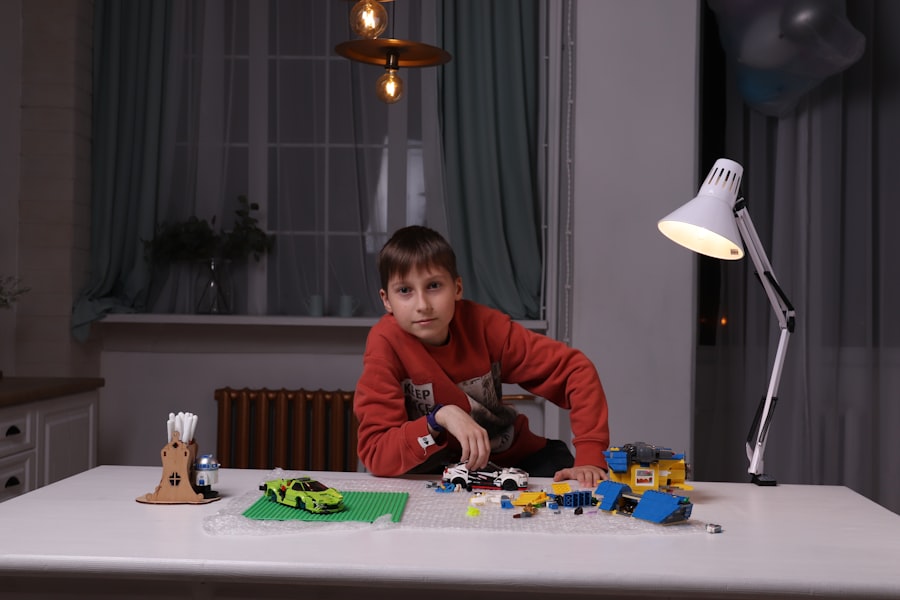
While the field is still relatively nascent, real-world cases are beginning to emerge, showcasing the growing importance of smart toy forensics. These examples serve as powerful illustrations of how these once-innocent playthings can become critical witnesses in criminal investigations.
The Talking Doll with a Tale to Tell: A Hypothetical Scenario
Imagine a case where a child is the sole witness to a domestic incident. Their smart doll, a popular brand known for its interactive voice recording capabilities, was present during the entire event. Law enforcement, armed with a warrant, seizes the doll. Through forensic analysis, they recover audio recordings of muffled shouts, a child’s distressed cries, and even snippets of conversation that directly implicate the perpetrator. This recovered audio, once just a digital echo within the doll, becomes a key piece of evidence.
The Teddy Bear That Saw Too Much: Another Example
Consider a burglary investigation where the only potential witness is a young child. The family has a smart teddy bear that records ambient sounds and can be activated by voice commands. Forensic examination of the teddy bear uncovers audio fragments of forced entry, footsteps, and hushed voices, providing crucial details about the timing and circumstances of the burglary. These digital whispers, captured by an unassuming toy, can corroborate witness testimony or even identify suspects.
Emerging Trends in Smart Toy Forensics
As technology advances, so too do the capabilities of smart toys, presenting new opportunities and challenges for forensic investigators.
Artificial Intelligence in Toys: Sophisticated Interactions
The increasing integration of AI in smart toys means they can engage in more complex conversations, learn user behaviors, and adapt their responses. This could lead to more nuanced data for forensic analysis, but also presents greater challenges in understanding the artificial intelligence’s decision-making processes.
Virtual and Augmented Reality Toys: Intertwined Realities
The rise of VR and AR toys blurs the lines between the digital and physical worlds. Forensic analysis of data from these devices could involve reconstructing virtual environments and interactions, adding another layer of complexity to investigations.
Blockchain Technology: Secure Data Storage and Integrity
Some manufacturers are exploring the use of blockchain technology for secure data storage in smart toys. This could enhance data integrity and privacy, but also requires forensic investigators to understand and navigate the specific protocols of blockchain.
In recent discussions about the role of technology in criminal investigations, the article on the implications of smart toys for forensic evidence has garnered attention. These devices, often seen as harmless playthings, can hold crucial data that may assist law enforcement in solving cases. For a deeper understanding of this topic, you can explore the insights provided in the article found here, which delves into how these innovative toys can inadvertently become key pieces of evidence in forensic analysis.
The Future of Forensic Investigation: Embracing the Digital Child
| Metric | Description | Example Data | Relevance to Forensic Evidence |
|---|---|---|---|
| Data Storage Capacity | Amount of data a smart toy can store | Up to 32 GB | Determines volume of evidence retrievable from the device |
| Data Types Collected | Types of data recorded by smart toys | Audio, video, GPS location, interaction logs | Variety of evidence types available for investigation |
| Data Retention Period | Duration data is stored before deletion | 30 days to indefinite (depending on device) | Impacts availability of historical evidence |
| Encryption Level | Security of stored and transmitted data | AES-256 bit encryption | Ensures integrity and confidentiality of forensic data |
| Access Control | Methods to restrict unauthorized data access | Password protection, biometric authentication | Prevents tampering and unauthorized evidence manipulation |
| Data Extraction Tools | Software/hardware used to retrieve data | Forensic imaging tools, custom extraction software | Enables forensic experts to recover and analyze data |
| Legal Compliance | Adherence to privacy and data protection laws | GDPR, COPPA compliance | Ensures evidence collection is lawful and admissible |
| Incident Response Time | Time taken to secure and analyze smart toy data after incident | 24-72 hours | Critical for preserving volatile evidence |
The inclusion of smart toys in the forensic evidence landscape is not a fleeting trend; it’s a fundamental shift. As our homes become increasingly populated with connected devices, they will undoubtedly play an ever-larger role in criminal investigations.
The Forensic Investigator’s New Ally: A Digital Companion
We are no longer just analyzing digital footprints left on computers and phones. We are now tasked with deciphering the digital narratives woven into the fabric of our children’s lives. This requires a constant evolution of our skills, our tools, and our understanding of the digital world.
Standardizing Protocols and Training: Building a Foundation
The rapid advancement of smart toy technology necessitates the development of standardized forensic protocols and comprehensive training programs for investigators. Without them, we risk being overwhelmed by the sheer volume and complexity of the data. We need to build a solid bedrock of knowledge and practice.
Collaboration with Manufacturers: Bridging the Gap
Effective smart toy forensics will require closer collaboration with toy manufacturers. This partnership can facilitate access to device specifications, data formats, and even assist in the development of specialized forensic tools. It’s about open communication and a shared commitment to justice.
Educating the Public: Awareness is Key
Raising public awareness about the data-collecting capabilities of smart toys is also crucial. Educating parents about the potential risks and benefits, and the importance of securing these devices, can go a long way in preventing misuse and assisting future investigations.
The world of forensic investigation is a dynamic and ever-changing domain. The presence of smart toys as potential evidence sources is a testament to this evolution. While they may originate as instruments of joy and learning, their digital hearts can, and often will, beat with secrets that hold the key to uncovering truth and delivering justice. I am compelled by this evolving landscape, by the challenge of unlocking these digital whispers from the very objects meant to spark imagination.

WATCH NOW ▶️ EXPOSED: The Smart Teddy Bear That Caught My Wife’s $2M Theft
FAQs
What are smart toys and how can they be used in forensic investigations?
Smart toys are interactive devices equipped with sensors, cameras, microphones, and connectivity features. In forensic investigations, data from these toys—such as audio recordings, video footage, location tracking, and user interactions—can provide valuable evidence related to a crime or incident.
What types of forensic evidence can be extracted from smart toys?
Forensic evidence from smart toys may include digital logs, audio and video recordings, chat or voice interactions, GPS location data, timestamps, and metadata. This information can help establish timelines, identify suspects or victims, and corroborate witness statements.
How is data from smart toys collected for forensic analysis?
Data collection involves securing the device to prevent data alteration, creating a forensic image or copy of the device’s storage, and using specialized software tools to extract and analyze the data. Proper chain-of-custody procedures are followed to maintain evidence integrity.
Are there privacy concerns when using smart toys as forensic evidence?
Yes, privacy concerns exist because smart toys often collect personal and sensitive information. Law enforcement must obtain appropriate legal authorization, such as warrants, before accessing data to ensure compliance with privacy laws and protect individuals’ rights.
What challenges do forensic experts face when analyzing smart toys?
Challenges include the diversity of toy manufacturers and platforms, proprietary data formats, encryption, limited documentation, and potential data volatility. Experts must stay updated on technology trends and use advanced forensic tools to effectively extract and interpret data from smart toys.